


 English
 中文简体
中文简体Introduction: Understanding Ultrasonic Mist Makers
Ultrasonic mist makers have become increasingly popular for creating serene, mist-filled environments in homes, offices, and other spaces. Often used as humidifiers or decorative items, these devices utilize ultrasonic vibrations to produce a fine mist of water droplets that can cool or add moisture to the air. While they are widely used in both residential and commercial settings, an important question arises: Are ultrasonic mist makers safe for pets and children?
What is an Ultrasonic Mist Maker?
An ultrasonic mist maker is a type of humidifier that uses ultrasonic technology to convert water into fine mist without the need for heat. These devices typically consist of a small ceramic disc that vibrates at an ultrasonic frequency, creating a mist that is released into the air. Some models may also incorporate LED lights or diffusers to enhance their aesthetic appeal. Ultrasonic mist makers are commonly used in homes, offices, and indoor gardens, providing moisture, cooling effects, and sometimes fragrance to the surrounding environment.
How Ultrasonic Mist Makers Work
The operation of an ultrasonic mist maker relies on high-frequency sound waves to create vibrations that break water molecules into tiny droplets. These droplets are then released as a fine mist. Unlike traditional humidifiers that rely on heat to generate steam, ultrasonic mist makers use cooler, energy-efficient processes. This makes them a popular choice for individuals looking for a quiet, energy-saving alternative.
The Benefits of Ultrasonic Mist Makers
Air Moisture and Comfort
Ultrasonic mist makers are known for their ability to add moisture to dry air, which is particularly useful during colder months when indoor air tends to be dry. Adding moisture to the air helps alleviate symptoms of dry skin, dry eyes, and respiratory discomfort.
Aesthetic Appeal
Many ultrasonic mist makers come with built-in LED lighting, making them not only functional but also visually appealing. The mist combined with lighting can create a calming atmosphere, making them a popular choice for bedrooms and living rooms.
Quiet Operation
Unlike many traditional humidifiers, ultrasonic mist makers are known for their near-silent operation. This makes them ideal for use in spaces where noise might be a concern, such as nurseries or bedrooms.
Safety Concerns for Pets and Children
Water Quality and Bacterial Growth
One of the primary concerns with ultrasonic mist makers is the potential for bacterial growth in the water tank. If the tank is not cleaned regularly, bacteria can build up and be dispersed into the air along with the mist. This poses a risk for both humans and animals, especially if the mist is inhaled. It’s crucial to clean the water tank and other components of the ultrasonic mist maker regularly to ensure that harmful bacteria do not proliferate.
Chemical Additives in the Mist
Some ultrasonic mist makers come with essential oil diffusing capabilities. While essential oils are often touted for their therapeutic benefits, they can be dangerous for pets, particularly cats and dogs. Many essential oils contain compounds that are toxic to animals when ingested or inhaled. Even small amounts of oil mist can cause respiratory distress or skin irritation in pets and children. It’s important to avoid using essential oils in mist makers when pets or young children are in the room.
Electrocution Risks
While ultrasonic mist makers are generally designed to be safe, there is a risk of electrical hazards if the device is damaged or not used properly. This risk is particularly concerning for households with small children or pets that may tamper with the device. Always ensure that the mist maker is used according to the manufacturer’s instructions and is kept out of reach of children and pets to minimize electrical hazards.
Physical Injury from Small Parts
Many ultrasonic mist makers come with small components, such as the ceramic disc or a filter. These parts could potentially be a choking hazard for young children or pets if they manage to remove them from the device. Always supervise the use of mist makers around children and ensure that the device is properly assembled and free of loose parts.
Precautions for Safe Use
To ensure that ultrasonic mist makers are safe for pets and children, follow these essential precautions:
- Regular Cleaning: Clean the water tank and mist-making components at least once a week to prevent bacterial growth. Use a mild detergent and water to disinfect the tank.
- Avoid Essential Oils: Do not use essential oils in the mist maker when children or pets are present. Many essential oils can be toxic to animals, especially cats and dogs.
- Keep Out of Reach: Store the mist maker out of reach of children and pets. If using in a nursery or play area, ensure that the device is securely placed and cannot be tampered with.
- Proper Ventilation: Ensure that the room where the mist maker is being used is well-ventilated. This helps disperse any mist particles and prevents moisture buildup that could promote mold or mildew growth.
- Use Only Safe Water: Always use clean, fresh water in the mist maker. Distilled water is a good option as it reduces the likelihood of mineral buildup inside the device.
Can Ultrasonic Mist Makers Improve Indoor Air Quality?
Ultrasonic mist makers can improve indoor air quality by adding moisture to dry air. However, they are not designed to filter or purify the air in the same way that air purifiers do. The addition of moisture can alleviate dry skin, respiratory issues, and other discomforts associated with dry air. It is important to note that the mist itself can carry airborne particles, which may be inhaled by pets and children. To avoid any health risks, ensure that the device is used in a clean, well-ventilated environment and is regularly maintained.
How to Choose the Right Ultrasonic Mist Maker for Homes with Pets and Children
When selecting an ultrasonic mist maker for a home with pets or children, consider the following factors:
- Size and Capacity: Choose a mist maker with an appropriate water capacity for the size of the room. Larger units are ideal for bigger spaces, while smaller models work well in bedrooms or small living areas.
- Safety Features: Look for models that feature automatic shut-off when the water level is low or if the device is tipped over. This adds an extra layer of safety, especially in homes with children or pets.
- Noise Level: If using the mist maker in a nursery or child’s room, opt for a quiet model that won’t disturb sleep.
Conclusion
Ultrasonic mist makers are generally safe for homes with pets and children, provided that they are used properly and precautions are taken. Regular cleaning, avoiding the use of essential oils, and ensuring the device is kept out of reach are all essential steps to ensure safety. By choosing a high-quality ultrasonic mist maker with safety features, you can enjoy the benefits of improved air quality and a calming atmosphere in your home, without compromising the safety of your loved ones.
FAQ
1. Can ultrasonic mist makers cause harm to pets?
No, ultrasonic mist makers are generally safe for pets, but it is important to avoid using essential oils as they can be toxic to animals.
2. How often should I clean my ultrasonic mist maker?
It is recommended to clean the water tank and components of the mist maker at least once a week to prevent bacteria growth.
3. Are ultrasonic mist makers safe for babies?
Yes, ultrasonic mist makers are safe for babies as long as proper safety measures are followed, such as keeping the device out of reach and avoiding the use of essential oils.
4. Can ultrasonic mist makers be used in rooms with high humidity?
While ultrasonic mist makers can add moisture to the air, it is not recommended to use them in already humid environments as it could lead to excess moisture and mold growth.
5. How can I ensure my ultrasonic mist maker is safe for my home?
Regular cleaning, using only safe water, and keeping the device out of reach of children and pets are key steps to ensure safety.
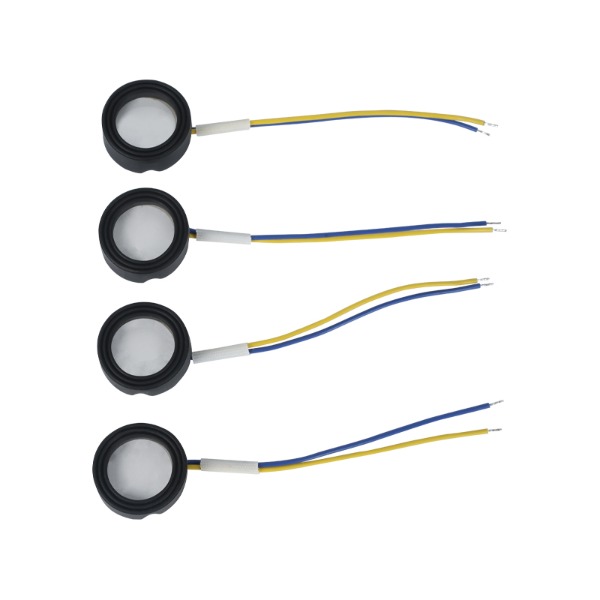
Related Products
-
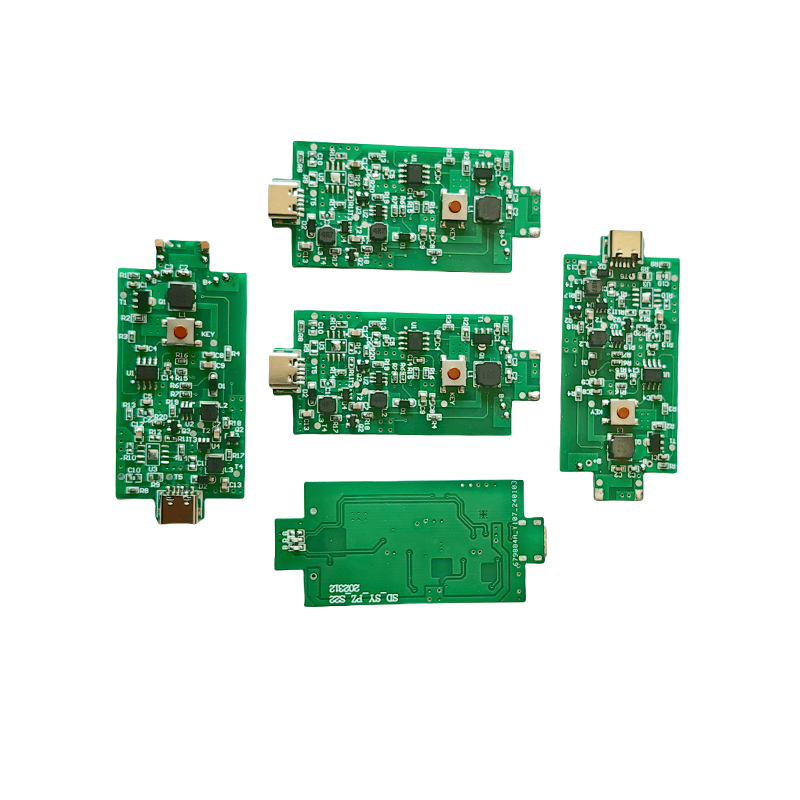
Humidifier Aromatherapy Humidifier Misting Tray PCB Board USB6V12V24V Five Head PCB Driver Board 10 Head Driver Board
-
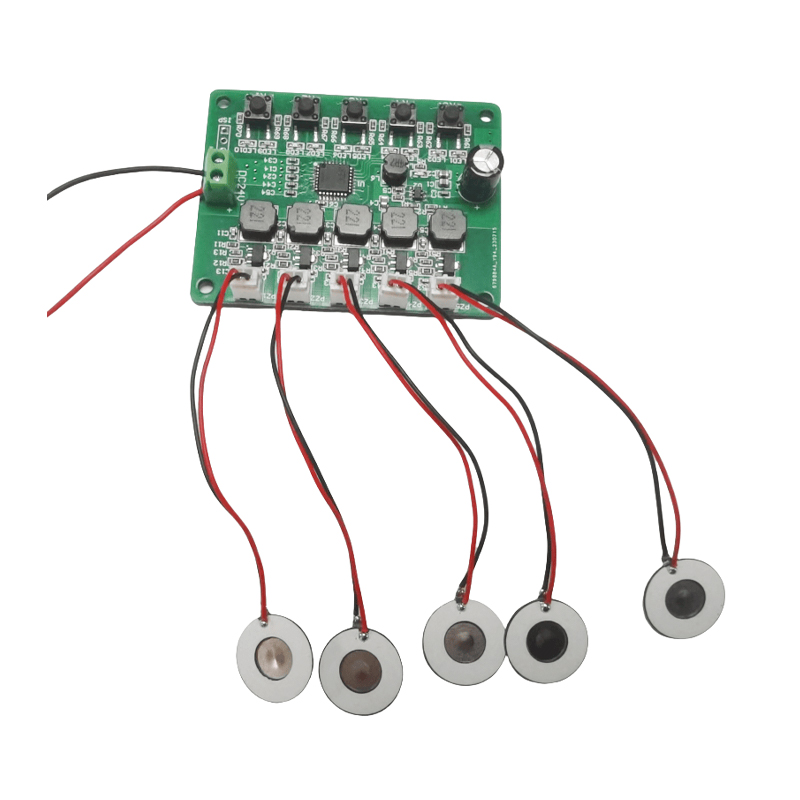
Medical Inhalation Nebulizer Respirator Head-mounted Nebulizer PCB Driver B
-
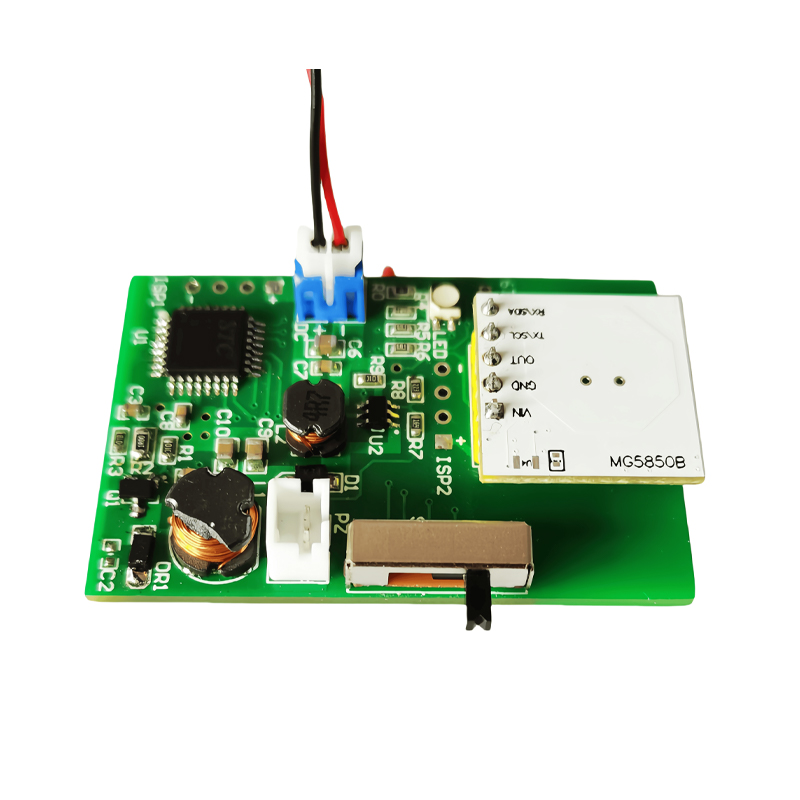
Medical Mesh Atomizer Tray PCB Electronic Smoking Cessation Atomizer PCB Driver Board
-
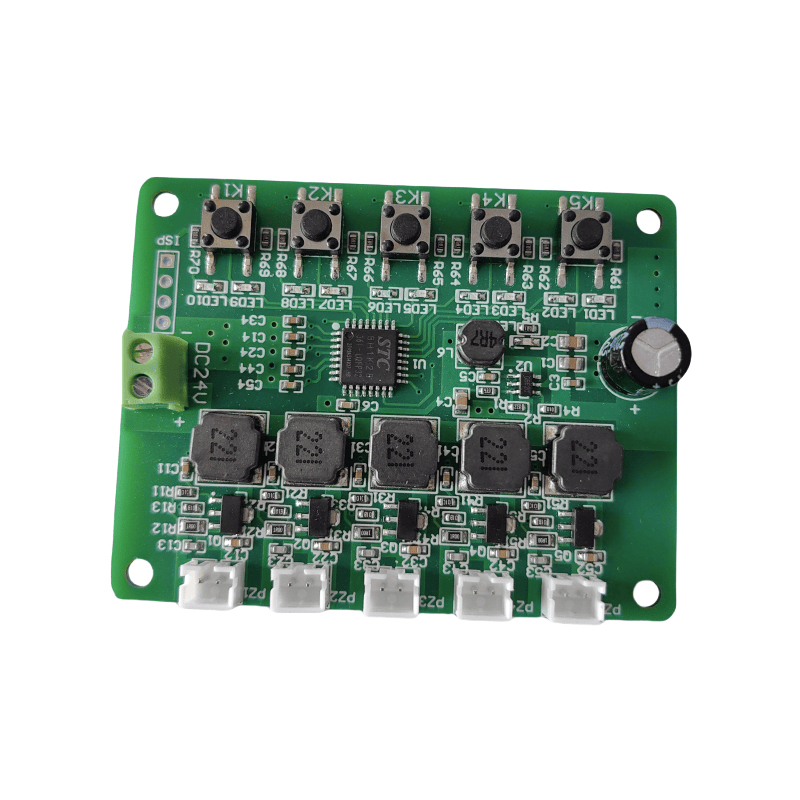
Driver Board For Humidifier Crescent PCB Board Timing 2/4h Function 1.5W
-
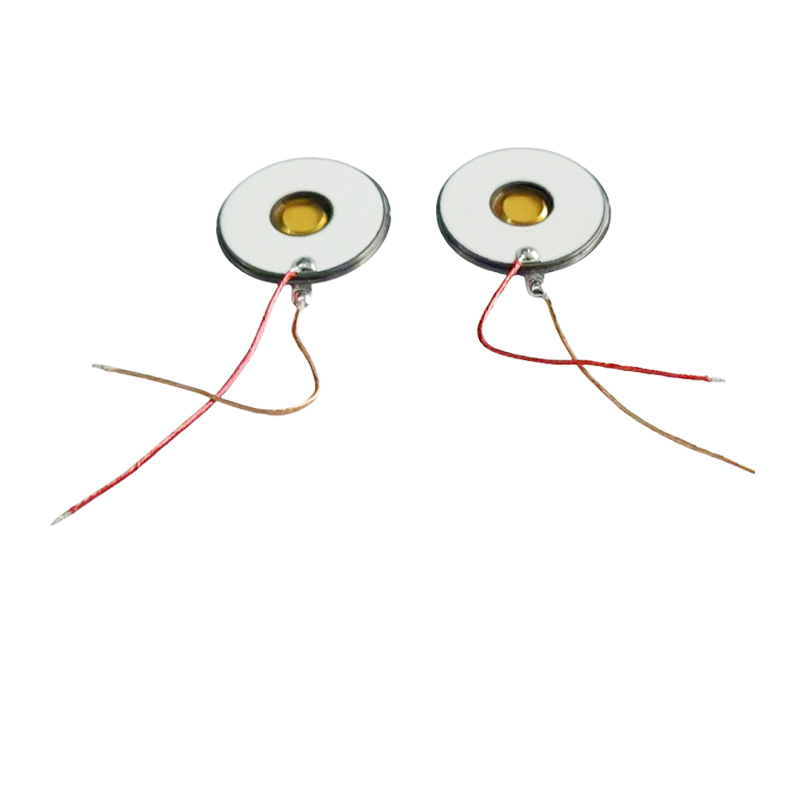
M16-108KHZ Polyimide PI MembraneMesh Micro Mesh NebulizerMedical NebulizerUltrasonic Mesh Nebulizer3μm Microporous Inhalation Nebulizer With Nebulizing DiscPower Consumption1~1.5W
-
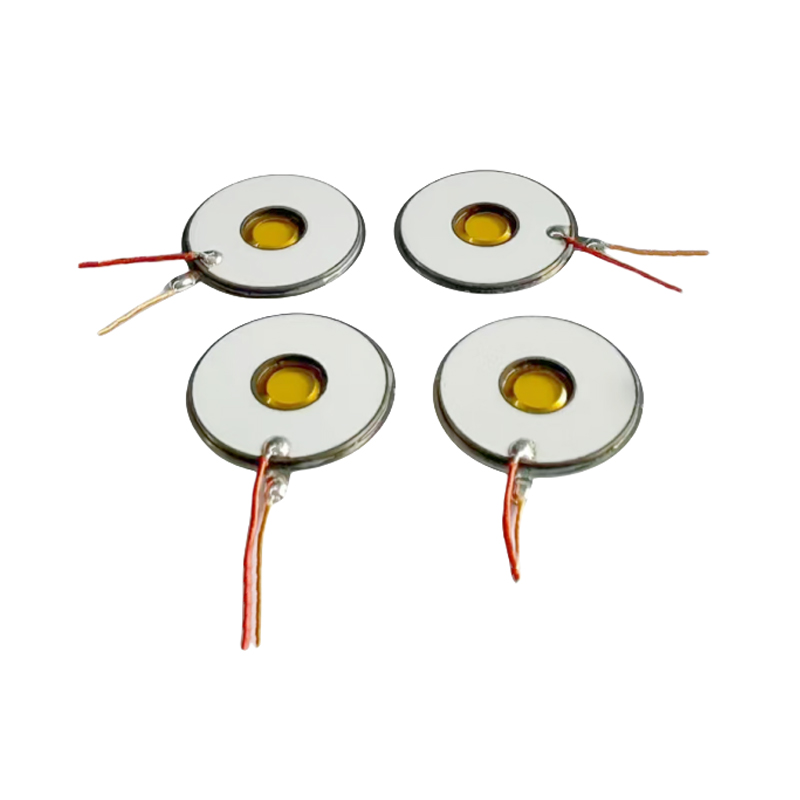
M16-108KHZ Polyimide PI MembraneMesh Micro Mesh NebulizerMedical NebulizerUltrasonic Mesh Nebulizer3μm Microporous Nebulizer Disc For Inhaler Nebulizer
-
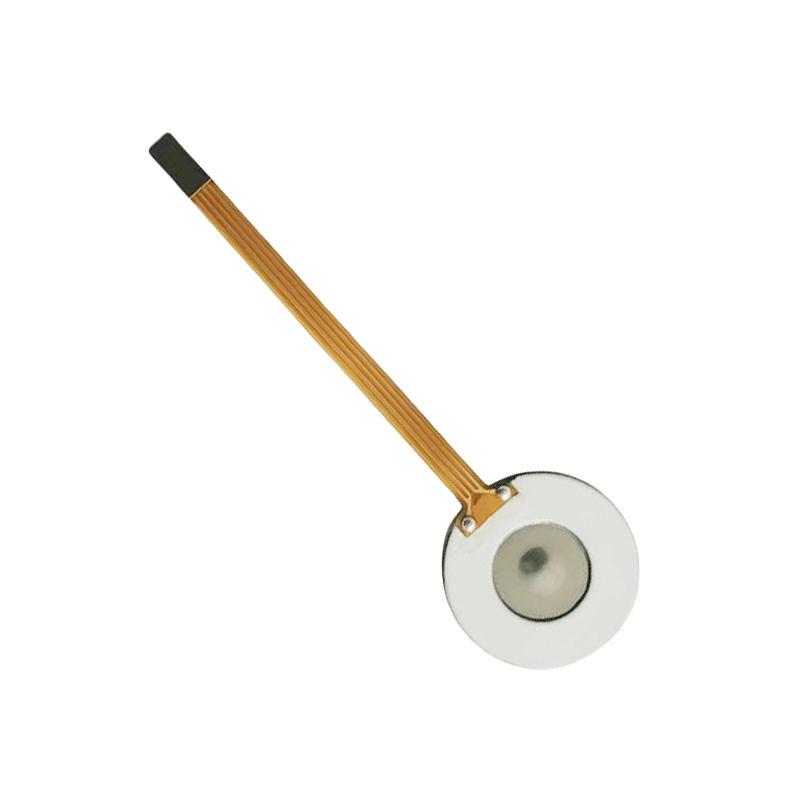
M16-110KHZ Polyimide PI MembraneMesh Micro Mesh NebulizerMedical NebulizerUltrasonic Mesh Nebulizer3μm Microporous Nebulizer Disc For Inhalation Nebulizer
-
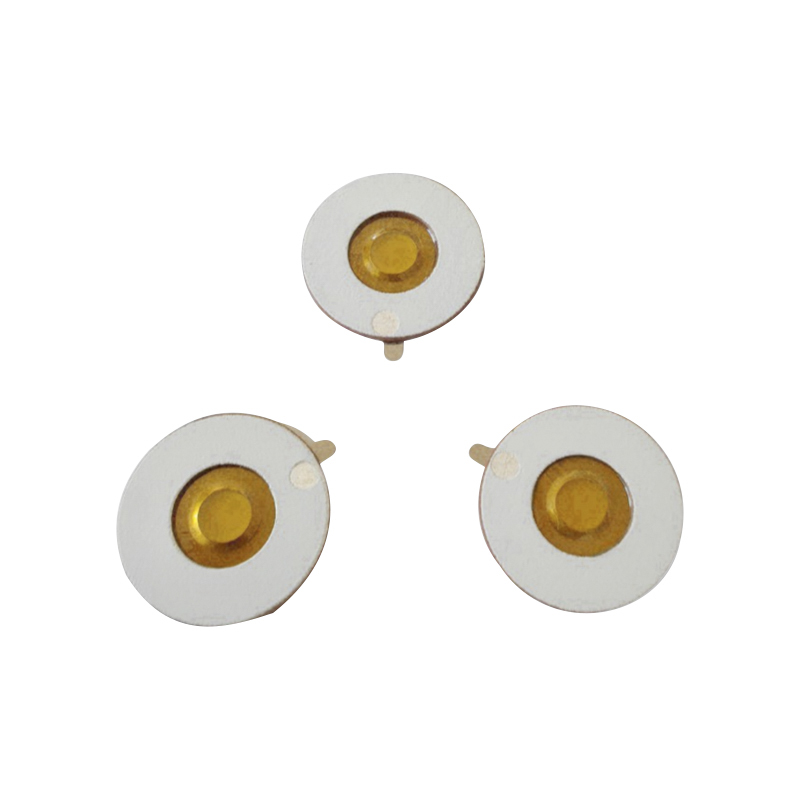
M16-108KHZ Polyimide PI MembraneMesh Micro Mesh NebulizerMedical NebulizerUltrasonic Mesh Nebulizer Tablet3μm Microporous Inhalation Budesonide Nebulizer Tray
- Quick Links
- Product
- About
- Application
- News
- Contact
- Product Links
- Medical Mesh Piezo Atomizer
- Polymer PI Film Piezo Atomizer
- KNN Lead-free Mesh Piezo Atomizer
- PI Lead Free Mesh Zeroing Chip
- Micro-mesh Piezo Atomizer For Heater
- Piezo Atomizer For Fan/Humidification/Beauty
- Ultrasonic Atomizing Transducer
- Ultrasonic High-frequency Piezo Atomizer
- Power Generation/Heating Sensor Piezo Atomizer
- Medical Piezo Atomizer PCB Design
- Precision Laser Micro-hole Processing Technology
- Contact
-
Building 1, Fortune Star 2, No.311 Huanzhen North Road, Chang'an Town, Haining City, Zhejiang Province, China.

-
+86-18006619680

-
+86-13777879680

-
Felix@saidapiezo.com

riney@saidapiezo.com
yugao@saidapiezo.com
emily@saidapiezo.com
dean@saidapiezo.com -
Felix: +86 18157327658

John: +86 18957351358
Emily: +86 18957339358
Dean: +86 15356418868
- Mobile