


 English
 中文简体
中文简体Introduction
Indoor air quality has become an increasingly important topic as people spend more time in controlled environments such as homes, offices, and industrial facilities. Among the many factors affecting indoor comfort, humidity levels play a critical role in both skin health and respiratory well-being. When humidity drops below optimal levels, individuals often experience dry skin, irritated nasal passages, and aggravated allergic reactions.
In this context, the humidifier disc has emerged as a key component in modern humidification systems. Particularly, advanced technologies such as the piezo ultrasonic atomizer disc have significantly improved the efficiency and precision of moisture delivery. These components are no longer limited to basic air humidification; they are now integral to applications requiring controlled aerosol generation and fine mist dispersion.
Understanding Dry Skin and Allergies in Low-Humidity Environments
Dry indoor air is a common issue, especially in regions with cold climates or heavy reliance on heating systems. When relative humidity falls below 30%, the air begins to draw moisture from the skin and respiratory tract.
Impact on Skin Health
Low humidity accelerates transepidermal water loss, leading to:
- Skin dryness and flaking
- Increased sensitivity and irritation
- Reduced elasticity
- Higher susceptibility to dermatitis
Impact on Allergies and Respiratory Health
Dry air can also exacerbate allergic conditions:
- Nasal passages become dry and inflamed
- Mucus membranes lose their protective function
- Airborne allergens remain suspended longer
- Symptoms such as sneezing, coughing, and congestion intensify
Maintaining optimal humidity levels—typically between 40% and 60%—is widely recognized as beneficial for both skin hydration and respiratory comfort.
What Is a Humidifier Disc?
A humidifier disc is a functional component used in humidification devices to generate fine water droplets. It is commonly used in ultrasonic humidifiers, where it plays a central role in converting liquid water into a fine mist.
Key Types of Humidifier Discs
| Type | Working Principle | Application Scope |
|---|---|---|
| Mechanical rotating disc | Uses centrifugal force to disperse water | Basic humidification systems |
| Ultrasonic disc | Vibrates at high frequency to atomize | Residential and medical humidifiers |
| piezo ultrasonic atomizer disc | Uses piezoelectric effect for precision mist | High-precision aerosol delivery |
Among these, the piezo ultrasonic atomizer disc is the most advanced, offering superior atomization performance and energy efficiency.
Working Principle of a Piezo Ultrasonic Atomizer Disc
The piezo ultrasonic atomizer disc operates based on the piezoelectric effect. When an electric current is applied, the disc vibrates at ultrasonic frequencies, typically in the range of 1–3 MHz. These vibrations create microscopic pressure waves in the water, breaking it into ultra-fine droplets.
Process Overview
Electrical signal is applied to the disc
Piezoelectric material deforms rapidly
High-frequency vibrations generate cavitation
Water is atomized into fine mist particles
Mist is dispersed into the air
Advantages of This Technology
- Produces uniform droplet sizes
- Enables quiet operation
- Offers high energy efficiency
- Supports precise humidity control
- Minimizes water consumption
This level of control is particularly important when targeting health-related benefits such as alleviating dry skin and reducing allergen irritation.
How Humidifier Discs Help with Dry Skin
The connection between humidity and skin health is well established. A properly functioning humidifier disc contributes to maintaining an optimal indoor environment.
Mechanisms of Skin Hydration Support
Moisture Retention
By increasing ambient humidity, the skin retains more moisture, reducing dryness and irritation.
Barrier Function Enhancement
Adequate humidity supports the skin’s natural barrier, preventing external irritants from penetrating.
Reduction of Micro-Cracks
Dry conditions often cause micro-cracks in the skin. Humidification helps maintain skin integrity.
Improved Comfort
Users often report less itching and tightness when humidity levels are balanced.
Performance Comparison
| Factor | Low Humidity Environment | With Humidifier Disc |
|---|---|---|
| Skin hydration | Poor | Improved |
| Irritation frequency | High | Reduced |
| Elasticity | Decreased | Maintained |
| Comfort level | Low | High |
Role in Allergy Relief
Humidity control also plays a significant role in managing allergy symptoms. The humidifier disc contributes indirectly by creating a more balanced indoor environment.
Key Benefits for Allergy Sufferers
Airway Moisturization
Moist air prevents dryness in nasal passages, reducing irritation.
Reduced Allergen Suspension
Proper humidity can help settle airborne particles more quickly.
Enhanced Mucosal Defense
Moist membranes are better at trapping allergens and pathogens.
Improved Sleep Quality
Reduced congestion leads to better breathing during sleep.
Integration with Modern Humidification Systems
The humidifier disc is not a standalone solution but part of a broader system. Its performance depends on integration with other components.
System Components
- Water reservoir
- Control circuitry
- Airflow system
- Sensors for humidity monitoring
Smart Control Capabilities
Modern systems equipped with advanced humidifier disc technology can:
- Automatically adjust output based on humidity levels
- Maintain consistent indoor conditions
- Optimize energy consumption
- Provide user-friendly control interfaces
Industrial and Application Perspectives
While commonly associated with residential use, humidifier disc technology has broader applications.
Application Areas
| Industry Sector | Use Case Description |
|---|---|
| Healthcare | Respiratory therapy and controlled humidification |
| Electronics | Static control through humidity regulation |
| Agriculture | Greenhouse humidity management |
| Manufacturing | Dust suppression and air quality control |
| Laboratory environments | Controlled aerosol generation |
The versatility of the piezo ultrasonic atomizer disc makes it suitable for both consumer and industrial applications.
Limitations and Considerations
Despite its advantages, the humidifier disc is not without limitations.
Key Considerations
- Requires regular cleaning to prevent mineral buildup
- Performance depends on water quality
- Over-humidification can lead to mold growth
- Proper system calibration is essential
Maintenance Recommendations
| Maintenance Task | Frequency | Purpose |
|---|---|---|
| Cleaning the disc | Weekly | Prevent residue buildup |
| Replacing components | Periodically | Maintain efficiency |
| Monitoring humidity | Continuous | Avoid over-humidification |
Conclusion
A humidifier disc, particularly when based on piezo ultrasonic atomizer disc technology, plays a significant role in improving indoor air quality. By maintaining optimal humidity levels, it can effectively help alleviate dry skin and reduce the severity of allergy symptoms.
Its ability to produce fine, consistent mist ensures efficient moisture distribution, making it a valuable component in both residential and industrial humidification systems. While proper maintenance and system design are essential, the overall benefits make it a practical solution for addressing common issues associated with dry indoor environments.
FAQ
1. Can a humidifier disc directly cure dry skin?
No, it does not cure skin conditions directly, but it helps maintain proper humidity levels, which can significantly reduce dryness and irritation.
2. Is a piezo ultrasonic atomizer disc better than traditional discs?
Yes, it offers finer mist, better energy efficiency, and more precise humidity control compared to traditional mechanical or basic ultrasonic discs.
3. Can humidifier discs help with severe allergies?
They can alleviate symptoms by improving air moisture, but they are not a replacement for medical treatment.
4. How often should a humidifier disc be cleaned?
Regular cleaning, typically once a week, is recommended to ensure optimal performance and prevent buildup.
5. Does using a humidifier disc increase indoor air quality?
Yes, by maintaining balanced humidity, it enhances overall indoor comfort and supports healthier air conditions.
Related Products
-
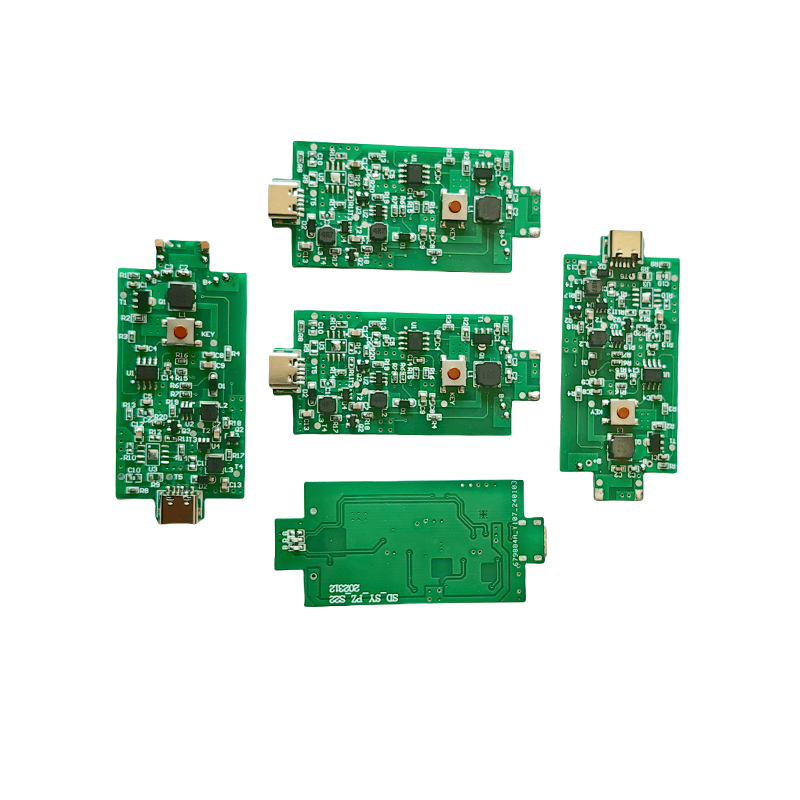
Humidifier Aromatherapy Humidifier Misting Tray PCB Board USB6V12V24V Five Head PCB Driver Board 10 Head Driver Board
-

Medical Inhalation Nebulizer Respirator Head-mounted Nebulizer PCB Driver B
-

Medical Mesh Atomizer Tray PCB Electronic Smoking Cessation Atomizer PCB Driver Board
-

Driver Board For Humidifier Crescent PCB Board Timing 2/4h Function 1.5W
-
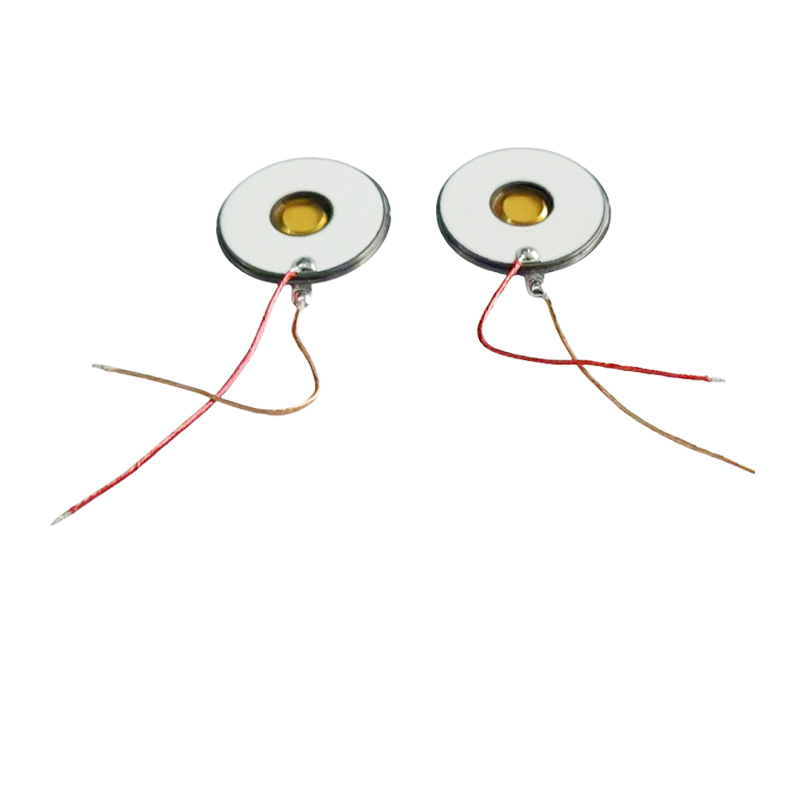
M16-108KHZ Polyimide PI MembraneMesh Micro Mesh NebulizerMedical NebulizerUltrasonic Mesh Nebulizer3μm Microporous Inhalation Nebulizer With Nebulizing DiscPower Consumption1~1.5W
-
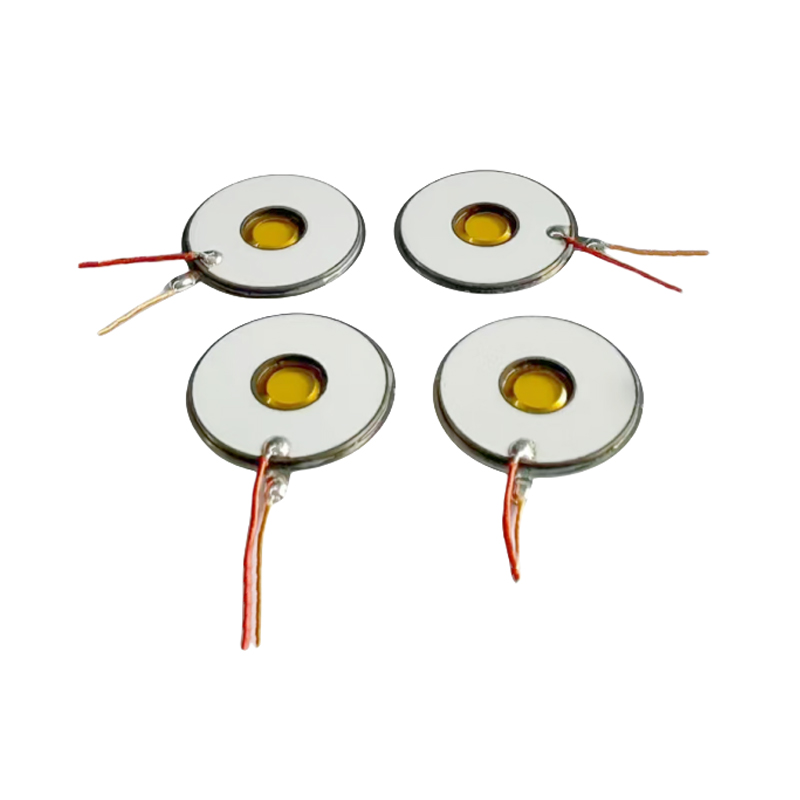
M16-108KHZ Polyimide PI MembraneMesh Micro Mesh NebulizerMedical NebulizerUltrasonic Mesh Nebulizer3μm Microporous Nebulizer Disc For Inhaler Nebulizer
-
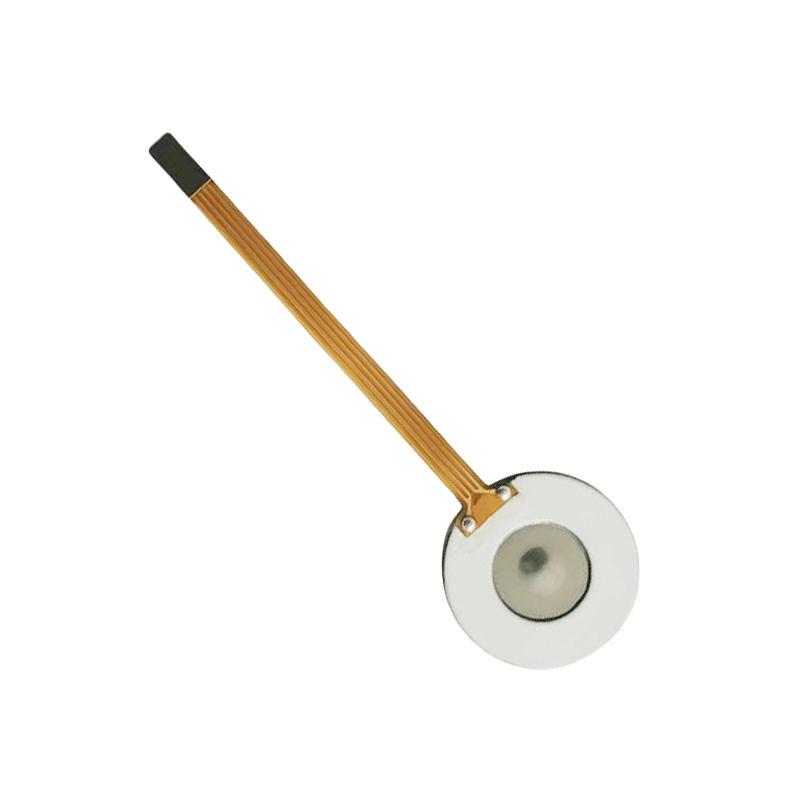
M16-110KHZ Polyimide PI MembraneMesh Micro Mesh NebulizerMedical NebulizerUltrasonic Mesh Nebulizer3μm Microporous Nebulizer Disc For Inhalation Nebulizer
-
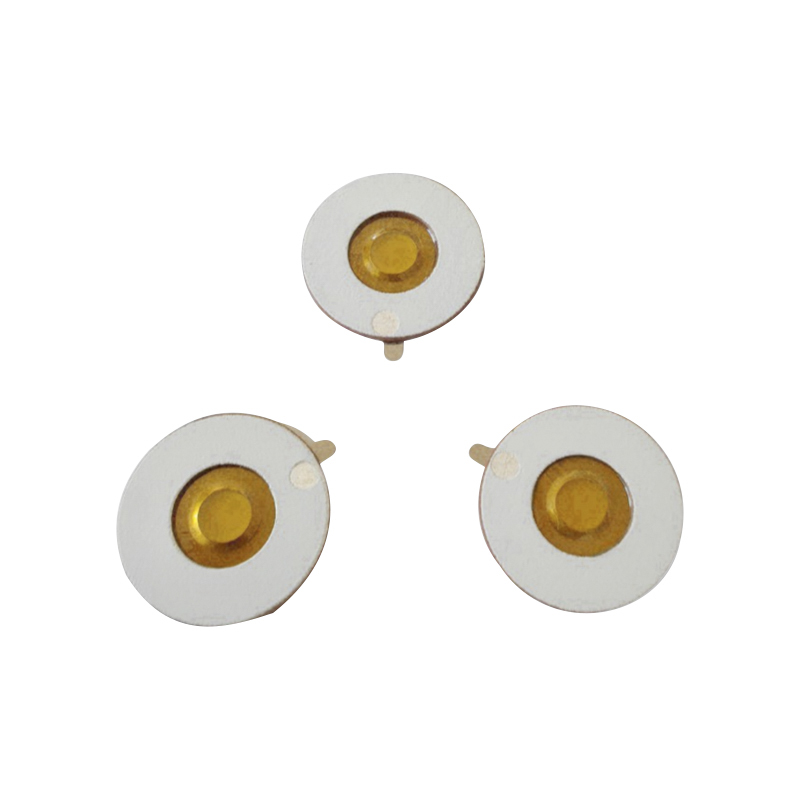
M16-108KHZ Polyimide PI MembraneMesh Micro Mesh NebulizerMedical NebulizerUltrasonic Mesh Nebulizer Tablet3μm Microporous Inhalation Budesonide Nebulizer Tray
- Quick Links
- Product
- About
- Application
- News
- Contact
- Product Links
- Medical Mesh Piezo Atomizer
- Polymer PI Film Piezo Atomizer
- KNN Lead-free Mesh Piezo Atomizer
- PI Lead Free Mesh Zeroing Chip
- Micro-mesh Piezo Atomizer For Heater
- Piezo Atomizer For Fan/Humidification/Beauty
- Ultrasonic Atomizing Transducer
- Ultrasonic High-frequency Piezo Atomizer
- Power Generation/Heating Sensor Piezo Atomizer
- Medical Piezo Atomizer PCB Design
- Precision Laser Micro-hole Processing Technology
- Contact
-
Building 1, Fortune Star 2, No.311 Huanzhen North Road, Chang'an Town, Haining City, Zhejiang Province, China.

-
+86-18006619680

-
+86-13777879680

-
Felix@saidapiezo.com

riney@saidapiezo.com
yugao@saidapiezo.com
emily@saidapiezo.com
dean@saidapiezo.com -
Felix: +86 18157327658

John: +86 18957351358
Emily: +86 18957339358
Dean: +86 15356418868
- Mobile