A
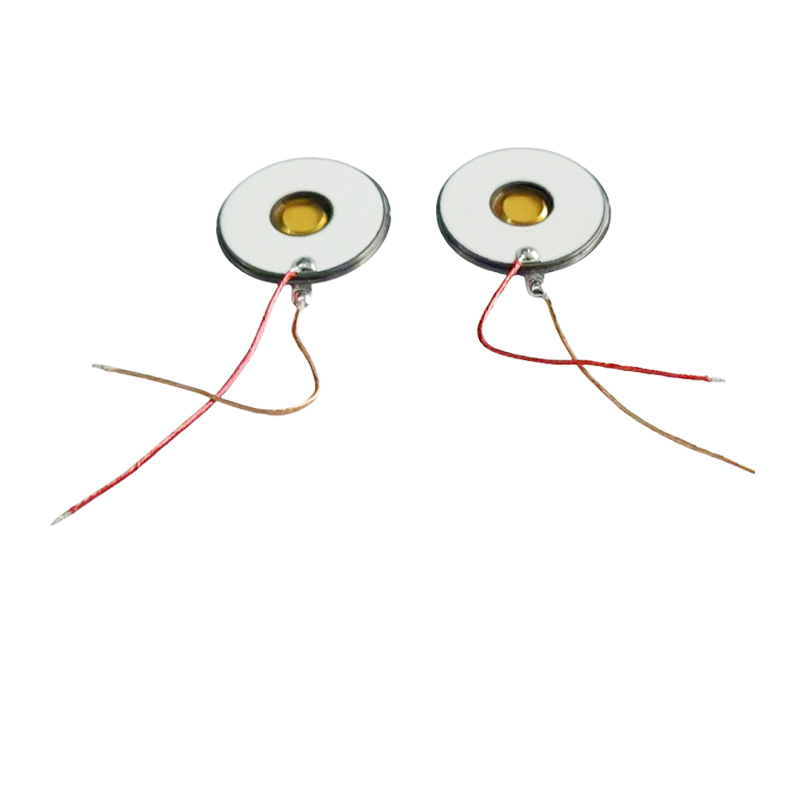
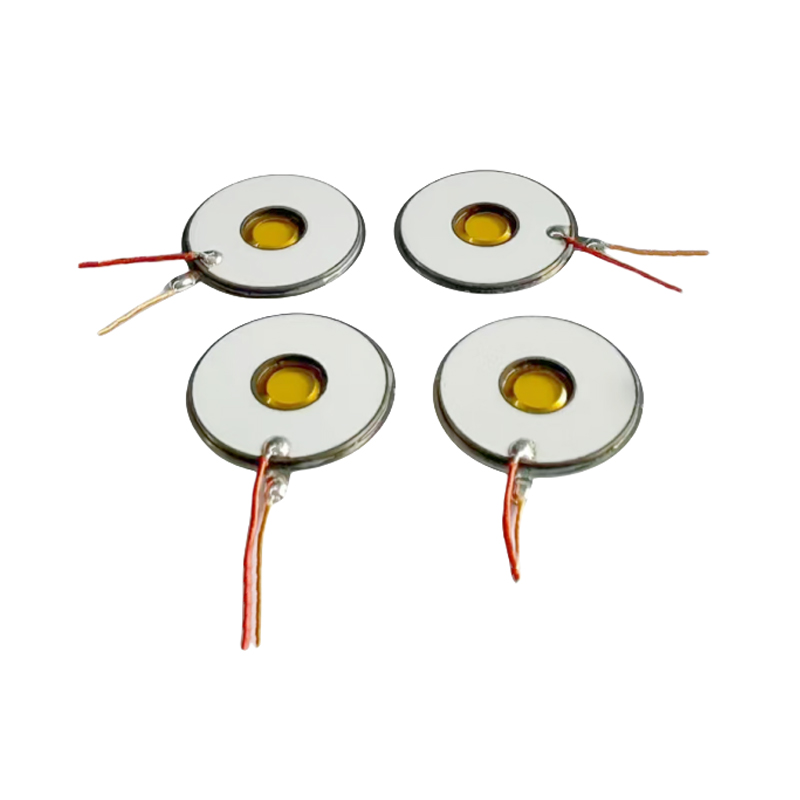
KNN lead-free mesh piezo atomizer disc is an advanced piezoelectric component using potassium sodium niobate (KNN) lead-free ceramic materials combined with micro-mesh structures to generate fine aerosol particles. These precision components are essential in medical nebulization devices, respiratory therapy equipment, portable inhalation systems, healthcare monitoring devices, precision liquid atomization systems, and environmentally friendly piezoelectric applications. Medical device manufacturers, component suppliers, and technology developers choose KNN lead-free mesh piezo atomizer discs for their lead-free environmental advantages, high piezoelectric performance, efficient aerosol generation, low power consumption, compact structure, and compliance with sustainable material requirements. Atomizer disc selection directly affects atomization efficiency, aerosol particle size, device safety, environmental compliance, and long-term product reliability.
What Is a KNN Lead-free Mesh Piezo Atomizer Disc?
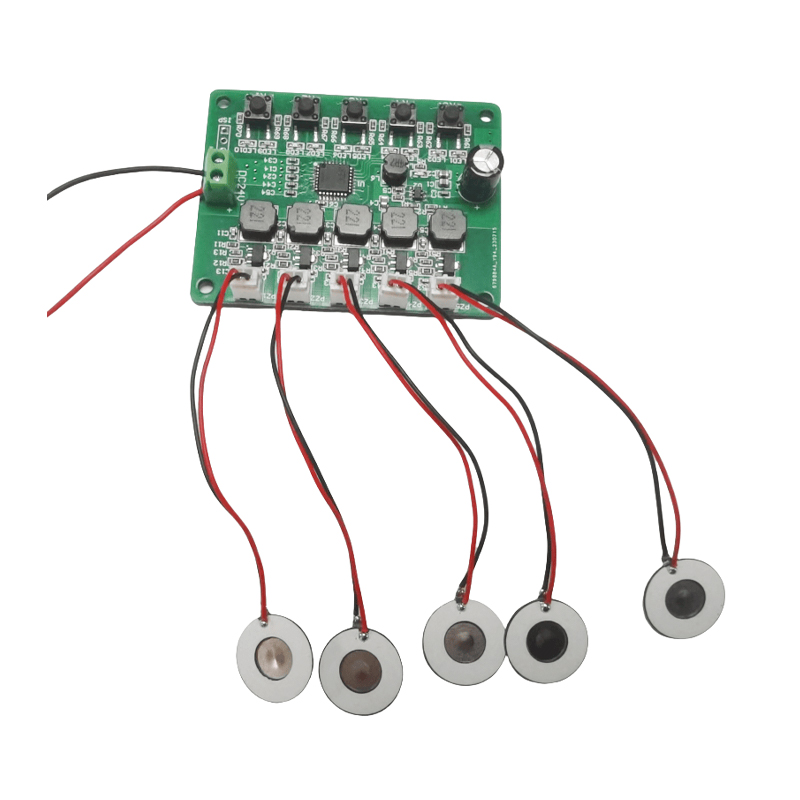
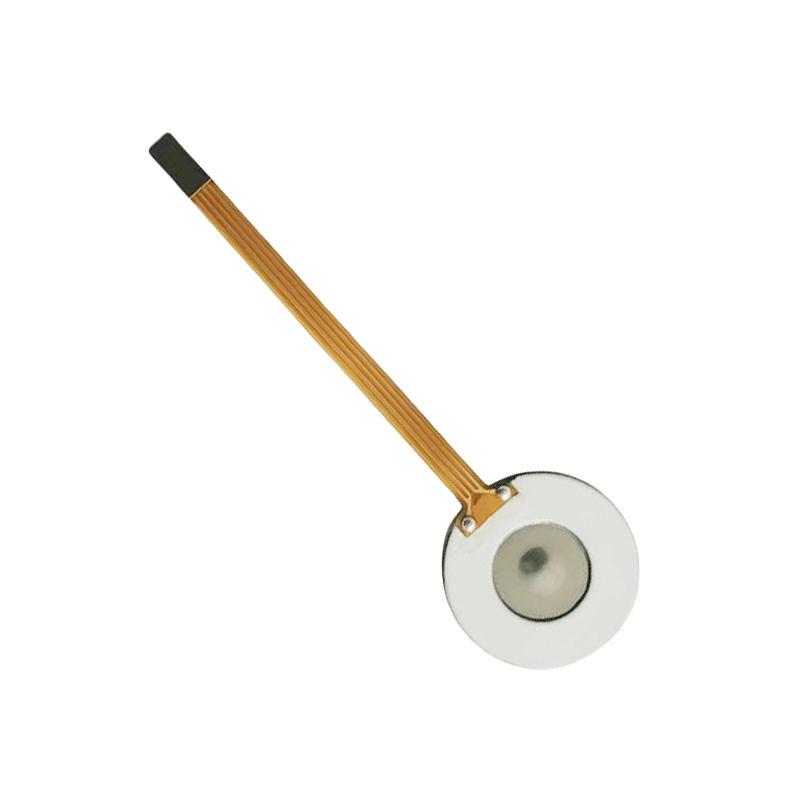
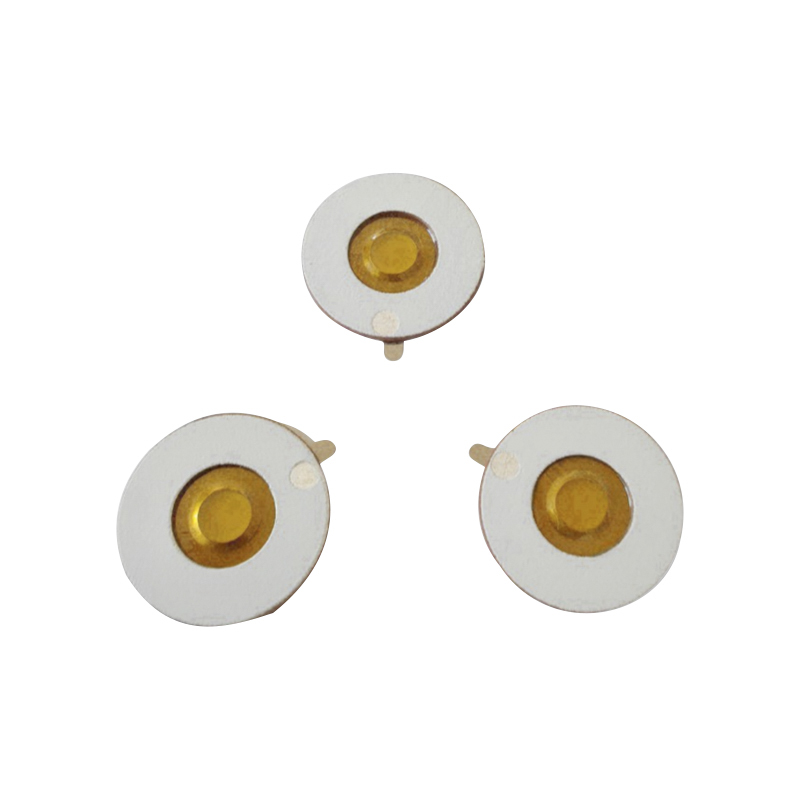
A KNN lead-free mesh piezo atomizer disc is an aerosol-generating component that uses potassium sodium niobate-based piezoelectric ceramics to create high-frequency vibration for liquid atomization. Understanding the structure and components helps buyers evaluate quality and performance.
Structural Components and Their Functions
Every KNN lead-free mesh piezo atomizer disc consists of six essential components working together to deliver efficient atomization:
- KNN piezoelectric ceramic element: Converts electrical energy into mechanical vibration using potassium sodium niobate material — the core active component that drives atomization.
- Micro mesh membrane: Controls droplet size and mist output through precision-engineered apertures that produce uniform aerosol particles.
- Electrode layer: Transfers electrical excitation signals to the ceramic element for controlled vibration activation.
- Metal support structure: Maintains mechanical stability and provides mounting points for secure installation in device housings.
- Protective coating: Improves durability, environmental resistance, and extends the service life of the atomizer component.
- Electrical connection system: Enables reliable power delivery from the device to the piezo element for consistent operation.
How KNN Lead-free Mesh Piezo Atomizer Discs Work
Electrical signals activate KNN piezoelectric vibration at high frequency. The high-frequency oscillation drives liquid through micro mesh holes, where the mesh structure produces uniform aerosol droplets. The fine mist is then delivered through atomization systems for medical or industrial applications. Key performance factors include piezoelectric coefficient (electrical-to-mechanical conversion efficiency), resonant frequency (vibration stability), mesh aperture size (droplet control), atomization rate (output volume), and droplet distribution (particle size uniformity).
1 KNN ceramic material preparation
2 Micro mesh fabrication
3 Assembly & integration
4 Quality testing & evaluation
Types of KNN Lead-free Mesh Piezo Atomizer Discs
KNN lead-free mesh piezo atomizer discs are available in various configurations to suit different medical, healthcare, and precision atomization applications.
| Disc Type |
Key Features |
Best Applications |
Performance Characteristics |
| Standard KNN |
Lead-free composition, stable vibration, eco-friendly |
Medical atomizers, portable mist generators |
General purpose, reliable |
| Medical Grade |
Controlled particle size, healthcare design, safe materials |
Respiratory therapy, medical nebulizers |
Precision, clinical grade |
| Miniature |
Small form factor, low energy, portable |
Wearable devices, battery-powered nebulizers |
Compact, efficient |
| High Precision |
Accurate mesh holes, stable output, consistent size |
Precision drug delivery, advanced medical systems |
High accuracy, consistent |
| Custom Solutions |
Composition, dimensions, frequency, mesh, voltage |
OEM equipment, specialized systems |
Tailored specifications |
Select the right disc type based on your application requirements. Standard KNN for general atomization; medical grade for healthcare devices; miniature for portable equipment; high precision for advanced systems; custom for specific project requirements.
Manufacturing Process and Quality Standards
KNN lead-free mesh piezo atomizer discs undergo a precision manufacturing process that ensures performance, reliability, and environmental compliance. Understanding this process helps buyers evaluate supplier capabilities and product quality.
KNN Lead-free Piezo Ceramic Material Preparation
The manufacturing process begins with raw material mixing of potassium sodium niobate components. Powder preparation ensures uniform composition. Ceramic forming creates the desired shape. High-temperature sintering develops the crystalline structure. Electrical polarization activates the piezoelectric properties. Material purity, crystal structure, and electrical stability are critical for optimal piezoelectric response.
Micro Mesh Fabrication and Precision Processing
Production processes include micro-hole manufacturing (creating precise apertures), laser processing (high-precision hole formation), surface treatment (improving performance), and mesh alignment (ensuring uniform output). Requirements include uniform aperture distribution, precise liquid flow control, and stable atomization performance.
Assembly and Integration Process
Assembly steps include ceramic attachment (securing to support), mesh installation (precision placement), electrode connection (electrical bonding), and component sealing (environmental protection). Requirements include mechanical stability, electrical reliability, and long service life.
Quality Testing and Performance Evaluation
KNN atomizer discs undergo comprehensive testing: piezoelectric performance testing (electrical response), frequency response testing (vibration stability), atomization output testing (mist production), particle size analysis (droplet distribution), and durability testing (lifespan verification). Quality requirements include stable mist production, consistent performance, and environmental compliance.
Key Advantages of KNN Lead-free Mesh Piezo Atomizer Discs
The value proposition of KNN lead-free mesh piezo atomizer discs extends beyond basic atomization — delivering critical benefits for medical device manufacturers and healthcare applications.
Lead-Free Technology
Uses potassium sodium niobate ceramic materials, reduces dependence on lead-containing piezo materials, and supports sustainable product development — ensuring environmental compliance and safer material selection.
Aerosol Efficiency
Efficient electrical-to-mechanical conversion, stable vibration output, and fine mist generation capability improve liquid utilization and deliver consistent aerosol delivery for medical applications.
Low Power Consumption
Efficient energy conversion, suitable for portable devices, and support for miniaturized equipment design enable longer battery operation and smaller device size for patient convenience.
Long Service Life
Durable ceramic structure, reliable vibration performance, and resistance to repeated operation reduce maintenance requirements and improve device reliability over extended use.
Primary Applications Across Healthcare
The versatility of KNN lead-free mesh piezo atomizer discs makes them suitable for a broad spectrum of medical and precision atomization applications.
- Medical nebulizers and respiratory therapy equipment: Respiratory treatment devices, portable inhalation systems, and medical aerosol delivery equipment requiring precise aerosol output, safe material selection, and stable operation.
- Portable healthcare devices: Handheld nebulizers, wearable healthcare equipment, and personal respiratory devices requiring compact size, low power consumption, and quiet operation.
- Precision liquid atomization systems: Laboratory equipment, industrial mist systems, and precision liquid delivery devices requiring controlled droplet size and stable atomization rate.
- Medical device manufacturers and component suppliers: Medical equipment manufacturers, healthcare technology companies, and OEM device developers prioritizing manufacturing capability, material compliance, and quality consistency.
KNN vs Other Piezo Materials
Making an informed decision requires understanding how KNN lead-free piezo materials compare to alternative piezoelectric technologies.
KNN vs Lead-based PZT
KNN offers environmental advantages with lead-free composition while maintaining competitive piezoelectric performance. Lead-based PZT provides higher piezoelectric coefficients but faces regulatory restrictions. KNN is preferred for environmentally conscious medical device development.
Mesh Atomizer vs Ultrasonic Atomizer
Mesh atomizers offer better particle size control, lower power consumption, and smaller device size. Ultrasonic atomizers are simpler but less precise. Mesh technology is preferred for medical applications requiring precise aerosol delivery.
Medical vs Industrial Applications
Medical applications require strict material safety, precise performance, and regulatory compliance. Industrial applications focus on durability and output volume. KNN is well-suited for medical devices with its lead-free composition and controlled performance.
How to Choose the Right KNN Atomizer Disc
Selecting the optimal KNN lead-free mesh piezo atomizer disc involves evaluating both the product and the manufacturer.
Key Manufacturer Evaluation Factors
For medical device manufacturers and component buyers, supplier selection is critical. Assess potential manufacturers on: piezo ceramic expertise (technical knowledge), manufacturing experience (proven track record), material quality control (consistent performance), custom development capability (design flexibility), testing capability (quality assurance), and compliance support (regulatory documentation).
Critical Technical Specifications
When comparing products, examine these key parameters: ceramic material composition (KNN formulation), resonant frequency (vibration stability), operating voltage (electrical requirements), atomization rate (output volume), mesh aperture size (droplet control), particle size distribution (aerosol characteristics), power consumption (energy efficiency), and operating lifespan (durability). Specification tables from reputable manufacturers provide essential data for informed decision-making.
Maintenance and Troubleshooting Guide
Proper maintenance of KNN lead-free mesh piezo atomizer discs extends service life and maintains atomization efficiency.
Regular
- Clean mesh surface gently
- Remove liquid residue
- Inspect for blockage
Periodic
- Test atomization performance
- Check electrical connections
- Verify mist output quality
Storage
- Store in dry, clean environment
- Avoid physical damage
- Protect from contamination
Common Issues and Solutions
- Reduced mist output: Usually caused by mesh blockage or insufficient power — clean the mesh carefully and verify proper voltage supply.
- Mesh blockage: Results from liquid residue accumulation — use appropriate cleaning methods and ensure proper liquid filtration.
- Reduced vibration performance: Caused by ceramic degradation or connection issues — inspect electrical connections and consider replacement if performance degrades.
- Electrical connection failure: Often from mechanical stress or corrosion — ensure proper handling and protect connections from moisture.
Future Trends
The KNN lead-free mesh piezo atomizer disc industry continues to evolve with environmental regulations and healthcare technology advances.
Green Piezo Technology
Wider adoption of lead-free piezo materials is being driven by environmental regulations and sustainability goals. KNN and other lead-free compositions are replacing traditional PZT materials in medical applications.
Wearable and Miniaturized Devices
Miniaturized wearable nebulizers and compact healthcare devices are emerging for home and personal healthcare. Smaller atomizer discs with improved efficiency enable portable therapy solutions.
Smart Aerosol Control
Integrated sensors and smart control systems enable precise dosing, real-time monitoring, and adaptive atomization. These technologies improve treatment outcomes and device usability.
What is KNN piezoelectric ceramic?
KNN (potassium sodium niobate) is a lead-free piezoelectric ceramic material that converts electrical energy into mechanical vibration. It offers environmental advantages over traditional lead-based PZT materials while maintaining competitive piezoelectric performance for atomization applications.
Why choose lead-free piezo materials for medical devices?
Lead-free materials such as KNN comply with environmental regulations (RoHS, REACH) and reduce potential toxicity risks in medical applications. They support sustainable product development and meet growing healthcare industry requirements for safer materials.
How does mesh aperture size affect atomization?
Mesh aperture size determines the droplet size and aerosol characteristics. Smaller apertures produce finer mist particles for deep lung delivery, while larger apertures generate coarser droplets for different therapeutic applications. Selection depends on the target treatment and device requirements.
What is the typical operating frequency of KNN atomizer discs?
Typical operating frequencies range from 100 kHz to 200 kHz, depending on the disc design and application requirements. Higher frequencies generally produce finer mist particles but require more precise manufacturing tolerances.
How long do KNN atomizer discs typically last?
With proper maintenance, KNN atomizer discs typically provide 1-3 years of service in medical device applications. Lifespan depends on usage frequency, liquid compatibility, and maintenance practices. Replace discs when atomization performance noticeably declines.



 English
 中文简体
中文简体