


 English
 中文简体
中文简体High Precision & Low Acoustic Impedance Define Medical Use
Medical piezoelectric ceramic discs must achieve a thickness-mode electromechanical coupling coefficient (kt) above 0.48 and acoustic impedance below 35 MRayl to be suitable for diagnostic imaging or therapeutic ultrasound. Without these parameters, the disc cannot produce the required resolution or safe tissue penetration.
Unlike industrial or consumer-grade piezoceramics, medical-grade discs are characterized by strictly controlled dielectric loss (tan δ < 0.02) and Curie temperature above 300°C to ensure stability during sterilization and prolonged operation.
Critical Material Properties for Medical Applications
Medical piezoelectric ceramic discs are typically fabricated from modified lead zirconate titanate (PZT) compositions. The table below shows essential property ranges for common medical uses such as ultrasound imaging, HIFU (high-intensity focused ultrasound), and flow sensors.
- Piezoelectric charge constant (d33): 400–600 pC/N – ensures sufficient displacement for low-voltage excitation.
- Relative permittivity (εr): 1200–1800 at 1 kHz – matches electrical impedance with medical driver circuits.
- Mechanical quality factor (Qm): 60–150 – balances sensitivity (low Qm) vs. power output (high Qm) for imaging or therapy.
- Density (ρ): 7.5–7.8 g/cm³ – affects acoustic matching with human tissue.
For example, a disc used in a cardiac ultrasound probe requires kt > 0.5 and thickness variation less than ±2 μm across the disc diameter to avoid phase distortion and artifacts.
Diameter-to-Thickness Ratio & Resonant Frequency Selection
The operating frequency of a medical piezoelectric disc is inversely proportional to its thickness. For a standard radial-mode disc, the fundamental thickness-mode frequency f_t (in MHz) ≈ N_t / thickness (mm), where N_t is the frequency constant (typically 1900–2100 Hz·m for PZT-5A type materials).
Common medical frequency bands and corresponding disc dimensions:
- 2–5 MHz (abdominal & obstetric imaging): thickness 0.4–1.0 mm, diameter typically 10–25 mm.
- 7.5–10 MHz (vascular & small parts): thickness 0.2–0.28 mm, diameter 6–12 mm.
- 15–20 MHz (ophthalmic & skin imaging): thickness 0.1–0.13 mm, diameter 3–6 mm.
Choosing an incorrect ratio leads to spurious modes. A medical-grade disc should suppress lateral modes with radial-to-thickness frequency ratio < 0.7 to avoid interference with the primary thickness resonance.
Acoustic Matching & Backing Layer Integration
The bare ceramic disc has an acoustic impedance of ~34 MRayl, while human soft tissue is ~1.5 MRayl. Without matching layers, over 88% of ultrasound energy is reflected at the disc-tissue interface, rendering the device ineffective.
Therefore, a medical piezoelectric disc is never used alone. It requires:
- One or two matching layers (each with intermediate impedance, e.g., 9–12 MRayl) to increase transmission efficiency to above 80%.
- A high-attenuation backing layer (acoustic impedance 15–25 MRayl, attenuation > 20 dB/cm/MHz) to dampen rear radiation and shorten pulse duration.
For example, adding a single matching layer with thickness λ/4 at center frequency improves bandwidth from 45% to 72%, directly increasing image resolution.
Electrical Poling & Performance Stability Under Medical Conditions
As-manufactured ceramic discs are not yet piezoelectric until poled. Medical-grade discs require poling voltage of 2–4 kV/mm at 100–150°C for 15–30 minutes to achieve domain alignment. Incomplete poling results in reduced d33 by more than 30% and unstable frequency response.
After poling, discs undergo thermal aging and stabilization. Medical acceptance criteria include:
- Capacitance drift < 3% after 500 hours at 37°C (body temperature) and 90% humidity.
- Insulation resistance > 10 GΩ at 500 V DC to prevent leakage currents in patient-contact probes.
- No depolarization below 200°C to survive ethylene oxide or autoclave sterilization (121°C).
Dielectric Loss & Heat Generation in Therapy Discs
For continuous-wave or high-duty-cycle medical applications (e.g., physiotherapy ultrasound, surgical cutting), the disc must dissipate heat without shifting resonance. The key metric is dielectric loss factor (tan δ). At 1 MHz and 20 V/mm, medical therapy discs maintain tan δ < 0.015, limiting temperature rise to < 15°C at 1 W/cm² acoustic output.
A disc with tan δ of 0.03 (common in low-cost industrial discs) would generate twice the heat, leading to:
- Frequency drift of 0.5–1.2% per 10°C rise, causing detuning from the driving electronics.
- Thermal expansion mismatch with bonding layers, resulting in delamination after < 50 treatment cycles.
Therefore, medical therapy discs specify maximum vibration velocity < 0.5 m/s RMS and include integrated temperature sensors in the probe assembly.
Biocompatibility & Encapsulation Requirements
The raw ceramic disc itself is not biocompatible due to lead content (typical PZT contains 60–70% lead by weight). Therefore, medical regulatory standards (IEC 60601-2-37, FDA guidance) mandate encapsulation. The disc must be hermetically sealed or coated with parylene-C (thickness 5–15 μm) or medical-grade epoxy.
Encapsulation validation includes:
- ISO 10993-5 cytotoxicity test: no cell lysis around the encapsulated disc.
- Leachable lead analysis: < 0.1 μg/cm²/day in simulated body fluid.
Without proper encapsulation, even a single disc failure can lead to probe recertification costs exceeding $10,000 per incident (regulatory filing and testing).
Performance Testing Before Medical Integration
Each batch of medical piezoelectric discs must pass standardized electrical and acoustic tests. Accept/reject criteria based on IEEE 176-1987 and IEC 60483:
- Impedance magnitude at resonance: ±10% of nominal value.
- Phase angle at resonance: > 85° (pure mode).
- Capacitance tolerance: ±5% at 1 kHz, 25°C.
- Thickness variation: ≤ ±3 μm across the disc surface for arrays.
A disc that passes these limits can be directly integrated into a medical ultrasound transducer or therapy applicator without further tuning, saving 15–20 hours of engineering calibration per probe.
Related Products
-
Humidifier Aromatherapy Humidifier Misting Tray PCB Board USB6V12V24V Five Head PCB Driver Board 10 Head Driver Board
-
Medical Inhalation Nebulizer Respirator Head-mounted Nebulizer PCB Driver B
-
Medical Mesh Atomizer Tray PCB Electronic Smoking Cessation Atomizer PCB Driver Board
-
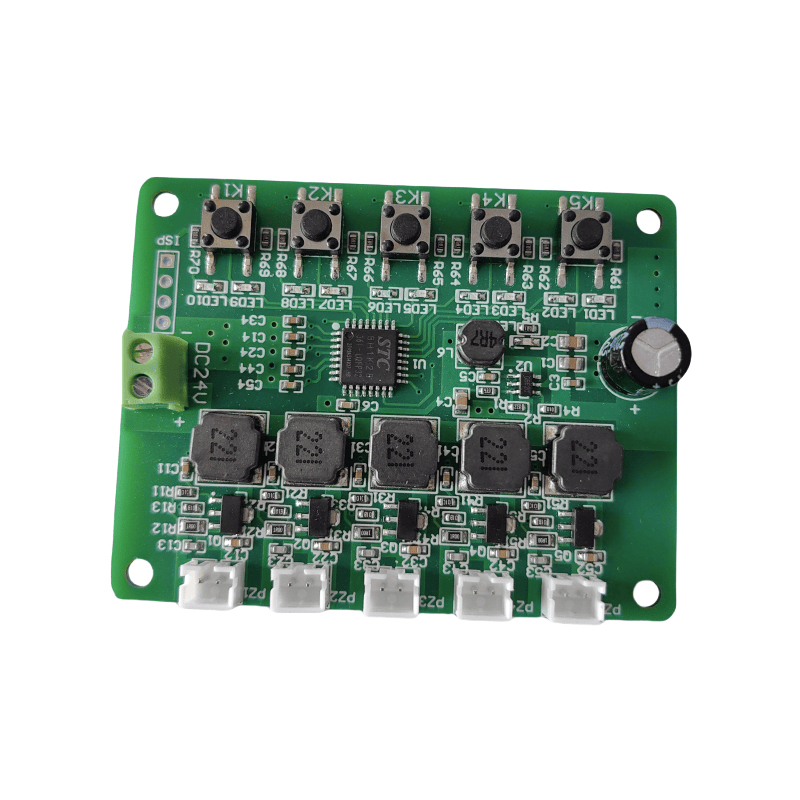
Driver Board For Humidifier Crescent PCB Board Timing 2/4h Function 1.5W
-
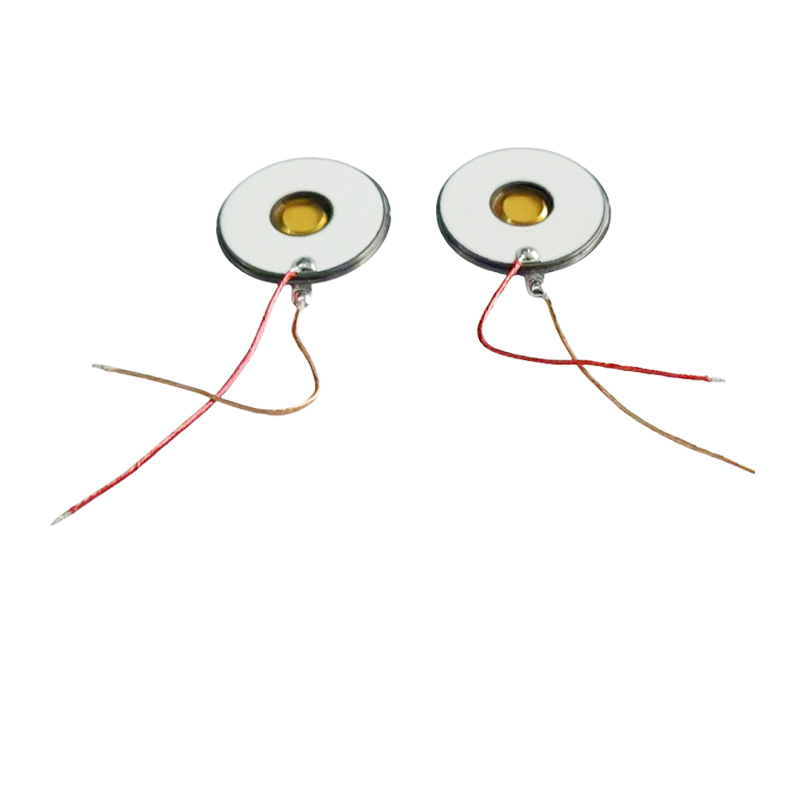
M16-108KHZ Polyimide PI MembraneMesh Micro Mesh NebulizerMedical NebulizerUltrasonic Mesh Nebulizer3μm Microporous Inhalation Nebulizer With Nebulizing DiscPower Consumption1~1.5W
-
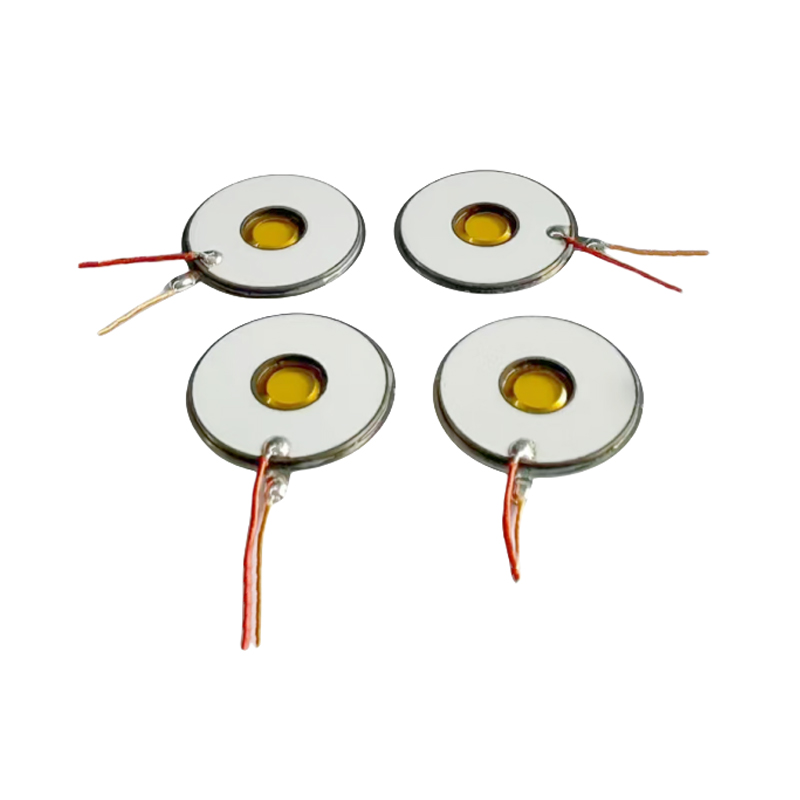
M16-108KHZ Polyimide PI MembraneMesh Micro Mesh NebulizerMedical NebulizerUltrasonic Mesh Nebulizer3μm Microporous Nebulizer Disc For Inhaler Nebulizer
-
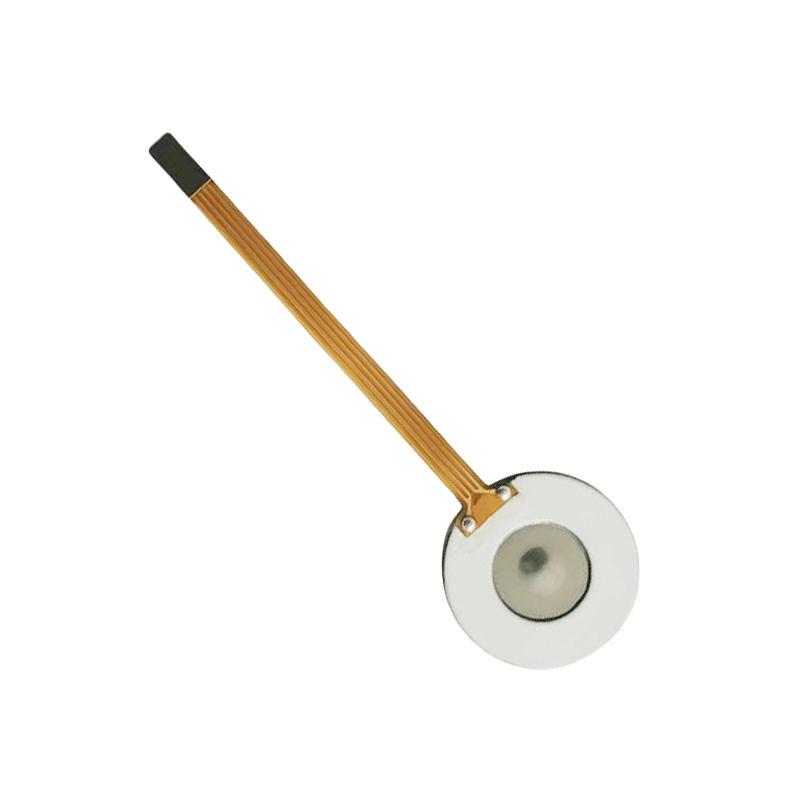
M16-110KHZ Polyimide PI MembraneMesh Micro Mesh NebulizerMedical NebulizerUltrasonic Mesh Nebulizer3μm Microporous Nebulizer Disc For Inhalation Nebulizer
-
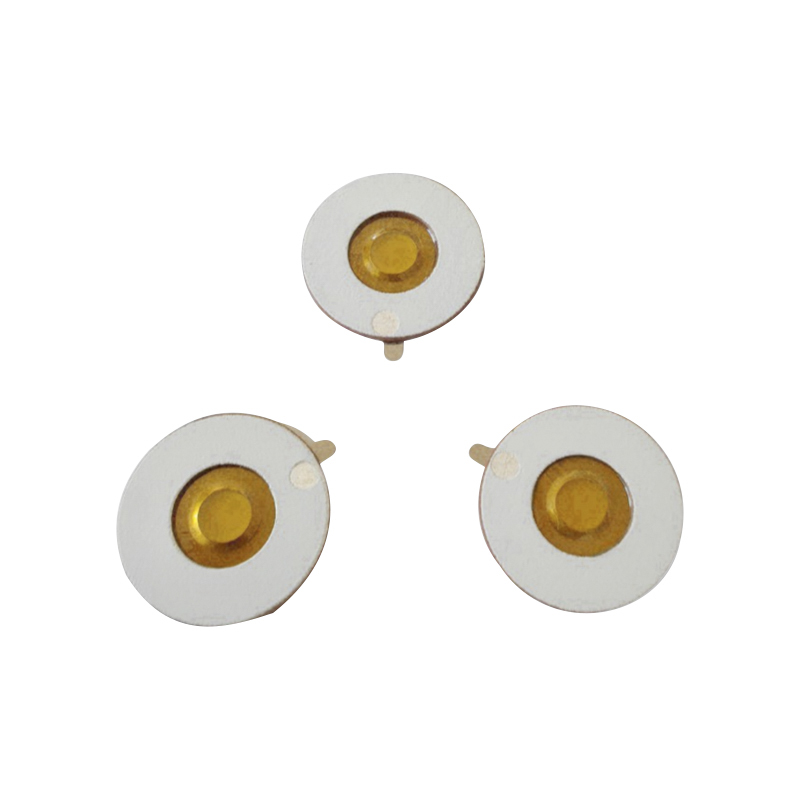
M16-108KHZ Polyimide PI MembraneMesh Micro Mesh NebulizerMedical NebulizerUltrasonic Mesh Nebulizer Tablet3μm Microporous Inhalation Budesonide Nebulizer Tray
- Quick Links
- Product
- About
- Application
- News
- Contact
- Product Links
- Medical Mesh Piezo Atomizer
- Polymer PI Film Piezo Atomizer
- KNN Lead-free Mesh Piezo Atomizer
- PI Lead Free Mesh Zeroing Chip
- Micro-mesh Piezo Atomizer For Heater
- Piezo Atomizer For Fan/Humidification/Beauty
- Ultrasonic Atomizing Transducer
- Ultrasonic High-frequency Piezo Atomizer
- Power Generation/Heating Sensor Piezo Atomizer
- Medical Piezo Atomizer PCB Design
- Precision Laser Micro-hole Processing Technology
- Contact
-
Building 1, Fortune Star 2, No.311 Huanzhen North Road, Chang'an Town, Haining City, Zhejiang Province, China.

-
+86-18006619680

-
+86-13777879680

-
Felix@saidapiezo.com

riney@saidapiezo.com
yugao@saidapiezo.com
emily@saidapiezo.com
dean@saidapiezo.com -
Felix: +86 18157327658

John: +86 18957351358
Emily: +86 18957339358
Dean: +86 15356418868
- Mobile