


 English
 中文简体
中文简体How Are Medical Piezoelectric Ceramic Discs Used in Therapeutic and Diagnostic Applications?
Introduction
Medical piezoelectric ceramic discs are revolutionizing healthcare by providing an essential component in therapeutic and diagnostic equipment. These discs leverage the unique properties of piezoelectric materials to convert mechanical stress into electrical signals and vice versa. This ability makes them invaluable in various medical devices used for ultrasound imaging, atomization therapies, and even the treatment of certain medical conditions.
In this article, we will explore how these discs work, their applications in different therapeutic and diagnostic contexts, and their benefits for medical professionals and patients alike.
What is a Medical Piezoelectric Ceramic Disc?
A medical piezoelectric ceramic disc is a small, specialized component made of piezoelectric ceramics designed to work in the medical field. These discs are typically made from materials such as lead zirconate titanate (PZT) or barium titanate, which exhibit piezoelectric properties—able to generate electric charges when subjected to mechanical stress and vice versa.
How Do Medical Piezoelectric Ceramic Discs Work?
When an electric field is applied to a piezoelectric material, it deforms physically, and when the material is subjected to mechanical pressure, it generates an electrical charge. This property is critical for the operation of many medical devices, where precise, controlled vibrations or signals are necessary for the device’s function.
Therapeutic Applications of Piezoelectric Ceramic Discs
Piezoelectric ceramic discs are used in various therapeutic applications, mainly focused on providing non-invasive treatments. Some of the most common applications include:
1. Ultrasound Therapy
One of the most prevalent therapeutic uses of medical piezoelectric ceramic discs is in ultrasound devices. These discs are used as transducers to emit and receive ultrasonic waves. Ultrasound therapy is commonly used for:
- Pain management
- Tissue healing
- Muscle relaxation
- Reduction of inflammation
By emitting high-frequency sound waves into tissues, ultrasound promotes healing and alleviates pain in targeted areas. The piezoelectric ceramic discs in ultrasound devices act as both the transmitter and receiver of these sound waves.
2. Medical Mesh Piezo Atomizer Discs
Another important application is in medical mesh piezo atomizer discs. These are used in respiratory therapies, where they help in the generation of fine mist or aerosols that can be inhaled directly into the lungs. These atomizer devices are crucial in the delivery of:
- Medication for respiratory conditions (such as asthma or COPD)
- Hydrating treatments for the lungs
- Preventive therapies in certain respiratory diseases
The fine mist produced by these atomizers allows the medication or therapeutic solution to penetrate deeply into the lungs, providing relief to patients in a targeted manner.
3. Piezoelectric Therapy Devices for Wound Healing
Piezoelectric therapy is also being explored for wound healing. The mechanical vibrations generated by piezoelectric discs are thought to stimulate cellular repair processes in tissues, leading to faster and more effective healing. These devices may be used to treat chronic wounds or assist with recovery following surgery or injury.
Diagnostic Applications of Piezoelectric Ceramic Discs
In diagnostic applications, piezoelectric ceramic discs are integral components in imaging devices such as ultrasound machines and other diagnostic imaging equipment. Some notable applications include:
1. Medical Ultrasound Imaging
Medical piezoelectric ceramic discs are a critical component in ultrasound machines used for diagnostic purposes. These discs function as transducers, converting electrical signals into sound waves and vice versa. In ultrasound imaging, these sound waves are used to create images of the internal organs and tissues, which helps physicians identify:
- Tumors
- Cysts
- Pregnancy
- Abnormalities in organ function
The ability to generate and receive sound waves with high precision makes piezoelectric ceramic discs indispensable in modern diagnostic imaging.
2. Echocardiography
In echocardiography, medical piezoelectric ceramic discs are used to generate and detect sound waves that create images of the heart and blood vessels. This non-invasive technique is crucial for diagnosing various heart conditions, such as:
- Heart valve issues
- Heart muscle abnormalities
- Blood clots
- Congenital heart defects
By generating sound waves and interpreting their reflections, piezoelectric discs help in forming a clear picture of the heart’s structure and function.
The Advantages of Medical Piezoelectric Ceramic Discs
1. Precision and Sensitivity
Piezoelectric ceramic discs offer an exceptional level of precision in both diagnostic imaging and therapeutic applications. Their ability to produce and detect even the slightest vibrations or sound waves ensures that treatments and diagnoses are highly accurate.
2. Non-invasive Treatment
Many applications of piezoelectric ceramic discs, such as in ultrasound therapy and medical atomizers, offer non-invasive methods of treatment. This reduces patient discomfort and speeds up recovery times compared to traditional surgical methods.
3. Compact and Reliable
Piezoelectric ceramic discs are relatively small but provide a high level of performance. Their compact size allows them to be integrated into a wide range of medical devices, making them versatile for various therapeutic and diagnostic systems. Additionally, they are known for their durability and long operational life.
4. Safe and Efficient
In terms of safety, medical piezoelectric ceramic discs are highly reliable and do not pose significant risks to patients. They are commonly used in devices that require high-frequency sound waves or mechanical vibrations without causing harm to surrounding tissues.
Comparison of Applications for Piezoelectric Ceramic Discs in Medicine
| Application | Medical Piezoelectric Ceramic Disc Role | Benefits |
|---|---|---|
| Ultrasound Therapy | Emission and reception of high-frequency sound waves | Pain relief, tissue healing, muscle relaxation |
| Medical Mesh Piezo Atomizer | Generation of fine mist for inhalation therapies | Efficient drug delivery to lungs, non-invasive treatment |
| Wound Healing Therapy | Stimulating tissue repair through mechanical vibrations | Faster healing, improved tissue regeneration |
| Ultrasound Imaging | Sound wave transmission and reception for imaging | Non-invasive diagnostic tool for organ and tissue examination |
| Echocardiography | Generating and receiving sound waves for heart imaging | Accurate heart diagnostics, non-invasive evaluation of cardiovascular health |
FAQ
1. How does a medical piezoelectric ceramic disc work in ultrasound therapy?
A piezoelectric ceramic disc in ultrasound therapy emits high-frequency sound waves that penetrate the tissue, aiding in pain relief and enhancing tissue healing. It works as both a transmitter and receiver of sound waves.
2. What is the role of a medical mesh piezo atomizer disc?
A medical mesh piezo atomizer disc is used to generate a fine mist for respiratory therapies, delivering medication directly to the lungs, which is especially beneficial for patients with asthma or COPD.
3. Can piezoelectric ceramic discs be used for non-invasive treatment of wounds?
Yes, piezoelectric ceramic discs are used in therapeutic devices to stimulate cellular activity, aiding in faster wound healing without the need for invasive procedures.
4. What makes piezoelectric ceramic discs ideal for diagnostic imaging?
Piezoelectric ceramic discs are highly sensitive and precise, allowing them to generate and receive sound waves that create detailed images of internal organs, which is essential for accurate diagnostic assessments.
5. Are medical piezoelectric ceramic discs safe for long-term use in medical devices?
Yes, these discs are known for their reliability and safety. They are designed to function effectively over long periods and are commonly used in non-invasive medical treatments and diagnostic devices.
Conclusion
Medical piezoelectric ceramic discs play an integral role in both therapeutic and diagnostic applications. Their ability to generate and respond to mechanical pressure in a precise manner makes them essential in ultrasound therapy, medical atomizers, diagnostic imaging, and even wound healing.
Related Products
-
Humidifier Aromatherapy Humidifier Misting Tray PCB Board USB6V12V24V Five Head PCB Driver Board 10 Head Driver Board
-
Medical Inhalation Nebulizer Respirator Head-mounted Nebulizer PCB Driver B
-
Medical Mesh Atomizer Tray PCB Electronic Smoking Cessation Atomizer PCB Driver Board
-
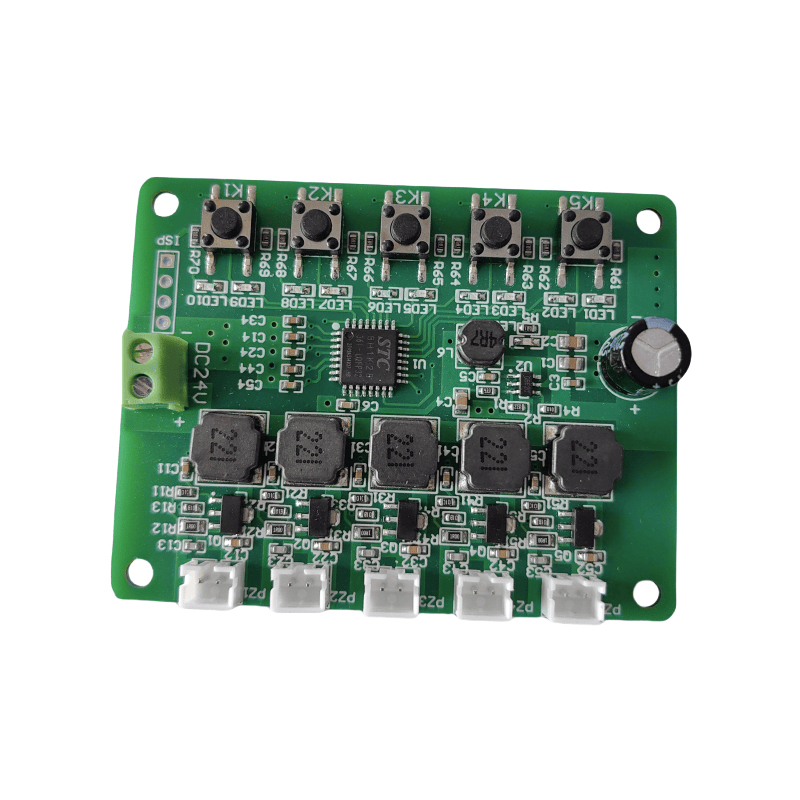
Driver Board For Humidifier Crescent PCB Board Timing 2/4h Function 1.5W
-
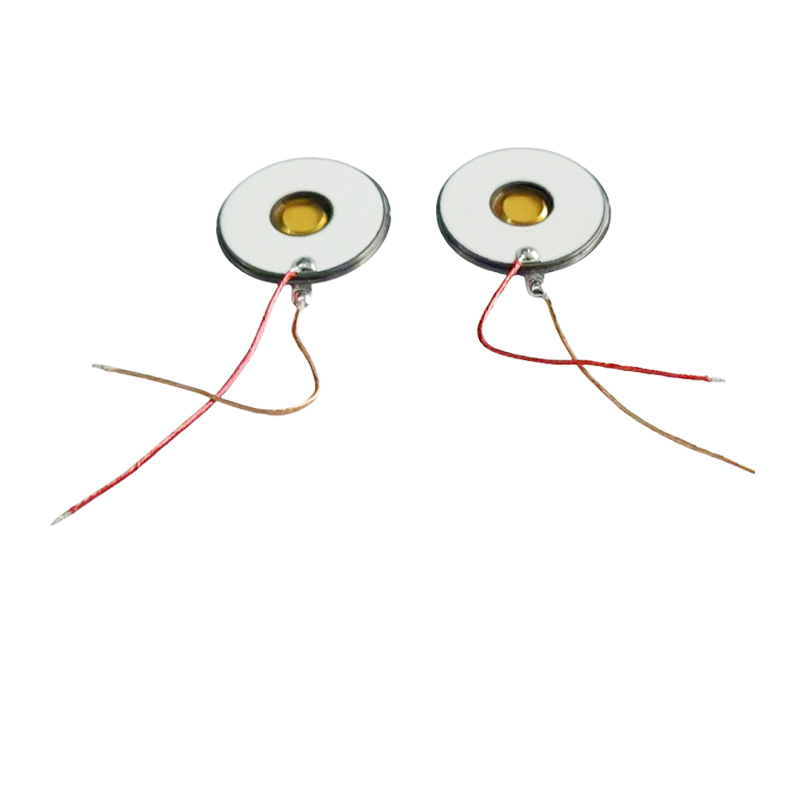
M16-108KHZ Polyimide PI MembraneMesh Micro Mesh NebulizerMedical NebulizerUltrasonic Mesh Nebulizer3μm Microporous Inhalation Nebulizer With Nebulizing DiscPower Consumption1~1.5W
-
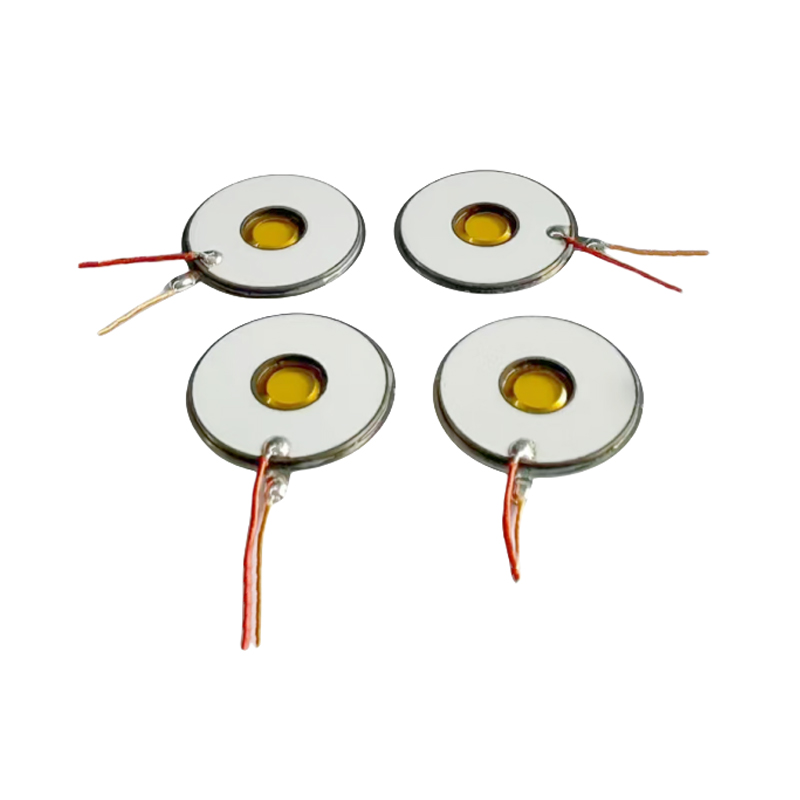
M16-108KHZ Polyimide PI MembraneMesh Micro Mesh NebulizerMedical NebulizerUltrasonic Mesh Nebulizer3μm Microporous Nebulizer Disc For Inhaler Nebulizer
-
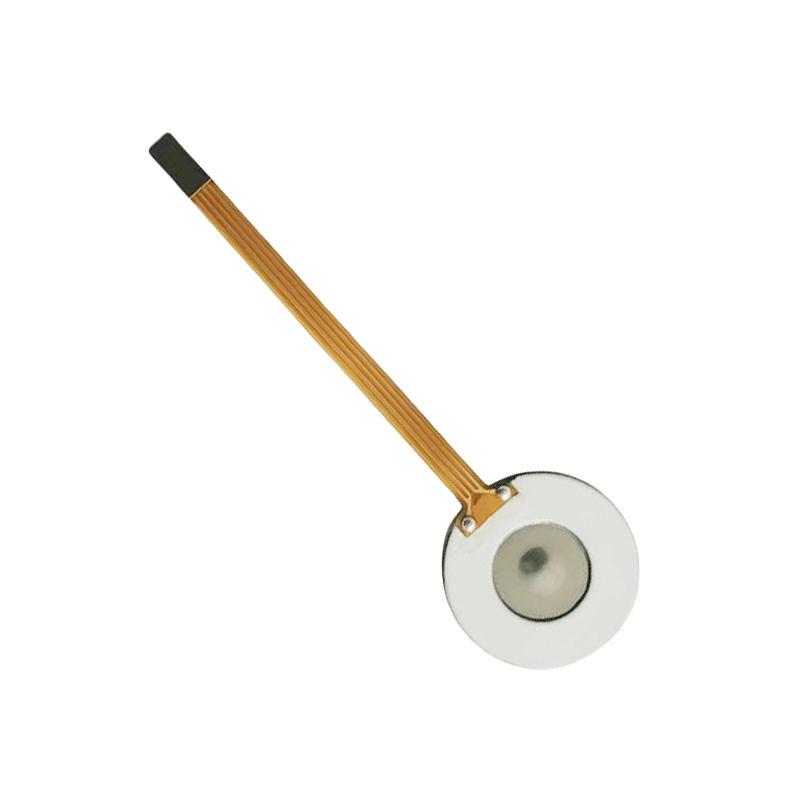
M16-110KHZ Polyimide PI MembraneMesh Micro Mesh NebulizerMedical NebulizerUltrasonic Mesh Nebulizer3μm Microporous Nebulizer Disc For Inhalation Nebulizer
-
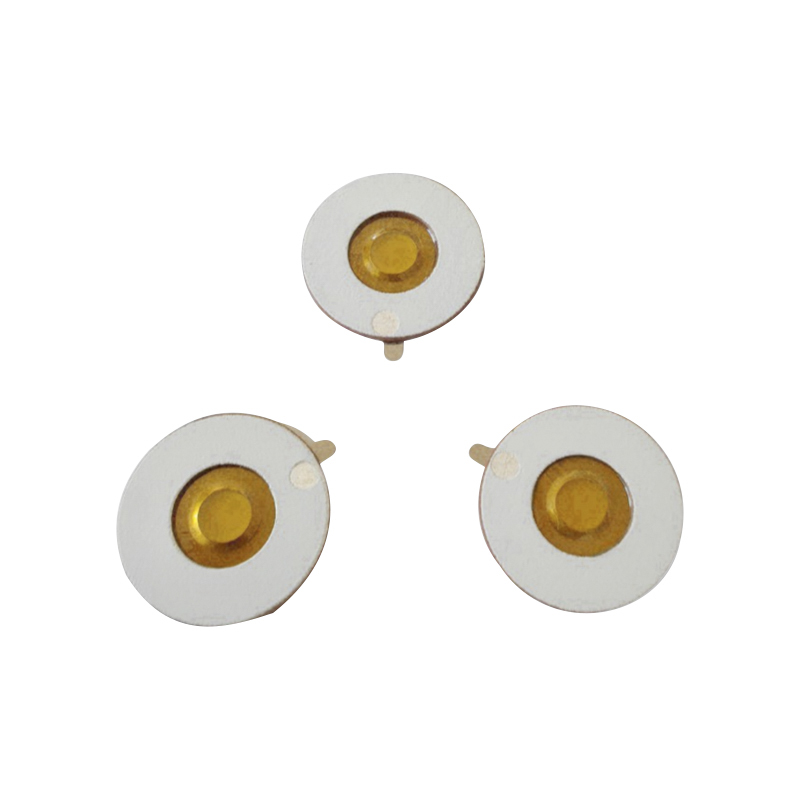
M16-108KHZ Polyimide PI MembraneMesh Micro Mesh NebulizerMedical NebulizerUltrasonic Mesh Nebulizer Tablet3μm Microporous Inhalation Budesonide Nebulizer Tray
- Quick Links
- Product
- About
- Application
- News
- Contact
- Product Links
- Medical Mesh Piezo Atomizer
- Polymer PI Film Piezo Atomizer
- KNN Lead-free Mesh Piezo Atomizer
- PI Lead Free Mesh Zeroing Chip
- Micro-mesh Piezo Atomizer For Heater
- Piezo Atomizer For Fan/Humidification/Beauty
- Ultrasonic Atomizing Transducer
- Ultrasonic High-frequency Piezo Atomizer
- Power Generation/Heating Sensor Piezo Atomizer
- Medical Piezo Atomizer PCB Design
- Precision Laser Micro-hole Processing Technology
- Contact
-
Building 1, Fortune Star 2, No.311 Huanzhen North Road, Chang'an Town, Haining City, Zhejiang Province, China.

-
+86-18006619680

-
+86-13777879680

-
Felix@saidapiezo.com

riney@saidapiezo.com
yugao@saidapiezo.com
emily@saidapiezo.com
dean@saidapiezo.com -
Felix: +86 18157327658

John: +86 18957351358
Emily: +86 18957339358
Dean: +86 15356418868
- Mobile