


 English
 中文简体
中文简体Introduction
Aerosol systems are widely used across multiple industries where controlled spray performance is essential, including healthcare delivery, industrial coating, environmental humidification, and precision dispensing. As performance demands increase, traditional atomization methods often struggle to maintain consistent droplet size, energy efficiency, and operational stability.
In this context, piezo atomization technology has emerged as a highly efficient alternative. At the core of this innovation is the piezo atomization chip, which enables precise vibration-driven liquid dispersion without relying on high pressure or thermal energy. This shift in mechanism fundamentally changes how aerosol systems generate and control droplets.
Working Principle of Piezo Atomization Technology
Piezo atomization operates through piezoelectric materials that deform under electrical stimulation. This deformation generates high-frequency mechanical vibrations, which are transmitted to a liquid interface. As a result, liquid is broken into fine, uniform droplets.
Unlike conventional methods that depend on pressure nozzles or heat, this approach minimizes mechanical stress and thermal degradation, making it suitable for sensitive formulations and precision applications.
Key operational characteristics include:
- Low energy input requirement
- High-frequency vibration control
- Uniform droplet generation
- Minimal heat impact on liquid substances
The integration of a piezo atomization chip allows compact system design while maintaining high atomization efficiency.
Core Advantages in Aerosol System Performance
The enhancement provided by piezo-based atomization can be analyzed across several performance dimensions:
Droplet Size Precision
One of the most significant improvements is the ability to produce highly uniform droplet sizes. This ensures consistent distribution patterns and improves deposition accuracy in target applications.
Energy Efficiency
Because the system relies on electrical vibration rather than pressure generation or heating, overall energy consumption is significantly reduced. This makes it suitable for portable and continuous-use systems.
Stability and Control
The atomization process can be finely tuned by adjusting frequency and voltage parameters. This enables real-time control over spray intensity and output consistency.
Material Compatibility
Sensitive liquids, including biochemical solutions or volatile compounds, benefit from non-thermal atomization, reducing the risk of degradation.
Performance Comparison Overview
| Performance Factor | Traditional Atomization Systems | Piezo Atomization Systems |
|---|---|---|
| Droplet Uniformity | Moderate to low consistency | High precision control |
| Energy Consumption | Relatively high | Low and efficient |
| Thermal Impact | Possible heat exposure | Minimal thermal effect |
| System Size | Often bulky | Compact integration |
| Operational Noise | Noticeable vibration/noise | Low noise operation |
This comparison highlights how piezo atomization technology improves both functional performance and system design flexibility.
Role of the Piezo Atomization Chip in System Design
The piezo atomization chip is the central component that defines system efficiency and output quality. Its micro-scale engineering allows for:
- Precise vibration frequency tuning
- Stable long-term performance under continuous operation
- Compatibility with miniaturized aerosol devices
- Enhanced response speed for dynamic control systems
By integrating this chip into aerosol systems, manufacturers can significantly improve both performance consistency and structural compactness.
Application-Level Performance Enhancements
In modern aerosol system design, performance improvement is not limited to atomization quality alone. Piezo-based systems also enhance broader operational characteristics:
Improved Dispersion Efficiency
Fine droplet control ensures that substances are evenly distributed, reducing waste and improving coverage effectiveness.
Reduced Maintenance Requirements
With fewer mechanical moving parts compared to pressure-based systems, wear and tear is significantly reduced, leading to lower maintenance cycles.
Enhanced System Responsiveness
Rapid electrical control enables near-instant adjustments in spray output, making the system suitable for dynamic operational environments.
Technical Considerations in System Integration
While piezo atomization technology offers clear advantages, successful implementation depends on careful system design. Key factors include:
- Frequency calibration for optimal droplet formation
- Material selection for long-term piezo stability
- Electrical control precision for output consistency
- Fluid viscosity compatibility assessment
Proper optimization ensures that the full potential of the technology is realized without compromising reliability.
Conclusion
Piezo atomization technology represents a significant advancement in aerosol system engineering. By replacing pressure-based mechanisms with controlled piezoelectric vibration, it delivers superior droplet precision, reduced energy consumption, and improved system stability.
At the heart of this transformation, the piezo atomization chip enables compact, efficient, and highly controllable atomization processes.
Related Products
-
Humidifier Aromatherapy Humidifier Misting Tray PCB Board USB6V12V24V Five Head PCB Driver Board 10 Head Driver Board
-
Medical Inhalation Nebulizer Respirator Head-mounted Nebulizer PCB Driver B
-
Medical Mesh Atomizer Tray PCB Electronic Smoking Cessation Atomizer PCB Driver Board
-
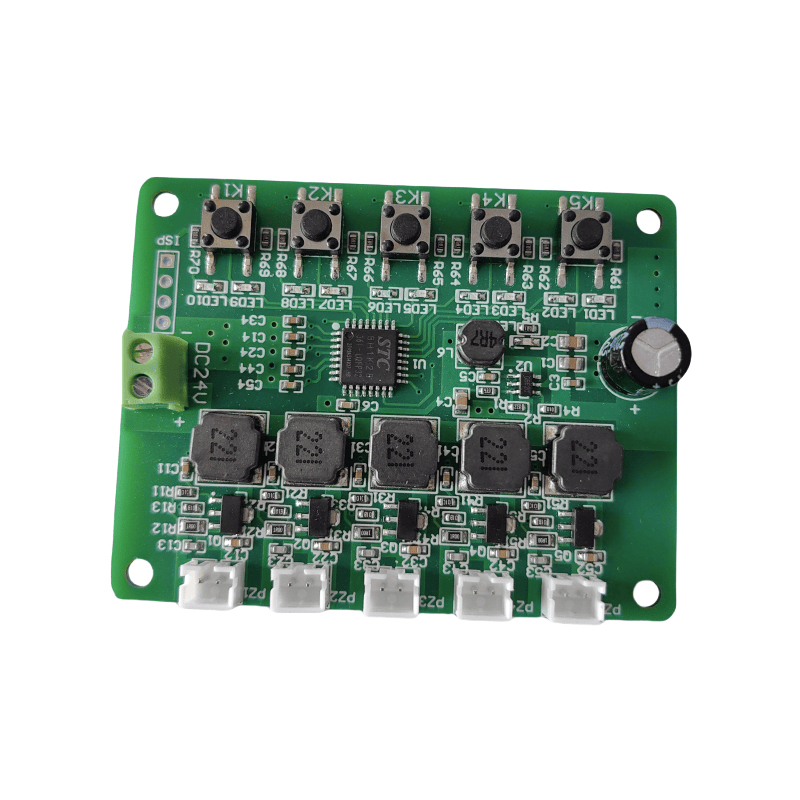
Driver Board For Humidifier Crescent PCB Board Timing 2/4h Function 1.5W
-
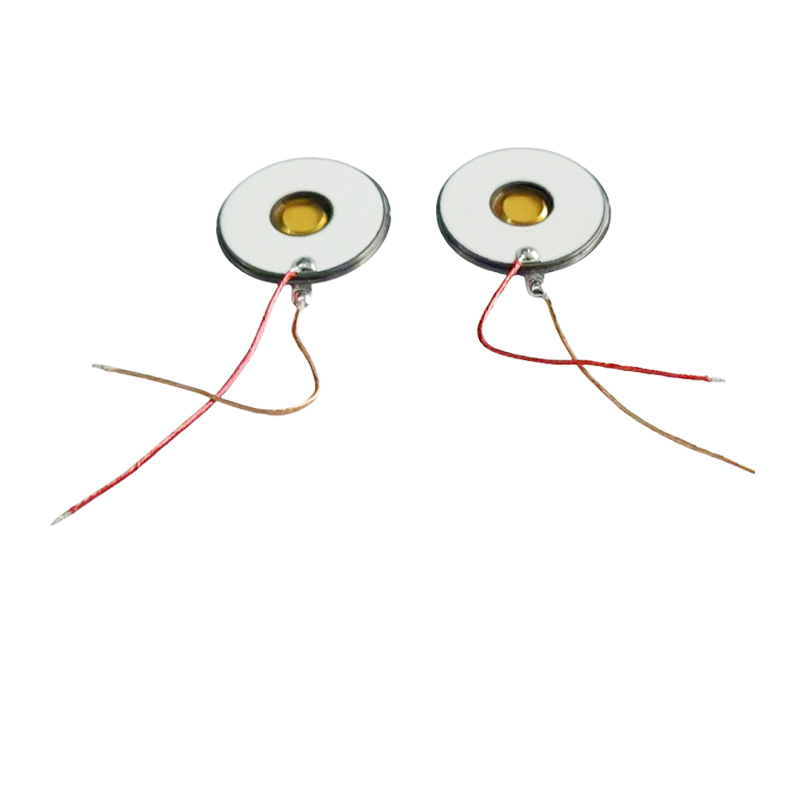
M16-108KHZ Polyimide PI MembraneMesh Micro Mesh NebulizerMedical NebulizerUltrasonic Mesh Nebulizer3μm Microporous Inhalation Nebulizer With Nebulizing DiscPower Consumption1~1.5W
-
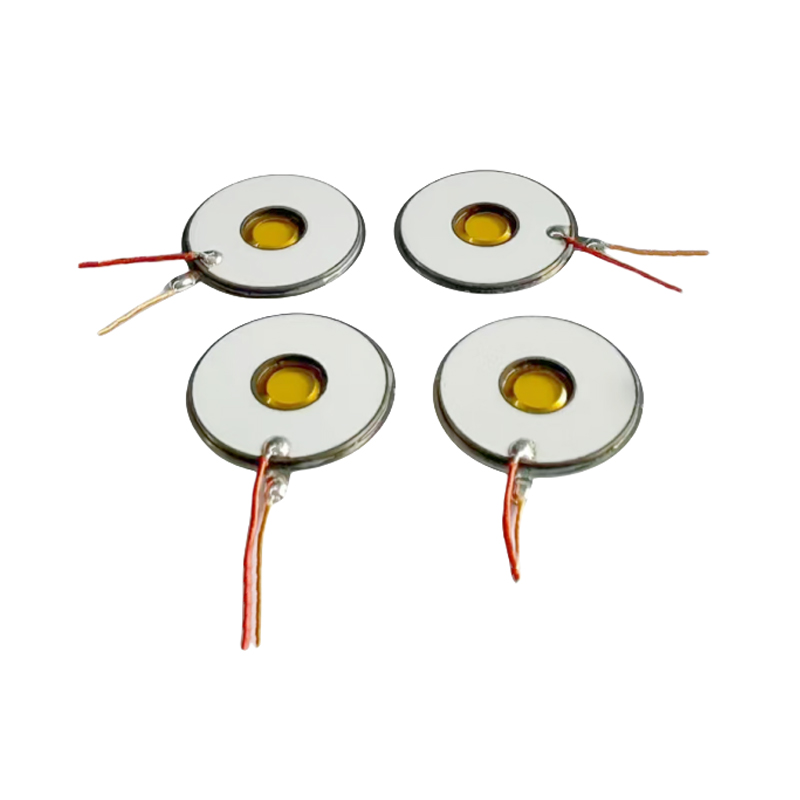
M16-108KHZ Polyimide PI MembraneMesh Micro Mesh NebulizerMedical NebulizerUltrasonic Mesh Nebulizer3μm Microporous Nebulizer Disc For Inhaler Nebulizer
-
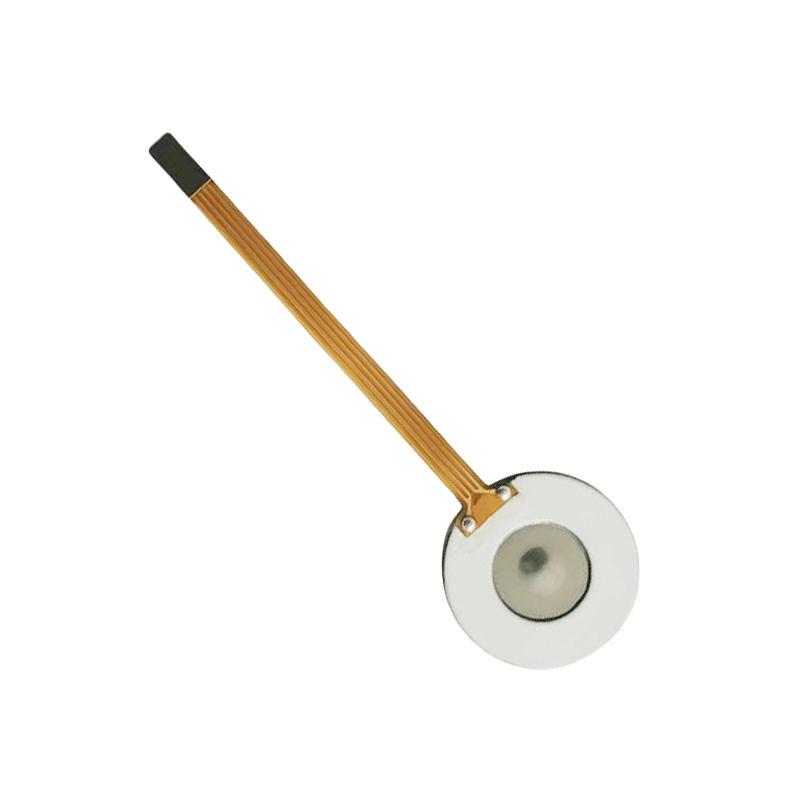
M16-110KHZ Polyimide PI MembraneMesh Micro Mesh NebulizerMedical NebulizerUltrasonic Mesh Nebulizer3μm Microporous Nebulizer Disc For Inhalation Nebulizer
-
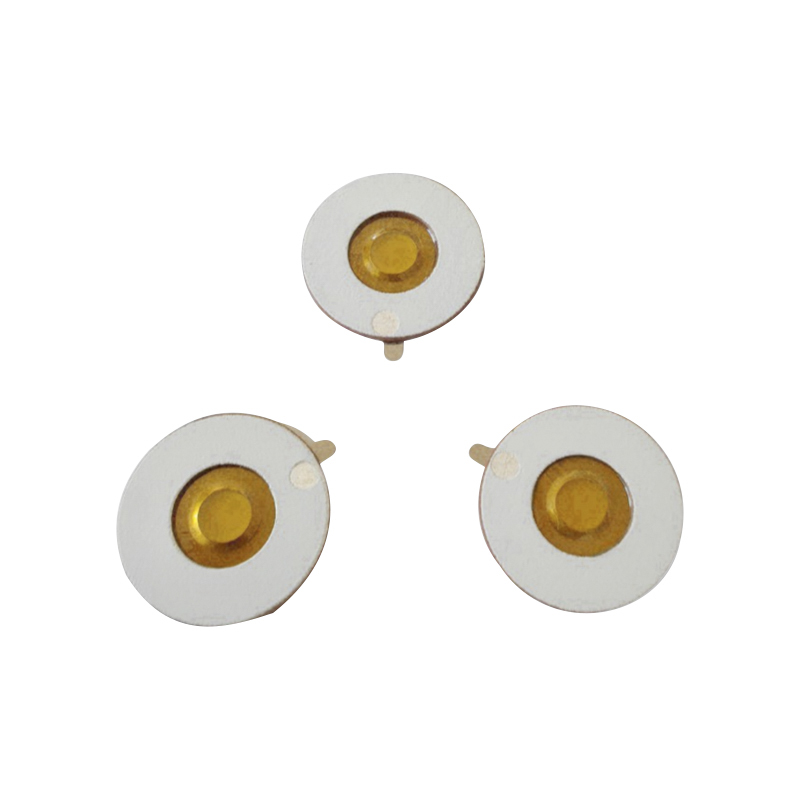
M16-108KHZ Polyimide PI MembraneMesh Micro Mesh NebulizerMedical NebulizerUltrasonic Mesh Nebulizer Tablet3μm Microporous Inhalation Budesonide Nebulizer Tray
- Quick Links
- Product
- About
- Application
- News
- Contact
- Product Links
- Medical Mesh Piezo Atomizer
- Polymer PI Film Piezo Atomizer
- KNN Lead-free Mesh Piezo Atomizer
- PI Lead Free Mesh Zeroing Chip
- Micro-mesh Piezo Atomizer For Heater
- Piezo Atomizer For Fan/Humidification/Beauty
- Ultrasonic Atomizing Transducer
- Ultrasonic High-frequency Piezo Atomizer
- Power Generation/Heating Sensor Piezo Atomizer
- Medical Piezo Atomizer PCB Design
- Precision Laser Micro-hole Processing Technology
- Contact
-
Building 1, Fortune Star 2, No.311 Huanzhen North Road, Chang'an Town, Haining City, Zhejiang Province, China.

-
+86-18006619680

-
+86-13777879680

-
Felix@saidapiezo.com

riney@saidapiezo.com
yugao@saidapiezo.com
emily@saidapiezo.com
dean@saidapiezo.com -
Felix: +86 18157327658

John: +86 18957351358
Emily: +86 18957339358
Dean: +86 15356418868
- Mobile