


 English
 中文简体
中文简体How Do Medical Piezoelectric Ceramic Discs Benefit Patients in Non-Invasive Treatments?
Introduction to Medical Piezoelectric Ceramic Discs
In recent years, advancements in non-invasive medical treatments have led to the introduction of innovative technologies that offer patients effective and minimally disruptive solutions. One such breakthrough is the medical piezoelectric ceramic disc, which plays a crucial role in a variety of non-invasive treatment modalities. These discs, commonly used in applications such as atomization therapy, pain management, and tissue stimulation, offer several advantages over traditional treatments.
Medical piezoelectric ceramic discs harness the power of piezoelectricity — the ability of certain materials to generate an electrical charge when subjected to mechanical stress. This phenomenon is utilized to produce controlled vibrations, which are key to non-invasive therapeutic procedures.
What is a Medical Piezoelectric Ceramic Disc?
A medical piezoelectric ceramic disc is a thin, circular ceramic element made from materials such as lead zirconate titanate (PZT). These discs are designed to convert electrical energy into mechanical vibrations when an electric charge is applied. The mechanical vibrations generated are highly controlled, making them ideal for medical applications that require precision, such as atomization therapy, tissue stimulation, and ultrasound therapy.
Piezoelectric ceramic discs are valued for their ability to deliver targeted mechanical energy without causing significant harm to the body, making them essential in non-invasive treatments. These discs are incorporated into various medical devices, from nebulizers and atomizers to therapeutic ultrasound devices, and they enable treatments that can stimulate tissues, break down medications into fine mist, or even aid in healing processes.
How Do Medical Piezoelectric Ceramic Discs Benefit Non-Invasive Treatments?
Minimizing Discomfort and Reducing Risks
Non-invasive treatments that employ medical piezoelectric ceramic discs offer several advantages over traditional invasive methods, particularly in terms of patient comfort. Since the discs create vibrations without the need for incisions or injections, patients experience little to no discomfort during the treatment process. This significantly reduces the risk of infection, scarring, and other complications associated with invasive procedures.
Additionally, non-invasive treatments involving piezoelectric ceramic discs are generally safer, as they avoid the risks of anesthesia and the potential for surgical errors. These benefits make such treatments an attractive option for patients seeking effective yet gentle solutions.
Precision and Targeted Treatment
Piezoelectric ceramic discs are engineered to generate highly controlled and focused vibrations. This precision makes them ideal for targeting specific areas of the body with minimal collateral effects. For instance, in the case of nebulizers used for respiratory treatments, the piezoelectric disc ensures that medication is atomized into a fine mist, delivering the right dosage to the right area of the lungs.
The ability to direct mechanical energy accurately helps enhance the effectiveness of the treatment. It also reduces the need for large doses of medication, which can be beneficial for patients with allergies or sensitivities to drugs.
Applications in Pain Management
Piezoelectric ceramic discs are commonly used in non-invasive pain management techniques. Through the precise application of vibrational energy, these discs can help stimulate the body’s natural healing processes, reduce inflammation, and promote tissue repair. For instance, in low-frequency ultrasound therapy, the vibrations created by the piezoelectric disc can penetrate deep into tissues, alleviating pain and improving blood circulation.
This method of pain management offers significant advantages over oral medications or injections, as it does not carry the risks of side effects, dependency, or adverse reactions.
Supporting Drug Delivery and Atomization
Another major benefit of medical piezoelectric ceramic discs is their role in drug delivery systems. Medical mesh piezo atomizer discs, for example, are utilized in atomization devices to turn liquid medications into fine aerosolized droplets that can be easily inhaled or absorbed through the skin. This non-invasive delivery method is particularly useful for patients who may have difficulty swallowing pills or receiving injections.
In respiratory treatments, piezoelectric ceramic discs enable the delivery of precise doses of medication to the lungs, improving the efficacy of treatments for conditions like asthma, chronic obstructive pulmonary disease (COPD), and pneumonia. In addition, the high precision of piezoelectric devices ensures that patients receive accurate doses, reducing the likelihood of over- or under-dosing.
Promoting Wound Healing
The application of piezoelectric ceramic discs in wound healing therapies is another area where they offer substantial benefits. By generating mechanical vibrations at low frequencies, these discs can stimulate cellular activity, promote blood flow, and accelerate the healing process in patients with chronic wounds or injuries. This non-invasive approach can help speed up recovery times, reduce scarring, and improve overall outcomes.
In addition to promoting tissue repair, the vibrations from the piezoelectric disc may help reduce the pain and discomfort associated with chronic wounds. This is particularly valuable for elderly patients or those with compromised immune systems who may be more susceptible to infections from invasive treatments.
Key Benefits of Medical Piezoelectric Ceramic Discs
| Benefit | Description |
|---|---|
| Minimized Patient Discomfort | Provides non-invasive treatments that reduce pain and eliminate the risks of infection or scarring. |
| Precise Targeting | Delivers accurate mechanical vibrations, ensuring treatments are focused on specific areas of the body. |
| Effective Pain Management | Stimulates natural healing processes and improves circulation without the need for medication. |
| Non-Invasive Drug Delivery | Atomizes liquid medication into fine droplets, allowing for efficient and safe inhalation or absorption. |
| Wound Healing Support | Accelerates tissue repair and promotes faster recovery by stimulating cellular activity and circulation. |
Conclusion
The introduction of medical piezoelectric ceramic discs in non-invasive treatments marks a significant step forward in the field of healthcare. These discs offer numerous benefits, including reduced patient discomfort, enhanced precision, and improved treatment outcomes. From pain management to drug delivery and wound healing, the applications of piezoelectric ceramic discs in medicine continue to grow, offering patients safer, more effective, and minimally disruptive options for their healthcare needs.
FAQ
1. What are medical piezoelectric ceramic discs used for?
Medical piezoelectric ceramic discs are primarily used in non-invasive treatments, such as atomization therapy, pain management, and tissue stimulation. They are also utilized in drug delivery systems and wound healing therapies.
2. How do medical piezoelectric ceramic discs work?
These discs generate mechanical vibrations when an electrical charge is applied to them. The vibrations are then used to deliver precise, targeted treatments to the body without the need for invasive procedures.
3. Are medical piezoelectric ceramic discs safe for patients?
Yes, these discs are designed for non-invasive use, making them safer than traditional invasive treatments. They help reduce the risks of infection, scarring, and complications associated with surgical procedures.
4. What advantages do piezoelectric ceramic discs offer over traditional treatments?
Piezoelectric ceramic discs offer precision, reduced discomfort, and faster recovery times. They also minimize the need for medication, providing a safer and more targeted approach to treatment.
5. How are piezoelectric ceramic discs used in drug delivery systems?
In drug delivery systems, piezoelectric ceramic discs are used in atomizers to turn liquid medications into fine droplets, which can be inhaled or absorbed through the skin. This allows for more efficient and non-invasive medication delivery.
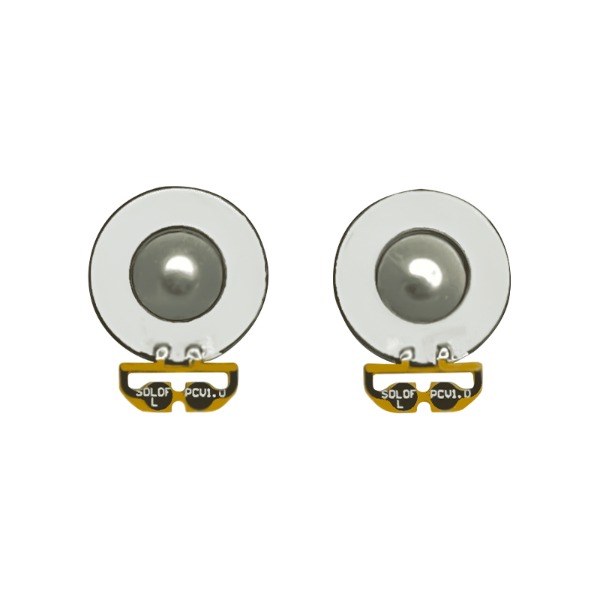
Related Products
-
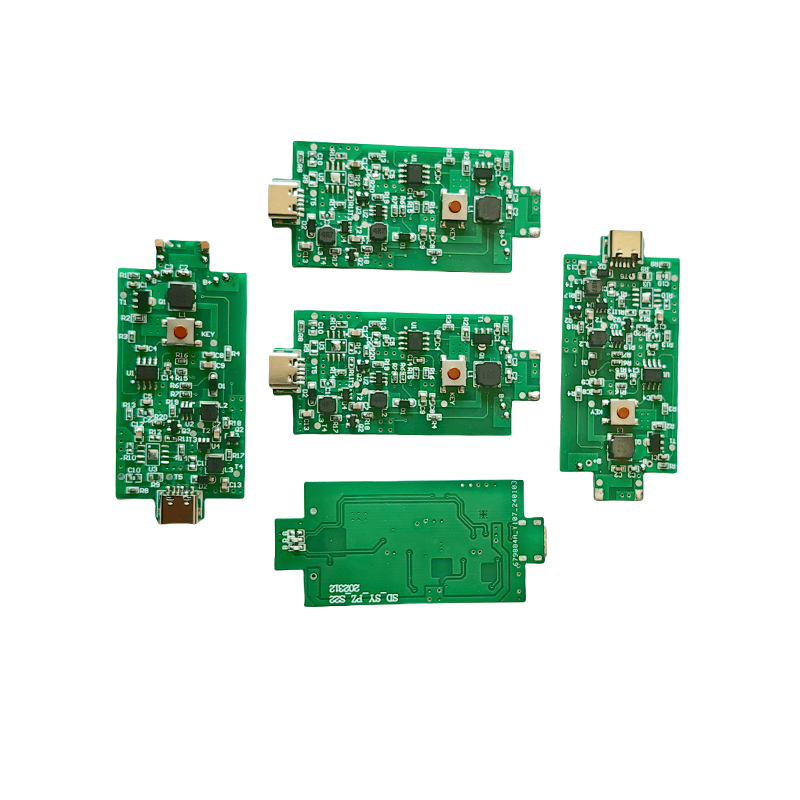
Humidifier Aromatherapy Humidifier Misting Tray PCB Board USB6V12V24V Five Head PCB Driver Board 10 Head Driver Board
-
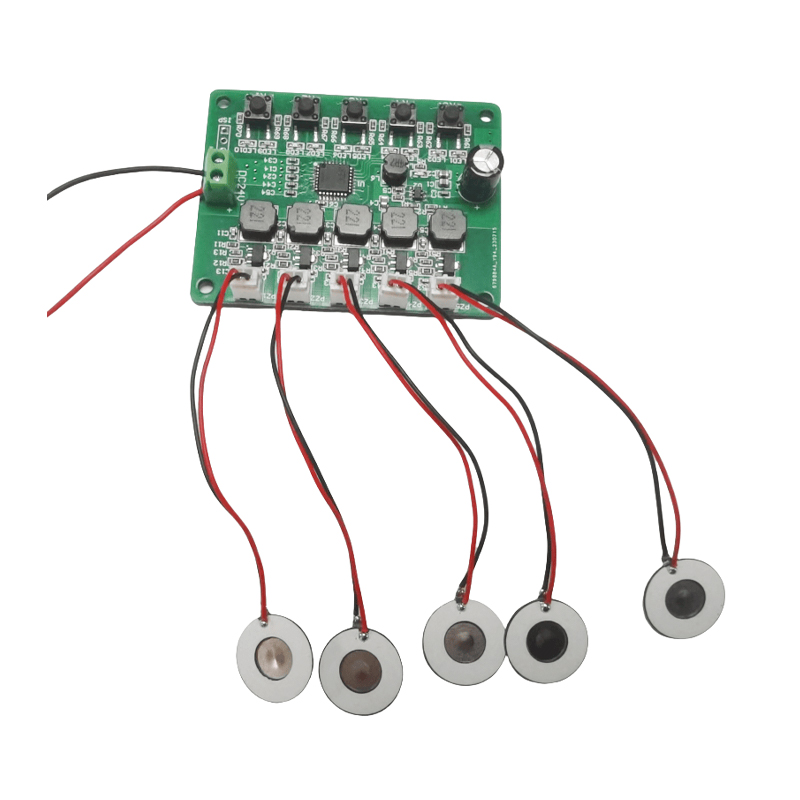
Medical Inhalation Nebulizer Respirator Head-mounted Nebulizer PCB Driver B
-
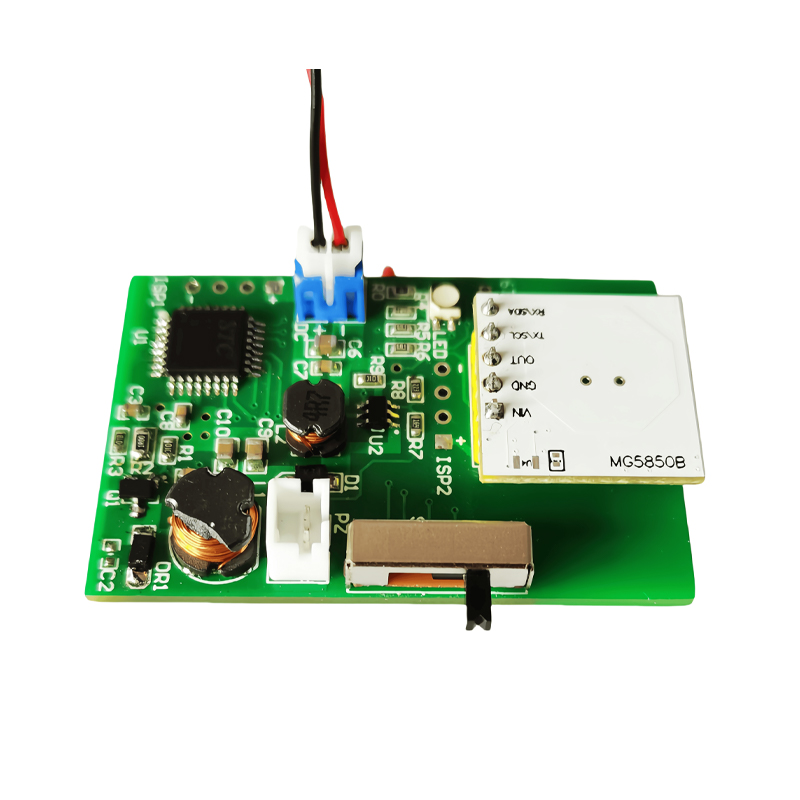
Medical Mesh Atomizer Tray PCB Electronic Smoking Cessation Atomizer PCB Driver Board
-
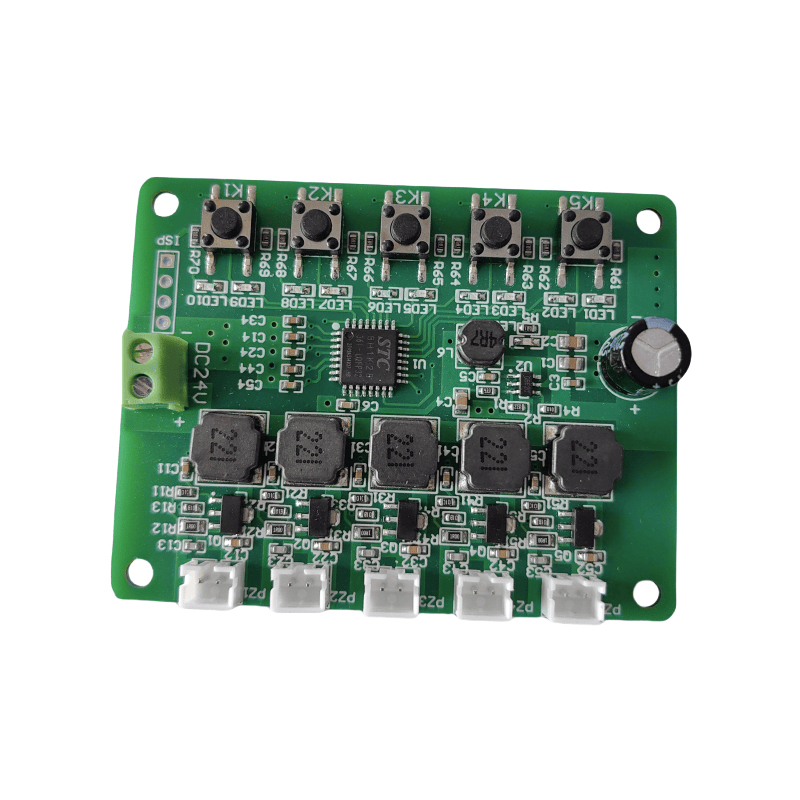
Driver Board For Humidifier Crescent PCB Board Timing 2/4h Function 1.5W
-
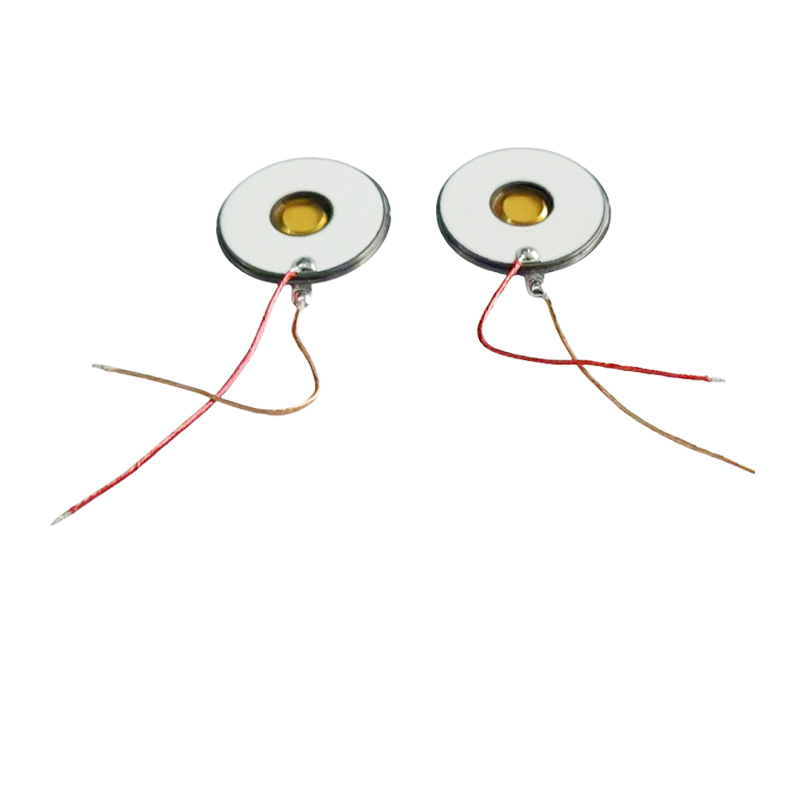
M16-108KHZ Polyimide PI MembraneMesh Micro Mesh NebulizerMedical NebulizerUltrasonic Mesh Nebulizer3μm Microporous Inhalation Nebulizer With Nebulizing DiscPower Consumption1~1.5W
-
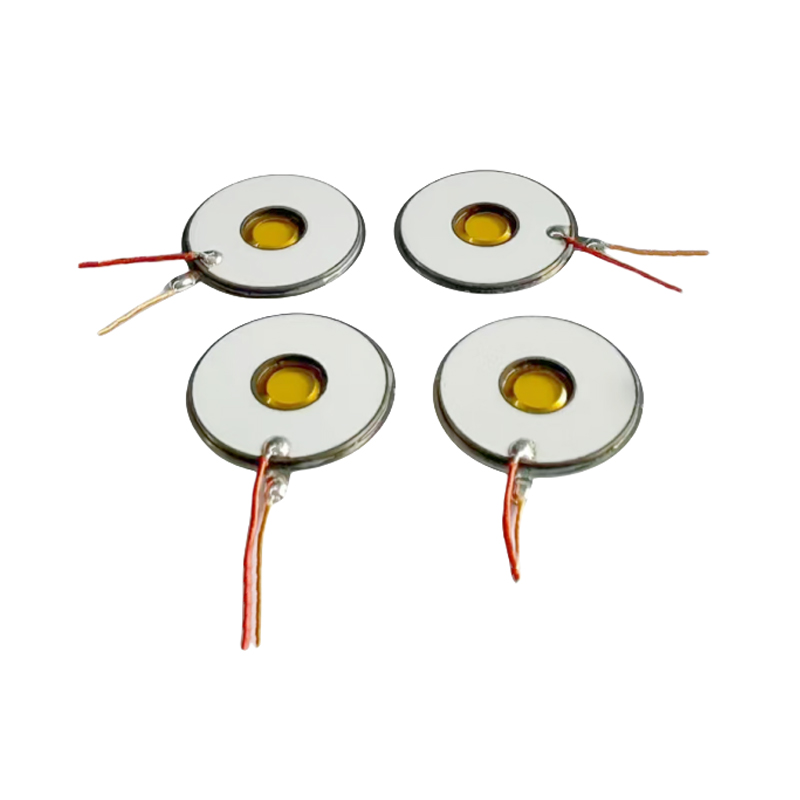
M16-108KHZ Polyimide PI MembraneMesh Micro Mesh NebulizerMedical NebulizerUltrasonic Mesh Nebulizer3μm Microporous Nebulizer Disc For Inhaler Nebulizer
-
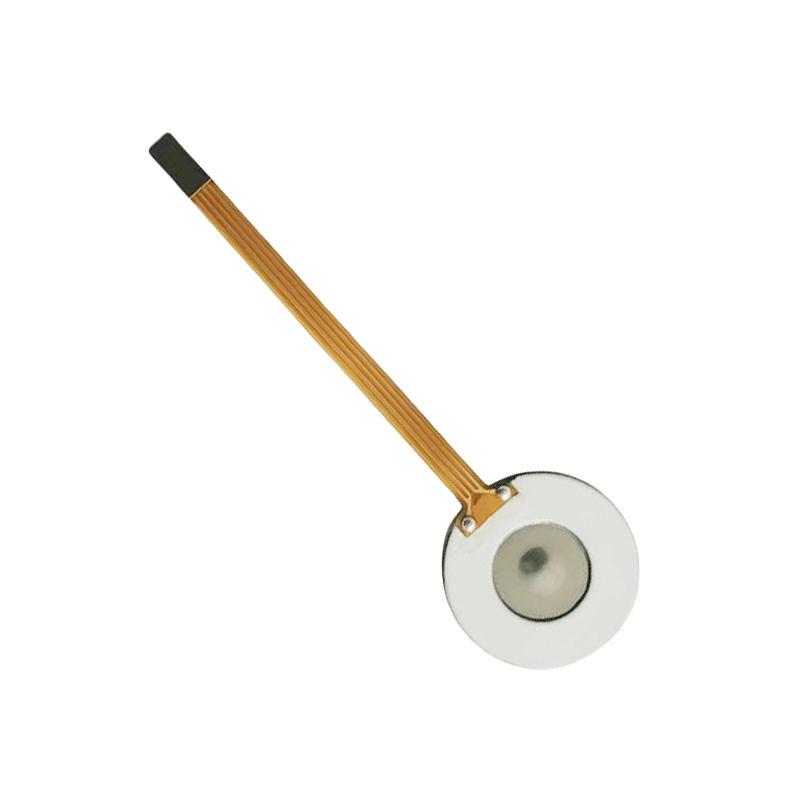
M16-110KHZ Polyimide PI MembraneMesh Micro Mesh NebulizerMedical NebulizerUltrasonic Mesh Nebulizer3μm Microporous Nebulizer Disc For Inhalation Nebulizer
-
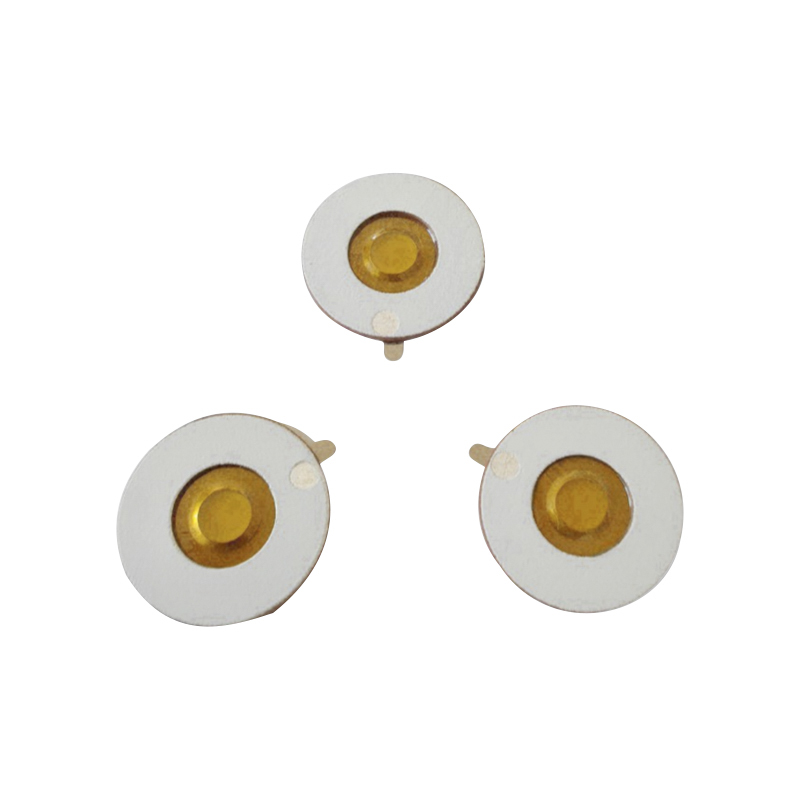
M16-108KHZ Polyimide PI MembraneMesh Micro Mesh NebulizerMedical NebulizerUltrasonic Mesh Nebulizer Tablet3μm Microporous Inhalation Budesonide Nebulizer Tray
- Quick Links
- Product
- About
- Application
- News
- Contact
- Product Links
- Medical Mesh Piezo Atomizer
- Polymer PI Film Piezo Atomizer
- KNN Lead-free Mesh Piezo Atomizer
- PI Lead Free Mesh Zeroing Chip
- Micro-mesh Piezo Atomizer For Heater
- Piezo Atomizer For Fan/Humidification/Beauty
- Ultrasonic Atomizing Transducer
- Ultrasonic High-frequency Piezo Atomizer
- Power Generation/Heating Sensor Piezo Atomizer
- Medical Piezo Atomizer PCB Design
- Precision Laser Micro-hole Processing Technology
- Contact
-
Building 1, Fortune Star 2, No.311 Huanzhen North Road, Chang'an Town, Haining City, Zhejiang Province, China.

-
+86-18006619680

-
+86-13777879680

-
Felix@saidapiezo.com

riney@saidapiezo.com
yugao@saidapiezo.com
emily@saidapiezo.com
dean@saidapiezo.com -
Felix: +86 18157327658

John: +86 18957351358
Emily: +86 18957339358
Dean: +86 15356418868
- Mobile