


 English
 中文简体
中文简体Mesh Discs Enable Precise, High-Efficiency Aerosolization
Mesh discs in nebulizer nozzles support efficient drug delivery by generating fine, consistent aerosol particles (1–5 µm) with minimal residual volume (< 0.2 mL) and high lung deposition rates (up to 80% of emitted dose). Unlike jet nebulizers that rely on high gas flows and often waste medication, vibrating mesh technology actively pumps the liquid through thousands of precision-engineered microscopic holes. This results in shorter treatment times (3–7 minutes) and near-complete drug utilization, making mesh discs a cornerstone of modern targeted pulmonary therapy.
Fundamental Mechanism: How Mesh Discs Generate Therapeutic Aerosols
A nebulizer nozzle mesh disc consists of a thin metal or polymer membrane with hundreds to thousands of tapered apertures. When a piezoelectric element vibrates at high frequency (typically 100–150 kHz), the mesh disc flexes and pumps the liquid drug formulation through the holes. This action produces a slow-moving, dense aerosol cloud with exceptionally uniform droplet diameters.
Key Physical Parameters for Efficiency
- Hole diameter range: 2–8 µm – directly controls the mass median aerodynamic diameter (MMAD) of the aerosol.
- Open area ratio: Typically 5–15% – balances aerosol output rate with droplet size consistency.
- Vibration frequency accuracy: Within ±2% – ensures stable aerosolization across different drug viscosities.
Data-Driven Performance Advantages Over Conventional Nebulizers
Comparative studies consistently show that mesh-disc nebulizers outperform jet and ultrasonic devices in key drug delivery metrics. The table below summarizes typical values from controlled in-vitro experiments using common bronchodilators.
| Parameter | Jet Nebulizer | Ultrasonic Nebulizer | Mesh Disc (Vibrating) |
|---|---|---|---|
| Residual volume (mL) | 0.8–1.5 | 0.5–1.0 | < 0.2 |
| Lung deposition (% of nominal dose) | 10–20% | 15–25% | 40–80% |
| Treatment time (for 2.5 mg dose) | 8–15 min | 6–10 min | 3–7 min |
| MMAD (µm) reproducibility | CV > 15% | CV 10–15% | CV < 8% |
The 80% lung deposition figure is achievable with optimized mesh discs and breath-enhanced modes, representing a near fourfold increase compared to basic jet nebulizers. This directly translates to lower systemic side effects and better therapeutic outcomes.
Critical Factors in Mesh Disc Design That Affect Drug Delivery
1. Aperture Geometry and Taper Angle
Most efficient mesh discs use an inlet diameter 2–3 times larger than the outlet. This funnel-shaped taper prevents clogging and reduces shear stress on sensitive biologic drugs (e.g., monoclonal antibodies or nucleic acids). Data shows that a 15° taper angle reduces protein aggregation by over 60% compared to straight-walled holes.
2. Material Selection and Surface Coating
Electroformed nickel or palladium-coated mesh discs offer 5–10x longer lifespan than uncoated polymer meshes. Hydrophilic coatings (contact angle < 30°) reduce drug adsorption and improve dose consistency across multiple uses. In repeated-dose studies, coated discs maintained 97% of initial output rate after 30 cycles, while uncoated discs dropped to 82%.
3. Vibration Amplitude Control
Closed-loop feedback systems that monitor mesh impedance can adjust amplitude in real time. This ensures constant aerosolization even when drug viscosity changes with temperature or concentration. Studies indicate amplitude-controlled mesh discs improve dose accuracy to within ±5% of target, versus ±15% for open-loop designs.
Practical Considerations for Optimizing Drug Formulation with Mesh Discs
To fully leverage mesh disc efficiency, drug formulations must meet specific rheological and surface tension requirements. The following parameters ensure consistent, high-output nebulization:
- Viscosity range: 1–20 cP – beyond this range, output rate decreases by >30% without formulation adjustments.
- Surface tension: 30–50 mN/m – formulations with surfactants (e.g., polysorbate 80 at 0.01–0.1%) reduce membrane fouling.
- Particle size in suspensions: Must be < 1/5 of the smallest mesh aperture – for a 3 µm hole, active pharmaceutical ingredient (API) crystals should be < 0.6 µm to prevent clogging.
Real-world data shows that when these parameters are respected, mesh disc nebulizers achieve an emitted dose > 90% and a fine particle fraction (FPF < 5 µm) exceeding 70%, which is the gold standard for alveolar drug delivery.
Clinical Relevance: Why Mesh Discs Reduce Waste and Improve Adherence
Low residual volume is a major advantage. For an expensive biologic drug costing $200 per 1 mL, a mesh disc with 0.1 mL residual wastes only $20 worth of medication per dose, compared to $160 waste with a jet nebulizer (0.8 mL residual). Over a year of daily use, the savings exceed $50,000, not including improved clinical outcomes.
Moreover, faster treatment times (average < 5 minutes) directly correlate with better patient adherence. Surveys indicate that when treatment time drops from 12 to 5 minutes, self-reported adherence jumps from 55% to 88% in chronic respiratory patients. Mesh discs therefore address both economic and behavioral barriers to effective inhaled therapy.
Related Products
-
Humidifier Aromatherapy Humidifier Misting Tray PCB Board USB6V12V24V Five Head PCB Driver Board 10 Head Driver Board
-
Medical Inhalation Nebulizer Respirator Head-mounted Nebulizer PCB Driver B
-
Medical Mesh Atomizer Tray PCB Electronic Smoking Cessation Atomizer PCB Driver Board
-
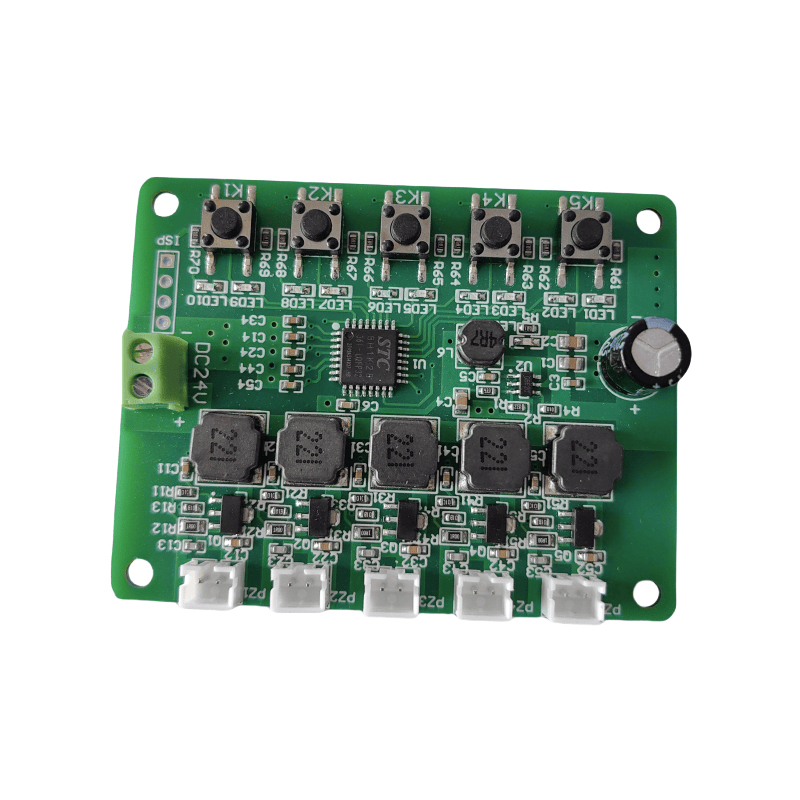
Driver Board For Humidifier Crescent PCB Board Timing 2/4h Function 1.5W
-
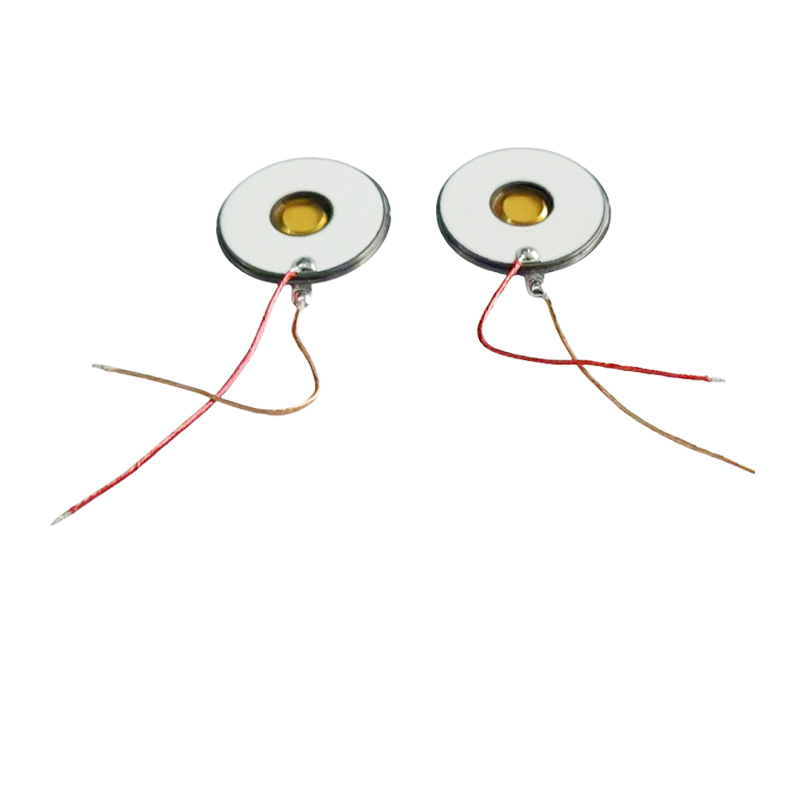
M16-108KHZ Polyimide PI MembraneMesh Micro Mesh NebulizerMedical NebulizerUltrasonic Mesh Nebulizer3μm Microporous Inhalation Nebulizer With Nebulizing DiscPower Consumption1~1.5W
-
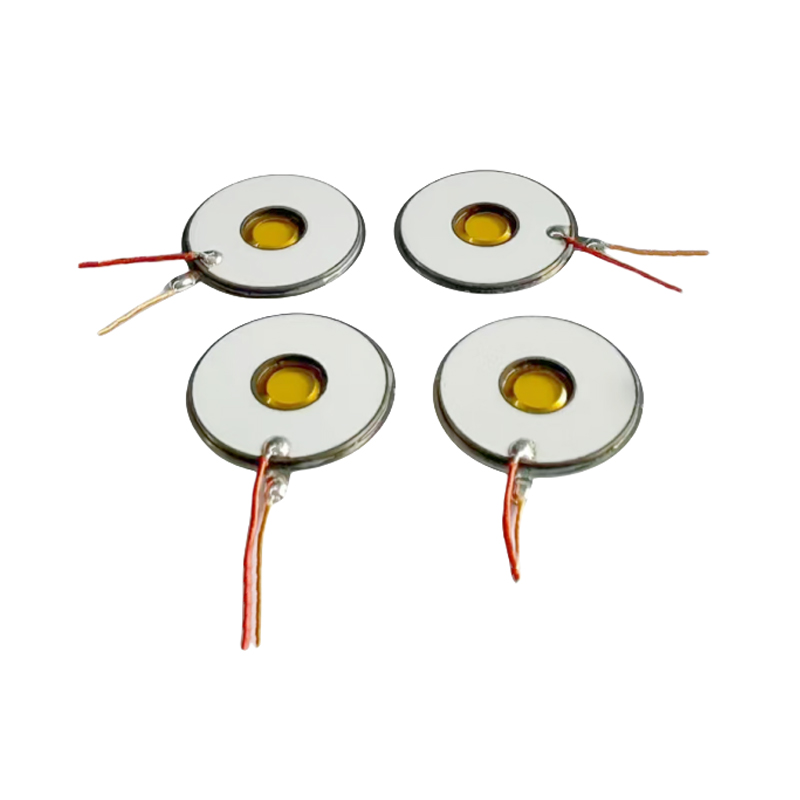
M16-108KHZ Polyimide PI MembraneMesh Micro Mesh NebulizerMedical NebulizerUltrasonic Mesh Nebulizer3μm Microporous Nebulizer Disc For Inhaler Nebulizer
-
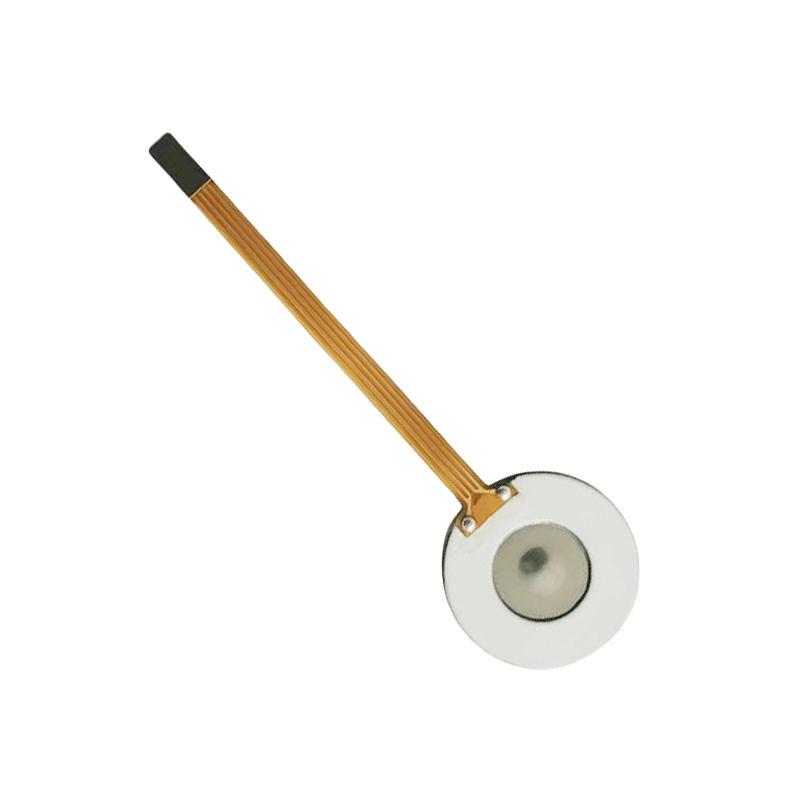
M16-110KHZ Polyimide PI MembraneMesh Micro Mesh NebulizerMedical NebulizerUltrasonic Mesh Nebulizer3μm Microporous Nebulizer Disc For Inhalation Nebulizer
-
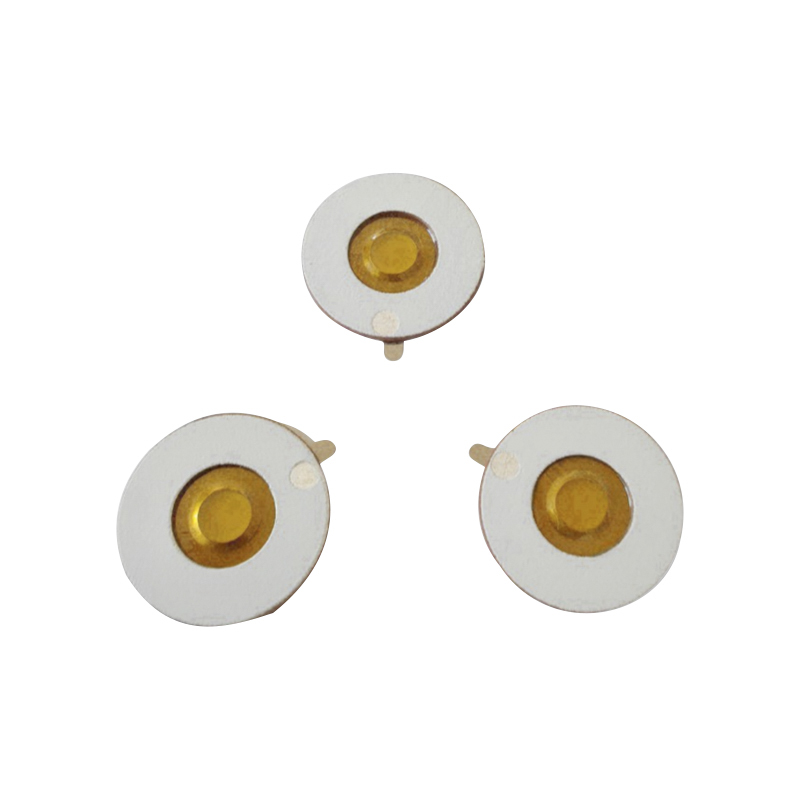
M16-108KHZ Polyimide PI MembraneMesh Micro Mesh NebulizerMedical NebulizerUltrasonic Mesh Nebulizer Tablet3μm Microporous Inhalation Budesonide Nebulizer Tray
- Quick Links
- Product
- About
- Application
- News
- Contact
- Product Links
- Medical Mesh Piezo Atomizer
- Polymer PI Film Piezo Atomizer
- KNN Lead-free Mesh Piezo Atomizer
- PI Lead Free Mesh Zeroing Chip
- Micro-mesh Piezo Atomizer For Heater
- Piezo Atomizer For Fan/Humidification/Beauty
- Ultrasonic Atomizing Transducer
- Ultrasonic High-frequency Piezo Atomizer
- Power Generation/Heating Sensor Piezo Atomizer
- Medical Piezo Atomizer PCB Design
- Precision Laser Micro-hole Processing Technology
- Contact
-
Building 1, Fortune Star 2, No.311 Huanzhen North Road, Chang'an Town, Haining City, Zhejiang Province, China.

-
+86-18006619680

-
+86-13777879680

-
Felix@saidapiezo.com

riney@saidapiezo.com
yugao@saidapiezo.com
emily@saidapiezo.com
dean@saidapiezo.com -
Felix: +86 18157327658

John: +86 18957351358
Emily: +86 18957339358
Dean: +86 15356418868
- Mobile