


 English
 中文简体
中文简体Understanding Mesh Nebulizer Technology
Modern respiratory therapy has undergone significant transformation through the adoption of mesh nebulizer chip technology. Unlike traditional nebulizers that rely on baffle systems, mesh-based designs utilize a fundamentally different approach to aerosol generation. The piezoelectric nebulizer chip represents a breakthrough in delivering medications more efficiently to patients with respiratory conditions.
The core principle behind mesh nebulizer systems involves converting electrical energy into mechanical vibrations that create aerosol particles at microscopic levels. This advancement has made respiratory treatments faster, quieter, and more effective for various patient demographics.
The Piezoelectric Nebulizer Component: Core Architecture
At the heart of modern nebulizer technology lies the piezoelectric nebulizer component, a sophisticated device that transforms electrical signals into precise mechanical movements. This component operates through the piezoelectric effect, where certain crystalline materials expand and contract when subjected to electrical voltage.
How Piezoelectric Elements Function
The piezoelectric material in nebulizer chips typically consists of lead zirconate titanate crystals arranged in specific patterns. When voltage is applied at frequencies between 100 to 180 kilohertz, these crystals vibrate at extremely high speeds. This rapid vibration is the foundation that enables the creation of fine aerosol particles.
The precision of piezoelectric actuation allows manufacturers to maintain consistent particle size distributions. This consistency is crucial because particles of uniform size penetrate deeper into the respiratory system and reach target areas more effectively than variable-sized aerosols.
Mesh Design and Aperture Configuration
The mesh component contains thousands of microscopic holes, typically ranging from 2 to 4 micrometers in diameter. These apertures are arranged in precisely calculated patterns to ensure optimal liquid flow and particle generation. The mesh itself vibrates at the piezoelectric element's resonant frequency, forcing liquid medication through the apertures.
The design of these apertures determines several critical performance factors. Smaller apertures produce finer particles but require more energy, while larger apertures reduce energy consumption but may produce coarser aerosols. Modern mesh designs represent an optimal balance between these parameters.
Aerosol Performance Improvements Through Mesh Technology
Particle Size Distribution
One of the most significant advantages of mesh nebulizer systems is their ability to generate particles with a mass median aerodynamic diameter (MMAD) between 2 and 5 micrometers. This size range is optimal for lung deposition in both adults and children. Studies indicate that approximately 60 to 70 percent of generated particles fall within this therapeutic window, compared to 30 to 40 percent in traditional jet nebulizers.
Treatment Duration Reduction
Traditional nebulizers require 10 to 15 minutes for a complete treatment cycle. Mesh-based systems accomplish the same medication delivery in 5 to 8 minutes, representing a 40 to 50 percent reduction in treatment time. This improvement stems from the higher frequency of particle generation and the efficiency of direct mesh vibration methods.
Residual Volume Minimization
Jet nebulizers typically leave 20 to 30 percent of the medication unreleased in the reservoir at the end of treatment. Mesh nebulizers reduce this residual volume to less than 10 percent, meaning patients receive more of their prescribed medication. This efficiency translates to better therapeutic outcomes and reduced medication waste.
Noise Level Reduction
The absence of air compressors in mesh systems reduces operational noise to approximately 45 to 55 decibels, compared to 70 to 80 decibels in compressor-based nebulizers. This quieter operation is particularly beneficial for pediatric patients and healthcare environments where noise pollution is a concern.
Comparative Analysis: Mesh versus Traditional Nebulizers
| Performance Metric | Mesh Nebulizer | Jet Nebulizer |
|---|---|---|
| Treatment Time | 5-8 minutes | 10-15 minutes |
| Residual Volume | Less than 10% | 20-30% |
| Particle Size Range | 2-5 micrometers | 2-8 micrometers |
| Operational Noise | 45-55 dB | 70-80 dB |
| Portability | Highly Portable | Limited Mobility |
How Vibrating Mesh Generates Superior Aerosols
Vibration Frequency and Aerosol Generation
The vibrating mesh operates at frequencies exceeding 100 kilohertz, creating approximately 2 to 3 million vibrations per second. This extremely high frequency forces medication liquid through the mesh apertures with remarkable consistency. Each vibration cycle ejects a small quantity of liquid in the form of fine particles.
The Role of Capillary Action
The design of mesh nebulizers incorporates capillary channels that maintain a thin film of medication at the mesh surface. Surface tension and the capillary action work in concert to ensure that liquid is continuously supplied to the vibrating apertures. This mechanism eliminates the need for external air pressure, reducing complexity and improving reliability.
Energy Efficiency in Particle Generation
The direct conversion of electrical energy to mechanical vibration in mesh systems results in superior energy efficiency compared to air compression methods. Less electrical power is required to achieve therapeutic aerosol generation, making mesh nebulizers more practical for portable applications.
Technical Specifications of Modern Mesh Nebulizer Chips
- Operating Frequency Range: 100-180 kHz with stability tolerance of plus or minus 5 kHz
- Piezoelectric Element Material: Lead zirconate titanate or advanced ceramic composites
- Mesh Aperture Diameter: 2-4 micrometers with tolerance of plus or minus 0.5 micrometers
- Number of Apertures: Typically 4,000-7,000 per mesh depending on design specifications
- Vibration Amplitude: 1-3 micrometers at therapeutic operating frequency
- Particle Generation Rate: 0.2-0.5 milliliters per minute
- Power Consumption: 2-5 watts during operation
- Medication Compatibility: Works with aqueous solutions and certain suspensions
Key Advantages of Mesh Nebulizer Chip Technology
Enhanced Medication Delivery Efficiency
Mesh nebulizer chips deliver a significantly higher percentage of prescribed medication to the lungs. The optimized particle size distribution ensures that more particles reach the intended therapeutic sites. Clinical outcomes demonstrate improved respiratory function in patients using mesh-based systems compared to traditional alternatives.
Improved Patient Compliance
Shorter treatment times and quieter operation contribute to better patient adherence to nebulizer therapy regimens. Patients are more likely to complete full courses of treatment when sessions require only 5 to 8 minutes rather than extended periods. This improved compliance directly correlates with better health outcomes.
Portability and Independence
Without the need for bulky air compressors, mesh nebulizers offer unprecedented portability. Patients can carry these devices in standard backpacks or handbags, enabling treatment anywhere. Battery-powered models provide complete independence from stationary electrical outlets, enhancing lifestyle quality for individuals requiring regular aerosol therapy.
Reduced Maintenance Requirements
The absence of moving air compressor components means fewer parts require regular maintenance. Mesh nebulizers typically need only periodic cleaning of medication reservoirs and aperture inspection. This simplified maintenance protocol reduces costs and downtime associated with device servicing.
Lower Operating Costs
Reduced residual medication volume means less waste of expensive pharmaceutical preparations. Lower power consumption compared to compressor-based systems decreases operational expenses. Over extended use periods, these cost reductions become substantial, particularly in clinical settings treating multiple patients daily.
Clinical Applications and Medical Benefits
Respiratory Conditions and Treatment Protocols
Mesh nebulizer technology proves particularly effective for treating asthma, chronic obstructive pulmonary disease (COPD), and cystic fibrosis. The consistent aerosol generation allows physicians to maintain precise dosing schedules. Patients experiencing acute respiratory exacerbations benefit from rapid medication delivery that mesh technology provides.
Pediatric Considerations
Children present unique challenges in aerosol therapy due to their smaller lung capacity and variable cooperation levels. The quiet operation of mesh nebulizers creates a less intimidating experience for young patients. Shorter treatment times reduce the likelihood of resistance or non-compliance in pediatric populations.
Home Healthcare and Patient Convenience
Mesh nebulizers facilitate effective home-based respiratory therapy programs. Patients can integrate treatments into daily routines without disruption. The portability enables treatment during travel, maintaining therapeutic schedules even when away from home.
Recent Innovations in Mesh Nebulizer Design
Dual-Frequency Technology
Advanced mesh designs now incorporate dual frequency capabilities that allow adjustment of particle size distribution. This flexibility enables physicians to tailor aerosol characteristics to specific medication properties and individual patient requirements. Some systems automatically optimize frequency based on detected medication viscosity.
Smart Connectivity Features
Modern mesh nebulizers increasingly include digital interfaces that track treatment compliance and medication usage. Wireless connectivity enables remote monitoring of therapy sessions, allowing healthcare providers to ensure patients follow prescribed regimens. These digital enhancements improve overall therapeutic management.
Enhanced Mesh Materials
Newer mesh designs utilize advanced materials that resist corrosion and maintain aperture precision through extended use cycles. Some formulations incorporate hydrophobic coatings that prevent medication residue buildup, extending device lifespan and reducing maintenance frequency.
Simplified Refill Mechanisms
Recent innovations have introduced quick-change medication cartridges and simplified filling procedures. These design improvements reduce setup time and minimize the potential for contamination during medication loading.
Addressing Limitations and Current Challenges
Medication Compatibility Considerations
Not all medications perform optimally in mesh nebulizers. Certain suspensions or medications with higher viscosity may clog apertures or compromise performance. Pharmaceutical development continues to focus on formulations specifically optimized for mesh delivery systems.
Cost Factors
Initial acquisition costs for mesh nebulizers remain higher than traditional jet nebulizers. However, lifecycle cost analysis typically demonstrates economic advantages through reduced medication waste and lower operational expenses. Insurance coverage has expanded as clinical evidence of superior outcomes accumulates.
Aperture Maintenance
Mesh apertures require careful handling to prevent damage. Improper cleaning or exposure to abrasive materials can compromise the precision apertures, affecting aerosol generation quality. Manufacturers provide detailed care instructions to prevent such damage.
Future Developments in Mesh Nebulizer Technology
The trajectory of mesh nebulizer development points toward several promising directions. Researchers continue investigating novel piezoelectric materials that provide improved durability and wider operating frequency ranges. Nanotechnology applications may enable even smaller mesh apertures, producing ultra-fine particles for deeper lung penetration.
Integration with artificial intelligence and machine learning systems promises personalized aerosol generation tailored to individual patient physiology. Predictive algorithms could optimize therapy delivery based on real-time respiratory measurements and patient-specific factors.
Biodegradable mesh materials and sustainable manufacturing processes are gaining attention as environmental concerns influence medical device development. Future iterations may incorporate recyclable components without compromising therapeutic performance.
Combination therapy devices that simultaneously deliver multiple medications through a single mesh system are under development, potentially improving treatment efficiency for patients requiring complex pharmaceutical regimens.
Selecting the Right Nebulizer Technology
Assessment Criteria
Healthcare providers evaluating nebulizer technologies should consider multiple factors. Treatment frequency and duration requirements influence whether portability advantages justify higher initial costs. Patient age and cognitive ability affect the importance of user-friendly interfaces and simplified operation.
Clinical Setting Considerations
Hospital environments benefit from mesh technology's reduced noise and consistent performance across multiple daily treatments. Home healthcare applications prioritize portability and battery operation capabilities. Specialized respiratory centers may require advanced features like frequency adjustment and smart monitoring.
Total Cost of Ownership
Complete economic analysis must account for acquisition costs, operational expenses, maintenance requirements, and medication waste reduction. The significant reduction in residual medication volume often justifies higher initial investment within 12 to 24 months of regular use.
Frequently Asked Questions
Q1: What is the main difference between a mesh nebulizer chip and a piezoelectric nebulizer component?
The mesh nebulizer chip refers to the complete functional unit including both the piezoelectric element and the mesh structure, while the piezoelectric nebulizer component specifically describes the element that generates vibrations. The component is a crucial part of the larger chip assembly. Together, they create the aerosol generation mechanism.
Q2: How often should a mesh nebulizer chip be replaced?
With proper care and maintenance, mesh nebulizer chips typically maintain performance for 1,000 to 2,000 operating hours, often corresponding to 2 to 5 years of daily home use. Replacement becomes necessary when particle generation efficiency declines noticeably or the device fails to complete normal treatment cycles.
Q3: Can mesh nebulizers be used with all types of medications?
Most aqueous medications work well with mesh nebulizers, but some formulations, particularly oil-based preparations or medications with high viscosity, may not be compatible. Consulting medication instructions or healthcare providers ensures proper device selection for specific pharmaceutical regimens.
Q4: Are mesh nebulizers suitable for children?
Yes, mesh nebulizers are particularly well-suited for pediatric patients due to their quiet operation, reduced treatment time, and portability. These features improve compliance in children who may resist longer nebulizer sessions or become anxious with louder devices.
Q5: What cleaning and maintenance procedures extend mesh nebulizer lifespan?
Regular cleaning of medication reservoirs after each use prevents medication residue buildup. Allowing components to air-dry completely prevents contamination and corrosion. Avoiding contact with abrasive cleaning materials protects delicate mesh apertures. Following manufacturer-provided care instructions maximizes device longevity.
Q6: How does vibrating mesh technology compare to ultrasonic nebulizer systems?
Both technologies use vibration to generate aerosols, but mesh systems typically offer superior medication compatibility and faster treatment times. Ultrasonic systems may heat medications, which can damage heat-sensitive pharmaceuticals. Mesh nebulizers generally provide more consistent particle size distribution.
Q7: What power requirements do mesh nebulizers have?
Most mesh nebulizers consume 2 to 5 watts during operation, significantly less than compressor-based systems. This low power consumption enables extended battery operation, typically 6 to 10 hours on standard rechargeable batteries. Some models support both AC and battery power for maximum flexibility.
Q8: Can mesh nebulizer chips be repaired, or must they be replaced entirely?
Mesh nebulizer chips are typically non-repairable components designed for complete replacement. The precision manufacturing and integrated piezoelectric elements make field repairs impractical. Replacement chips are generally available from manufacturers at standardized costs.
Related Products
-
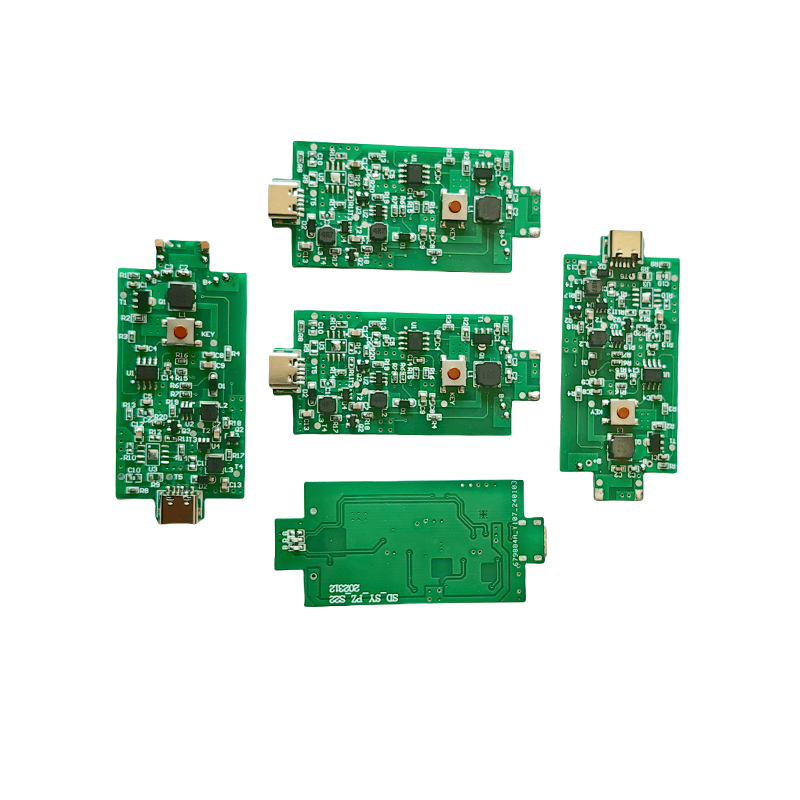
Humidifier Aromatherapy Humidifier Misting Tray PCB Board USB6V12V24V Five Head PCB Driver Board 10 Head Driver Board
-
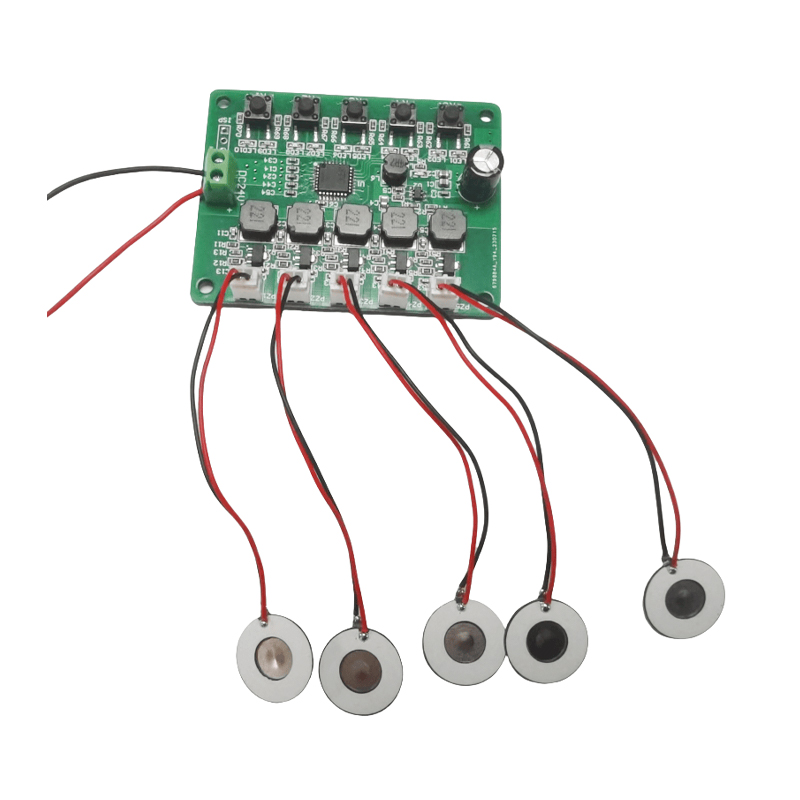
Medical Inhalation Nebulizer Respirator Head-mounted Nebulizer PCB Driver B
-
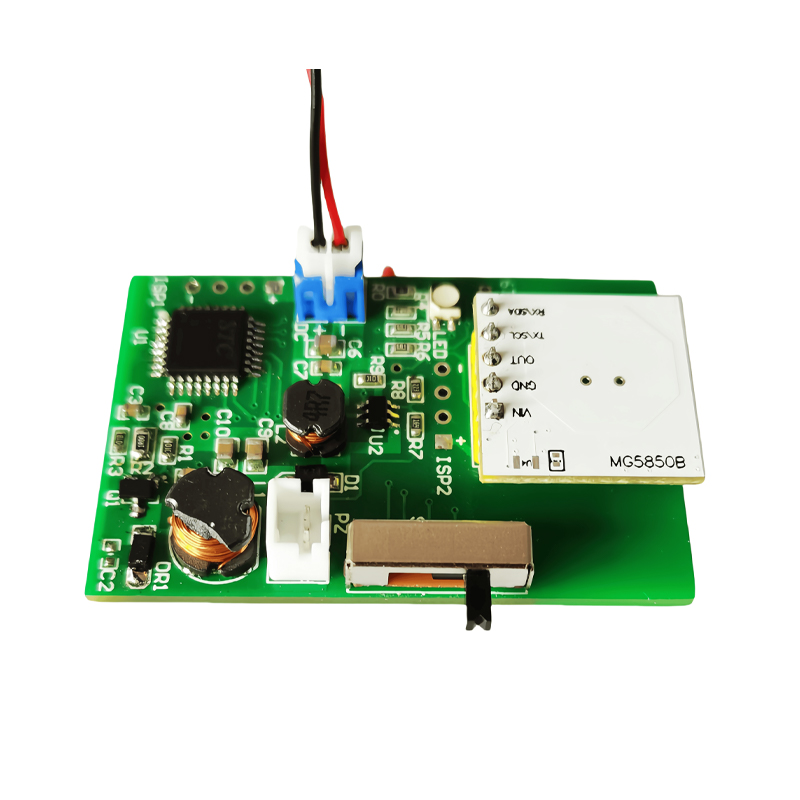
Medical Mesh Atomizer Tray PCB Electronic Smoking Cessation Atomizer PCB Driver Board
-
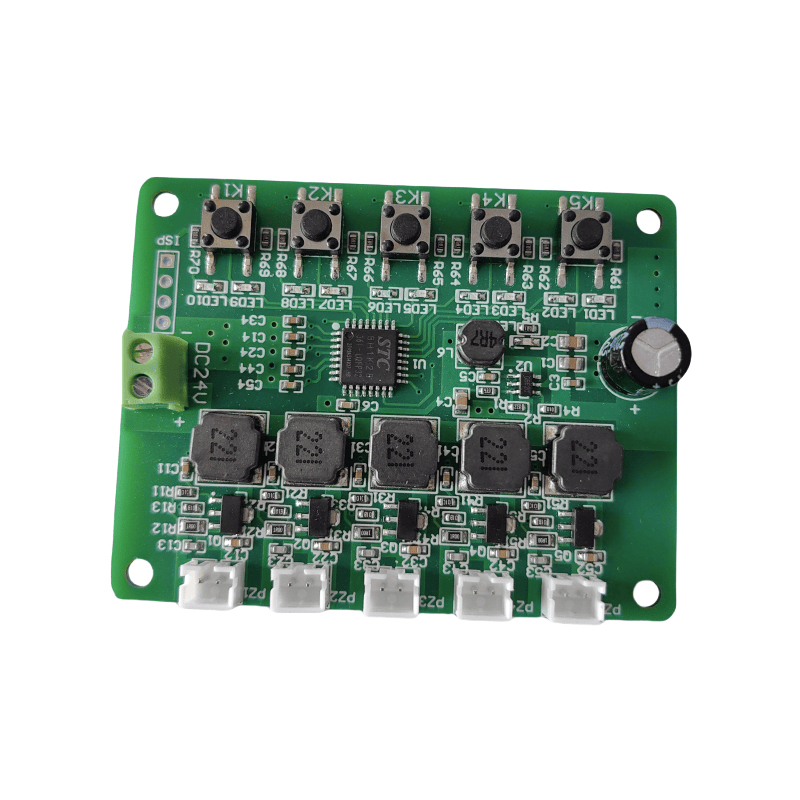
Driver Board For Humidifier Crescent PCB Board Timing 2/4h Function 1.5W
-
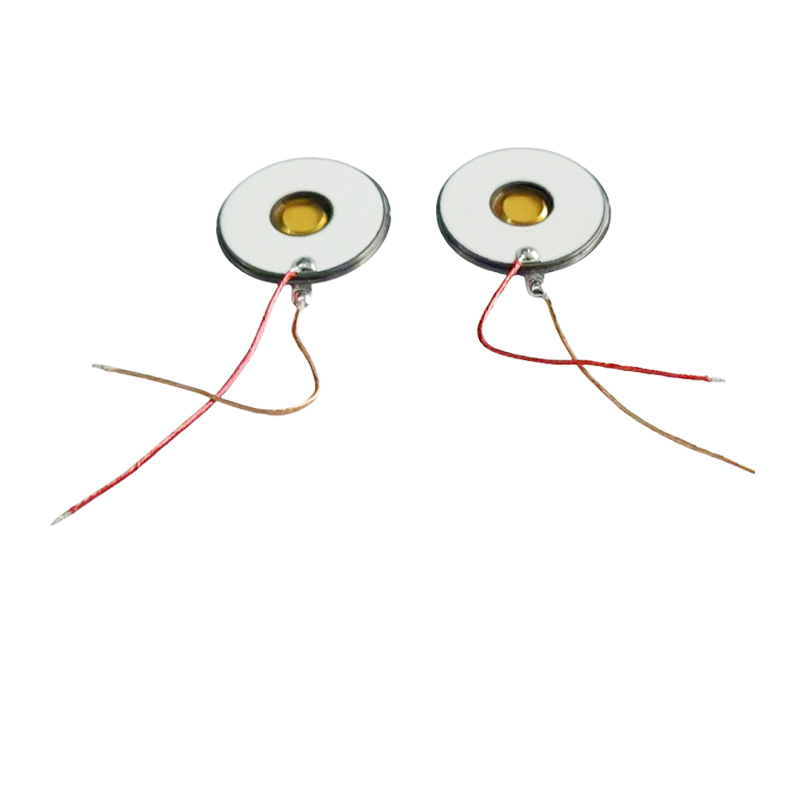
M16-108KHZ Polyimide PI MembraneMesh Micro Mesh NebulizerMedical NebulizerUltrasonic Mesh Nebulizer3μm Microporous Inhalation Nebulizer With Nebulizing DiscPower Consumption1~1.5W
-
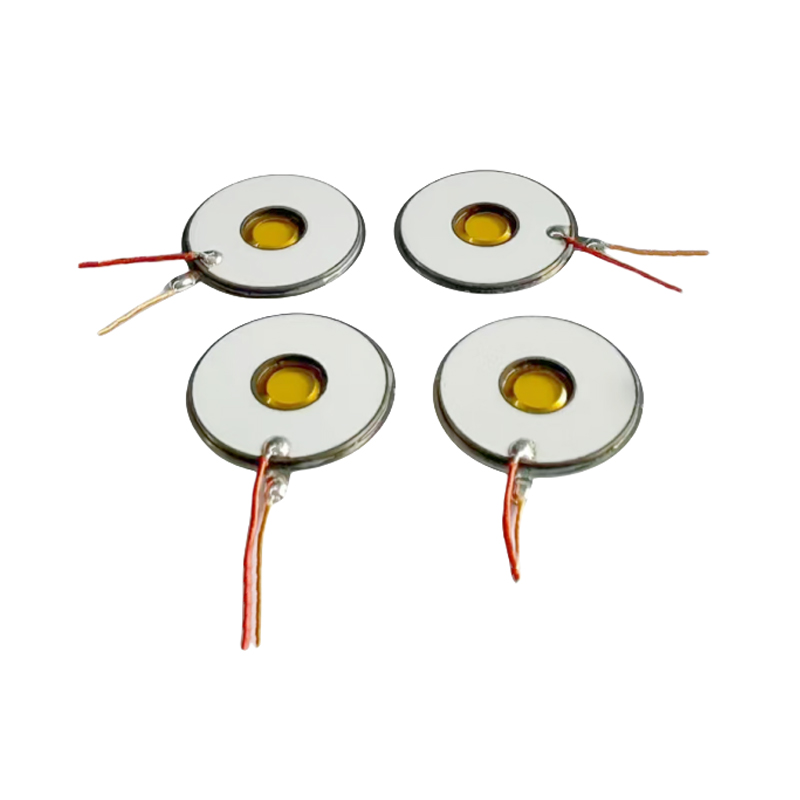
M16-108KHZ Polyimide PI MembraneMesh Micro Mesh NebulizerMedical NebulizerUltrasonic Mesh Nebulizer3μm Microporous Nebulizer Disc For Inhaler Nebulizer
-
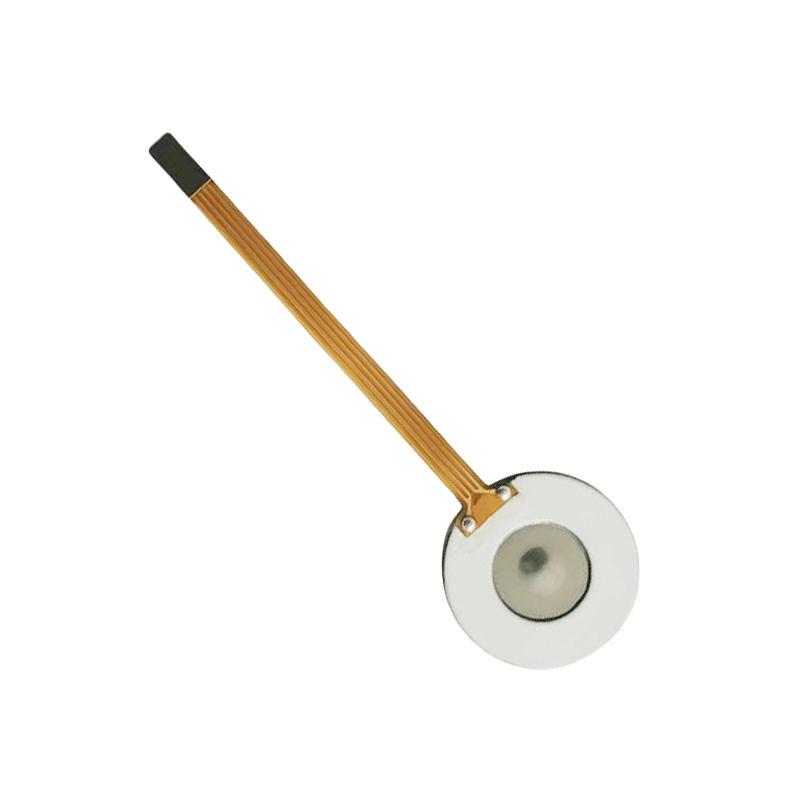
M16-110KHZ Polyimide PI MembraneMesh Micro Mesh NebulizerMedical NebulizerUltrasonic Mesh Nebulizer3μm Microporous Nebulizer Disc For Inhalation Nebulizer
-
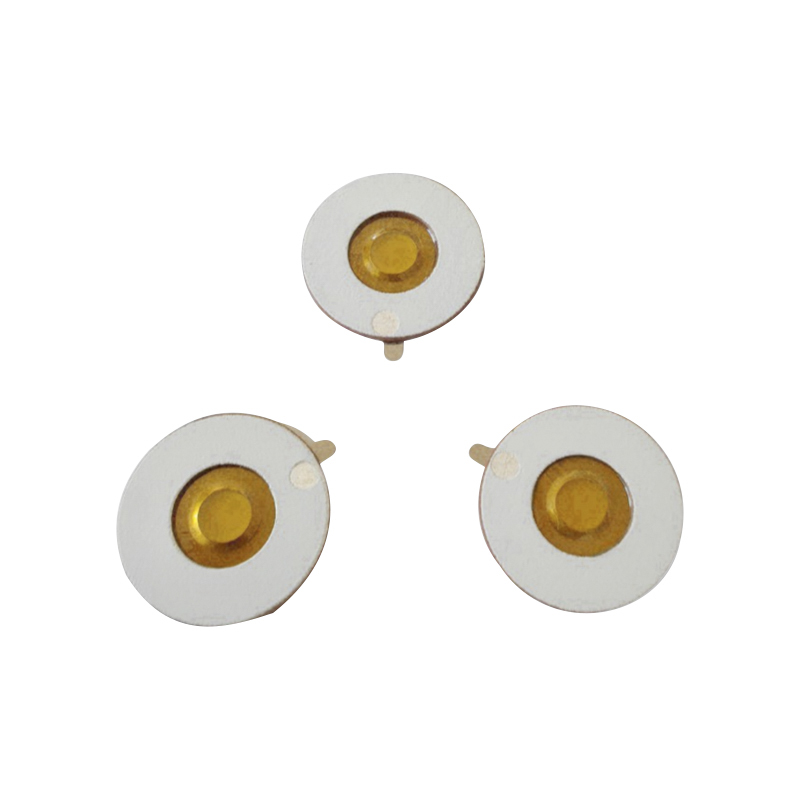
M16-108KHZ Polyimide PI MembraneMesh Micro Mesh NebulizerMedical NebulizerUltrasonic Mesh Nebulizer Tablet3μm Microporous Inhalation Budesonide Nebulizer Tray
- Quick Links
- Product
- About
- Application
- News
- Contact
- Product Links
- Medical Mesh Piezo Atomizer
- Polymer PI Film Piezo Atomizer
- KNN Lead-free Mesh Piezo Atomizer
- PI Lead Free Mesh Zeroing Chip
- Micro-mesh Piezo Atomizer For Heater
- Piezo Atomizer For Fan/Humidification/Beauty
- Ultrasonic Atomizing Transducer
- Ultrasonic High-frequency Piezo Atomizer
- Power Generation/Heating Sensor Piezo Atomizer
- Medical Piezo Atomizer PCB Design
- Precision Laser Micro-hole Processing Technology
- Contact
-
Building 1, Fortune Star 2, No.311 Huanzhen North Road, Chang'an Town, Haining City, Zhejiang Province, China.

-
+86-18006619680

-
+86-13777879680

-
Felix@saidapiezo.com

riney@saidapiezo.com
yugao@saidapiezo.com
emily@saidapiezo.com
dean@saidapiezo.com -
Felix: +86 18157327658

John: +86 18957351358
Emily: +86 18957339358
Dean: +86 15356418868
- Mobile