


 English
 中文简体
中文简体Nebulizers are commonly used devices for delivering medication in the form of a mist that can be inhaled into the lungs, offering an effective treatment for respiratory conditions. The performance of a nebulizer is greatly influenced by the design and characteristics of the components used, particularly the nebulizer nozzle mesh disc. The mesh disc plays a crucial role in determining the droplet size and distribution, which directly impacts the efficiency of the aerosolized medication.
What is a Nebulizer Mesh Disc?
A nebulizer mesh disc is a key component in certain types of nebulizers, particularly mesh nebulizers. It consists of a fine mesh or screen with hundreds or thousands of tiny holes. These mesh discs vibrate at a high frequency, forcing the liquid medication through the small openings to form an aerosol or mist. The size of these droplets is crucial for ensuring that the medication is delivered to the lungs effectively.
How Does the Mesh Disc Influence Droplet Size?
The size of the droplets generated by a nebulizer is a critical factor in the success of aerosol therapy. Droplet size is typically measured in micrometers (µm), and it is crucial to ensure that the droplets are small enough to reach the lower respiratory tract but large enough to avoid being expelled through the nose.
Vibration Frequency: The vibration frequency of the mesh disc determines how quickly the liquid is forced through the holes. Faster vibrations lead to smaller droplets, while slower vibrations may result in larger droplets.
Mesh Hole Size: The size of the holes in the mesh disc directly impacts the droplet size. Smaller holes result in finer droplets, which are beneficial for reaching deeper areas of the lungs. Larger holes produce larger droplets, which may be more effective for treating upper respiratory issues.
Impact on Droplet Distribution
Droplet distribution refers to how the droplets are spread across the entire volume of air inhaled by the patient. A well-distributed mist ensures that the medication reaches the intended areas of the respiratory system efficiently.
Uniform Distribution: An effective mesh disc ensures that the mist is evenly distributed. This uniformity is important because inconsistent misting can lead to suboptimal drug delivery, with certain areas of the lungs receiving too much medication and others receiving too little.
Particle Size Distribution: Different particle sizes target different parts of the lungs. Larger droplets tend to deposit in the upper airways, while smaller droplets are capable of reaching deeper into the lungs. The mesh disc’s design ensures that the correct particle size is produced for targeted treatment.
Nebulizer Efficiency and Medication Delivery
The efficiency of a nebulizer is largely determined by how well it can generate the appropriate droplet size and distribution. The nebulizer nozzle mesh disc is key to optimizing these factors.
Enhanced Drug Delivery: By producing the right droplet size, the mesh disc ensures that the medication reaches its intended target within the respiratory system. This not only improves treatment effectiveness but also reduces the wastage of medication.
Faster Inhalation: Smaller droplets allow the patient to inhale the medication more quickly, improving the overall efficiency of the treatment session. Nebulizers with well-designed mesh discs can reduce the time required for each treatment, making the process more convenient for patients.
Factors Affecting Mesh Disc Performance
The performance of a nebulizer nozzle mesh disc can be affected by several factors. Understanding these influences is essential for optimizing nebulizer therapy.
Material of the Mesh Disc: The material used to construct the mesh disc can impact its durability and its ability to produce consistent droplet sizes. High-quality materials ensure that the mesh disc can withstand frequent use without degradation.
Cleaning and Maintenance: Over time, the mesh disc can become clogged with medication residue or dust particles. Regular cleaning and maintenance are crucial for maintaining optimal droplet size and distribution. Poor maintenance can lead to irregular droplet sizes and reduced efficiency.
Environmental Conditions: Humidity and temperature can also affect the nebulizer’s performance. For example, extremely high humidity can cause the medication to clump, affecting the uniformity of the mist produced by the mesh disc.
Comparing Mesh Disc and Other Nebulizer Technologies
While the mesh disc is a critical component of certain nebulizers, there are other types of nebulizer technologies that use different mechanisms to produce aerosolized medication. These include jet nebulizers and ultrasonic nebulizers.
Jet Nebulizers: Jet nebulizers use a pressurized air stream to force the medication through a small nozzle, producing an aerosol. While effective, jet nebulizers tend to produce larger droplets, which may not be ideal for delivering medication to the lower lungs.
Ultrasonic Nebulizers: Ultrasonic nebulizers use sound waves to create an aerosol. They are often more efficient and quieter than jet nebulizers, but their droplet size can vary depending on the frequency and power of the ultrasonic waves.
Comparison of Nebulizer Types and Droplet Sizes
| Nebulizer Type | Droplet Size | Efficiency | Ideal For |
|---|---|---|---|
| Mesh Nebulizers | 1-5 µm | High | Lower respiratory treatment |
| Jet Nebulizers | 5-10 µm | Moderate | Upper respiratory treatment |
| Ultrasonic Nebulizers | 1-5 µm | High | General respiratory treatment |
Conclusion
The nebulizer nozzle mesh disc plays a pivotal role in determining the effectiveness of a nebulizer by influencing both droplet size and distribution. By ensuring that the droplet size is appropriate for the target area of the respiratory system, and that the droplets are evenly distributed, the mesh disc enhances the overall efficiency of aerosol therapy. When combined with proper maintenance and optimal nebulizer design, the mesh disc ensures that patients receive the maximum benefit from their treatment sessions.
FAQ
1. What is the optimal droplet size for nebulizer therapy?
- The optimal droplet size for nebulizer therapy is typically between 1 and 5 micrometers, as these droplets can reach the lower respiratory tract effectively.
2. How can I maintain my nebulizer nozzle mesh disc?
- Regular cleaning with warm water and a mild detergent can help prevent clogging. Ensure that the mesh disc is fully dry before reassembling the nebulizer.
3. Can environmental factors affect nebulizer performance?
- Yes, high humidity or extreme temperatures can influence the performance of the mesh disc, affecting droplet size and distribution.
4. Why is droplet distribution important in nebulizer therapy?
- Uniform droplet distribution ensures that the medication is delivered to all targeted areas of the lungs, maximizing treatment effectiveness.
5. What is the difference between mesh nebulizers and jet nebulizers?
- Mesh nebulizers produce finer droplets (1-5 µm), ideal for lower respiratory treatment, while jet nebulizers typically generate larger droplets (5-10 µm) better suited for upper respiratory issues.
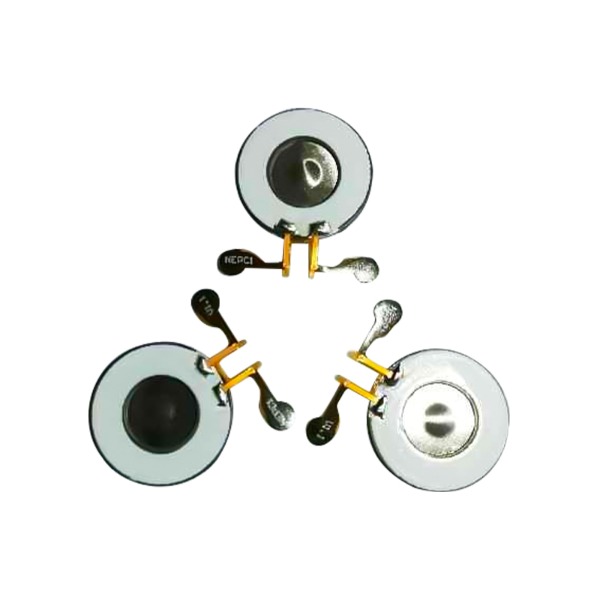
Related Products
-
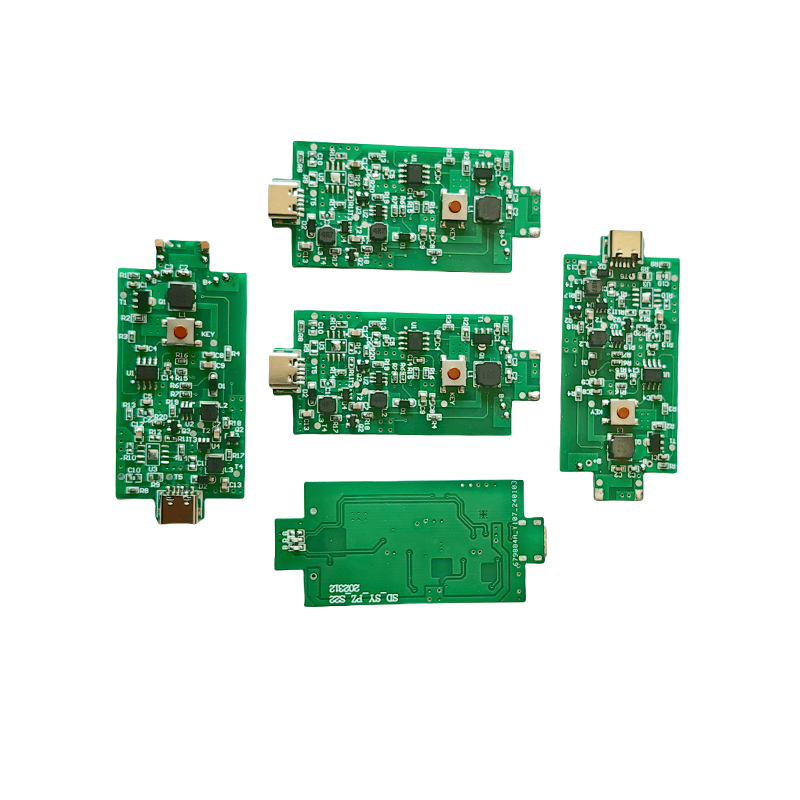
Humidifier Aromatherapy Humidifier Misting Tray PCB Board USB6V12V24V Five Head PCB Driver Board 10 Head Driver Board
-
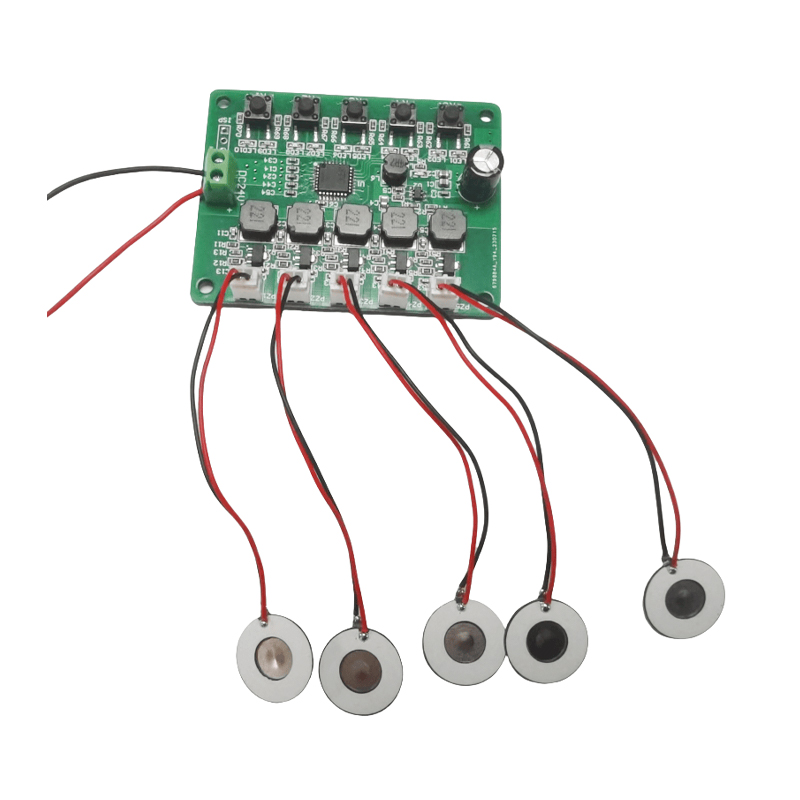
Medical Inhalation Nebulizer Respirator Head-mounted Nebulizer PCB Driver B
-
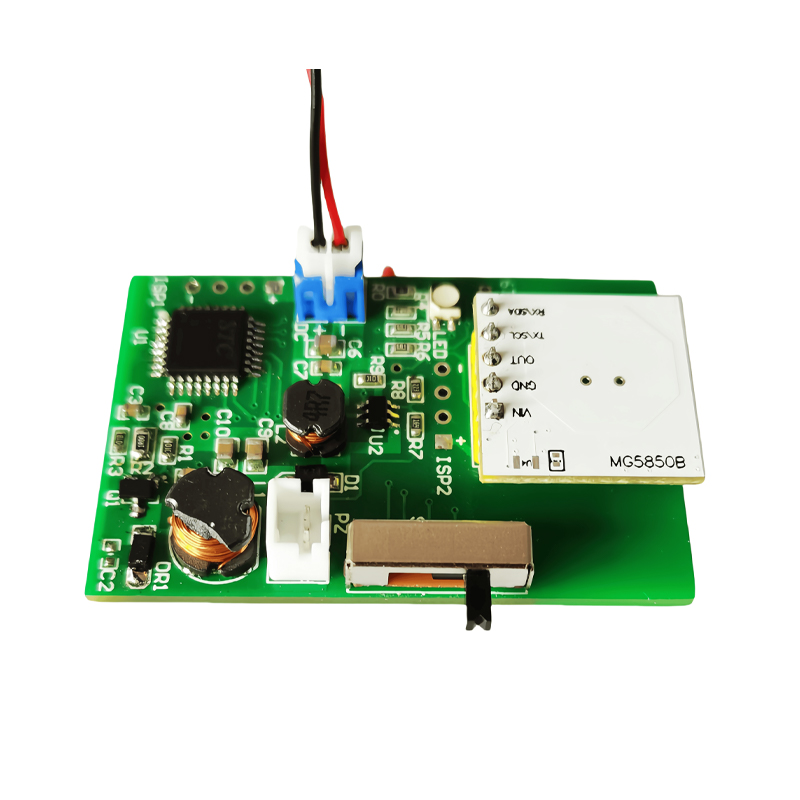
Medical Mesh Atomizer Tray PCB Electronic Smoking Cessation Atomizer PCB Driver Board
-
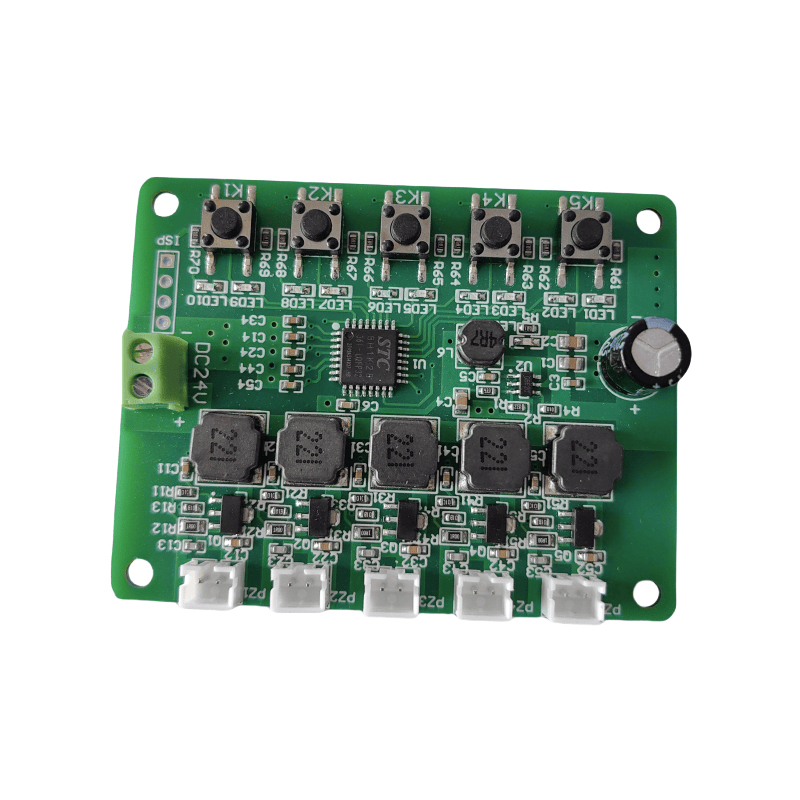
Driver Board For Humidifier Crescent PCB Board Timing 2/4h Function 1.5W
-
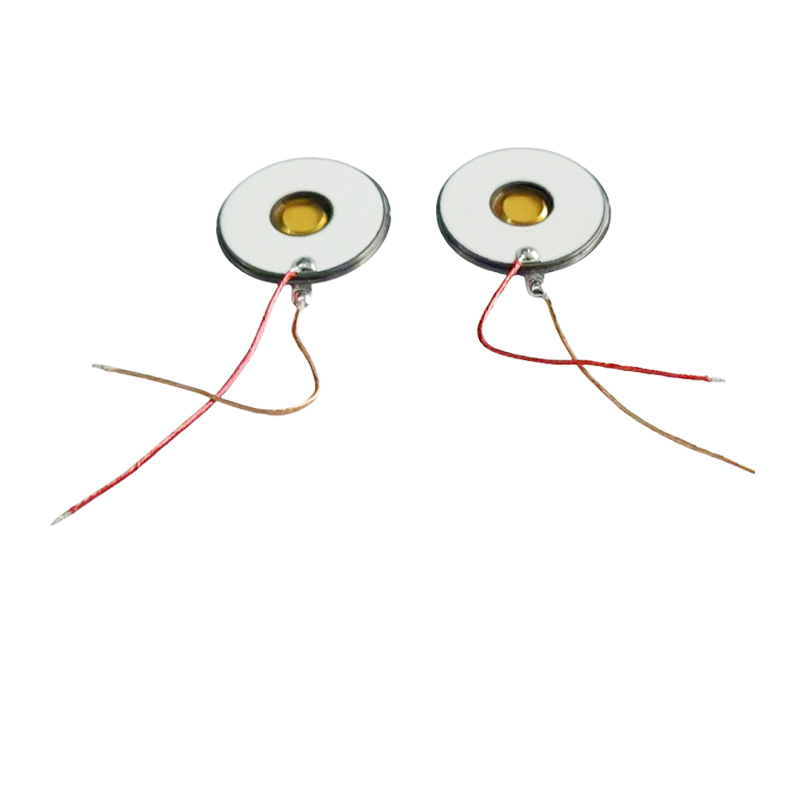
M16-108KHZ Polyimide PI MembraneMesh Micro Mesh NebulizerMedical NebulizerUltrasonic Mesh Nebulizer3μm Microporous Inhalation Nebulizer With Nebulizing DiscPower Consumption1~1.5W
-
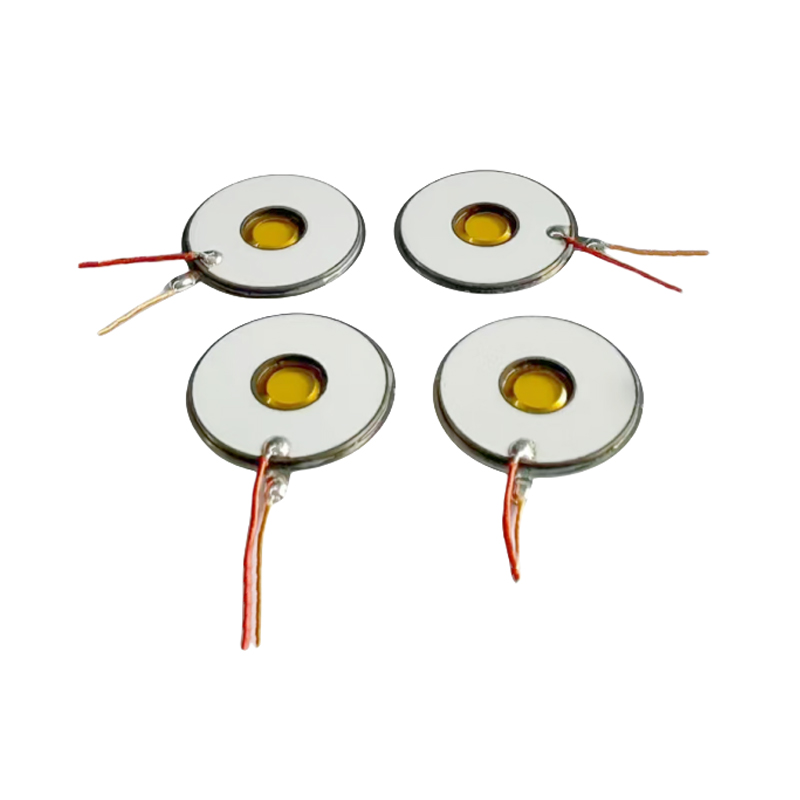
M16-108KHZ Polyimide PI MembraneMesh Micro Mesh NebulizerMedical NebulizerUltrasonic Mesh Nebulizer3μm Microporous Nebulizer Disc For Inhaler Nebulizer
-
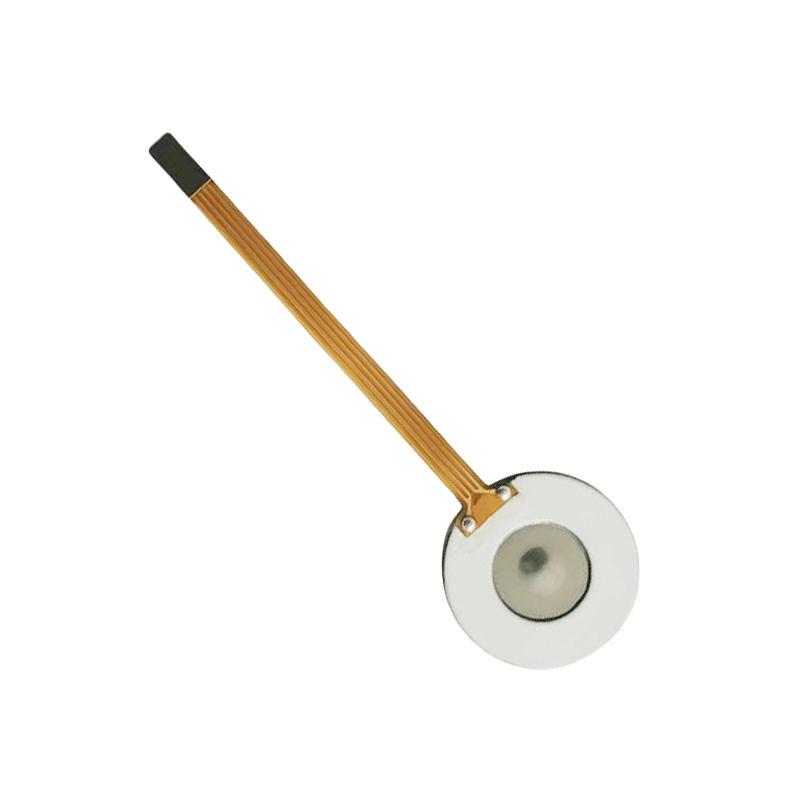
M16-110KHZ Polyimide PI MembraneMesh Micro Mesh NebulizerMedical NebulizerUltrasonic Mesh Nebulizer3μm Microporous Nebulizer Disc For Inhalation Nebulizer
-
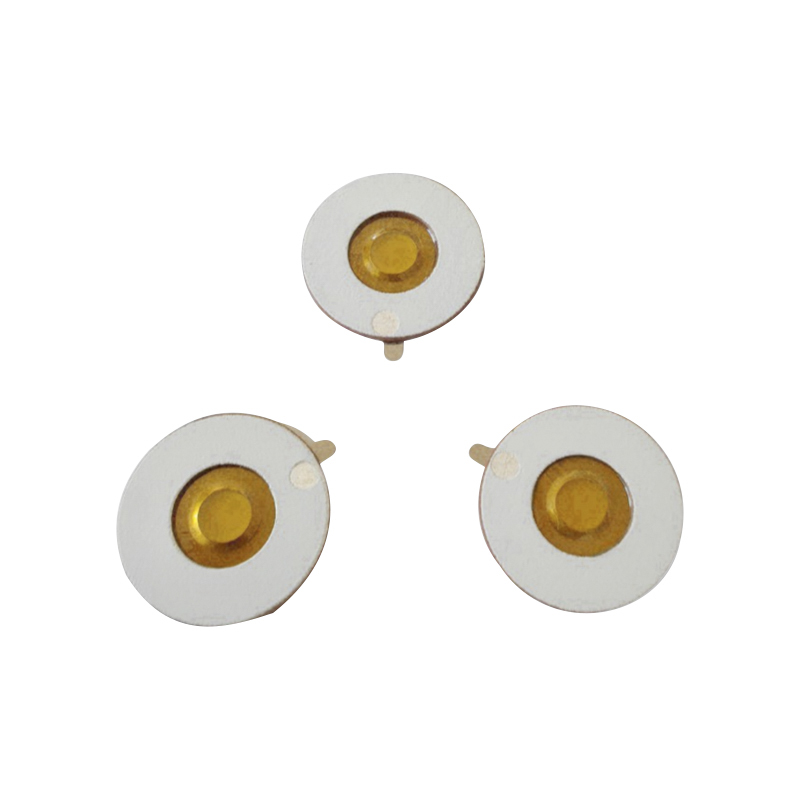
M16-108KHZ Polyimide PI MembraneMesh Micro Mesh NebulizerMedical NebulizerUltrasonic Mesh Nebulizer Tablet3μm Microporous Inhalation Budesonide Nebulizer Tray
- Quick Links
- Product
- About
- Application
- News
- Contact
- Product Links
- Medical Mesh Piezo Atomizer
- Polymer PI Film Piezo Atomizer
- KNN Lead-free Mesh Piezo Atomizer
- PI Lead Free Mesh Zeroing Chip
- Micro-mesh Piezo Atomizer For Heater
- Piezo Atomizer For Fan/Humidification/Beauty
- Ultrasonic Atomizing Transducer
- Ultrasonic High-frequency Piezo Atomizer
- Power Generation/Heating Sensor Piezo Atomizer
- Medical Piezo Atomizer PCB Design
- Precision Laser Micro-hole Processing Technology
- Contact
-
Building 1, Fortune Star 2, No.311 Huanzhen North Road, Chang'an Town, Haining City, Zhejiang Province, China.

-
+86-18006619680

-
+86-13777879680

-
Felix@saidapiezo.com

riney@saidapiezo.com
yugao@saidapiezo.com
emily@saidapiezo.com
dean@saidapiezo.com -
Felix: +86 18157327658

John: +86 18957351358
Emily: +86 18957339358
Dean: +86 15356418868
- Mobile