


 English
 中文简体
中文简体Understanding Ultrasonic Mist Technology
An ultrasonic mist maker represents a fundamental shift in how we approach humidification, cooling, and atomization. Unlike traditional spray methods that rely on air pressure or mechanical force, ultrasonic technology harnesses high-frequency vibrations to transform liquid into a fine, consistent mist. This innovation has become indispensable across diverse industries, from horticultural applications to industrial manufacturing and residential comfort solutions.
The efficiency of ultrasonic mist makers stems from their elegant simplicity: a piezoelectric element vibrates at ultrasonic frequencies, creating millions of oscillations per second that break water molecules into microscopic droplets. This process requires minimal energy input compared to conventional atomization methods, making it an environmentally conscious choice for modern applications.
The Core Mechanism: How Ultrasonic Atomization Works
Piezoelectric Technology Foundation
At the heart of every ultrasonic fogger lies the piezoelectric element, a material that exhibits a remarkable property: when electrical voltage is applied, it undergoes precise mechanical deformation. This deformation occurs at frequencies typically ranging from 100 kHz to 180 kHz, far beyond human hearing capacity but perfectly suited for liquid atomization.
The piezoelectric element doesn't simply shake; it oscillates with exceptional precision and consistency. Each cycle creates a rapid expansion and contraction cycle that generates capillary waves at the water surface. These waves intensify as vibrations accumulate, eventually reaching a critical amplitude where water molecules are forcefully ejected from the liquid.
The Atomization Process
When water sits on the vibrating diaphragm of an ultrasonic device, several physical phenomena occur simultaneously. The rapid oscillations induce a cavitation effect—the formation and collapse of tiny bubbles within the liquid. These imploding bubbles release energy that helps fragment water into increasingly smaller droplets. The surrounding water creates surface tension waves that propagate outward, eventually breaking into mist-sized particles measuring between 1 to 10 micrometers in diameter.
The beauty of this process is its consistency. Unlike mechanical sprayers that produce droplets of varying sizes, ultrasonic atomization creates remarkably uniform particle distribution. This uniformity translates directly into better performance across applications, whether you need precise humidity control in a greenhouse or reliable cooling in an industrial facility.
Frequency and Droplet Size Correlation
The relationship between vibration frequency and resulting droplet size follows predictable physics. Higher frequencies generally produce smaller, finer mist particles, while lower frequencies create slightly larger droplets. Industrial applications often employ multi-frequency systems that can adjust output characteristics for specific requirements. A mini ultrasonic mist maker operating at higher frequencies produces an ultra-fine mist ideal for delicate applications, while lower frequencies may be preferred when deeper penetration is needed.
Why Ultrasonic Mist Makers Are Remarkably Efficient
Energy Consumption Advantages
Traditional spray systems rely on compressed air or pump mechanisms that consume substantial electrical power. An ultrasonic system, by contrast, requires only a small amount of electrical current to drive the piezoelectric element. Most consumer-grade units operate on 5-24 volts, making them suitable for battery-powered applications. A typical water mist maker consuming 5-10 watts produces mist output equivalent to devices requiring 50-100 watts through conventional methods.
This efficiency advantage becomes magnified over extended use. Industrial facilities running mist systems continuously throughout operating hours see measurable reductions in energy costs. The low power requirement also enables innovative applications, such as USB ultrasonic mist makers that operate directly from computer peripherals, or solar-powered outdoor cooling installations.
Material and Resource Efficiency
Ultrasonic atomization achieves near-complete water utilization. Because the mist particles are extremely fine and uniform, they remain suspended longer in air and dispersed more evenly throughout a space. This means less water waste and more effective coverage compared to traditional systems where larger droplets quickly settle or run off. Many modern designs incorporate recycling mechanisms that recapture unused water, further enhancing resource efficiency.
Operational Efficiency Metrics
Efficiency in ultrasonic systems manifests across multiple dimensions:
- Quiet operation due to ultrasonic frequency being inaudible to human ears
- Minimal maintenance requirements with fewer moving parts susceptible to wear
- Rapid startup and shutdown with no warm-up period
- Precise control over mist output allowing fine-tuned performance
- Extended component lifespan due to reduced mechanical stress
- Compatibility with various liquids including water, essential oils, and medications
Heat Generation Efficiency
An interesting thermal property of ultrasonic mist makers is their low heat output. The piezoelectric element generates minimal heat during operation, unlike some mechanical systems that produce considerable thermal byproducts. This characteristic makes ultrasonic devices ideal for temperature-sensitive environments, such as nurseries growing delicate plants or facilities storing temperature-critical materials.
Comparative Analysis: Ultrasonic vs. Traditional Methods
Understanding how ultrasonic technology compares to conventional atomization methods illuminates why this technology has gained widespread adoption.
| Characteristic | Ultrasonic Atomizer | Traditional Spray | High-Pressure Misting |
|---|---|---|---|
| Power Consumption | 5-15 watts | 20-50 watts | 100-300 watts |
| Droplet Size | 1-10 micrometers | 50-200 micrometers | 20-100 micrometers |
| Noise Level | Silent (ultrasonic range) | Moderate (60-70dB) | Loud (80-90dB) |
| Maintenance | Minimal | Moderate | Regular required |
| Operating Cost | Low | Medium | High |
| Coverage Uniformity | Excellent | Good | Good |
Diverse Applications Leveraging Ultrasonic Efficiency
Horticultural and Botanical Uses
The horticultural industry represents one of the largest markets for ultrasonic mist technology. Nurseries and greenhouse operations use these systems to maintain optimal humidity levels for plant propagation and growth. A commercial ultrasonic mist maker can maintain humidity levels in specific zones without creating waterlogged conditions that promote fungal diseases. The fine mist provides hydration directly to foliage while allowing roots in soil to maintain proper moisture levels.
Therapeutic and Healthcare Applications
In medical settings, ultrasonic humidifiers deliver moisture therapy to patients with respiratory conditions. The ultra-fine particle size ensures deeper penetration into respiratory passages compared to traditional humidification methods. The technology's safety profile—no heating elements that could pose burn hazards—makes it particularly suitable for pediatric applications.
Industrial and Manufacturing Processes
Manufacturing facilities employ large ultrasonic mist makers for dust suppression, static electricity control, and environmental conditioning. The consistency and controllability of mist output make these systems ideal for precision-sensitive operations. A multi head ultrasonic mist maker can cover expansive facility areas while maintaining consistent environmental parameters.
Aesthetic and Atmospheric Enhancement
Retail environments, restaurants, and entertainment venues utilize ultrasonic mist makers to create atmospheric effects while providing cooling benefits. An ultrasonic mist maker with LED light creates visually striking environments that enhance customer experience. The silent operation ensures these systems don't disrupt the acoustic environment of public spaces.
Residential Comfort Solutions
Home applications range from bedroom humidifiers addressing dry air conditions to outdoor cooling systems for patios and gardens. The energy efficiency makes continuous operation economically feasible, while the silent nature of ultrasonic technology makes it suitable for bedrooms and nurseries without disrupting sleep.
Design Variations and Specialized Configurations
Compact Consumer Models
A mini ultrasonic mist maker exemplifies the miniaturization trend in this technology. These portable devices, often weighing less than 500 grams, operate on minimal power budgets and produce sufficient mist for personal or small-space applications. Despite their compact footprint, they maintain the efficiency characteristics that define ultrasonic technology.
Industrial-Grade Systems
An industrial ultrasonic mist maker incorporates multiple atomization heads, advanced control systems, and robust construction for demanding environments. These installations can process hundreds of liters daily while maintaining consistent mist quality. Their efficiency translates to substantial operational cost savings across extended deployment periods.
Specialized Protective Designs
A waterproof ultrasonic mist maker addresses outdoor and wet environment deployment. These units feature sealed electronics, corrosion-resistant materials, and drainage provisions that prevent water accumulation. Despite enhanced protection requirements, they maintain the core efficiency advantages of ultrasonic technology.
Integrated and Hybrid Systems
Modern ultrasonic technology increasingly integrates with complementary systems. Devices combining atomization with LED lighting, aromatherapy diffusion capabilities, or air purification enhance value propositions while maintaining efficiency profiles. A USB ultrasonic mist maker represents another integration approach, eliminating separate power requirements for compatible computer-based installations.
Technical Efficiency Analysis
Transducer Efficiency Rates
Modern piezoelectric transducers demonstrate conversion efficiencies of 80-95%, meaning approximately four-fifths to nearly all of the electrical input becomes mechanical vibration rather than waste heat. This efficiency rate substantially exceeds conventional mechanical pumps and pneumatic systems. The efficiency relates directly to material science advances in piezoelectric ceramics and electronic driving circuit optimization.
Water-to-Air Mass Transfer Efficiency
Ultrasonic systems achieve water-to-air mass transfer efficiency rates of 85-98% depending on environmental conditions and design specifics. This means nearly all water entering the system becomes useful mist rather than runoff or evaporation losses. Traditional spray systems typically achieve 40-60% transfer efficiency, resulting in substantial water waste.
Humidity Distribution Uniformity
The uniform droplet size produced by ultrasonic atomization enables predictable dispersion patterns. This allows system designers to calculate precise coverage areas and placement requirements, eliminating over-misting and associated inefficiencies. Mathematical modeling of particle trajectories demonstrates that ultrasonic systems achieve more uniform humidity distribution than competing technologies.
Operational Stability and Longevity
Ultrasonic systems exhibit superior reliability and lifespan compared to mechanical alternatives. Absence of moving parts eliminates wear-related degradation patterns observed in pump-based systems. Piezoelectric elements maintain consistent performance characteristics across thousands of hours of operation, with some commercial installations demonstrating 10,000+ hour service life without component replacement.
Ultrasonic Atomization Process Visualization
Maintenance and Longevity Considerations
Minimal Maintenance Requirements
One significant efficiency advantage of ultrasonic systems is their minimal maintenance burden. Without mechanical pumps, seals subject to wear, or air compression components prone to degradation, these systems maintain consistent performance with basic care. Regular water tank cleaning prevents mineral accumulation, while occasional verification of electrical connections ensures reliable operation.
Lifespan and Reliability
Quality ultrasonic units demonstrate operational lifespans of 5-10 years under normal residential use, with commercial-grade industrial ultrasonic mist makers often exceeding 10,000 operating hours. The absence of moving parts eliminates many failure modes that limit conventional equipment longevity. This extended operational life directly translates to improved cost efficiency across the equipment lifecycle.
Water Quality Considerations
Ultrasonic systems perform optimally with filtered water to prevent mineral deposit accumulation on the piezoelectric element. Hard water containing dissolved minerals can gradually reduce atomization efficiency if not addressed through periodic cleaning or water softening. Using distilled or filtered water maintains peak performance and extends service intervals, representing a minor investment compared to premature equipment replacement.
Environmental Operating Parameters
Ultrasonic atomizers function efficiently across temperature ranges of 5 to 45 degrees Celsius, accommodating most residential and industrial environments. Humidity levels do not significantly impact performance, unlike some alternative technologies. This environmental independence enhances versatility across applications and geographical regions.
Technological Innovations and Future Developments
Smart Control Systems
Modern ultrasonic systems increasingly incorporate intelligent control mechanisms that adjust mist output based on environmental sensors. Humidity detection enables automated operation that maintains target conditions without manual intervention. These smart systems reduce energy consumption by eliminating unnecessary operation periods while maintaining desired environmental parameters.
Multi-Frequency Technology
Advanced systems employ multiple piezoelectric elements operating at different frequencies simultaneously. This multi-frequency approach produces mist with optimized particle size distributions for specific applications. The flexibility to adjust frequency ratios provides unprecedented control over mist characteristics, enabling precise customization for diverse requirements.
Integration with IoT and Connectivity
Contemporary ultrasonic systems increasingly feature wireless connectivity, enabling remote monitoring and control via mobile applications. Data logging capabilities track consumption patterns, maintenance schedules, and performance metrics. This integration provides operators with insights for optimizing efficiency and planning preventive maintenance, further enhancing overall system value.
Sustainable Material Developments
Research into advanced piezoelectric materials continues to improve conversion efficiency and durability. Novel composite ceramics demonstrate enhanced energy transduction, potentially reducing power requirements further. Environmental considerations increasingly influence material selection, with emphasis on recyclable and sustainably sourced components.
Hybrid System Integration
Emerging applications combine ultrasonic atomization with complementary technologies such as air purification, aromatherapy, or photocatalytic sanitization. These integrated approaches leverage ultrasonic efficiency as a foundation for comprehensive environmental management solutions, multiplying value delivery across multiple dimensions.
Selecting the Right Ultrasonic System for Your Needs
Assessing Application Requirements
Determining appropriate system specifications begins with clearly defining application objectives. Whether addressing humidity control in horticultural settings, providing therapeutic mist in healthcare facilities, or creating atmospheric effects in commercial spaces, different requirements demand tailored solutions. A mini ultrasonic mist maker suffices for personal use, while comprehensive facility coverage requires industrial-grade systems with multiple atomization heads.
Coverage Area and Output Capacity
Mist output capacity, typically measured in milliliters per hour, should match target area dimensions and desired humidity levels. A single-head unit might be appropriate for a 50-square-meter space, whereas larger areas require multi-head ultrasonic mist maker configurations distributing output across multiple locations. Environmental factors including air circulation, initial humidity levels, and temperature affect required capacity calculations.
Power Source Compatibility
Available power infrastructure influences equipment selection. A USB ultrasonic mist maker offers portability for personal or small office applications, while permanent installations may utilize standard electrical circuits. Battery-powered options provide flexibility for outdoor applications, though operating duration limitations may necessitate periodic recharging.
Specialized Features and Integration
An ultrasonic mist maker with LED light serves dual purposes of atmospheric enhancement and misting functionality. Waterproof variants accommodate outdoor or wet-environment deployment. Integrated humidistat controls automate operation based on environmental conditions, optimizing both performance and energy consumption. Selecting features that align with specific requirements ensures cost-effective value delivery.
Quality and Reliability Indicators
Equipment longevity and performance consistency depend heavily on manufacturing quality. Reputable manufacturers typically provide detailed specifications, operational guidelines, and warranty provisions reflecting confidence in product durability. Customer feedback regarding long-term reliability provides valuable insights into expected service life and maintenance requirements.
Frequently Asked Questions
Q1: What is the difference between an ultrasonic mist maker and a regular humidifier?
An ultrasonic mist maker uses piezoelectric vibrations to create a visible mist of ultra-fine water particles, while traditional humidifiers often employ heating mechanisms that evaporate water into vapor. Ultrasonic systems produce particle sizes of 1-10 micrometers that remain visible and suspended longer, whereas vapor from heated systems is invisible. Ultrasonic technology operates more efficiently, using significantly less power and producing no heat, making it suitable for temperature-sensitive environments. The visual mist output also provides aesthetic benefits in commercial and residential applications.
Q2: Can I use tap water in an ultrasonic mist maker?
While tap water is technically usable, it can reduce efficiency over time. Tap water contains dissolved minerals that accumulate on the piezoelectric element, gradually diminishing atomization performance. Using filtered, distilled, or demineralized water maintains optimal efficiency and extends the interval between cleanings. If tap water is necessary, periodic cleaning of the element every 2-4 weeks preserves performance. Some advanced systems include filtration components that accommodate harder water sources.
Q3: How long does an ultrasonic mist maker typically last?
Quality ultrasonic systems demonstrate lifespans of 5-10 years in residential applications with proper maintenance. Commercial-grade industrial units often exceed 10,000 operating hours or 5+ years of continuous use. The absence of moving parts contributes to extended longevity compared to mechanical alternatives. Proper water quality maintenance and periodic element cleaning significantly extend operational life. Many manufacturers offer replacement parts and repair services extending effective equipment lifespan even further.
Q4: Are ultrasonic mist makers safe for use around infants and pets?
Ultrasonic mist makers are generally considered safe for infants and pets as they produce cool mist without heating elements that pose burn hazards. The ultrasonic frequency is inaudible to humans and most animals, eliminating acoustic disturbance concerns. However, as with any electrical device, proper placement away from water hazards and electrical cords is essential. Ensure devices are used according to manufacturer guidelines and avoid overmisting which could create slipping hazards. Some formulations or additives should be avoided in homes with certain animals or health conditions.
Q5: What factors affect the efficiency of an ultrasonic mist maker?
Several factors influence efficiency: water quality significantly impacts performance, with mineral content reducing atomization efficiency over time. Ambient temperature and humidity affect evaporation rates and mist persistence. Device placement relative to target areas determines effective coverage efficiency. Electrical power supply consistency ensures stable piezoelectric oscillation. Equipment age and maintenance history impact performance, as mineral accumulation or component degradation reduces efficiency. Environmental air circulation affects mist distribution and effective coverage area achieved per unit of water consumed.
Q6: How does ultrasonic technology compare to cold-steam humidification in terms of efficiency?
Ultrasonic atomization typically exceeds cold-steam evaporative humidification in efficiency metrics. Ultrasonic systems achieve 85-98% water-to-air mass transfer efficiency, while evaporative systems achieve 40-60% depending on ambient humidity. Power consumption for ultrasonic operation (5-15 watts) substantially undercuts evaporative humidifiers (20-50+ watts). Ultrasonic systems produce visible fine mist with consistent particle distribution, whereas evaporative methods produce coarser particles with less consistent dispersion. However, evaporative systems require no electricity in some configurations and naturally regulate humidity through water evaporation rates.
Q7: Can I add essential oils or medications to my ultrasonic mist maker?
Many ultrasonic systems accommodate essential oils and certain water-soluble medications, though this varies by device design and formulation. Some oils can damage piezoelectric elements or internal components, while certain medications may not atomize effectively or could create residues reducing efficiency. Always verify manufacturer specifications before using additives. Dedicated aromatherapy ultrasonic mist makers are specifically engineered to handle essential oils safely. For medical applications, confirm that the system is designed for pharmaceutical use and compatible with specific medications, as many consumer models are not suitable for this purpose.
Q8: What is the typical mist output rate for a portable ultrasonic mist maker?
Portable ultrasonic mist makers typically produce output ranging from 20 to 200 milliliters per hour, depending on model specifications and design. A mini ultrasonic mist maker might output 20-50 milliliters per hour, suitable for personal spaces and small rooms. Mid-range units produce 80-150 milliliters per hour, appropriate for average-sized rooms or offices. Commercial and industrial systems can exceed 500+ milliliters per hour. Output rates directly correlate with tank capacity and desired operating duration, allowing selection of appropriate models for specific requirements.
Q9: Is special power infrastructure required for industrial ultrasonic mist makers?
Most industrial ultrasonic mist makers operate on standard electrical circuits (110-240V depending on region), requiring no specialized infrastructure for basic installation. However, high-capacity systems or those requiring continuous multi-unit operation may benefit from dedicated circuits to ensure stable power supply. Some installations include smart controls and monitoring systems requiring data connectivity, which may necessitate network infrastructure planning. Outdoor installations or those in corrosive environments may require weather-resistant power configurations. Consulting with installation professionals ensures appropriate infrastructure planning.
Q10: How does humidity level affect ultrasonic mist maker efficiency?
Ambient humidity influences ultrasonic efficiency indirectly through evaporation rates and mist persistence. In dry environments, produced mist evaporates relatively quickly, extending mist travel distance and effective coverage area. In high-humidity environments, mist persists longer but may not travel as far due to reduced evaporation. The piezoelectric element itself functions consistently regardless of humidity, maintaining stable output. System efficiency in achieving target humidity conditions depends more on equipment capacity relative to space requirements than on ambient humidity levels. However, extremely high humidity may warrant dehumidification strategies to avoid over-misting.
Related Products
-
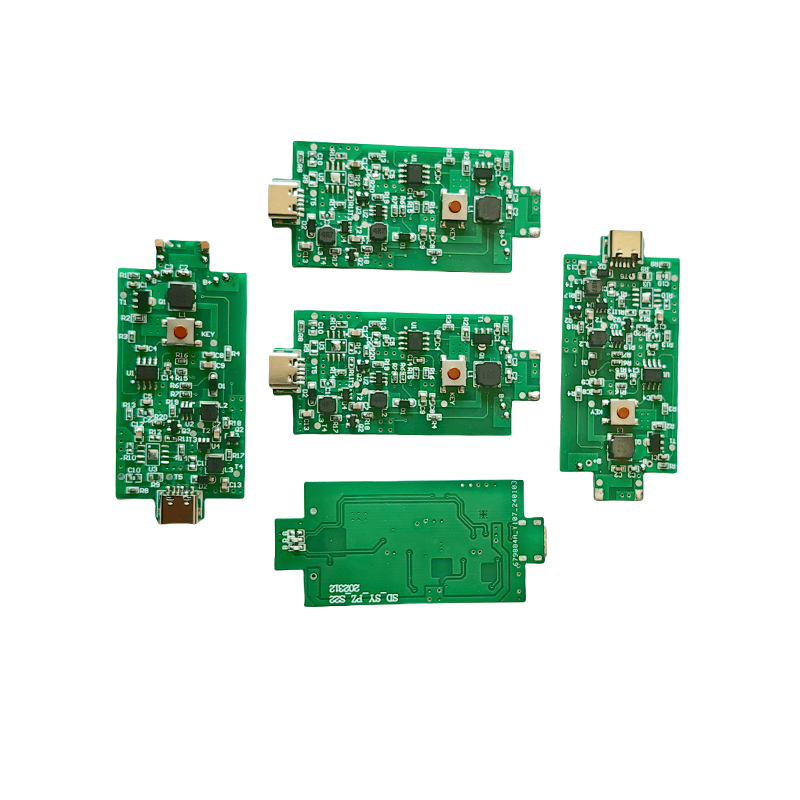
Humidifier Aromatherapy Humidifier Misting Tray PCB Board USB6V12V24V Five Head PCB Driver Board 10 Head Driver Board
-
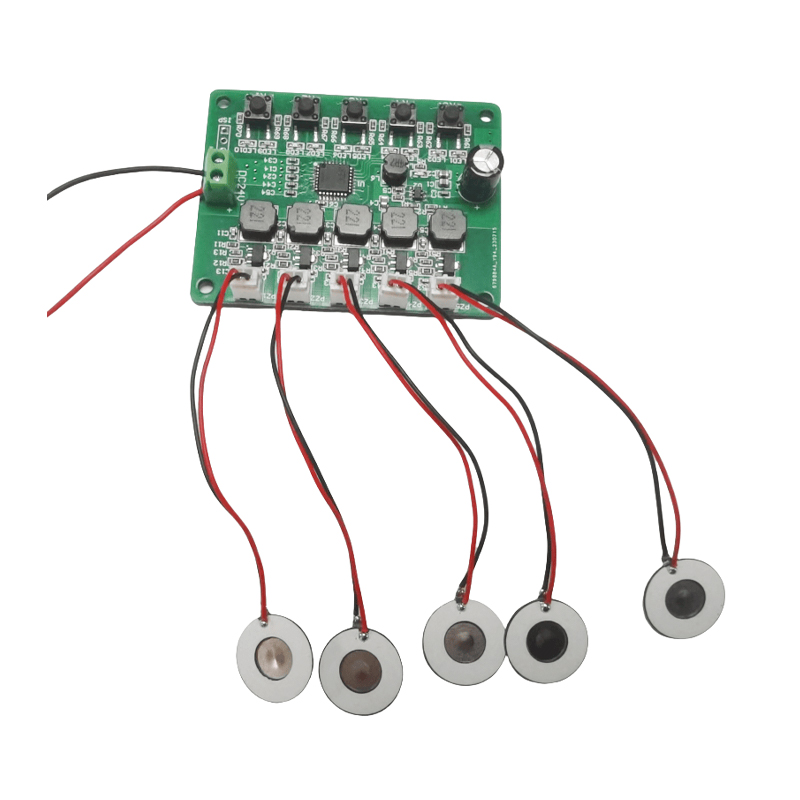
Medical Inhalation Nebulizer Respirator Head-mounted Nebulizer PCB Driver B
-
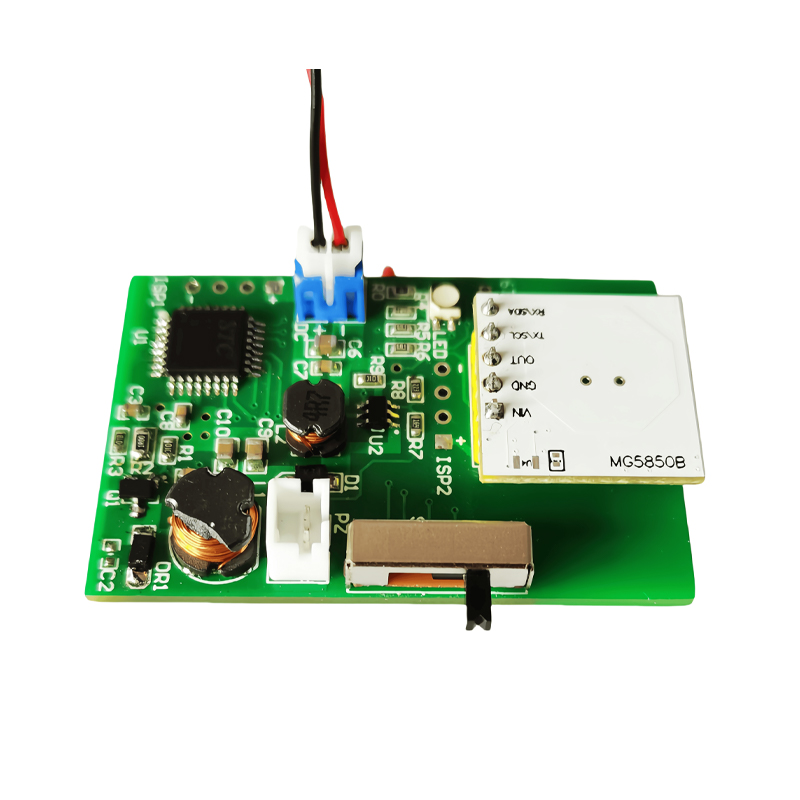
Medical Mesh Atomizer Tray PCB Electronic Smoking Cessation Atomizer PCB Driver Board
-
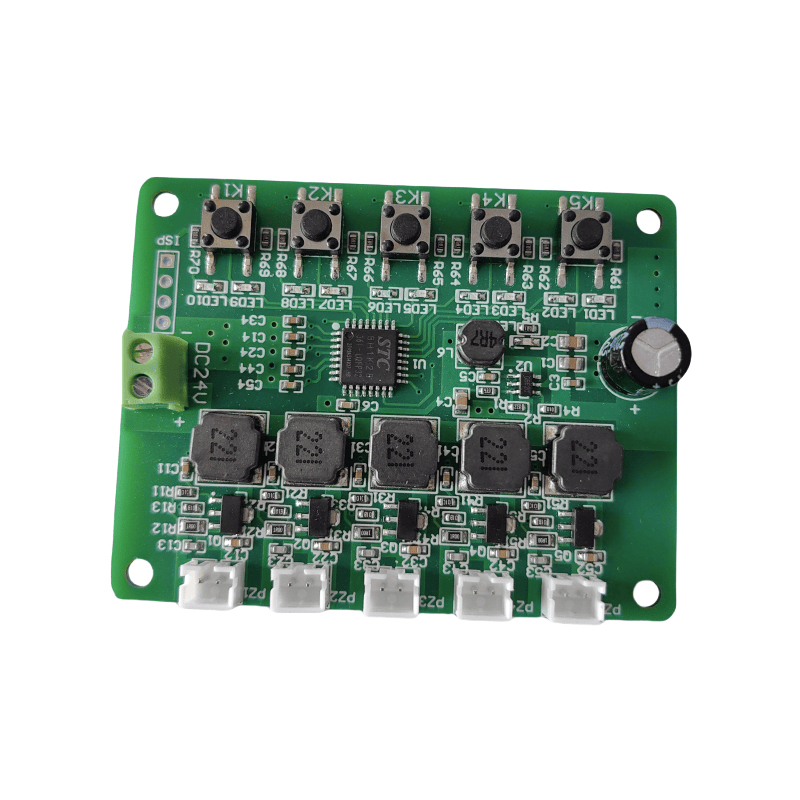
Driver Board For Humidifier Crescent PCB Board Timing 2/4h Function 1.5W
-
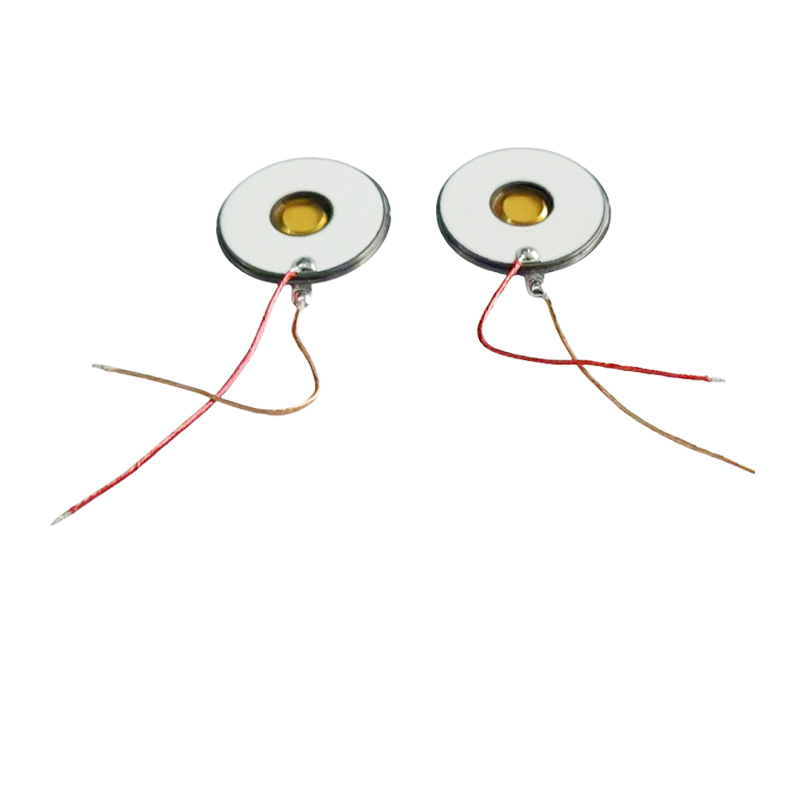
M16-108KHZ Polyimide PI MembraneMesh Micro Mesh NebulizerMedical NebulizerUltrasonic Mesh Nebulizer3μm Microporous Inhalation Nebulizer With Nebulizing DiscPower Consumption1~1.5W
-
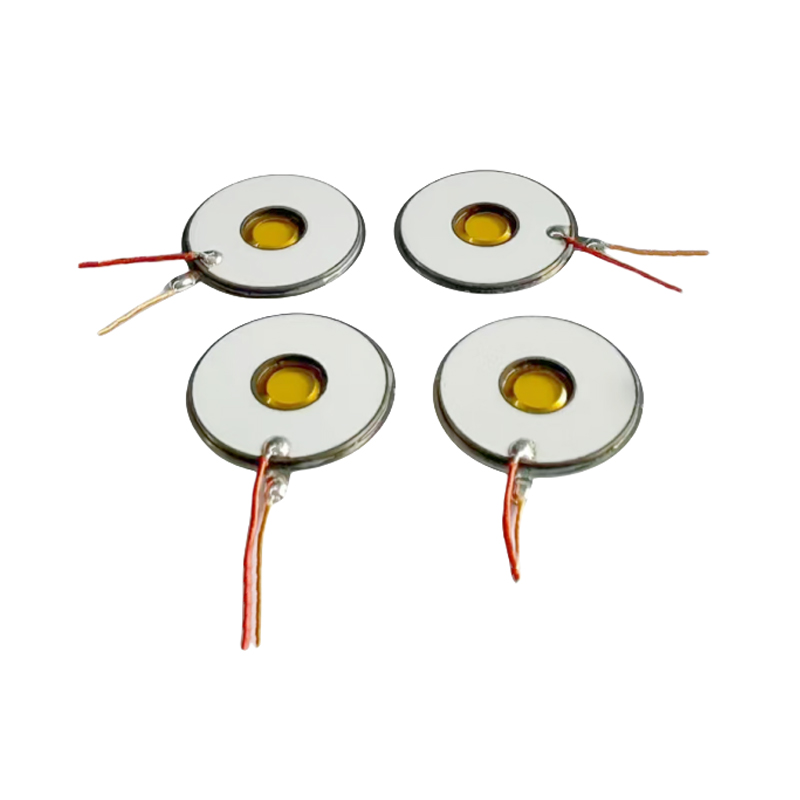
M16-108KHZ Polyimide PI MembraneMesh Micro Mesh NebulizerMedical NebulizerUltrasonic Mesh Nebulizer3μm Microporous Nebulizer Disc For Inhaler Nebulizer
-
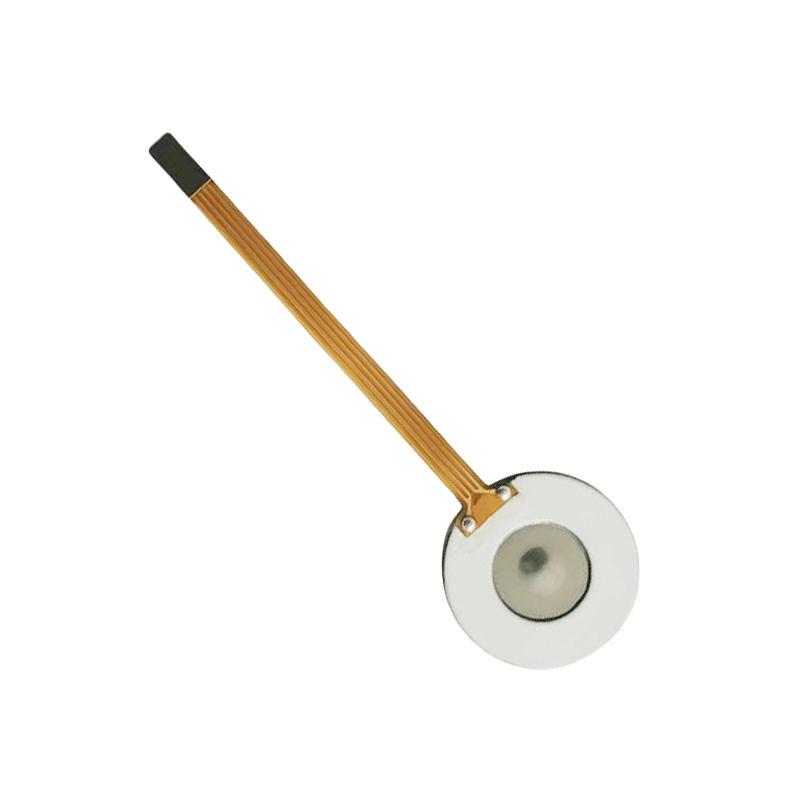
M16-110KHZ Polyimide PI MembraneMesh Micro Mesh NebulizerMedical NebulizerUltrasonic Mesh Nebulizer3μm Microporous Nebulizer Disc For Inhalation Nebulizer
-
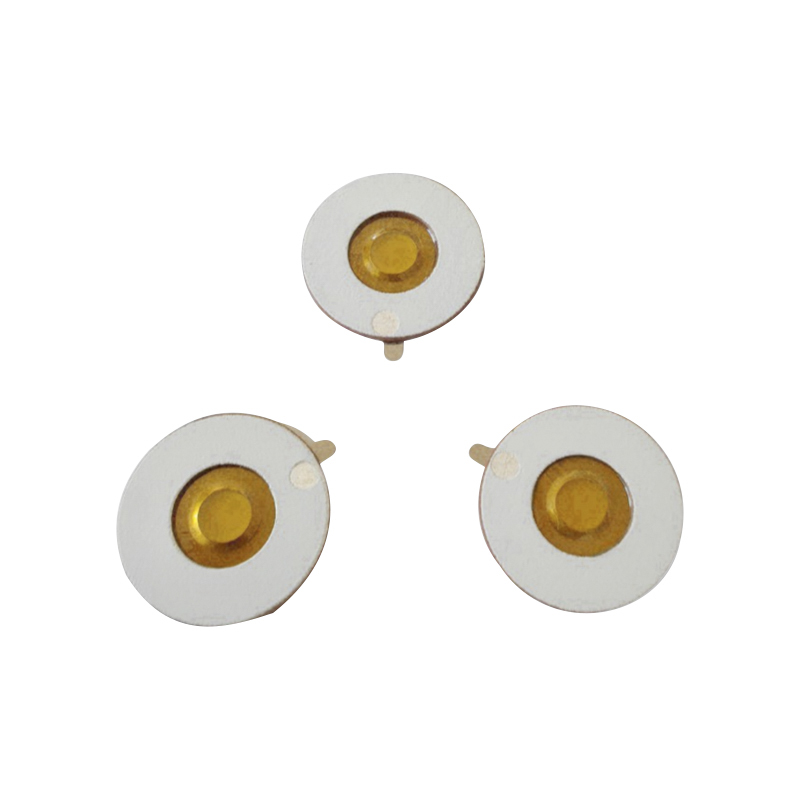
M16-108KHZ Polyimide PI MembraneMesh Micro Mesh NebulizerMedical NebulizerUltrasonic Mesh Nebulizer Tablet3μm Microporous Inhalation Budesonide Nebulizer Tray
- Quick Links
- Product
- About
- Application
- News
- Contact
- Product Links
- Medical Mesh Piezo Atomizer
- Polymer PI Film Piezo Atomizer
- KNN Lead-free Mesh Piezo Atomizer
- PI Lead Free Mesh Zeroing Chip
- Micro-mesh Piezo Atomizer For Heater
- Piezo Atomizer For Fan/Humidification/Beauty
- Ultrasonic Atomizing Transducer
- Ultrasonic High-frequency Piezo Atomizer
- Power Generation/Heating Sensor Piezo Atomizer
- Medical Piezo Atomizer PCB Design
- Precision Laser Micro-hole Processing Technology
- Contact
-
Building 1, Fortune Star 2, No.311 Huanzhen North Road, Chang'an Town, Haining City, Zhejiang Province, China.

-
+86-18006619680

-
+86-13777879680

-
Felix@saidapiezo.com

riney@saidapiezo.com
yugao@saidapiezo.com
emily@saidapiezo.com
dean@saidapiezo.com -
Felix: +86 18157327658

John: +86 18957351358
Emily: +86 18957339358
Dean: +86 15356418868
- Mobile