


 English
 中文简体
中文简体The Evolution of Piezoelectric Technology in Healthcare
The healthcare industry continuously evolves through technological advancement, and piezoelectric materials have become fundamental to modern medical device design. These materials convert mechanical stress into electrical signals and vice versa, enabling precise control and sensing capabilities in countless applications. A medical piezoelectric ceramic disc represents the convergence of materials science and biomedical engineering, offering reliability and accuracy that traditional components cannot match.
Piezoelectric ceramics have transformed from laboratory curiosities into indispensable components powering diagnostic and therapeutic equipment. Their ability to operate across extreme conditions while maintaining consistent performance makes them ideal for demanding medical environments where precision and reliability are non-negotiable.
Understanding Piezoelectric Ceramic Disc Composition and Properties
Core Material Composition
A piezoelectric ceramic disc typically consists of lead zirconate titanate (PZT) compounds, engineered crystal structures, and specialized dopants that enhance specific performance characteristics. The molecular arrangement creates polarization domains that respond to electrical and mechanical stimuli.
The composition determines critical parameters including piezoelectric coefficients, mechanical quality factors, and thermal stability. Different medical applications require tailored formulations, ranging from high-sensitivity sensors to high-power actuators. Manufacturers carefully control sintering temperatures, pressure conditions, and material purity to achieve desired specifications.
Key Physical Characteristics
- Dielectric permittivity ranging from 1000 to 3000, enabling efficient energy conversion
- Mechanical quality factors between 500 and 2000, reducing energy loss during operation
- Piezoelectric strain coefficients optimized for specific medical applications
- Frequency response capabilities from static conditions to several megahertz
- Temperature operating ranges typically from -40 degrees Celsius to 120 degrees Celsius
- Dimensional stability maintained across thermal cycling and repeated mechanical stress
These properties enable piezo ceramic disc components to function reliably in sterile, temperature-controlled environments where performance degradation could compromise patient outcomes.
Critical Applications in Medical Device Innovation
Ultrasound Imaging Systems
Piezoelectric ceramic elements form the foundation of modern ultrasound technology, converting electrical impulses into mechanical vibrations that generate sound waves and then converting returning echoes back into electrical signals. This bidirectional energy conversion enables real-time visualization of internal organs, blood flow patterns, and fetal development.
Medical imaging systems demand exceptional bandwidth, sensitivity, and temporal resolution. Piezoelectric ceramic discs engineered for these applications must maintain performance consistency across millions of operating cycles while withstanding sterilization procedures and repeated mechanical stress from patient contact.
Surgical Instrumentation
Ultrasonic surgical tools leverage piezoelectric ceramic discs to generate mechanical vibrations that enhance cutting precision and tissue interaction. These instruments enable surgeons to perform procedures with improved accuracy while reducing collateral tissue damage. The frequency and amplitude control provided by piezoelectric actuators directly impacts surgical outcomes and patient recovery times.
Therapeutic Equipment
Physical therapy and rehabilitation equipment utilize piezoelectric ceramics for targeted mechanical stimulation. Shock wave therapy devices, for example, generate controlled acoustic waves that promote tissue healing and accelerate recovery. These applications require piezoelectric components capable of producing consistent, repeatable mechanical pulses with precise amplitude and frequency control.
Diagnostic Sensors
Pressure sensors in patient monitoring systems employ piezoelectric ceramic elements to detect minute mechanical changes in blood pressure, intracranial pressure, and other vital parameters. These sensors must exhibit exceptional sensitivity while maintaining long-term stability and accuracy in complex physiological environments.
Drug Delivery Systems
Precision drug delivery devices utilize piezoelectric actuators to control the release of therapeutic agents with microscopic accuracy. Implantable and portable delivery systems depend on piezoelectric ceramic discs that consume minimal power while maintaining consistent performance throughout months or years of continuous operation.
Manufacturing Excellence and Quality Standards
Production Process Overview
Manufacturing medical-grade piezoelectric ceramic discs involves multiple precision stages, each requiring strict quality control. The process begins with raw material selection, followed by powder preparation, forming, sintering, electroding, and final testing. Each stage introduces potential variables that must be controlled within precise tolerances to ensure consistent performance across entire production batches.
Quality Assurance Frameworks
Manufacturers implementing comprehensive quality assurance programs conduct rigorous testing at multiple production stages. This includes:
- Raw material analysis verifying chemical composition and particle size distribution
- Dimensional precision measurements ensuring thickness, diameter, and flatness specifications
- Electrical property characterization including capacitance, resistance, and piezoelectric coefficients
- Mechanical strength testing through compression and resonance measurements
- Thermal cycling evaluations confirming stability across operating temperature ranges
- Accelerated life testing simulating extended operational periods
- Documentation traceability enabling full batch identification and performance tracking
Biocompatibility and Sterilization Considerations
Medical applications demand rigorous biocompatibility testing and validation of sterilization compatibility. Piezoelectric ceramic discs must withstand multiple sterilization cycles without degradation of electrical or mechanical properties. Manufacturers test components through autoclaving, chemical sterilization, and radiation exposure to ensure performance retention after sterilization procedures.
Performance Metrics and Comparative Analysis
| Performance Parameter | Typical Range | Medical Application Impact |
|---|---|---|
| Piezoelectric Strain Coefficient (d33) | 400-700 picometers per volt | Determines sensitivity and actuator displacement |
| Electromechanical Coupling Factor | 0.60-0.75 | Indicates efficiency of energy conversion |
| Frequency Bandwidth | 50 kilohertz to 5 megahertz | Enables diverse imaging and therapeutic modalities |
| Mechanical Quality Factor | 800-2000 | Affects resonance characteristics and efficiency |
| Insulation Resistance | Greater than 10 teraohms | Ensures long-term electrical stability |
| Operating Voltage Range | 50-1000 volts | Influences power consumption and device design |
These performance parameters demonstrate the precision engineering required to meet diverse medical equipment specifications. Different medical applications prioritize different parameters based on functional requirements and operational constraints.
Emerging Innovation Trends in Piezoelectric Medical Technology
Advanced Material Formulations
Researchers continuously develop new ceramic compositions offering improved performance characteristics. Recent innovations focus on reducing lead content while maintaining piezoelectric efficiency, developing lead-free alternatives for environmental compatibility, and creating specialized formulations optimized for specific frequency ranges or temperature operating windows.
Miniaturization and Integration
Modern medical devices demand increasingly compact components. Engineers develop miniaturized piezoelectric ceramic discs maintaining performance while occupying minimal space. This trend enables portable diagnostic equipment, minimally invasive surgical instruments, and implantable therapeutic devices that were previously impossible to create.
Multi-Functional Component Design
Contemporary piezoelectric ceramic disc manufacturers engineer components serving multiple functions simultaneously. These integrated designs combine sensing and actuation capabilities, reducing component count, improving reliability, and streamlining device assembly.
Enhanced Durability Solutions
New coating technologies and structural designs extend piezoelectric component lifespan under demanding operating conditions. These innovations enable medical devices to withstand repeated sterilization, extended temperature cycling, and mechanical stress while maintaining precise performance specifications throughout extended service periods.
Selecting Appropriate Piezoelectric Ceramic Solutions
Application-Specific Requirements
Choosing the correct piezoelectric ceramic disc involves comprehensive analysis of application requirements including operating frequency, power output or sensing sensitivity, dimensional constraints, environmental conditions, and reliability expectations. Medical device designers must balance performance optimization against cost considerations and manufacturing feasibility.
Key Selection Criteria
- Frequency characteristics matching device operational requirements
- Dimensional specifications fitting available space within medical equipment
- Electrical impedance compatibility with drive electronics or sensing circuits
- Temperature stability across expected operating and storage conditions
- Mechanical durability withstanding repeated use and sterilization cycles
- Biocompatibility and sterilization process compatibility validation
- Long-term performance stability maintaining specifications throughout product lifespan
- Cost-effectiveness balancing performance requirements against device pricing constraints
Collaboration with Component Specialists
Medical device manufacturers benefit from close collaboration with piezoelectric component suppliers during development stages. Early engagement enables optimization of component specifications for specific applications, validation of sterilization compatibility, and identification of potential performance enhancement opportunities. This collaborative approach reduces development timelines and improves final product performance.
Technical Challenges and Solutions in Piezoelectric Implementation
Temperature Stability Concerns
Piezoelectric materials exhibit temperature-dependent performance characteristics. Operating temperature changes affect piezoelectric coefficients, resonant frequencies, and impedance values. Medical device designers implement thermal management strategies including insulation, active cooling, and temperature compensation algorithms to maintain consistent performance across operational temperature variations.
Aging and Long-Term Stability
Piezoelectric ceramic materials experience gradual property changes through extended operational periods. This aging process affects piezoelectric coefficients and electrical characteristics. Modern manufacturing incorporates stabilization processes that significantly reduce aging rates, while device designs incorporate calibration mechanisms enabling performance maintenance throughout extended service periods.
Mechanical Stress Management
Piezoelectric ceramics exhibit brittleness requiring careful mechanical design. Stress concentration points can initiate cracking during operation. Medical device engineers employ finite element analysis to model stress distribution, design components with optimized geometries avoiding stress concentration, and specify material compounds with improved mechanical resilience.
Electromagnetic Interference Mitigation
Piezoelectric sensing systems require careful shielding and filtering to prevent electromagnetic interference from affecting measurement accuracy. Medical device designs incorporate shielded cabling, filtered power supplies, and grounding strategies ensuring signal integrity in complex electromagnetic environments typical of modern hospitals.
Manufacturing Approaches and Their Impact on Performance
Conventional Manufacturing Approaches
Traditional piezoelectric ceramic disc production relies on established processes refined over decades. These methods offer cost-effectiveness and adequate performance for many medical applications. However, tolerances and performance consistency depend heavily on operator skill and environmental conditions.
Advanced Manufacturing Technologies
Contemporary manufacturers increasingly employ automated systems, real-time monitoring, and advanced process control. These technologies enable tighter tolerances, improved consistency across production batches, and enhanced performance specifications. Advanced manufacturing approaches command higher component costs but deliver superior reliability and performance for critical medical applications.
Custom vs. Standard Component Solutions
Medical device manufacturers choose between standardized piezoelectric ceramic discs offering cost advantages and custom-engineered solutions optimized for specific applications. Custom development provides performance advantages justifying higher costs for high-volume devices or applications where performance optimization directly improves patient outcomes.
Regulatory Compliance and Quality Certification
International Standards and Requirements
Medical piezoelectric ceramic disc manufacturers operate within comprehensive regulatory frameworks ensuring safety, reliability, and biocompatibility. International standards including those published by standards organizations specify electrical properties, mechanical characteristics, thermal stability, and testing methodologies ensuring component quality and consistency.
Biocompatibility Validation
Components contacting patient tissue require biocompatibility testing confirming absence of cytotoxic, sensitization, or irritation responses. Testing protocols evaluate material extracts and finished components across multiple contact scenarios. Manufacturers maintain comprehensive documentation demonstrating biocompatibility compliance for medical applications.
Sterilization Compatibility
Medical devices require sterilization before clinical use. Piezoelectric ceramic disc manufacturers validate component performance retention following sterilization procedures including steam autoclaving, ethylene oxide gas exposure, and radiation methods. Performance testing after sterilization confirms electrical and mechanical properties remain within specifications.
Traceability and Documentation
Regulatory requirements mandate complete traceability for medical component batches. Manufacturers maintain detailed records documenting raw material sources, production parameters, testing results, and sterilization validation. This documentation enables rapid response to any identified issues and supports post-market surveillance activities.
Future Directions in Piezoelectric Medical Technology
Artificial Intelligence Integration
Medical devices incorporating piezoelectric sensors increasingly employ artificial intelligence algorithms analyzing sensor data in real-time. These systems enable predictive diagnostics, adaptive therapy optimization, and early detection of physiological abnormalities. Piezoelectric ceramics provide the precise sensing foundation enabling these advanced analytical capabilities.
Miniaturization Advances
Ongoing research focuses on developing ultra-miniaturized piezoelectric components for implantable and wearable medical devices. These innovations enable new therapeutic possibilities including microscale ultrasonic delivery systems and distributed sensor networks for comprehensive physiological monitoring.
Biocompatible and Lead-Free Solutions
Environmental regulations and biocompatibility concerns drive development of lead-free piezoelectric ceramic formulations. Research advances enable lead-free materials achieving performance approaching traditional lead-based ceramics. These innovations support regulatory compliance while maintaining device performance requirements.
Energy Harvesting Applications
Piezoelectric components enable energy harvesting from physiological motion, potentially powering implantable devices without external batteries. Research into optimized energy-harvesting designs and energy storage integration offers possibilities for autonomous, maintenance-free implantable medical devices.
Real-Time Performance Monitoring
Emerging technologies enable real-time monitoring of piezoelectric component performance within operating medical devices. These systems detect performance degradation enabling predictive maintenance and preventing unexpected device failures during clinical use.
Implementation Best Practices for Medical Device Engineers
Early Supplier Engagement
Successful medical device development incorporating piezoelectric ceramics begins with early engagement with component suppliers. Designers collaborate with manufacturers during initial development stages enabling optimization of component specifications, identification of manufacturing constraints, and validation of sterilization compatibility before prototype fabrication.
Comprehensive Specification Development
Detailed component specifications establish clear performance requirements, dimensional tolerances, electrical properties, and reliability expectations. Well-developed specifications enable suppliers to deliver consistent products meeting device requirements while reducing ambiguity and potential performance issues.
Robust Testing Protocols
Medical device engineers establish comprehensive component testing protocols confirming performance retention through expected operational conditions and sterilization procedures. Testing includes dimensional verification, electrical characterization, mechanical durability assessment, and thermal cycling validation ensuring component reliability throughout device lifespan.
Design for Manufacturability
Component designs considering manufacturing constraints enable production of consistent, high-quality components. Engineers collaborate with suppliers identifying optimal geometries, dimensional tolerances, and assembly approaches supporting reliable manufacturing while meeting performance requirements.
Supplier Relationship Management
Long-term supplier relationships facilitate continuous improvement, cost optimization, and collaborative problem-solving. Regular communication regarding performance requirements, market trends, and technological innovations enables suppliers to proactively suggest improvements and innovations supporting device competitiveness.
Cost Considerations and Economic Impact Analysis
Component Cost Structure
Piezoelectric ceramic disc pricing reflects material costs, manufacturing complexity, quality assurance expenses, and regulatory compliance requirements. Custom components command premiums compared to standardized solutions, reflecting additional engineering and validation expenses. High-volume production enables cost advantages through manufacturing efficiency and tooling amortization.
Total Device Economics
While piezoelectric components represent component-level costs, their contribution to overall device value often significantly exceeds material expense. Improved diagnostic accuracy, enhanced therapeutic effectiveness, and extended device reliability frequently justify premium component pricing through superior device performance and improved patient outcomes.
Lifecycle Cost Analysis
Comprehensive economic analysis considering complete device lifecycle often favors higher-performance piezoelectric components. Improved reliability reducing warranty claims and service costs, enhanced performance increasing clinical adoption, and extended operational lifespan providing superior value over multi-year deployment periods justify initial component cost premiums.
Market Competitiveness
Device manufacturers balancing performance optimization against cost constraints employ component cost analysis as part of broader product strategy development. Competitive analysis comparing component performance and pricing enables informed decisions regarding quality levels appropriate for target market segments.
Environmental and Sustainability Considerations
Lead Content Reduction Initiatives
Environmental regulations restricting hazardous substance use drive development of lead-free piezoelectric ceramic formulations. Manufacturers invest in research enabling lead-free materials performing comparably to traditional compositions while reducing environmental impact and supporting regulatory compliance.
Manufacturing Waste Reduction
Sustainable manufacturing practices minimize raw material waste and processing byproducts. Advanced manufacturing technologies enabling tighter tolerances reduce component rejection rates. Supplier initiatives targeting waste reduction support environmental responsibility while improving manufacturing efficiency and reducing costs.
End-of-Life Component Management
Medical device recycling programs incorporate piezoelectric ceramic components in broader device recycling strategies. Component recycling recovers valuable materials while minimizing landfill disposal impacts. Manufacturers increasingly design components supporting easier disassembly and material recovery during device end-of-life processing.
Energy Efficiency in Manufacturing
Piezoelectric component manufacturing employs energy-intensive processes including kiln firing and precision machining. Manufacturers implement process optimization, equipment upgrades, and facility improvements reducing energy consumption per component produced. These efficiency improvements reduce operational costs while supporting environmental sustainability objectives.
Conclusion: The Indispensable Role of Piezoelectric Innovation
Medical piezoelectric ceramic discs represent convergence of advanced materials science, precision manufacturing, and rigorous quality assurance enabling modern medical technology. From diagnostic ultrasound systems revealing internal physiological detail to therapeutic equipment delivering precise tissue stimulation, piezoelectric components drive medical innovation improving patient outcomes across diverse clinical specialties.
The evolution from conventional manufacturing toward advanced automated systems, development of miniaturized components enabling new therapeutic possibilities, and emergence of lead-free formulations supporting environmental responsibility demonstrate ongoing commitment to piezoelectric technology advancement. As medical devices increase in sophistication and clinical demands intensify, piezoelectric ceramic discs will continue playing central roles in enabling next-generation medical technology.
Medical device engineers, manufacturers, and healthcare providers benefit from understanding piezoelectric component capabilities, limitations, and implementation considerations. Successful device development requires collaboration among component specialists, device manufacturers, and clinical practitioners identifying optimal technology solutions addressing specific clinical challenges. As piezoelectric technology continues advancing, opportunities emerge for innovations improving diagnostic precision, therapeutic effectiveness, and patient care quality across global healthcare systems.
Frequently Asked Questions
Q1: What exactly is a piezoelectric ceramic disc and how does it function in medical applications?
A piezoelectric ceramic disc is a specialized component composed of ceramic materials engineered to convert electrical energy into mechanical vibrations and vice versa. In medical applications, these discs enable ultrasound imaging by generating and receiving sound waves, power surgical instruments with precise mechanical vibrations, and sense physiological parameters through mechanical-to-electrical conversion. The specific material composition determines performance characteristics including frequency response, sensitivity, and operating voltage requirements.
Q2: How do biocompatibility requirements affect piezoelectric ceramic disc design for implantable medical devices?
Biocompatibility requirements mandate that piezoelectric ceramic materials used in implantable applications undergo rigorous testing confirming absence of toxic, allergenic, or irritant responses. Manufacturers select material compositions, protective coatings, and electrode materials based on biocompatibility testing results. Sterilization method compatibility also receives careful consideration ensuring component performance retention following sterilization procedures required before clinical implantation.
Q3: What are the primary differences between conventional and lead-free piezoelectric ceramic formulations?
Conventional piezoelectric ceramics typically utilize lead zirconate titanate formulations providing excellent piezoelectric properties and thermal stability. Lead-free alternatives employ different material systems offering comparable performance while eliminating environmental and regulatory concerns associated with lead content. Trade-offs include potentially higher material costs, slight performance variations in specific frequency ranges, and ongoing research refining lead-free formulation performance to match conventional materials.
Q4: How frequently require piezoelectric ceramic components in medical devices require replacement or maintenance?
Modern piezoelectric ceramic components engineered for medical applications exhibit extended operational lifespans often exceeding the intended service period of medical devices. Most medical ultrasound systems, surgical instruments, and diagnostic equipment maintain piezoelectric component performance throughout their clinical lifespan without component replacement requirements. Routine device maintenance typically focuses on calibration, external cleaning, and sterilization rather than component replacement unless device damage occurs.
Q5: What testing and validation procedures ensure piezoelectric ceramic disc reliability in demanding medical environments?
Comprehensive testing protocols evaluate dimensional accuracy, electrical properties, mechanical durability, thermal stability, and performance retention following sterilization exposure. Testing includes resonance frequency measurement, impedance characterization, mechanical strength assessment, thermal cycling evaluation, and accelerated life testing simulating extended operational periods. Manufacturers maintain detailed documentation demonstrating successful completion of all validation procedures required for medical device applications.
Q6: How do manufacturers ensure consistency and quality across large-scale piezoelectric ceramic disc production?
Quality assurance programs incorporate statistical process control, automated equipment monitoring, in-process testing at multiple production stages, and comprehensive final product testing. Manufacturers establish performance specification ranges enabling detection of deviations requiring corrective action. Batch traceability systems enable rapid investigation and resolution should any quality issues emerge following component delivery to medical device manufacturers.
Q7: Are there limitations to piezoelectric ceramic disc performance that medical device designers must consider?
Piezoelectric ceramics exhibit temperature-dependent properties requiring thermal management consideration in device design. Operating at frequencies far from material resonance frequencies reduces efficiency. Material brittleness necessitates careful mechanical design avoiding stress concentration points. Extended operational periods may result in gradual property changes addressed through device design incorporating calibration mechanisms and material stabilization processes reducing aging rates.
Q8: How do cost considerations influence piezoelectric ceramic disc selection for medical device applications?
Component costs vary substantially based on customization level, production volume, performance specifications, and quality requirements. Standard components offer cost advantages compared to custom-engineered solutions. High-volume device production enables cost economies through manufacturing efficiency and tooling amortization. Device manufacturers balance component costs against performance benefits and clinical value propositions ensuring cost-effective solutions delivering necessary performance levels.
Related Products
-
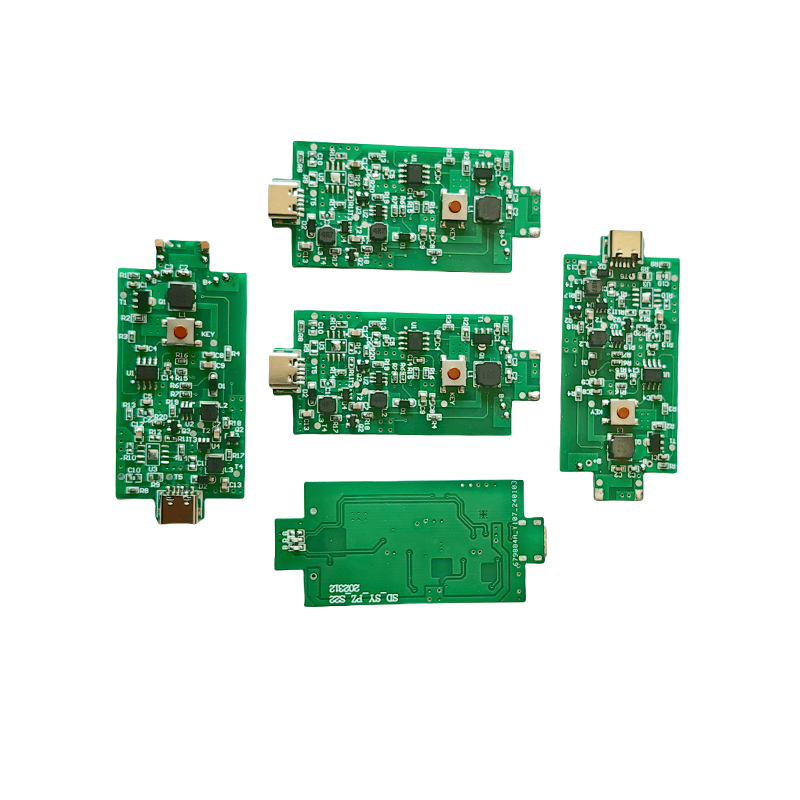
Humidifier Aromatherapy Humidifier Misting Tray PCB Board USB6V12V24V Five Head PCB Driver Board 10 Head Driver Board
-
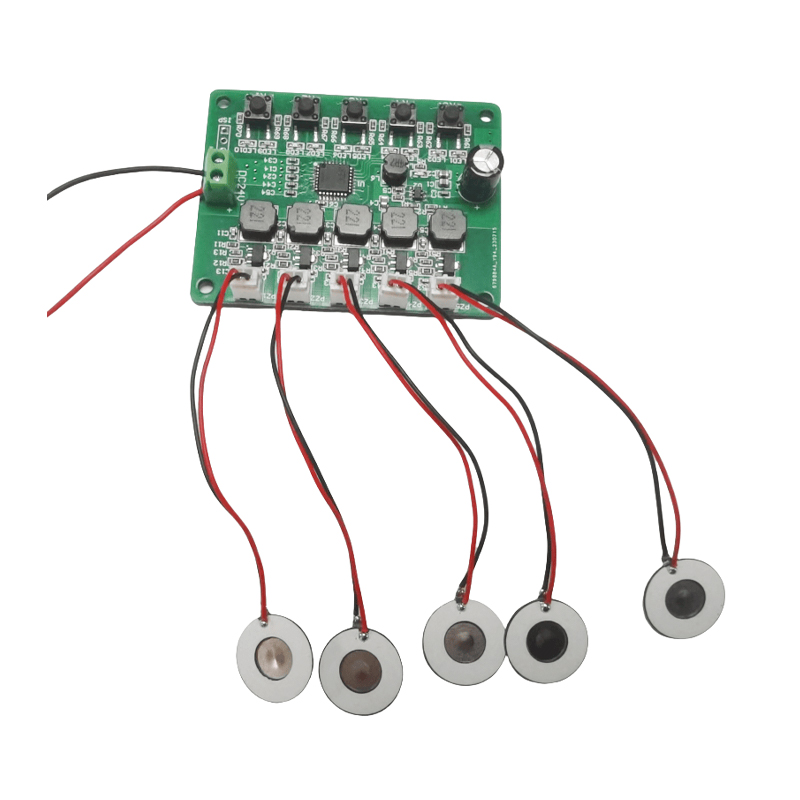
Medical Inhalation Nebulizer Respirator Head-mounted Nebulizer PCB Driver B
-
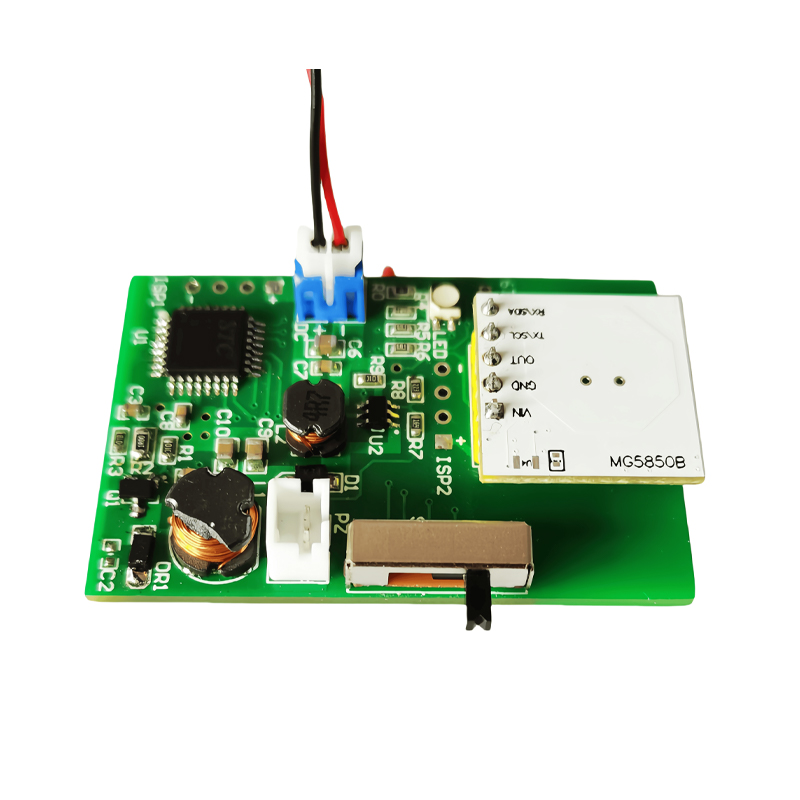
Medical Mesh Atomizer Tray PCB Electronic Smoking Cessation Atomizer PCB Driver Board
-
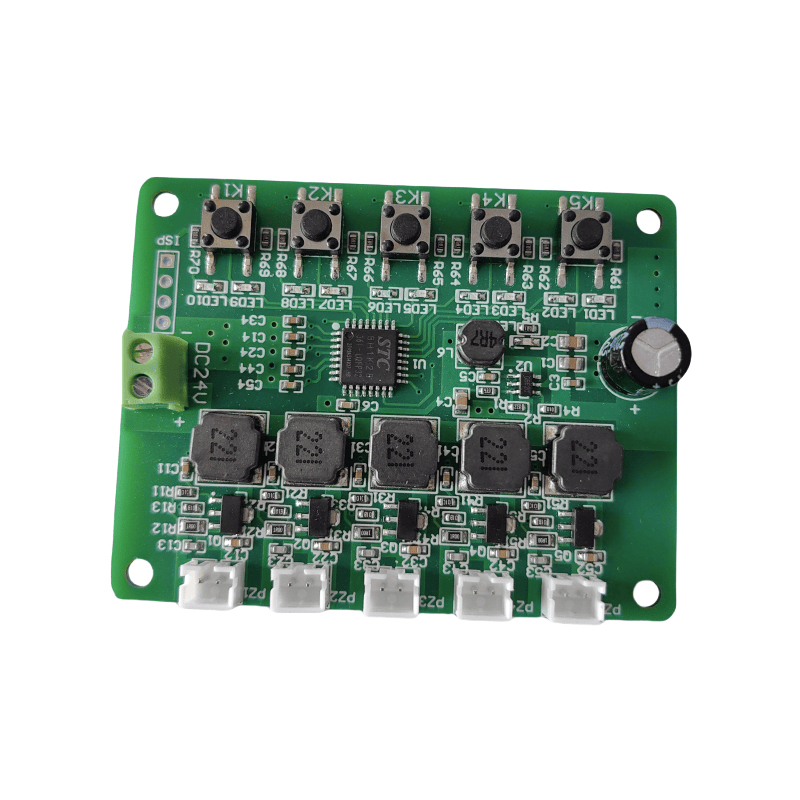
Driver Board For Humidifier Crescent PCB Board Timing 2/4h Function 1.5W
-
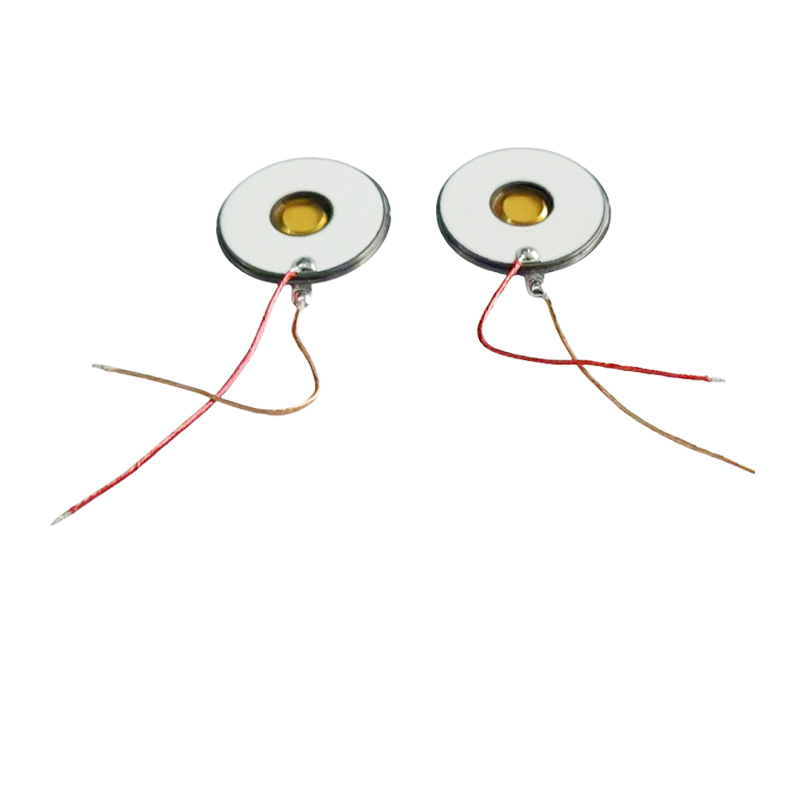
M16-108KHZ Polyimide PI MembraneMesh Micro Mesh NebulizerMedical NebulizerUltrasonic Mesh Nebulizer3μm Microporous Inhalation Nebulizer With Nebulizing DiscPower Consumption1~1.5W
-
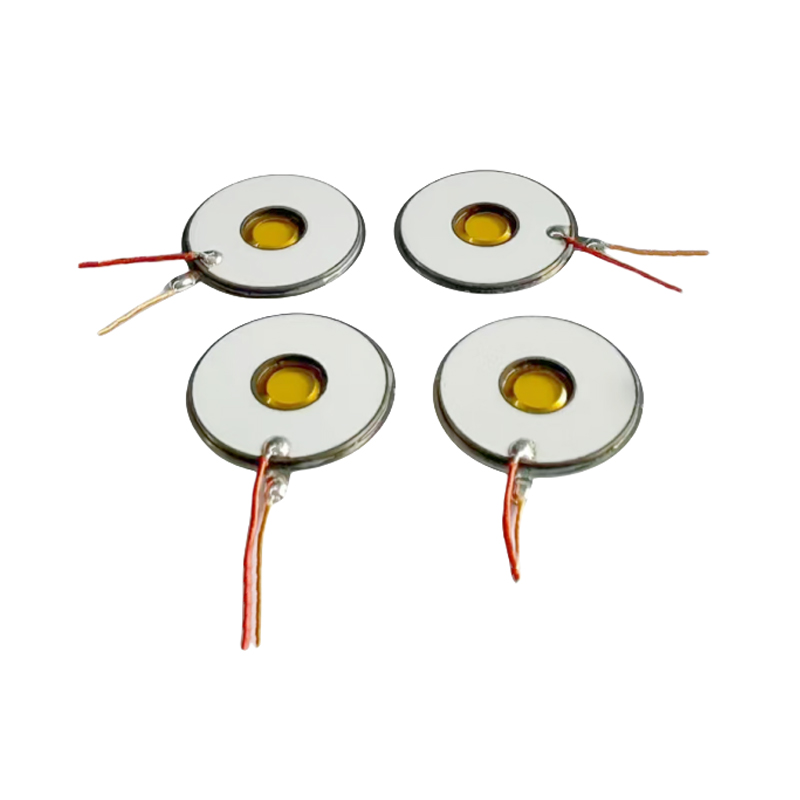
M16-108KHZ Polyimide PI MembraneMesh Micro Mesh NebulizerMedical NebulizerUltrasonic Mesh Nebulizer3μm Microporous Nebulizer Disc For Inhaler Nebulizer
-
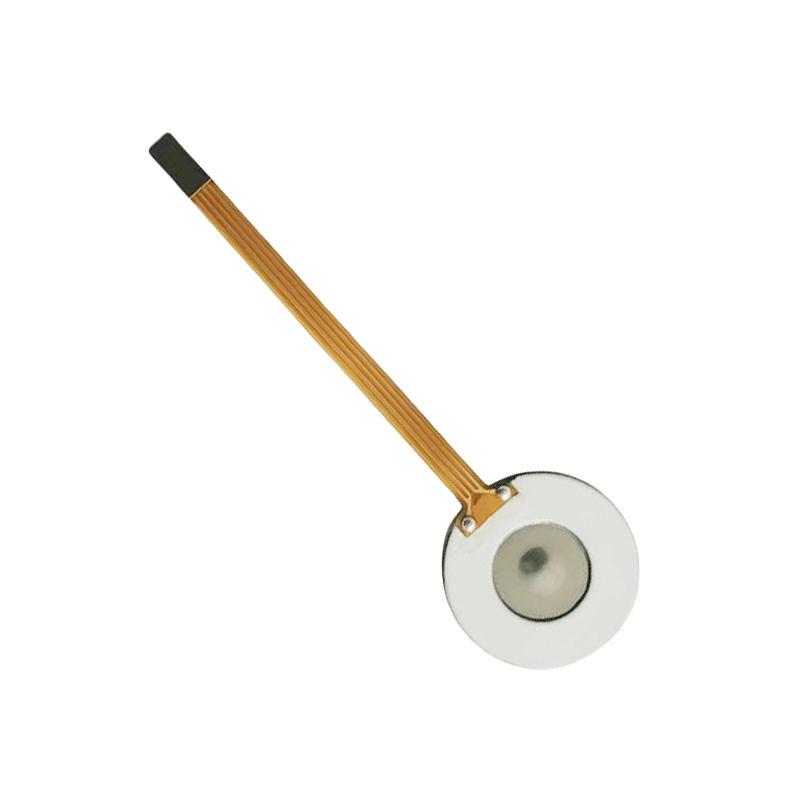
M16-110KHZ Polyimide PI MembraneMesh Micro Mesh NebulizerMedical NebulizerUltrasonic Mesh Nebulizer3μm Microporous Nebulizer Disc For Inhalation Nebulizer
-
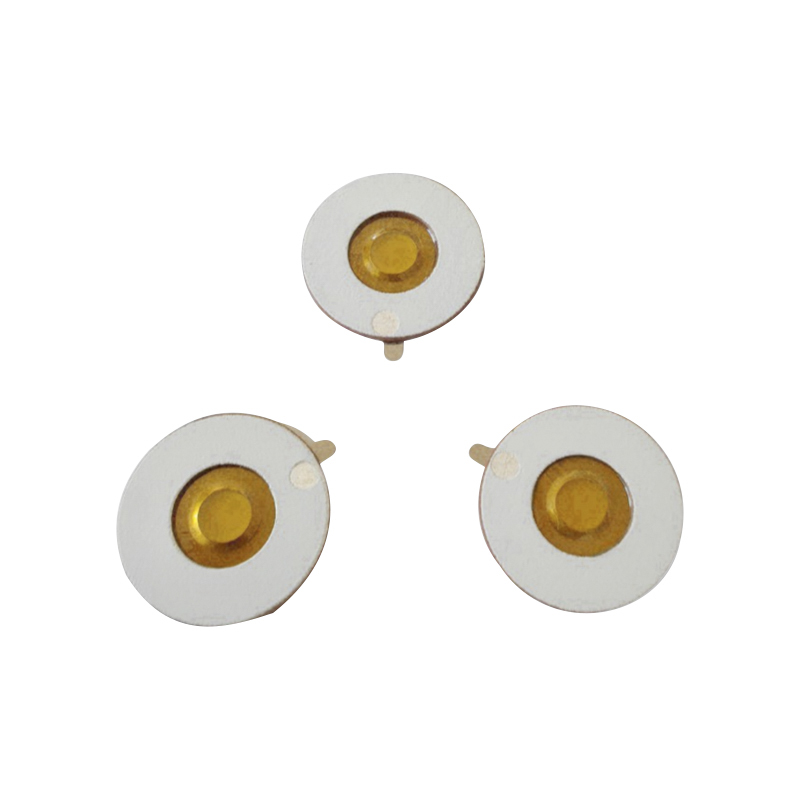
M16-108KHZ Polyimide PI MembraneMesh Micro Mesh NebulizerMedical NebulizerUltrasonic Mesh Nebulizer Tablet3μm Microporous Inhalation Budesonide Nebulizer Tray
- Quick Links
- Product
- About
- Application
- News
- Contact
- Product Links
- Medical Mesh Piezo Atomizer
- Polymer PI Film Piezo Atomizer
- KNN Lead-free Mesh Piezo Atomizer
- PI Lead Free Mesh Zeroing Chip
- Micro-mesh Piezo Atomizer For Heater
- Piezo Atomizer For Fan/Humidification/Beauty
- Ultrasonic Atomizing Transducer
- Ultrasonic High-frequency Piezo Atomizer
- Power Generation/Heating Sensor Piezo Atomizer
- Medical Piezo Atomizer PCB Design
- Precision Laser Micro-hole Processing Technology
- Contact
-
Building 1, Fortune Star 2, No.311 Huanzhen North Road, Chang'an Town, Haining City, Zhejiang Province, China.

-
+86-18006619680

-
+86-13777879680

-
Felix@saidapiezo.com

riney@saidapiezo.com
yugao@saidapiezo.com
emily@saidapiezo.com
dean@saidapiezo.com -
Felix: +86 18157327658

John: +86 18957351358
Emily: +86 18957339358
Dean: +86 15356418868
- Mobile