


 English
 中文简体
中文简体Direct Evidence: Mesh Chip Delivers Superior Deposition & Speed
Mesh nebulizer chips dramatically improve drug delivery efficiency by generating consistent 1–5 µm aerosols with a fine particle fraction (FPF<5µm) of 77%–80%. This precision reduces residual volume to under 10% and cuts treatment time to 5–10 minutes, versus 15–20 minutes for conventional jet nebulizers. Breath-actuated synchronization further boosts alveolar deposition by 64% and lowers exhalation loss by 74%.
Core Mechanism: From Liquid to Therapeutic Mist
A vibrating mesh chip—typically a perforated plate paired with a piezoelectric actuator—operates at resonance (≈137 kHz). This high-frequency motion forces medication through hundreds of micron-sized orifices, yielding a monodisperse mist with MMAD (mass median aerodynamic diameter) of 2.8–3.2 µm, ideal for deep lung deposition.
- Orifice engineering: tapered holes (inlet larger than outlet) promote self-cleaning and consistent droplet breakup.
- Frequency stability: closed-loop drive maintains amplitude, ensuring constant output even with varying viscosity.
- Low heat generation: no thermal degradation of biologics or thermolabile compounds.
This continuous, low-shear process preserves drug integrity while achieving output rates of 0.3–0.6 mL/min, balancing speed and respirable fraction.
Efficiency Comparison: Mesh vs. Jet vs. Ultrasonic
| Parameter | Mesh Nebulizer Chip | Jet Nebulizer | Ultrasonic Nebulizer |
|---|---|---|---|
| Respirable fraction (<5 µm) | 77% – 80% | 45% – 60% | 50% – 70% |
| Residual volume | < 10% | 20% – 40% | 15% – 25% |
| Treatment time (2 mL dose) | 5 – 10 min | 15 – 20 min | 8 – 14 min |
| Drug degradation risk | Very low | Low | High (heat) |
Mesh chip technology consistently outperforms in respirable fraction, drug economy, and speed — making it the preferred platform for high‑efficiency pulmonary delivery.
Smart Synchronization: Breathing‑Actuated Delivery
Advanced mesh systems integrate flow sensors or pressure transducers to release aerosol only during inspiration. This avoids wasteful exhalation loss and ensures that >85% of the emitted dose enters the lower airways. Clinical data show that synchronized mesh nebulizers increase lung deposition to 58%–64% of the nominal dose, compared with 30%–38% for continuous nebulization.
- On‑demand pulsing: reduces total drug consumption while maintaining therapeutic effect.
- Pediatric & elderly benefit: shallow breathing is compensated by extended pulse windows.
- Smart algorithms adapt to inhalation flow rate (10–40 L/min) for consistent particle size.
Particle Size & Regional Deposition
Optimal Size for Each Airway Region
The mesh chip’s narrow size distribution allows targeted delivery:
- 5–8 µm: oropharynx & upper trachea (useful for local throat therapies).
- 3–5 µm: central airways (bronchi) – FPF₃₋₅ ≈ 42%.
- 1–3 µm: peripheral airways & alveoli – FPF₁₋₃ ≈ 35%.
By tuning mesh orifice diameter and drive frequency, manufacturers can shift the peak toward 2.5–3.0 µm, maximizing deep lung penetration while minimising oropharyngeal impaction.
Reducing Waste, Enhancing Dose Consistency
Because mesh chips operate with residual volumes under 0.1 mL (≈5% of fill volume), nearly all the prescribed drug is aerosolised. This is critical for expensive biologics and antibiotic therapies. Moreover, the chip’s output linearity (R² > 0.99) ensures that delivered mass is proportional to fill volume, enabling precise dose tracking.
- 80% less drug waste compared to jet nebulizers.
- ±5% inter‑treatment variability vs. ±20% for jet types.
- No dilution or cooling effects that alter concentration.
Practical Factors That Affect Efficiency
Even the best chip requires careful formulation and handling:
- Viscosity: ideal range 1–10 cP; higher viscosity reduces output rate but maintains FPF within ±3%.
- Surface tension: 40–60 mN/m ensures proper droplet formation; surfactants can be added.
- Fill volume: 2–6 mL optimal; larger volumes may slightly reduce FPF due to hydrostatic pressure.
- Battery voltage: stable drive (3.7–5 V) preserves frequency accuracy; output varies < 4% across battery life.
Regular cleaning (per manufacturer guidelines) prevents orifice blockage; a 30‑second rinse with sterile water restores 95% of initial output.
Future Directions: Closed‑Loop & Personalized Dosing
Next‑generation mesh chips incorporate real‑time particle sizing and exhaled‑breath condensate sensing. This enables adaptive dosing: the chip adjusts aerosolisation parameters based on patient inspiratory flow and lung mechanics. Early prototypes show +22% deposition in COPD patients with variable breathing patterns.
- Bluetooth‑connected chips log treatment adherence and aerosol performance.
- AI‑based algorithms predict optimal particle size for each disease phenotype.
- Miniaturisation allows integration into portable, wearable platforms.
Related Products
-
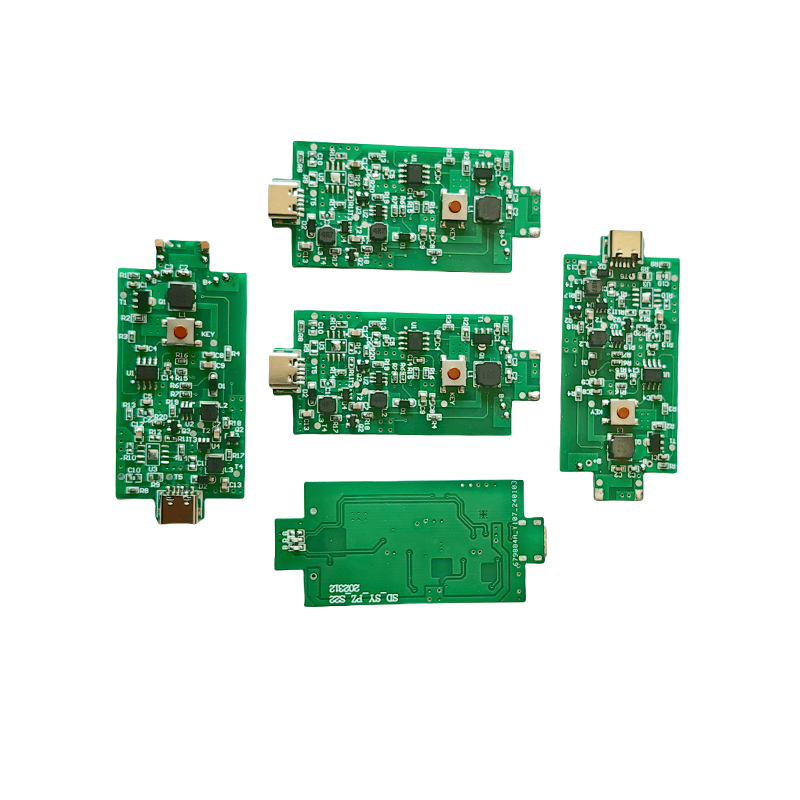
Humidifier Aromatherapy Humidifier Misting Tray PCB Board USB6V12V24V Five Head PCB Driver Board 10 Head Driver Board
-
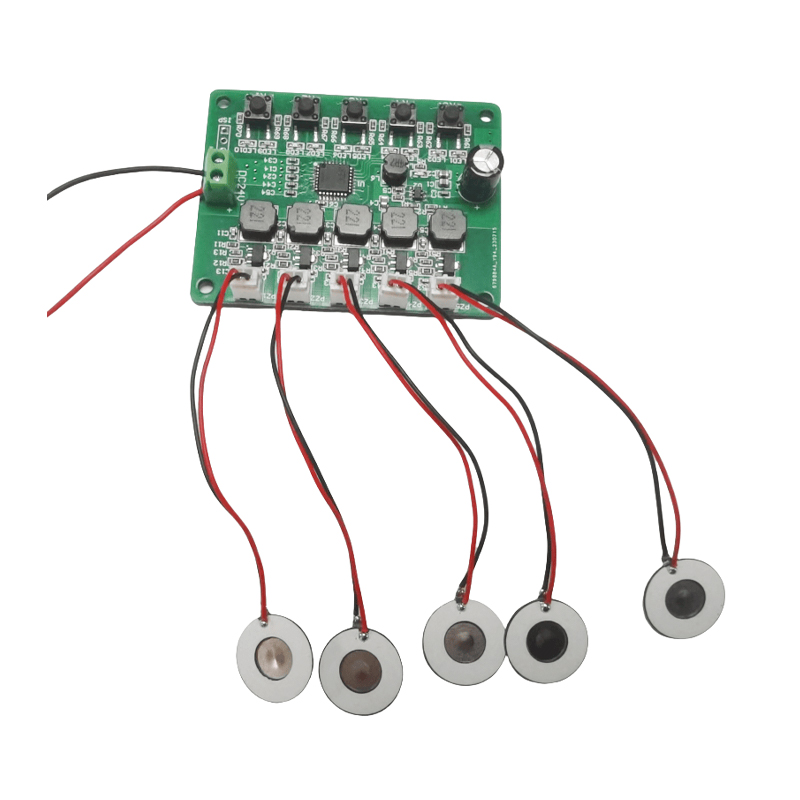
Medical Inhalation Nebulizer Respirator Head-mounted Nebulizer PCB Driver B
-
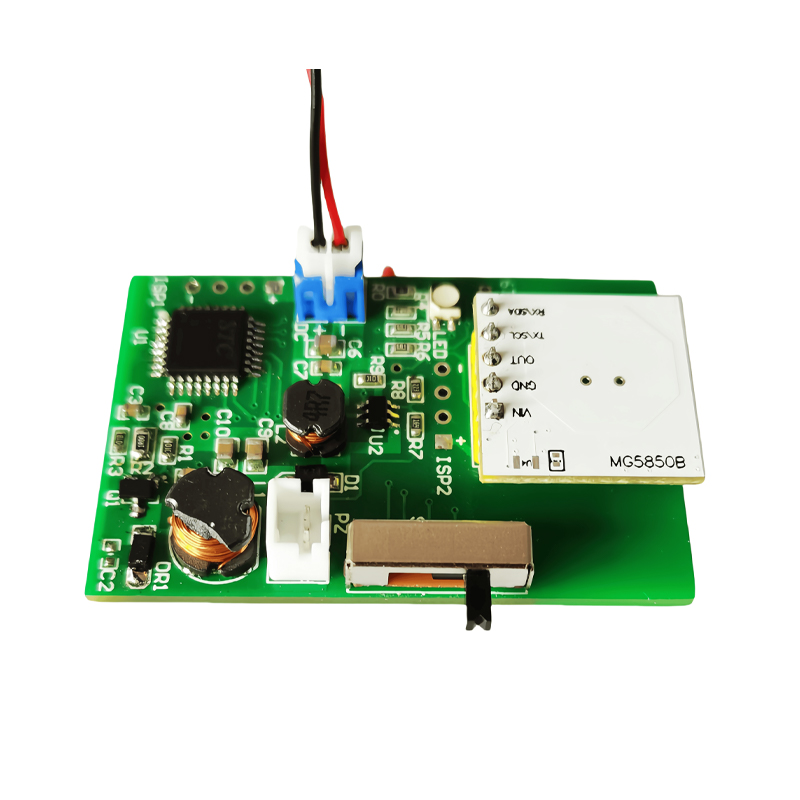
Medical Mesh Atomizer Tray PCB Electronic Smoking Cessation Atomizer PCB Driver Board
-
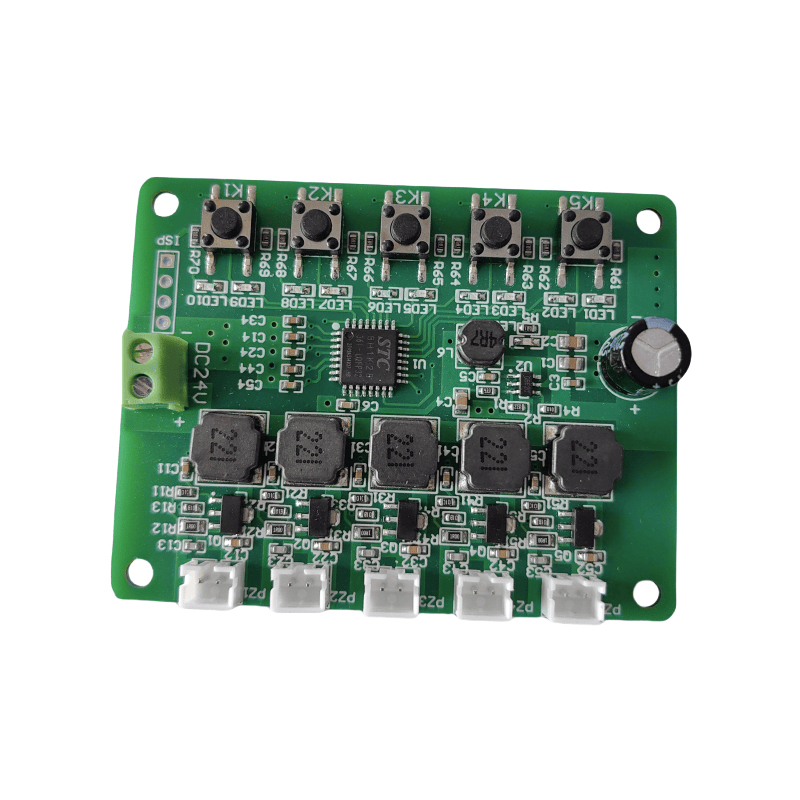
Driver Board For Humidifier Crescent PCB Board Timing 2/4h Function 1.5W
-
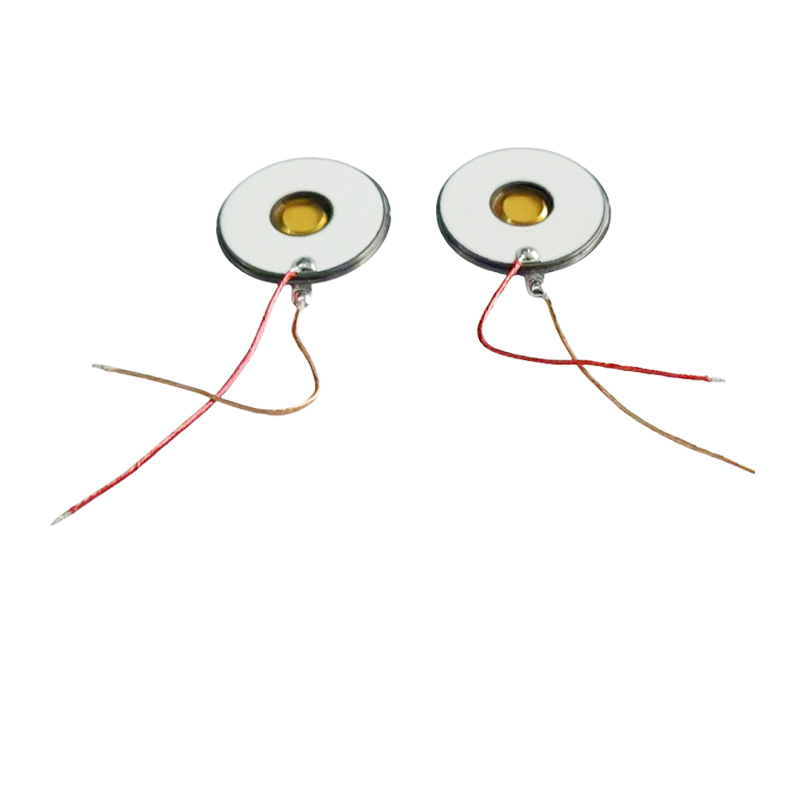
M16-108KHZ Polyimide PI MembraneMesh Micro Mesh NebulizerMedical NebulizerUltrasonic Mesh Nebulizer3μm Microporous Inhalation Nebulizer With Nebulizing DiscPower Consumption1~1.5W
-
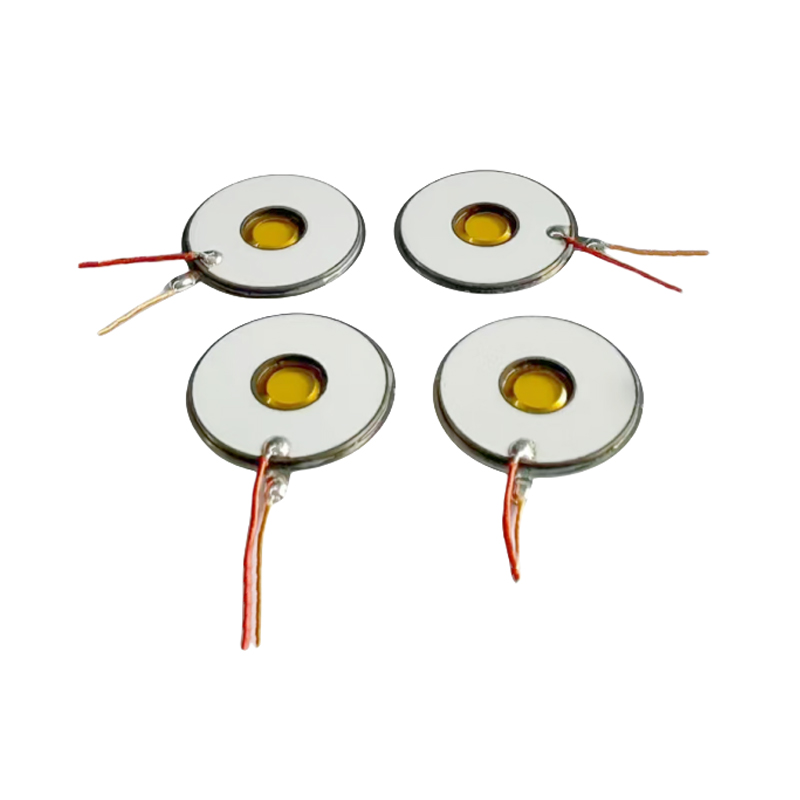
M16-108KHZ Polyimide PI MembraneMesh Micro Mesh NebulizerMedical NebulizerUltrasonic Mesh Nebulizer3μm Microporous Nebulizer Disc For Inhaler Nebulizer
-
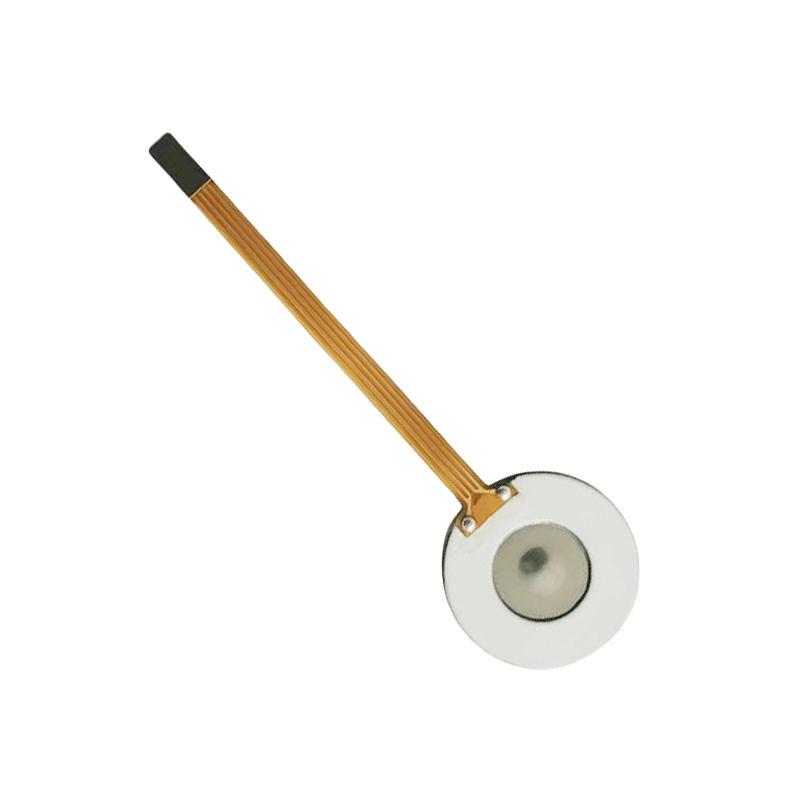
M16-110KHZ Polyimide PI MembraneMesh Micro Mesh NebulizerMedical NebulizerUltrasonic Mesh Nebulizer3μm Microporous Nebulizer Disc For Inhalation Nebulizer
-
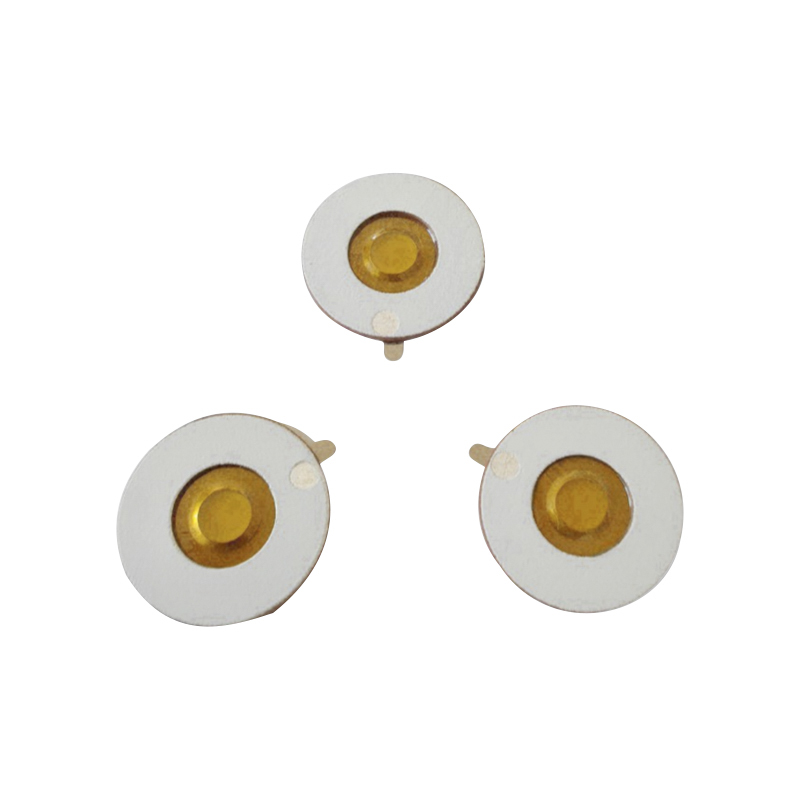
M16-108KHZ Polyimide PI MembraneMesh Micro Mesh NebulizerMedical NebulizerUltrasonic Mesh Nebulizer Tablet3μm Microporous Inhalation Budesonide Nebulizer Tray
- Quick Links
- Product
- About
- Application
- News
- Contact
- Product Links
- Medical Mesh Piezo Atomizer
- Polymer PI Film Piezo Atomizer
- KNN Lead-free Mesh Piezo Atomizer
- PI Lead Free Mesh Zeroing Chip
- Micro-mesh Piezo Atomizer For Heater
- Piezo Atomizer For Fan/Humidification/Beauty
- Ultrasonic Atomizing Transducer
- Ultrasonic High-frequency Piezo Atomizer
- Power Generation/Heating Sensor Piezo Atomizer
- Medical Piezo Atomizer PCB Design
- Precision Laser Micro-hole Processing Technology
- Contact
-
Building 1, Fortune Star 2, No.311 Huanzhen North Road, Chang'an Town, Haining City, Zhejiang Province, China.

-
+86-18006619680

-
+86-13777879680

-
Felix@saidapiezo.com

riney@saidapiezo.com
yugao@saidapiezo.com
emily@saidapiezo.com
dean@saidapiezo.com -
Felix: +86 18157327658

John: +86 18957351358
Emily: +86 18957339358
Dean: +86 15356418868
- Mobile