


 English
 中文简体
中文简体Operating principle and aerosol generation
The medical mesh piezo atomizer disc operates on the principle of ultrasonic vibration-induced liquid atomization. When an alternating electrical signal is applied to the piezoelectric ceramic, it expands and contracts at high frequency — typically 100–180 kHz. This vibration is transmitted to the mesh membrane, which contains microscopic holes (typically 2–5 µm diameter). The vibration causes a pumping action that draws liquid through the holes and ejects it as fine droplets. The droplet size is determined by the hole diameter and vibration frequency: smaller holes produce finer particles. A medical mesh piezo atomizer disc with 3 µm holes generates droplets with a mean diameter of 2–5 µm — the ideal size for deep lung deposition in respiratory therapy. The atomization rate ranges from 0.2–0.5 ml/min, delivering therapeutic doses efficiently without the heat degradation associated with ultrasonic transducers that use direct liquid contact.
Mesh materials and construction
The mesh membrane is the critical component that determines atomization performance and durability. Stainless steel mesh is the most common material, offering excellent corrosion resistance, mechanical strength, and manufacturing consistency — surgical-grade 316L stainless steel is preferred for medical applications. The mesh is manufactured using precision electroforming or laser drilling to create uniform hole diameters and spacing. Hole size typically ranges from 2–5 µm for respiratory therapy, with tolerances of ±0.2 µm. The mesh thickness (30–100 µm) affects the pumping efficiency and droplet formation. Some advanced designs use nickel or titanium mesh for specific applications — titanium offers improved biocompatibility and corrosion resistance for long-term implantable or wearable devices. The mesh is bonded to the piezoelectric ceramic using medical-grade adhesives that maintain vibration transfer while providing a fluid seal. The bond strength must withstand continuous vibration without delamination over the device's service life.
Piezoelectric ceramic characteristics
The piezoelectric ceramic element is the driving force of the atomizer disc. Lead zirconate titanate (PZT) is the standard material, selected for its high electromechanical coupling coefficient (k₃₃ > 0.65) and stable vibration characteristics across temperature ranges of 0–60°C. The ceramic is typically 5–20 mm in diameter and 0.2–1.0 mm thick, with electrodes deposited on both surfaces for electrical connection. The resonant frequency is determined by the ceramic geometry — thinner ceramics vibrate at higher frequencies. Key performance parameters include the dielectric constant (ε₃₃ᵀ typically 1,200–1,800), piezoelectric charge constant (d₃₃ typically 300–600 pC/N), and mechanical quality factor (Qₘ typically 50–200). The ceramic must be poled (electrically oriented) during manufacturing to achieve the piezoelectric effect. Quality control includes capacitance measurement, insulation resistance testing, and resonant frequency verification to ensure consistent device performance.
Key performance specifications
Selecting the right medical mesh piezo atomizer disc requires understanding several critical specifications. Particle size distribution (Dv50) determines lung deposition efficiency — 2–5 µm is optimal for deep lung delivery; 5–8 µm targets the upper airways. Atomization rate, measured in ml/min, affects treatment time — 0.2–0.5 ml/min is typical for portable nebulizers. Operating voltage ranges from 3–12V DC for battery-powered devices, with power consumption of 2–8W. Operating frequency (100–180 kHz) affects droplet size and power efficiency. The disc's diameter and mounting configuration must match the device design — common diameters are 10 mm, 16 mm, and 20 mm. Lifespan, measured in operating hours, ranges from 500–2,000 hours depending on usage and medication type. Medication compatibility is essential — the mesh material and ceramic construction must withstand the specific medication without degradation or clogging.
Application environments
Selection checklist
Cleaning and maintenance
Regular cleaning of the medical mesh piezo atomizer disc is essential for maintaining consistent performance and preventing contamination. The mesh should be cleaned after each use to prevent medication residue from drying and blocking the micro-holes. Cleaning methods include rinsing with sterile water, using a mild detergent solution, or following the device manufacturer's recommended cleaning protocol. Automated cleaning cycles using ultrasonic cleaning devices can effectively remove residue without damaging the mesh. The piezo ceramic element should not be exposed to harsh chemicals or mechanical impact. Storage in a clean, dry environment protects the disc from contamination and extends its service life. Regular inspection for mesh blockage or damage — visible as reduced mist output or uneven atomization — indicates when replacement is needed. With proper care, a medical mesh piezo atomizer disc typically lasts 6–12 months in home healthcare use.
Related Products
-
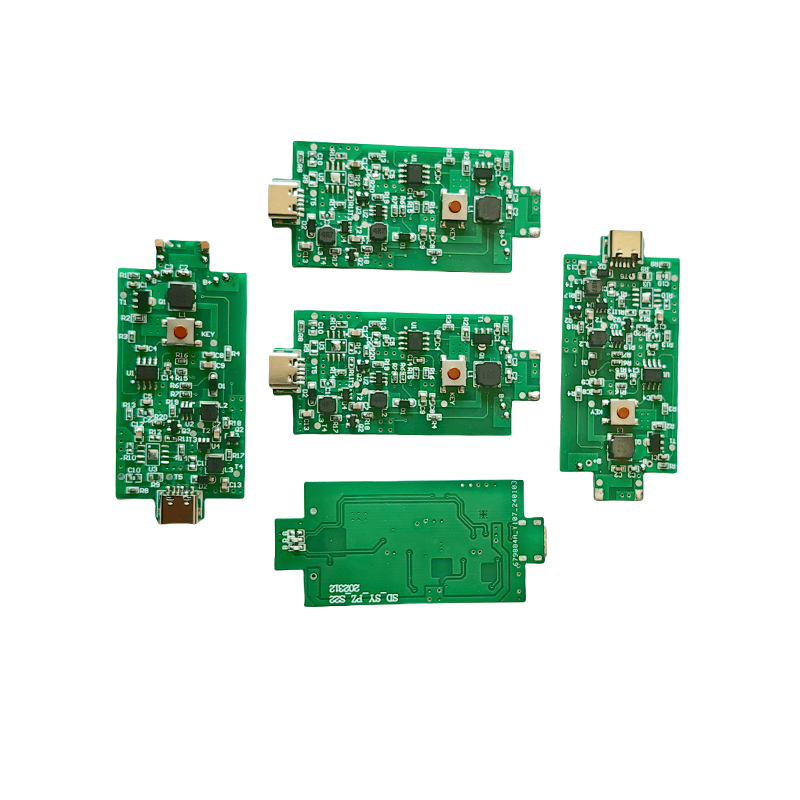
Humidifier Aromatherapy Humidifier Misting Tray PCB Board USB6V12V24V Five Head PCB Driver Board 10 Head Driver Board
-
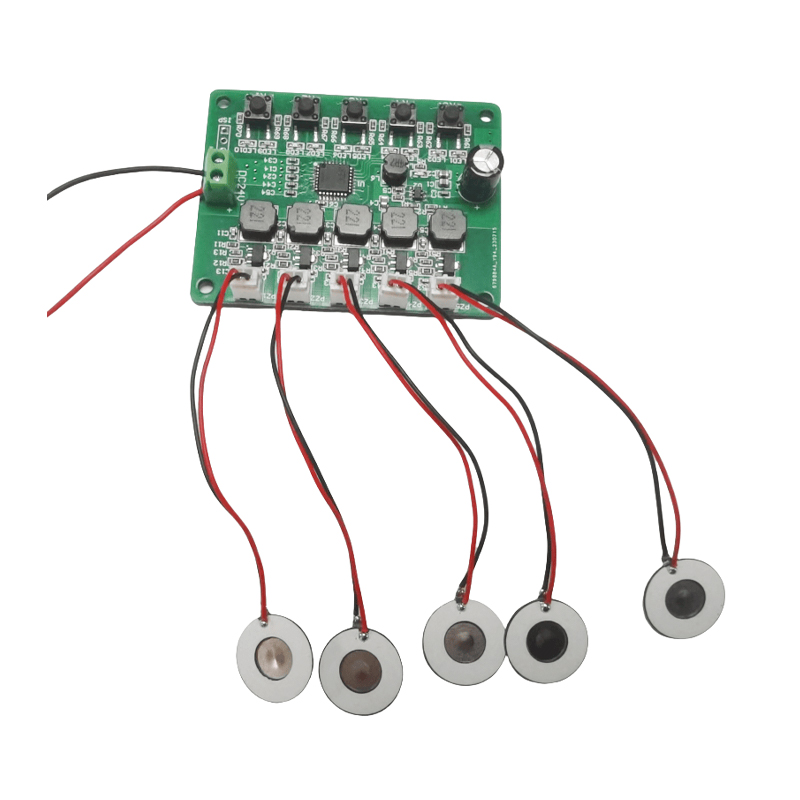
Medical Inhalation Nebulizer Respirator Head-mounted Nebulizer PCB Driver B
-
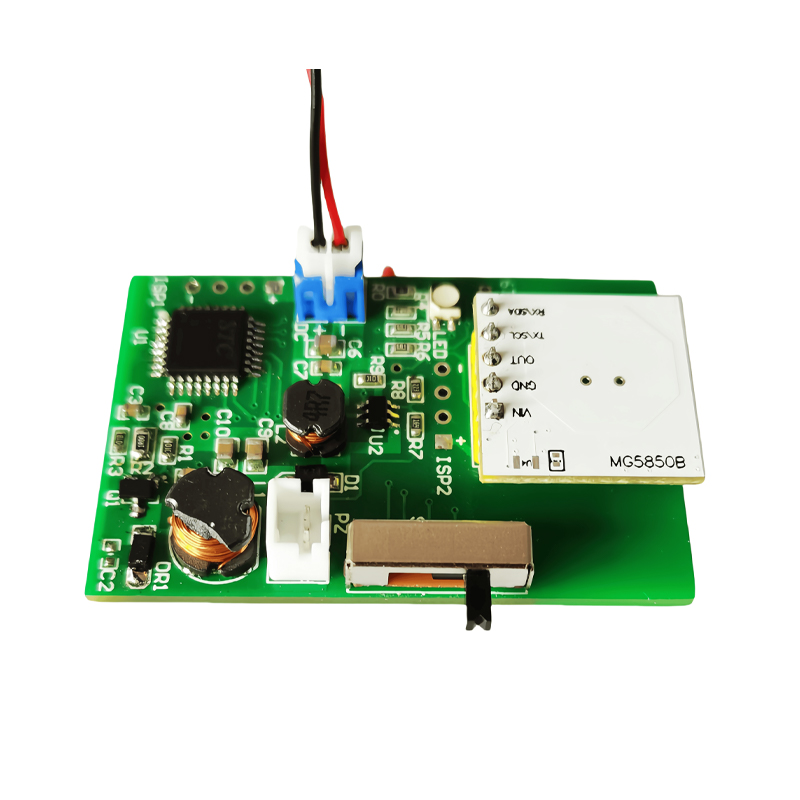
Medical Mesh Atomizer Tray PCB Electronic Smoking Cessation Atomizer PCB Driver Board
-
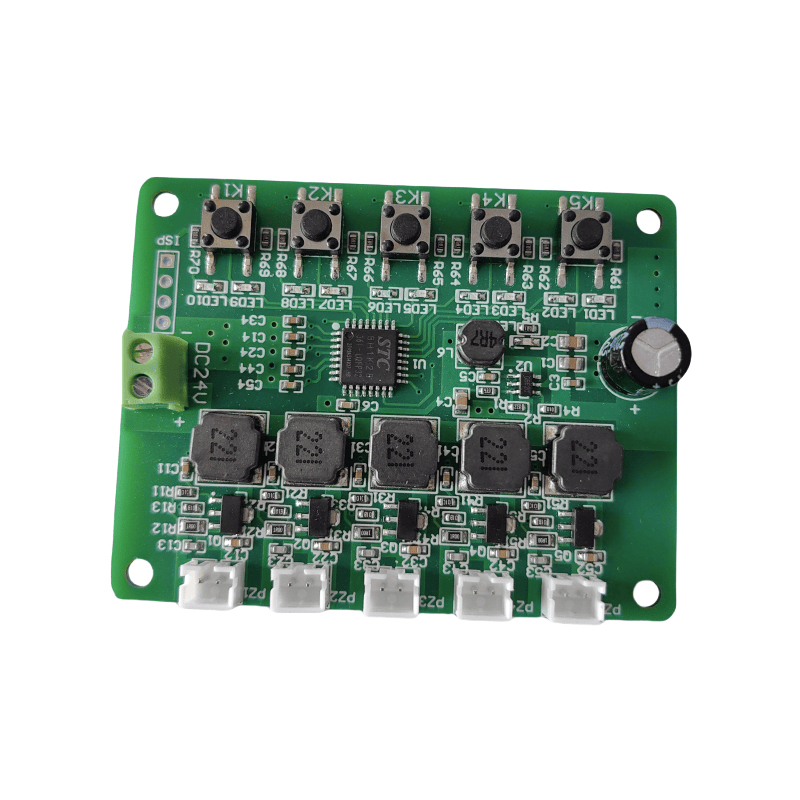
Driver Board For Humidifier Crescent PCB Board Timing 2/4h Function 1.5W
-
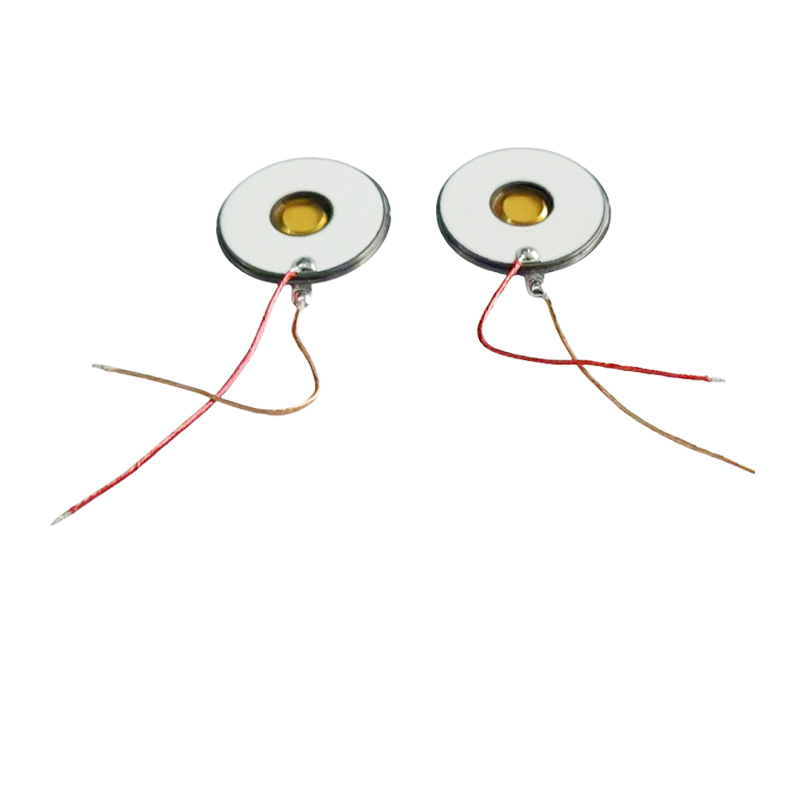
M16-108KHZ Polyimide PI MembraneMesh Micro Mesh NebulizerMedical NebulizerUltrasonic Mesh Nebulizer3μm Microporous Inhalation Nebulizer With Nebulizing DiscPower Consumption1~1.5W
-
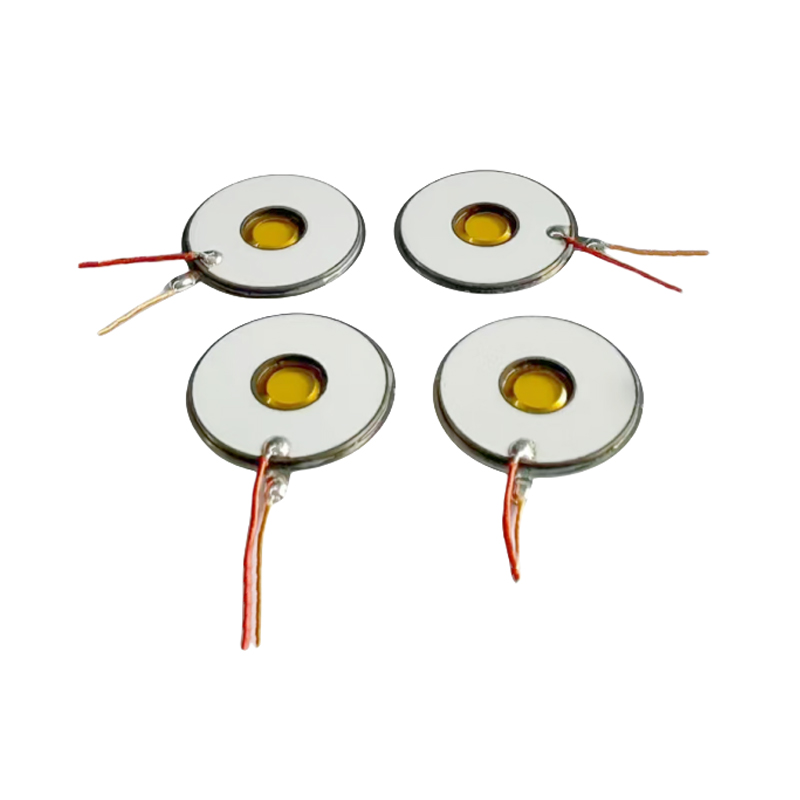
M16-108KHZ Polyimide PI MembraneMesh Micro Mesh NebulizerMedical NebulizerUltrasonic Mesh Nebulizer3μm Microporous Nebulizer Disc For Inhaler Nebulizer
-
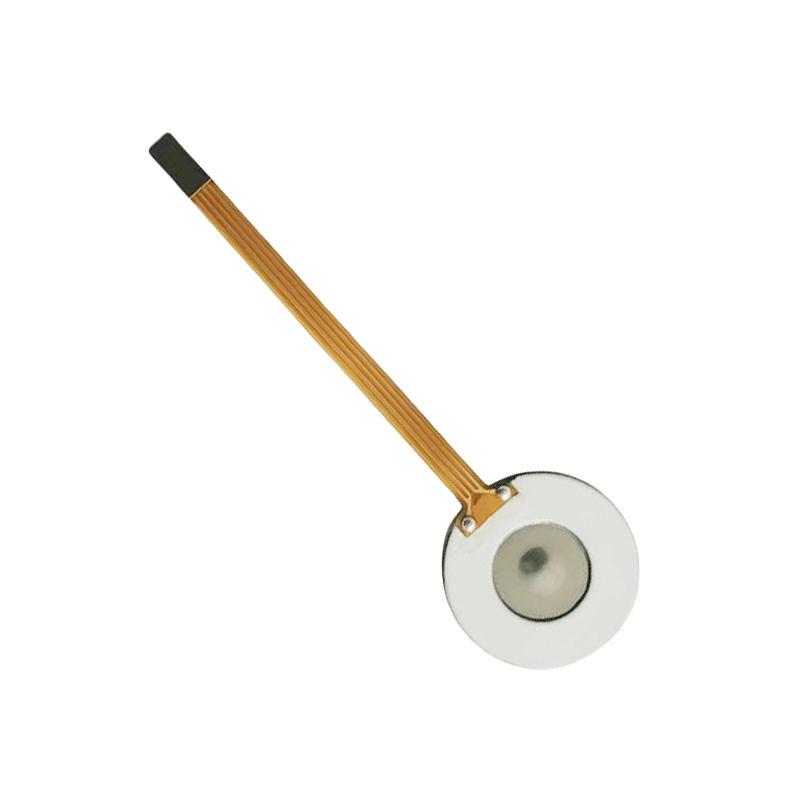
M16-110KHZ Polyimide PI MembraneMesh Micro Mesh NebulizerMedical NebulizerUltrasonic Mesh Nebulizer3μm Microporous Nebulizer Disc For Inhalation Nebulizer
-
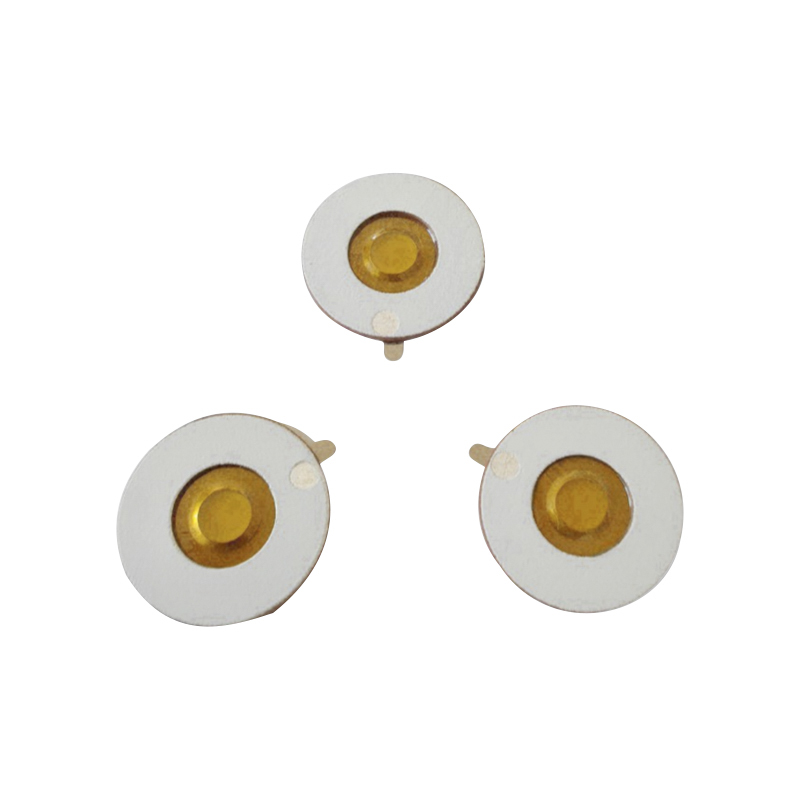
M16-108KHZ Polyimide PI MembraneMesh Micro Mesh NebulizerMedical NebulizerUltrasonic Mesh Nebulizer Tablet3μm Microporous Inhalation Budesonide Nebulizer Tray
- Quick Links
- Product
- About
- Application
- News
- Contact
- Product Links
- Medical Mesh Piezo Atomizer
- Polymer PI Film Piezo Atomizer
- KNN Lead-free Mesh Piezo Atomizer
- PI Lead Free Mesh Zeroing Chip
- Micro-mesh Piezo Atomizer For Heater
- Piezo Atomizer For Fan/Humidification/Beauty
- Ultrasonic Atomizing Transducer
- Ultrasonic High-frequency Piezo Atomizer
- Power Generation/Heating Sensor Piezo Atomizer
- Medical Piezo Atomizer PCB Design
- Precision Laser Micro-hole Processing Technology
- Contact
-
Building 1, Fortune Star 2, No.311 Huanzhen North Road, Chang'an Town, Haining City, Zhejiang Province, China.

-
+86-18006619680

-
+86-13777879680

-
Felix@saidapiezo.com

riney@saidapiezo.com
yugao@saidapiezo.com
emily@saidapiezo.com
dean@saidapiezo.com -
Felix: +86 18157327658

John: +86 18957351358
Emily: +86 18957339358
Dean: +86 15356418868
- Mobile