


 English
 中文简体
中文简体The mesh nebulizer chip is far more than a simple accessory. It is the engineered core that determines aerosol efficiency, drug delivery consistency, device lifespan, and regulatory compliance in modern inhalation therapy systems. Whether you are designing a portable nebulizer, an advanced drug delivery platform, or a compact handheld device, the selection of your mesh nebulizer chip fundamentally influences performance outcomes and market readiness. This guide provides a structured framework across four dimensions: technical specifications, drive circuit compatibility, regulatory documentation, and supplier evaluation.
What Is a Mesh Nebulizer Chip and Why It Matters for Device Performance
A vibrating mesh nebulizer chip is an integrated assembly of piezoelectric ceramic and a precisely engineered microporous membrane. During operation, the piezo material vibrates at high frequency, forcing liquid medication through the micropores to generate an inhalable aerosol. Unlike bulk ultrasonic transducers, mesh technology enables targeted particle size control, minimal energy loss, and consistent output across production batches.
The critical distinction lies in three performance dimensions:
- Aperture Precision: Hole diameters of 3–7 micrometers directly control particle size distribution, which determines lung deposition rate and therapeutic efficacy.
- Resonant Stability: Frequency consistency ensures stable aerosol output rate, preventing fluctuations that could reduce medication delivery predictability.
- Longevity and Biocompatibility: Medical-grade construction materials and bonding techniques ensure the chip withstands repeated sterilization cycles and extended clinical use.
For device manufacturers and clinical engineers, the mesh nebulizer chip specification becomes the technical foundation submitted to regulatory authorities during device registration. It is not a configurable option; it is a documented performance requirement.
Key Technical Specifications of a Medical Mesh Nebulizer Chip
Understanding the technical parameters of your mesh nebulizer chip is essential for successful device integration. The following specifications define compatibility, performance, and long-term reliability.
Mesh Aperture Size and Hole Count
The aperture diameter is the most visible technical parameter and one of the most consequential. Typical designs employ hole diameters between 3 and 7 micrometers, with hole counts ranging from 600 to over 2,000 depending on target flow rates and device class.
Smaller apertures produce finer aerosols with higher lung deposition efficiency, but increase clogging risk if the liquid contains particulates or high viscosity suspension agents. Larger apertures permit faster flow rates and greater tolerance for variable fluid properties, but may produce coarser particles unsuitable for deep-lung delivery.
The practical approach is to define your target particle size distribution first, then select the aperture specification that achieves that distribution, rather than choosing a standard hole size and hoping it matches your drug formulation.
Resonant Frequency and Impedance
Market-standard frequencies span 108 to 150 kHz, with specialized devices reaching 220 kHz. The choice of frequency affects power consumption, aerosol output rate, and compatibility with available drive circuitry.
Frequency tolerance is often more critical than the nominal value itself. A tolerance of ±5 kHz ensures batch-to-batch consistency in production, preventing ragged performance variation across manufactured units. When you specify a resonant frequency, always request tolerance documentation, not just a nominal number.
Impedance specifications typically range from 50 Ohms to 500 Ohms depending on design. Lower impedance chips require higher drive current; higher impedance designs demand higher voltage. Matching impedance to your drive circuit is essential for energy efficiency and thermal stability.
Piezoelectric Material: PZT versus Lead-Free Alternatives
Lead zirconate titanate (PZT) remains the dominant piezoelectric material in medical mesh nebulizer chips due to proven performance, stable electromechanical coupling, and established manufacturing processes. PZT delivers piezoelectric coupling coefficients around 0.70–0.74 and has decades of clinical validation.
Regulatory pressure in the European Union, California, and other regions is accelerating adoption of lead-free alternatives, most commonly potassium sodium niobate (KNN) based ceramics. Recent field data demonstrates that modern KNN formulations achieve coupling coefficients of 0.68–0.72, with particle size consistency improving from 12–18 percent coefficient of variation down to 8–12 percent.
If your target market includes European medical device distribution or stringent RoHS compliance requirements, lead-free mesh atomizer technology is a safe choice for the next 3–5 years. The performance gap has narrowed substantially, and regulatory compliance justifies any minor performance tradeoff.
Mesh Material and Construction
The microporous membrane in medical-grade designs is virtually always constructed from 316L medical-grade stainless steel. This alloy meets ASTM A240 corrosion resistance requirements and maintains structural integrity through hundreds of sterilization cycles using steam autoclaving or other standard hospital methods.
The bonding process between the piezoelectric ceramic and the stainless steel mesh is a frequently overlooked specification. Poor bonding workmanship leads to rapid durability failures and incomplete vibration transfer to the membrane. Request adhesive compatibility data and vibration transfer efficiency measurements from your supplier.
Matching the Chip to Your Drive Circuit and Power Budget
A critical gap in many procurement discussions is the mismatch between chip specification and actual drive circuit capability. Engineers frequently encounter a situation where a mesh nebulizer chip is purchased in isolation, then discovered to be incompatible with the available driver electronics, leading to poor efficiency, thermal runaway, or complete failure to achieve target aerosol output.
Drive voltage requirements vary significantly by design:
- Portable devices typically operate at 3–12 V DC, requiring step-up circuits to generate the necessary piezo voltage.
- High-output clinical nebulizers may deliver 80–90 V peak-to-peak AC signals directly to the mesh chip.
- Waveform characteristics matter: a square wave at 50 percent duty cycle has been shown to deliver optimal energy transfer efficiency at 137 kHz resonance.
A frequently underestimated technical challenge is resonant frequency drift. Temperature variation, fluid loading (different drug formulations have different densities and viscosities), and battery voltage changes all cause the chip's actual resonant frequency to shift from its nominal specification. Traditional LC oscillator circuits cannot track this drift, resulting in degraded output rate and inconsistent aerosol generation.
Modern solutions include specialized drive integrated circuits equipped with automatic frequency tracking algorithms. These chips continuously measure the chip impedance and adjust the drive frequency in real time to maintain resonance, with frequency resolution finer than 100 Hz and standby current below 20 microamperes.
During your supplier evaluation, explicitly request matched drive circuit recommendations. Many suppliers can provide reference schematics or approved driver chip options that have been validated with their mesh nebulizer chip production.
Medical Compliance and Documentation Requirements
Regulatory approval is a non-negotiable milestone in any medical device program. The mesh nebulizer chip sits at the intersection of material specifications, biocompatibility, and manufacturing controls—all of which must be documented for regulatory submission.
Essential documentation includes:
- Material Certificates: Verified sourcing and composition of 316L stainless steel, piezoelectric ceramic formulation, and adhesive materials. Certificates of analysis are mandatory, not optional.
- RoHS and REACH Compliance: Declarations confirming absence of restricted substances. This is particularly critical if your device is distributed in the European Union or California.
- Biocompatibility Testing: ISO 10993 testing reports covering cytotoxicity, sensitization, and irritation endpoints. The specific endpoints required depend on your device classification and intended use.
- Traceability Documentation: Material batch numbers, test report dates, and change control records linking production batches to specific test results. Traceability is essential if you must conduct post-market investigations or recalls.
A common procurement failure occurs when suppliers provide functional samples quickly, but cannot deliver the complete regulatory documentation package until after purchase orders are placed. This creates schedule pressure and regulatory risk. Always request a medical-grade documentation checklist from your supplier during the evaluation phase, before quotation.
If your device is subject to Quality System Regulation (21 CFR Part 11 in the US) or ISO 13485 standards, your supplier's documentation must support your own compliance claims. This means requesting not just test reports, but also the supplier's quality management system evidence and calibration records for test equipment.
Selecting the Right Mesh Nebulizer Chip Supplier
Supplier selection is where technical requirements translate into commercial reality. The right partner balances responsive technical support, documented quality systems, and reliable delivery performance.
What to Ask Before Requesting a Quote
Technical Due Diligence:
- Request aperture size distribution data (not just nominal value). A histogram or statistical summary shows confidence in manufacturing control.
- Ask for frequency tolerance documentation and batch-to-batch frequency data across recent production lots.
- Request consistency data: coefficient of variation in particle size, output rate, and electrical impedance across a production batch.
- Ask for drive circuit compatibility information and any available reference designs or approved driver chip options.
Commercial and Delivery Details:
- Minimum order quantity (MOQ): Standard configurations typically require 10,000–25,000 unit commitments. Customized specifications may demand 50,000 units or more.
- Standard lead time: Most suppliers quote 8–12 weeks for volume production. Expedited schedules (6–8 weeks) may incur surcharges.
- Sample availability: Suppliers typically provide 100–1,000 sample units within 3–4 weeks for design validation and sterilization compatibility testing.
- Payment terms and currency: Clarify whether pricing is in USD, EUR, or local currency, and whether terms are net 30, net 60, or prepayment.
Red Flags in Mesh Nebulizer Chip Sourcing
Certain supplier behaviors indicate potential long-term problems:
- Vague Pricing: Suppliers offering only "reference price" ranges without documented parameter specifications or volume commitments. This masks quality variability.
- Missing Documentation: Inability or reluctance to provide batch test reports, traceability records, or biocompatibility data. A supplier claiming confidentiality issues or excessive delay in document delivery is signaling internal quality problems.
- Sample-Production Mismatch: Receiving samples with performance that diverges from production units. Demand samples labeled as "production-equivalent" from the same production batch or a recent batch, not prototype units.
- Limited Technical Support: Suppliers unable or unwilling to discuss drive circuit optimization, frequency tracking, or application-specific parameter recommendations. This indicates insufficient engineering depth.
- No Regulatory Roadmap: Suppliers with unclear ISO 13485 status or no documented quality system. Device manufacturers must be able to audit or verify supplier quality practices.
Frequently Asked Questions About Mesh Nebulizer Chips
Q1: What is the typical price range for a mesh nebulizer chip?
Pricing varies widely based on volume, customization, and documentation completeness. At high volume (10,000+ units), standard configurations may range from USD 0.30 to USD 0.80 per unit. Small batches (100–1,000 units) typically cost USD 2.00–USD 2.90 per unit. Medical-grade chips with full biocompatibility documentation and regulatory traceability command premiums over commodity nebulizer components. Frequency precision, aperture tolerance tightness, and material certification all influence final cost. Request detailed quotes that break down technical specifications and documentation separately from unit price.
Q2: Can I get samples before placing a bulk order?
Yes, most reputable suppliers support a sampling phase. Quantities typically range from 100 to 1,000 units, allowing your engineering team to conduct design validation, electrical integration testing, and sterilization compatibility assessment. Sample lead time is generally 3–4 weeks from order placement. When requesting samples, specify that you need production-equivalent units from a recent production batch, not prototypes. Include your target applications and any sterilization methods (steam autoclaving, gamma radiation, hydrogen peroxide plasma) that the samples must withstand without performance degradation. Document sample performance thoroughly; this becomes your baseline for acceptance criteria on the production order.
Q3: What frequency should I choose for a portable mesh nebulizer device?
The 108–110 kHz band is the current market standard for portable handheld nebulizers, offering a balance between power consumption, aerosol output rate, and miniaturization. If your drive circuit supports a wider frequency range (e.g., 90–220 kHz with automatic frequency tracking), you gain flexibility and access to a broader supplier base. Higher frequencies (150–220 kHz) reduce chip size and power draw but may require more sophisticated drive electronics. Lower frequencies (below 100 kHz) increase output flow rates but demand larger chip geometries. Match your frequency selection to both your physical space constraints and your target drug formulation viscosity.
Q4: Is lead-free mesh nebulizer chip technology ready for medical use?
Lead-free materials, primarily potassium sodium niobate (KNN)-based compositions, have matured significantly in recent years. Clinical validation studies show particle size distribution and aerosol output rate performance equivalent to established PZT designs. From a regulatory standpoint, lead-free technology eliminates concerns about lead leaching into formulations, which is increasingly important for devices distributed in the European Union, California, and other lead-restricted regions. If your product roadmap includes European market approval or you anticipate stringent customer compliance requirements, adopting lead-free mesh nebulizer chip technology now positions you favorably for the next market cycle. Confirm that your intended supplier has conducted field validation and can provide performance comparison data against their PZT baseline.
Q5: How do I ensure batch-to-batch consistency in my mesh nebulizer chip supply?
Consistency relies on three pillars: supplier statistical process control, third-party testing, and your own incoming inspection. Request that your supplier provides control charts showing frequency, aperture size, output rate, and impedance measurements across consecutive production batches. These charts indicate whether the manufacturing process is statistically stable. Conduct your own testing on samples from each delivery batch, focusing on the parameters most critical to your device performance (typically aerosol output rate and particle size distribution). Include consistency acceptance criteria in your purchase order or supply agreement, with defined ranges and sample sizes. Consider periodic audits of your supplier's manufacturing facility to observe quality practices firsthand and identify any process drift before it reaches your assembly line.
Q6: What drive circuit design do I need for a mesh nebulizer chip?
The minimum design includes a high-voltage amplifier, impedance matching network, and frequency generation circuit. Most suppliers can recommend approved driver chips that have been tested with their mesh nebulizer products. Basic designs operate at fixed frequency, but improved designs include resonant frequency tracking to compensate for temperature and load variation. If you are designing a cost-sensitive portable device, a simpler fixed-frequency approach may suffice; for clinical-grade or long-use-duration applications, investing in frequency tracking circuitry improves reliability and output consistency. Request reference schematics and example bill-of-materials from your chip supplier during the development phase. This accelerates your design cycle and reduces integration risk.
Q7: What biocompatibility testing do I need for a mesh nebulizer chip?
The required testing depends on your device classification and intended use. ISO 10993-1 provides a decision tree for determining necessary biocompatibility endpoints. For inhalation nebulizer chips, typical testing includes cytotoxicity (ISO 10993-5), sensitization (ISO 10993-10), and irritation (ISO 10993-10) assessments. If your device is marketed in the United States, your regulatory submission pathway (Premarket Notification for Class II, or Premarket Approval for Class III) determines which biocompatibility data the FDA expects. Always request your supplier's full biocompatibility documentation package, not just a summary report. This accelerates your own regulatory submissions and demonstrates due diligence in supplier qualification.
Q8: How does temperature affect mesh nebulizer chip performance?
Temperature significantly influences three parameters: piezoelectric coupling efficiency (decreases with rising temperature), resonant frequency (typically shifts lower as temperature increases), and liquid viscosity (which affects aerosol output rate). A typical mesh nebulizer chip exhibits a frequency shift of approximately 0.03–0.05 percent per degree Celsius. In portable devices operating over a wide ambient range (0–50 degrees Celsius), this frequency drift can reduce aerosol output consistency by 10–20 percent if the drive circuit lacks frequency compensation. For clinical stationary devices in controlled environments (20–25 degrees Celsius), temperature drift is less critical. If your device operates in variable thermal conditions, specify temperature-compensated drive circuitry as a design requirement and request temperature stability data from your chip supplier across the full operating range.
Key Takeaways and Next Steps
Selecting a mesh nebulizer chip is not fundamentally a price comparison exercise—it is a technical and commercial matching challenge. The optimal chip for your device balances parameter precision, regulatory documentation completeness, batch-to-batch consistency, and supplier reliability against your timeline and cost targets.
Before you finalize a supplier:
- Define your non-negotiable technical specifications: target particle size, output flow rate, operating frequency, drive voltage range, and sterilization compatibility.
- Request complete regulatory documentation and verify that your supplier's quality system supports your own compliance pathway.
- Conduct a design integration exercise with sample units, testing drive circuit compatibility and validating aerosol performance in your specific device architecture.
- Negotiate supply terms that include acceptance criteria, batch testing protocols, and change notification procedures.
If you are ready to move forward: Prepare a detailed specification package including your target particle size distribution, flow rate requirements, drive voltage operating range, target market regulatory requirements, and anticipated annual volume. Send this to qualified suppliers and request technical recommendations and sample availability within 48 hours. A responsive, knowledgeable supplier will provide data-backed guidance on mesh configuration, drive circuit recommendations, and realistic timelines—and will position your device for successful clinical deployment and regulatory approval.
The mesh nebulizer chip you select today becomes embedded in your product documentation, regulatory filings, and manufacturing processes for years to come. Invest the evaluation effort upfront to ensure you choose a partner and product that will sustain your competitive advantage and clinical performance standards.
Related Products
-
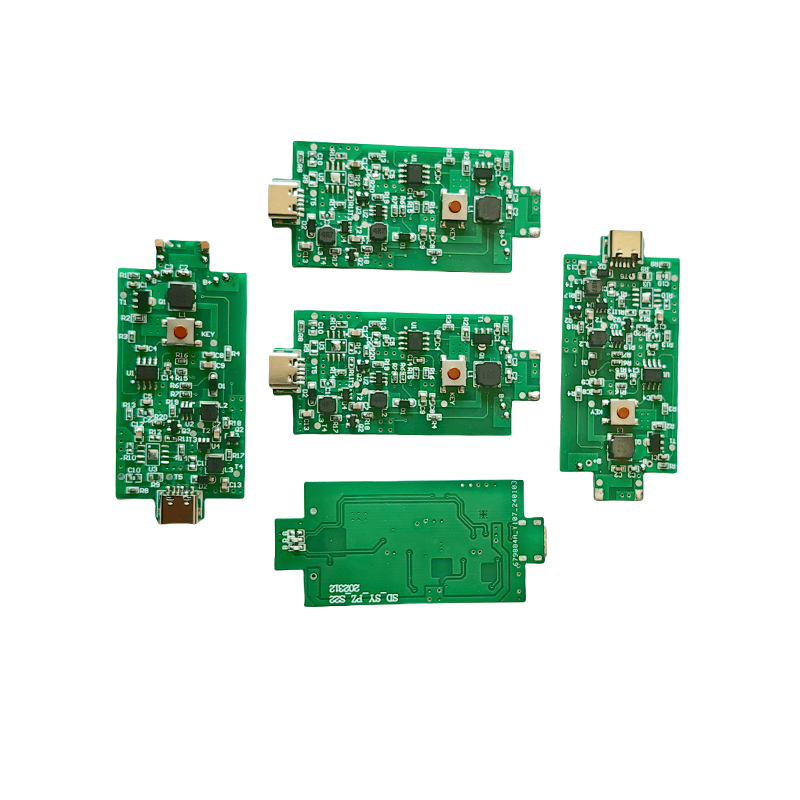
Humidifier Aromatherapy Humidifier Misting Tray PCB Board USB6V12V24V Five Head PCB Driver Board 10 Head Driver Board
-
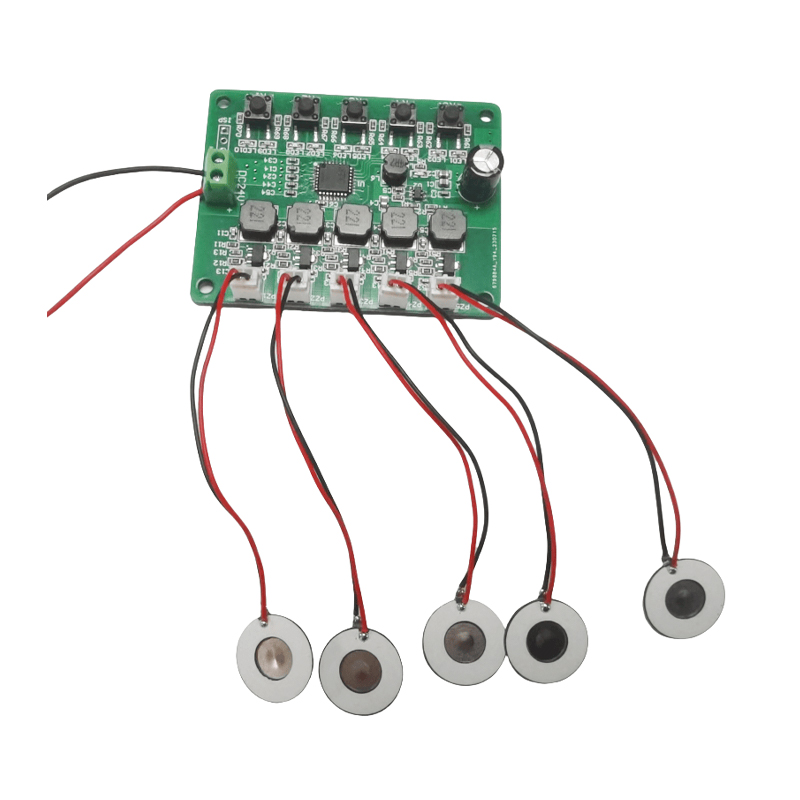
Medical Inhalation Nebulizer Respirator Head-mounted Nebulizer PCB Driver B
-
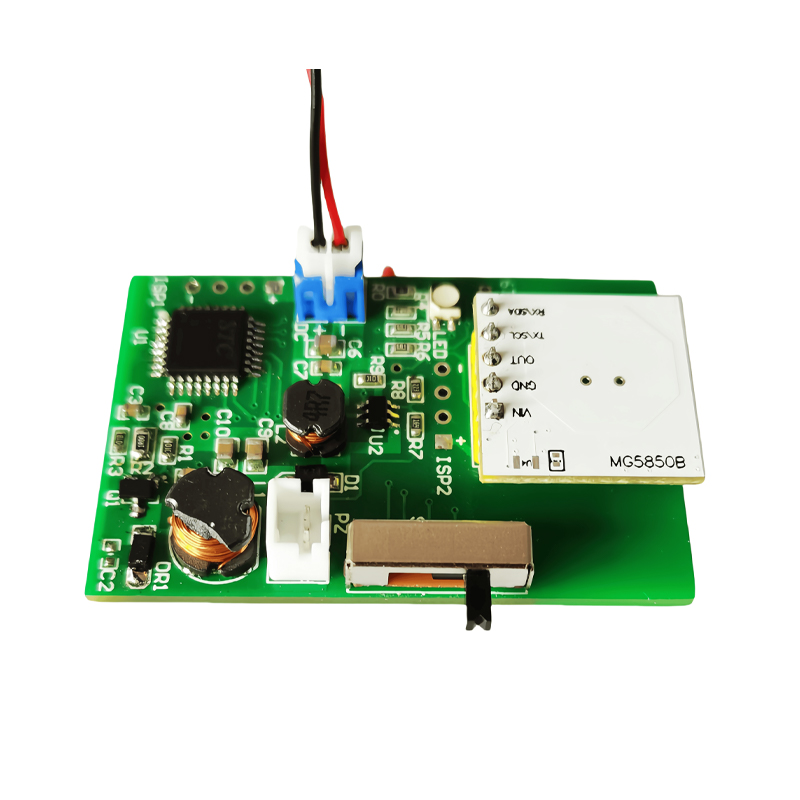
Medical Mesh Atomizer Tray PCB Electronic Smoking Cessation Atomizer PCB Driver Board
-
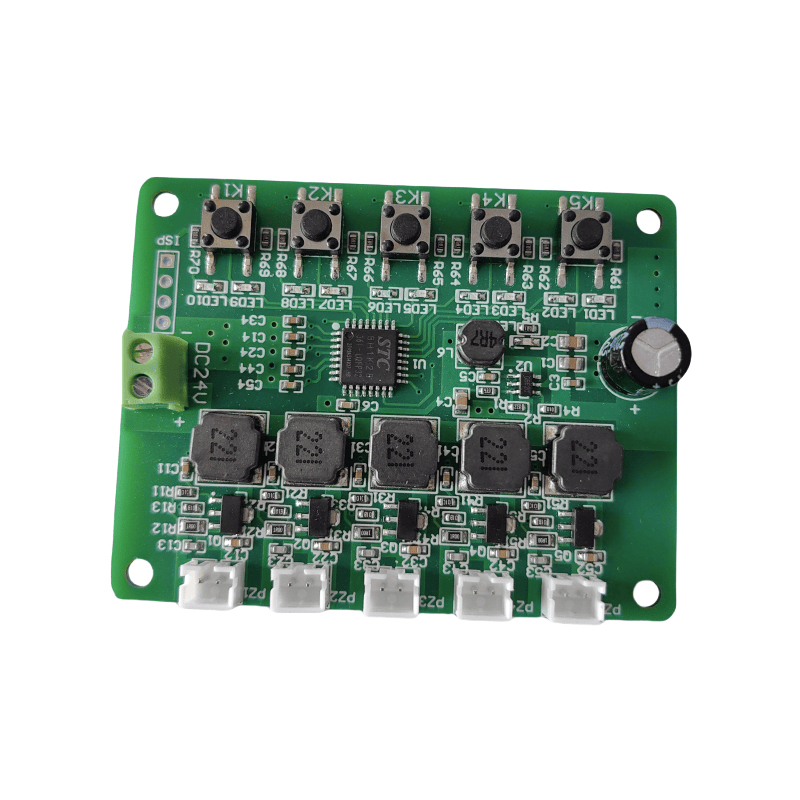
Driver Board For Humidifier Crescent PCB Board Timing 2/4h Function 1.5W
-
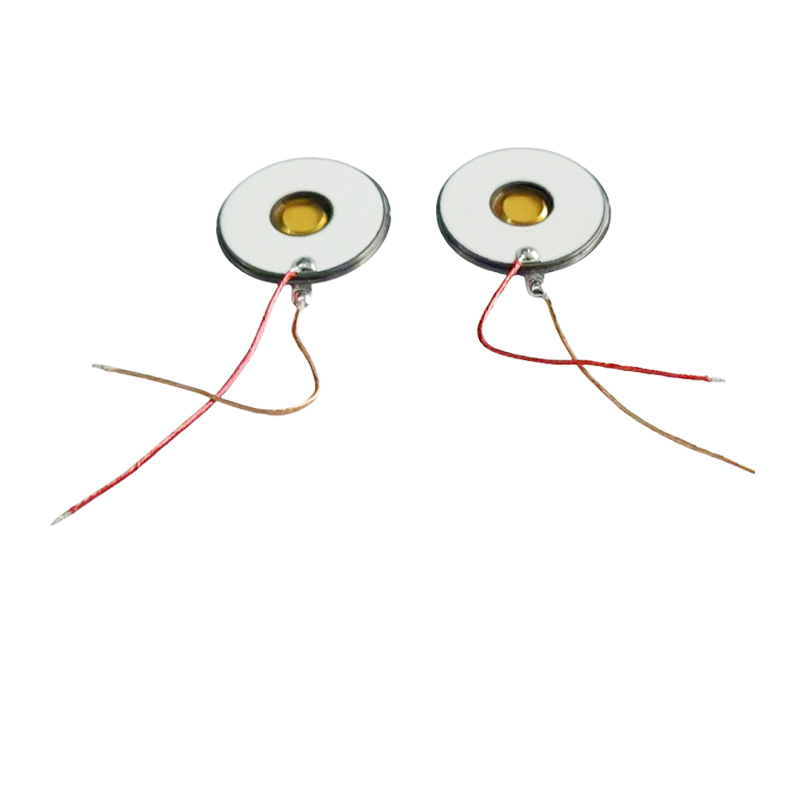
M16-108KHZ Polyimide PI MembraneMesh Micro Mesh NebulizerMedical NebulizerUltrasonic Mesh Nebulizer3μm Microporous Inhalation Nebulizer With Nebulizing DiscPower Consumption1~1.5W
-
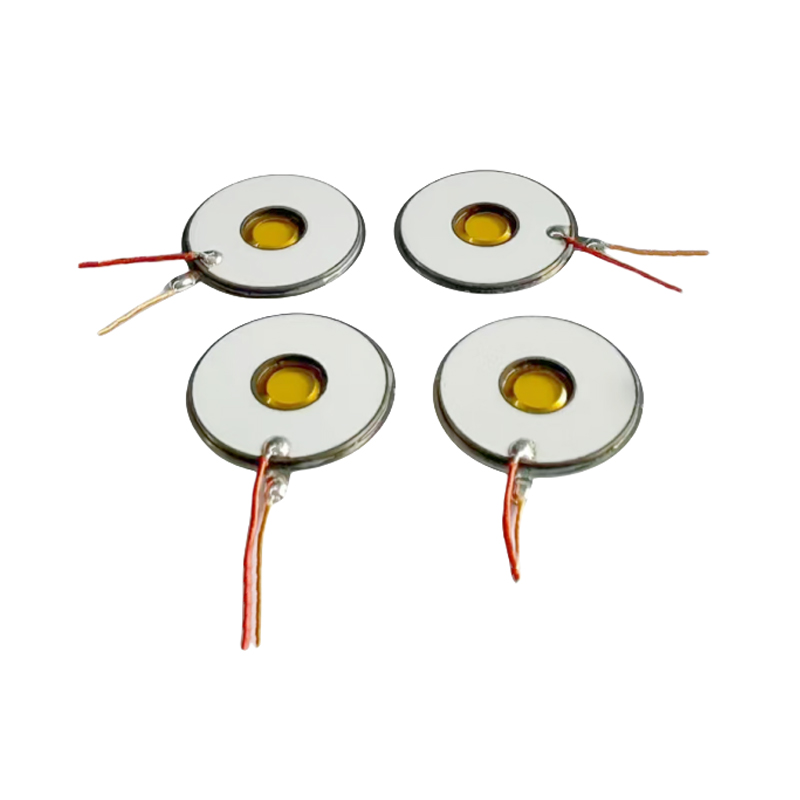
M16-108KHZ Polyimide PI MembraneMesh Micro Mesh NebulizerMedical NebulizerUltrasonic Mesh Nebulizer3μm Microporous Nebulizer Disc For Inhaler Nebulizer
-
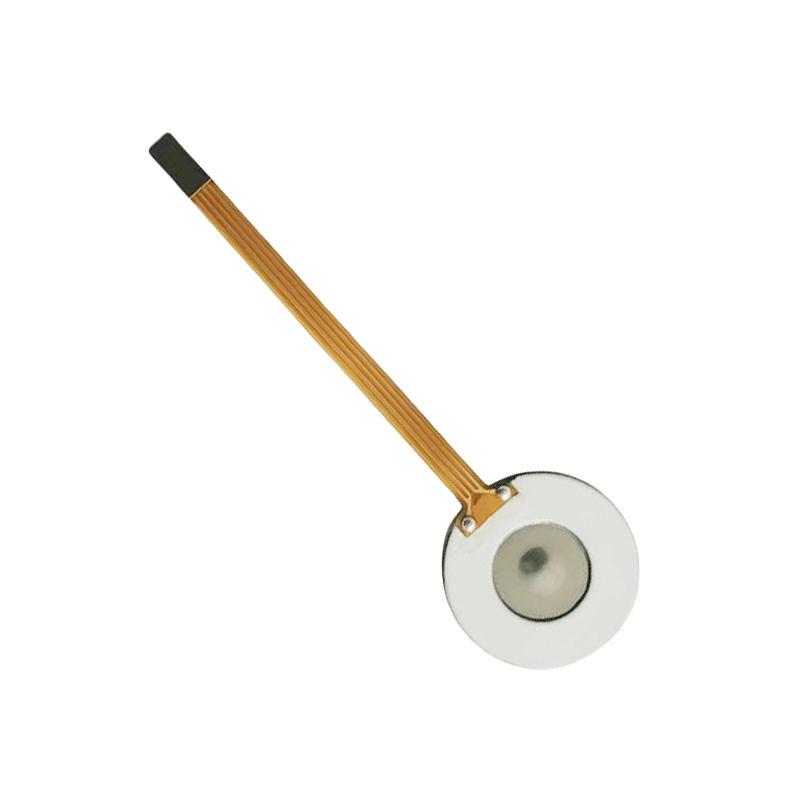
M16-110KHZ Polyimide PI MembraneMesh Micro Mesh NebulizerMedical NebulizerUltrasonic Mesh Nebulizer3μm Microporous Nebulizer Disc For Inhalation Nebulizer
-
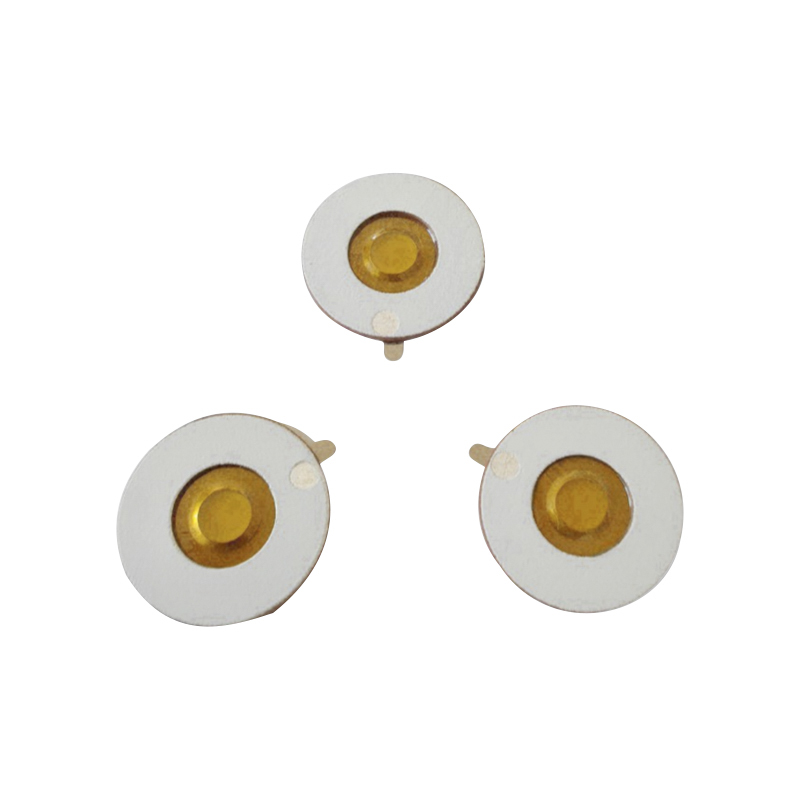
M16-108KHZ Polyimide PI MembraneMesh Micro Mesh NebulizerMedical NebulizerUltrasonic Mesh Nebulizer Tablet3μm Microporous Inhalation Budesonide Nebulizer Tray
- Quick Links
- Product
- About
- Application
- News
- Contact
- Product Links
- Medical Mesh Piezo Atomizer
- Polymer PI Film Piezo Atomizer
- KNN Lead-free Mesh Piezo Atomizer
- PI Lead Free Mesh Zeroing Chip
- Micro-mesh Piezo Atomizer For Heater
- Piezo Atomizer For Fan/Humidification/Beauty
- Ultrasonic Atomizing Transducer
- Ultrasonic High-frequency Piezo Atomizer
- Power Generation/Heating Sensor Piezo Atomizer
- Medical Piezo Atomizer PCB Design
- Precision Laser Micro-hole Processing Technology
- Contact
-
Building 1, Fortune Star 2, No.311 Huanzhen North Road, Chang'an Town, Haining City, Zhejiang Province, China.

-
+86-18006619680

-
+86-13777879680

-
Felix@saidapiezo.com

riney@saidapiezo.com
yugao@saidapiezo.com
emily@saidapiezo.com
dean@saidapiezo.com -
Felix: +86 18157327658

John: +86 18957351358
Emily: +86 18957339358
Dean: +86 15356418868
- Mobile