


 English
 中文简体
中文简体Understanding Mist Output in Ultrasonic Systems
The effectiveness of an ultrasonic mist maker depends significantly on its mist output capacity. Mist output, measured in milliliters per hour (ml/h) or cubic meters per hour, determines how much moisture the device disperses into the air. This specification directly impacts room coverage, humidity levels, and the visual effect you experience.
Choosing the correct mist output is not about selecting the highest capacity available. Instead, it requires understanding your specific environment, room dimensions, humidity needs, and intended application. A device with excessive output can create uncomfortably high humidity levels, while insufficient output may fail to achieve desired results.
Room Size and Mist Output Requirements
The primary factor influencing mist output selection is room size. Different room volumes require proportional moisture dispersal to achieve optimal humidity without oversaturation.
Small Room Applications
For spaces up to 200 square feet, such as bedrooms, home offices, or small studio apartments, a mist maker humidifier with output between 200-400 ml/h proves ideal. This capacity maintains comfort without excessive moisture accumulation or energy consumption. Small rooms reach saturation quickly, so lower output prevents the air from becoming uncomfortably damp.
Medium Room Applications
Spaces ranging from 200 to 400 square feet, including living rooms, larger bedrooms, or commercial office areas, benefit from mist output between 400-800 ml/h. Medium-capacity devices provide consistent humidity distribution across a wider area while maintaining adequate air circulation. This range accommodates typical household needs without promoting mold growth or moisture damage.
Large Room Applications
Spaces exceeding 400 square feet, such as open-plan offices, large studios, or multi-room environments, require ultrasonic mister systems with output from 800 ml/h upward. Some industrial applications and large facilities utilize systems exceeding 2000 ml/h. Larger rooms necessitate more powerful dispersal to overcome air volume and maintain consistent humidity distribution.
Climate and Humidity Control Considerations
Your local climate significantly influences optimal mist output selection. Geographic location, seasonal variations, and baseline humidity levels determine whether you need higher or lower capacity devices.
Dry Climate Regions
Areas with naturally low humidity, such as desert regions or high-altitude locations, benefit from higher mist output devices. These environments experience rapid evaporation and moisture absorption by dry air. A 24v ultrasonic mist maker or comparable system with elevated output capacity compensates for natural moisture loss and achieves comfortable indoor humidity between 40-60 percent.
Humid Climate Regions
Tropical and subtropical regions with naturally high baseline humidity require lower mist output settings. Excessive dispersal in already-humid environments promotes condensation, mold growth, and structural damage. Moderate capacity systems, often with adjustable output controls, provide superior results in these climates.
Seasonal Adjustments
Winter heating systems reduce indoor humidity dramatically, requiring higher mist output during cold months. Summer air conditioning may maintain moderate humidity naturally, allowing reduced device usage. An ultrasonic fog maker with variable output controls enables seasonal optimization without equipment replacement.
Specific Applications and Mist Output Needs
Residential Humidification
Home environments typically benefit from mist maker humidifier systems producing 200-800 ml/h, depending on room size and climate. Standard household applications prioritize comfort and health, targeting humidity levels of 45-55 percent. A 12 head ultrasonic mist maker suitable for residential use provides consistent, steady moisture distribution without excessive noise or energy consumption.
Decorative and Aesthetic Effects
Fountain displays, water features, and aesthetic fog effects often utilize systems with moderate to high output. A pond fogger mist maker producing 400-1200 ml/h creates visible, dramatic fog effects while remaining safe for outdoor environments. These applications prioritize visual impact over purely functional humidity control.
Horticultural and Nursery Applications
Plant propagation and nursery operations require precise humidity control. Mist maker fogger systems with variable output between 300-1500 ml/h support optimal growth conditions while preventing root diseases and fungal issues. These applications often use automated timing controls alongside adjustable output settings.
Spa and Wellness Facilities
Commercial spa environments and wellness centers require robust systems capable of maintaining 60-70 percent humidity across large areas. Higher capacity ultrasonic mist fogger equipment, often producing 1000-2000 ml/h or greater, ensures consistent moisture distribution in specialized facilities.
Industrial and Commercial Uses
Manufacturing facilities requiring specific humidity ranges for product storage or processing employ industrial-grade systems. Output capacity varies dramatically based on facility size, product requirements, and environmental controls. These applications often integrate ultrasonic fog maker technology with sophisticated monitoring and automation systems.
Factors Affecting Mist Output Performance
Water Quality and Mineral Content
The ultrasonic mister performance depends heavily on input water characteristics. Hard water containing high mineral concentrations reduces actual mist dispersal efficiency as minerals accumulate on piezoelectric elements. Distilled or demineralized water maintains optimal output performance over extended periods. Regular cleaning and maintenance preserve output capacity regardless of water source.
Power Supply Specifications
Device power characteristics directly correlate with mist generation. A 24v ultrasonic mist maker operates at standardized voltage, while systems utilizing varying power supplies may produce different output levels. Consistent, stable power delivery maintains rated performance specifications throughout device lifespan.
Ambient Temperature Effects
Temperature influences both mist production and dispersal efficiency. Cold environments slow evaporation rates and reduce visible mist travel distance. Warm environments accelerate evaporation, making mist disappear rapidly into surrounding air. Optimal operating temperatures typically range from 15-35 degrees Celsius for reliable output performance.
Air Circulation and Ventilation
Room air movement dramatically affects perceived mist output and coverage distribution. Stagnant air allows mist to accumulate near the device, creating localized saturation. Proper ventilation and air circulation distribute mist evenly throughout spaces, maximizing effectiveness of the ultrasonic mist fogger system.
Piezoelectric Element Frequency
The ultrasonic frequency generated by piezoelectric elements determines mist particle size and dispersal characteristics. Higher frequencies produce finer, more dispersible mist particles that travel farther and dissolve more completely into air. Lower frequencies create larger droplets that settle more quickly but penetrate shorter distances.
Practical Selection Guide for Choosing Mist Output
| Application Type | Room Size Range | Recommended Output | Key Characteristics |
|---|---|---|---|
| Personal bedroom | 100-150 sq ft | 150-250 ml/h | Quiet operation, low energy |
| Standard home office | 150-300 sq ft | 250-450 ml/h | Balanced performance |
| Living room or lounge | 300-450 sq ft | 450-750 ml/h | Efficient coverage |
| Large open space | 450-600 sq ft | 750-1200 ml/h | High performance system |
| Decorative water feature | Outdoor/variable | 500-1500 ml/h | Visual impact priority |
| Commercial facility | 600+ sq ft | 1200+ ml/h | Industrial-grade capacity |
Optimizing Efficiency Through Output Control
Variable Output Settings
Modern ultrasonic mist maker devices increasingly feature adjustable output controls, allowing users to modify dispersion rates without equipment replacement. These systems typically offer three to five distinct output levels, enabling adaptation to changing environmental conditions or preferences. Variable controls maximize equipment flexibility and extend operational lifespan by reducing unnecessary stress on components.
Humidity Sensors and Automation
Advanced mist maker fogger systems incorporate built-in humidity sensors that automatically adjust output to maintain target humidity levels. These automated systems activate high output during dry periods and reduce production when adequate moisture exists. Sensor-based automation significantly improves energy efficiency and prevents excessive humidity accumulation.
Duty Cycle and Intermittent Operation
Rather than continuous operation at maximum capacity, many effective mist systems employ intermittent duty cycles. Operating at 50-75 percent output for periodic intervals often proves more effective than continuous maximum output while consuming considerably less energy and reducing component wear.
Strategic Placement and Air Movement Coordination
Device placement directly affects output effectiveness. Positioning the ultrasonic mist fogger in areas with good air circulation ensures mist travels throughout the space efficiently. Coordinating mist maker operation with existing ventilation systems amplifies perceived output without increasing actual generation capacity.
Maintenance Impact on Mist Output Performance
Regular Cleaning Protocols
Mineral deposits accumulate on piezoelectric elements over time, gradually reducing output capacity. Regular cleaning using distilled water or approved cleaning solutions restores full performance specifications. Weekly or bi-weekly maintenance prevents significant output degradation and extends device lifespan considerably.
Water Reservoir Management
Empty or low-level water reservoirs reduce effective mist output as the device cannot access adequate liquid for dispersal. Maintaining appropriate water levels ensures consistent performance throughout operating cycles. Regular reservoir cleaning prevents algae growth and contamination that affects output quality.
Filter Replacement and Element Care
Systems incorporating pre-filters benefit from regular replacement to maintain optimal water flow and mist generation. Damaged or worn piezoelectric elements require professional replacement to restore rated output specifications. Proper element care significantly impacts long-term performance consistency.
Troubleshooting Reduced Output
Gradual output reduction typically indicates mineral accumulation or water quality issues rather than component failure. A 12 head ultrasonic mist maker or any multi-element system experiencing reduced performance often responds well to thorough cleaning and water source improvement. Complete output loss suggests power supply, electrical connection, or piezoelectric element problems requiring professional assessment.
Comparing Output Specifications Across Device Types
Portable Ultrasonic Misters
Compact, portable systems typically produce 150-400 ml/h and serve personal spaces or small rooms. These devices prioritize convenience and minimal footprint over maximum output capacity. Portable options work well for travelers or those needing flexible humidity control solutions.
Standard Home Units
Mid-range residential devices generate 400-1000 ml/h and represent the most popular category for household use. These balance output capacity with reasonable energy consumption and noise levels. Standard home units serve most residential applications effectively.
Heavy-Duty and Industrial Models
Professional-grade systems produce 1000-3000 ml/h or greater and serve commercial spaces, industrial applications, or specialized facilities. These units feature robust construction, advanced controls, and continuous operation capability unavailable in residential equipment.
Multi-Element Systems
A 12 head ultrasonic mist maker or comparable multi-element configuration combines multiple ultrasonic transducers to achieve high aggregate output. These systems offer modular scaling, allowing output adjustment through element activation or deactivation. Multi-element designs provide flexibility and redundancy for critical applications.
Fountain and Water Feature Systems
A pond fogger mist maker or decorative water feature system prioritizes visible mist effects alongside humidification. These devices typically operate at 500-2000 ml/h depending on visual effect requirements and decorative specifications. Output performance in these systems directly correlates with fog density and atmospheric effect.
Balancing Output Capacity with Cost and Energy Efficiency
Selecting the appropriate mist output requires balancing multiple competing factors including acquisition cost, operational expenses, and performance requirements. Higher output capacity systems command premium prices and consume more electricity, but provide superior performance in larger spaces. Lower capacity units cost less initially but may prove inadequate for intended applications.
Total Cost of Ownership Analysis
Evaluating long-term costs proves more valuable than focusing solely on purchase price. A higher-capacity ultrasonic mist fogger operating intermittently may cost less annually than a lower-capacity model running continuously. Consider electricity consumption rates, water usage, maintenance expenses, and replacement parts availability when calculating total ownership costs.
Energy Consumption Patterns
Ultrasonic systems consume significantly less electricity than traditional evaporative or steam humidifiers. A typical 500 ml/h ultrasonic device consumes 20-40 watts during operation, comparable to a single light bulb. Even high-output systems rarely exceed 200 watts, making energy cost a minor consideration for most users.
Scalability and Upgrade Paths
Selecting a device with growth potential proves wise for situations where future requirements may increase. Some systems allow additional element installation or modular expansion without complete replacement. Understanding upgrade paths helps prevent premature equipment obsolescence.
Troubleshooting Common Output Issues
Insufficient Mist Output
When an ultrasonic mist maker fails to produce expected moisture levels, several factors merit investigation. First, verify that water reservoir contains adequate liquid at appropriate temperature. Second, examine piezoelectric elements for mineral accumulation and clean thoroughly with distilled water. Third, confirm power supply delivers correct voltage and current specifications. Finally, assess room conditions including temperature, air circulation, and baseline humidity levels that may affect apparent output effectiveness.
Inconsistent Output Delivery
Fluctuating mist production typically indicates water quality issues or component wear. Hard water minerals gradually coat transducers, causing output fluctuations as deposits accumulate and partially dissolve. Upgrading to distilled water and implementing weekly cleaning protocols restores consistent performance. Aged piezoelectric elements may require replacement to achieve stable output specifications.
Excessive Moisture Accumulation
When devices produce more moisture than environmental conditions can accommodate, humidity rises uncomfortably and condensation forms on surfaces. Reduce output through available controls, decrease operating duration, or improve ventilation to prevent over-humidification. The 24v ultrasonic mist maker or comparable device may simply have excessive capacity for the application, necessitating lower output settings.
No Output Despite Power
Complete output failure despite electrical operation suggests internal component malfunction. Check water reservoir connection and ensure liquid contacts piezoelectric elements properly. Inspect for visible damage, mineral crusting, or element fractures requiring professional replacement. Electrical testing may reveal transformer or control circuit failures demanding expert service.
Future-Proofing Your Mist Output Selection
Technology continues evolving in ultrasonic mist dispersal systems. Smart home integration, improved piezoelectric materials, and advanced sensor systems represent emerging trends. Selecting devices with expandable features, replaceable elements, and standard power specifications ensures compatibility with future upgrades and technologies.
Scalability for Changing Needs
Life circumstances change, requiring adjustments to humidity control needs. Devices offering adjustable output, modular expansion capabilities, or multi-element configurations adapt to evolving requirements without complete replacement. Planning for flexibility reduces long-term equipment costs and environmental impact.
Compatibility with Smart Home Systems
Modern mist maker fogger units increasingly integrate with home automation platforms, enabling remote control and scheduling. These systems allow users to adjust output from mobile devices, creating schedules based on occupancy or time of day. Smart integration optimizes energy consumption and enhances user convenience substantially.
Water Conservation and Sustainability
Recent developments emphasize water-efficient operation through improved output consistency and reduced waste. Systems that accurately disperse water into mist, preventing excess runoff or puddle formation, represent sustainable advancement. Environmental awareness in device selection promotes responsible resource management.
Frequently Asked Questions
Q1: What is the difference between mist output measured in ml/h versus other units?
Milliliters per hour represents the volume of water converted to mist during sixty minutes of continuous operation. This standardized measurement allows direct comparison across different devices and brands. Alternative measurements including ounces per hour or liters per minute serve similar purposes but require conversion for accurate comparison.
Q2: Can I use regular tap water in my ultrasonic mist maker?
While tap water functions in ultrasonic systems, mineral content reduces performance over time. Hard water containing calcium and magnesium deposits accumulates on piezoelectric elements, gradually decreasing output capacity. Distilled or demineralized water maintains optimal performance and extends maintenance intervals significantly, making the slightly higher water cost worthwhile for serious users.
Q3: How do I know if my room is too large for a particular mist output?
If humidity levels remain below target despite continuous operation, the device lacks sufficient output for your space. Conversely, if humidity quickly reaches uncomfortable levels or condensation forms, output exceeds requirements. Humidity meters help determine actual performance and guide output adjustments or device selection changes.
Q4: Is higher mist output always better for my situation?
Excessive output capacity wastes energy, increases operational costs, and creates uncomfortable conditions in properly-sized rooms. Optimal selection matches output to space requirements and environmental conditions. Oversized systems require operation at reduced capacity, negating efficiency advantages and reducing device lifespan through unnecessary stress.
Q5: What factors most significantly impact ultrasonic mist maker effectiveness?
Room size represents the primary factor, followed by baseline humidity levels, air circulation, and water quality. Secondary factors including ambient temperature, device placement, and power consistency influence performance substantially. Addressing multiple factors simultaneously typically yields better results than focusing exclusively on output capacity.
Q6: Do multi-head ultrasonic systems provide proportionally higher output than single-element units?
A 12 head ultrasonic mist maker theoretically produces approximately twelve times the output of single-element devices, though practical performance depends on system design, power management, and water distribution efficiency. Multi-head systems offer flexibility through selective element activation but may cost more than equivalent single-unit high-capacity devices.
Q7: Can I adjust the output of my ultrasonic mist maker after purchase?
Some devices feature adjustable output controls offering multiple power levels. Others operate at fixed capacity. Check product specifications before purchase if adjustability matters for your application. Aftermarket solutions including timers or variable power supplies provide limited adjustment capability but may not preserve equipment warranty coverage.
Q8: How long does the piezoelectric element remain effective before requiring replacement?
Quality piezoelectric elements typically maintain rated performance for 500-2000 operating hours depending on water quality and maintenance practices. Poor water quality substantially reduces element lifespan. Using distilled water and implementing regular cleaning schedules extends component life toward the upper range. Professional testing can verify element performance before replacement becomes necessary.
Related Products
-
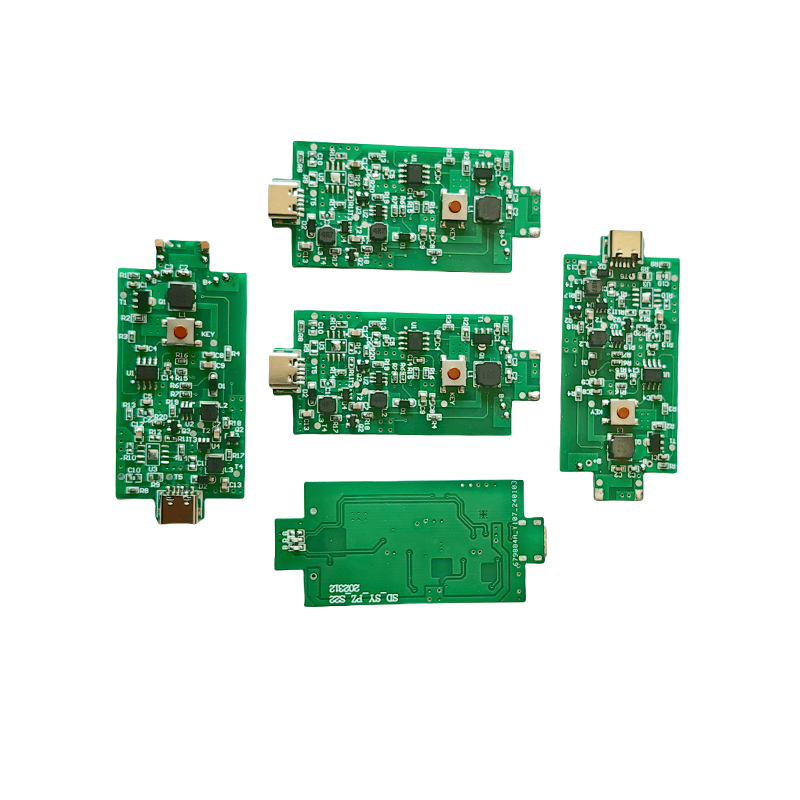
Humidifier Aromatherapy Humidifier Misting Tray PCB Board USB6V12V24V Five Head PCB Driver Board 10 Head Driver Board
-
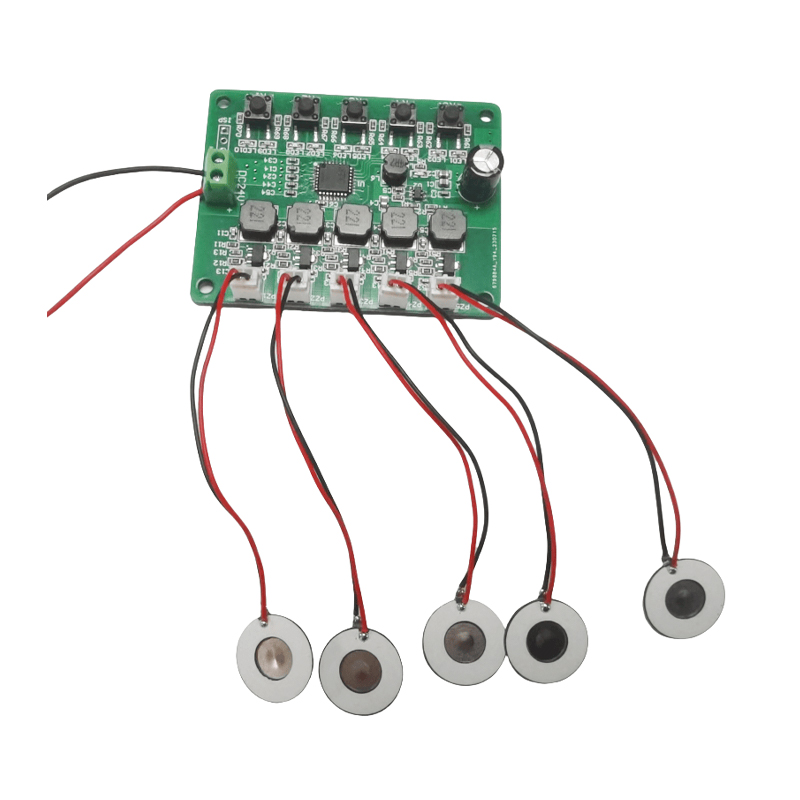
Medical Inhalation Nebulizer Respirator Head-mounted Nebulizer PCB Driver B
-
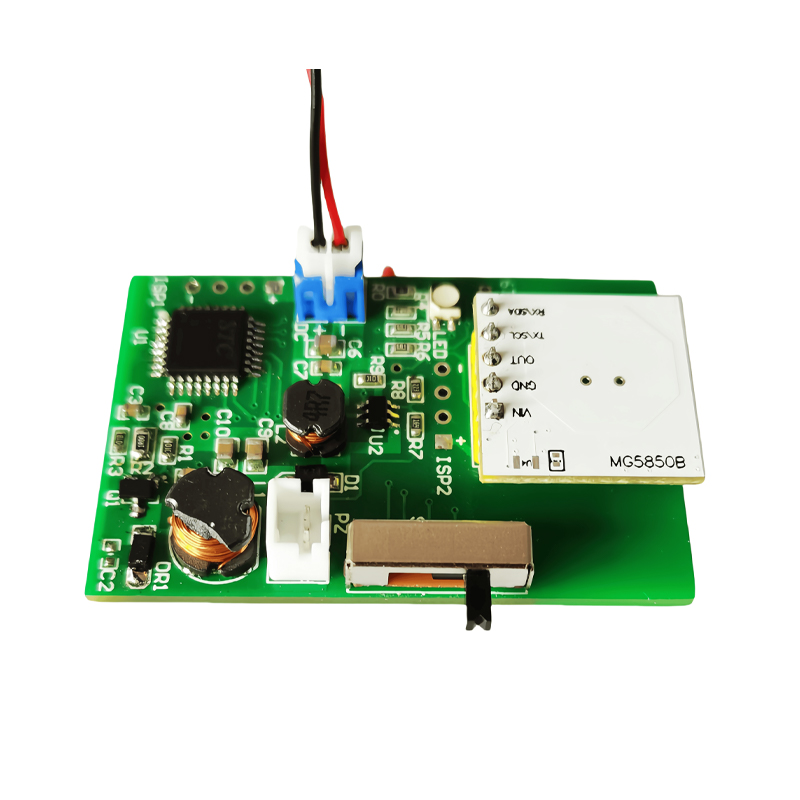
Medical Mesh Atomizer Tray PCB Electronic Smoking Cessation Atomizer PCB Driver Board
-
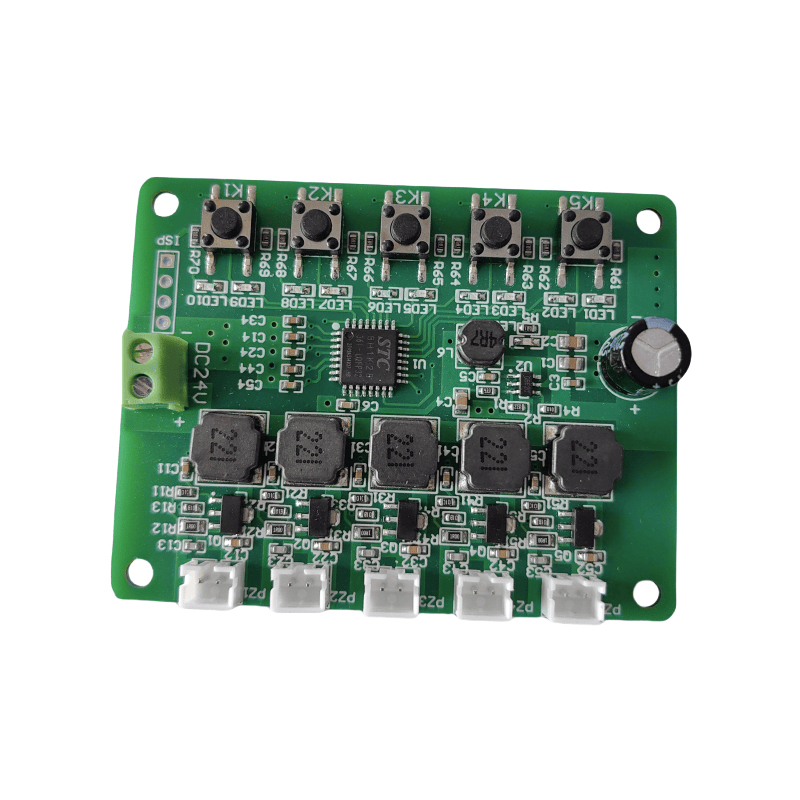
Driver Board For Humidifier Crescent PCB Board Timing 2/4h Function 1.5W
-
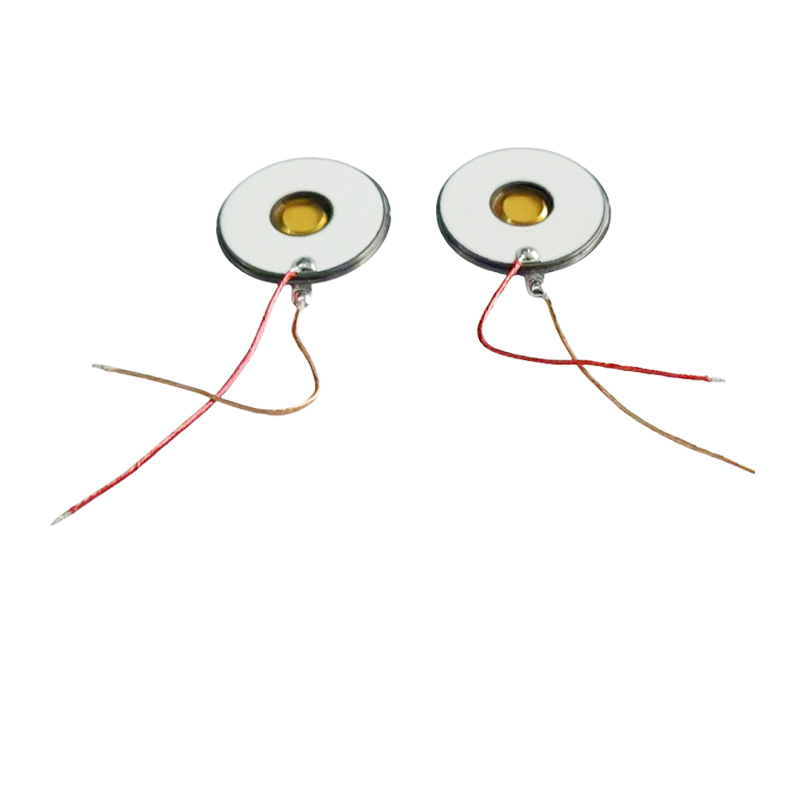
M16-108KHZ Polyimide PI MembraneMesh Micro Mesh NebulizerMedical NebulizerUltrasonic Mesh Nebulizer3μm Microporous Inhalation Nebulizer With Nebulizing DiscPower Consumption1~1.5W
-
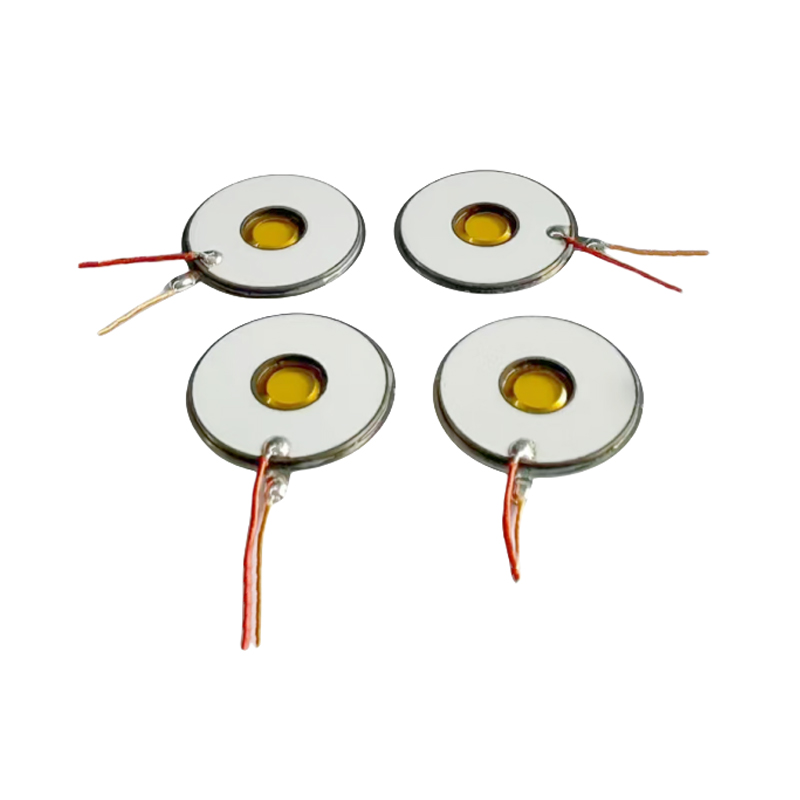
M16-108KHZ Polyimide PI MembraneMesh Micro Mesh NebulizerMedical NebulizerUltrasonic Mesh Nebulizer3μm Microporous Nebulizer Disc For Inhaler Nebulizer
-
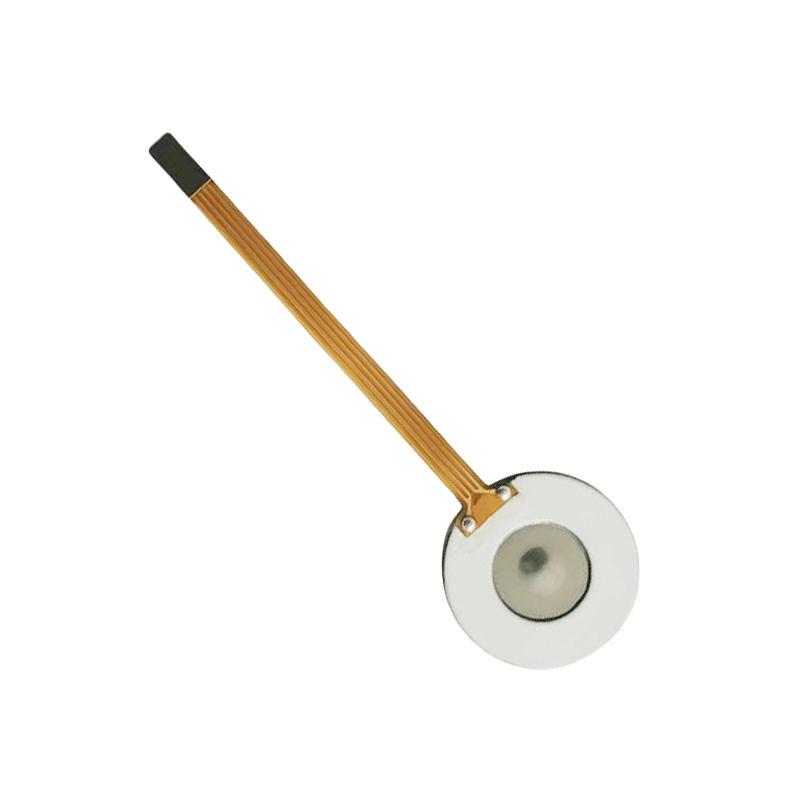
M16-110KHZ Polyimide PI MembraneMesh Micro Mesh NebulizerMedical NebulizerUltrasonic Mesh Nebulizer3μm Microporous Nebulizer Disc For Inhalation Nebulizer
-
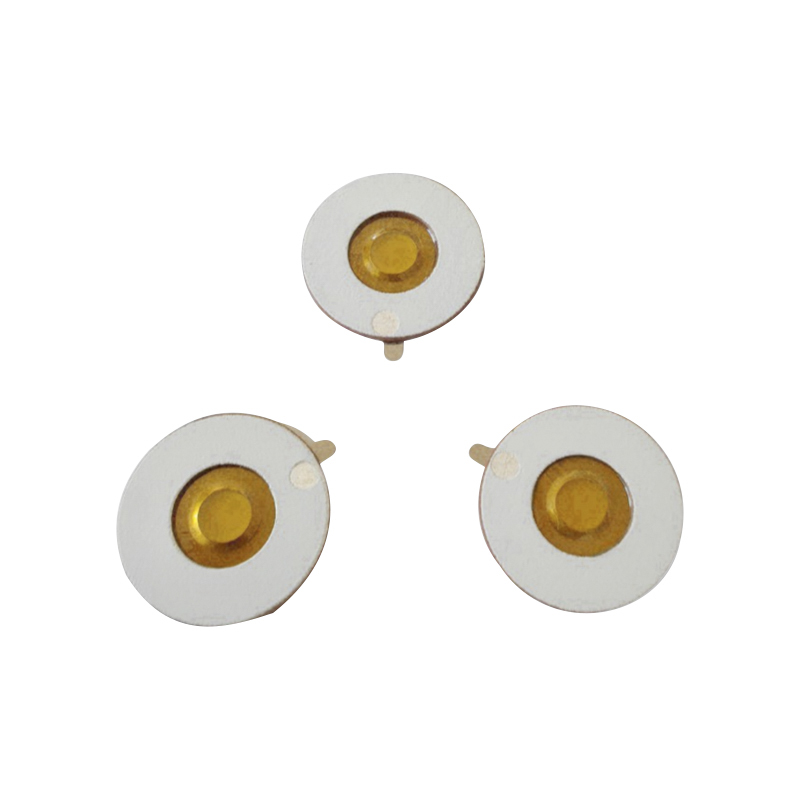
M16-108KHZ Polyimide PI MembraneMesh Micro Mesh NebulizerMedical NebulizerUltrasonic Mesh Nebulizer Tablet3μm Microporous Inhalation Budesonide Nebulizer Tray
- Quick Links
- Product
- About
- Application
- News
- Contact
- Product Links
- Medical Mesh Piezo Atomizer
- Polymer PI Film Piezo Atomizer
- KNN Lead-free Mesh Piezo Atomizer
- PI Lead Free Mesh Zeroing Chip
- Micro-mesh Piezo Atomizer For Heater
- Piezo Atomizer For Fan/Humidification/Beauty
- Ultrasonic Atomizing Transducer
- Ultrasonic High-frequency Piezo Atomizer
- Power Generation/Heating Sensor Piezo Atomizer
- Medical Piezo Atomizer PCB Design
- Precision Laser Micro-hole Processing Technology
- Contact
-
Building 1, Fortune Star 2, No.311 Huanzhen North Road, Chang'an Town, Haining City, Zhejiang Province, China.

-
+86-18006619680

-
+86-13777879680

-
Felix@saidapiezo.com

riney@saidapiezo.com
yugao@saidapiezo.com
emily@saidapiezo.com
dean@saidapiezo.com -
Felix: +86 18157327658

John: +86 18957351358
Emily: +86 18957339358
Dean: +86 15356418868
- Mobile