


 English
 中文简体
中文简体A medical mesh piezo atomizer disc is qualified for a device by four measurable outputs: particle size distribution, atomization rate, power draw at operating voltage, and cycle life under repeated use. A disc that looks correct on a datasheet still fails integration if any one of these four falls outside the device's tolerance window.
01How the Disc Converts Liquid Into Aerosol
A medical mesh piezo atomizer disc uses a piezoelectric ceramic element to drive a micro-perforated mesh plate at high frequency, forcing liquid medication through thousands of microscopic openings to form a fine, uniform aerosol. The process runs on a simple chain: electrical signal input drives ceramic vibration, the mesh oscillates at that frequency, and liquid passing through the mesh apertures breaks into aerosol particles sized by the aperture geometry itself.
02Reading the Core Specification Set
Every device integrator evaluating a medical mesh piezo atomizer disc should treat mesh aperture size as the specification that determines almost everything downstream, since it sets both particle size and maximum atomization rate.
| Specification | Why It Matters |
| Mesh aperture size | Sets particle size range and inhalation depth of the aerosol |
| Resonant frequency | Must match the drive circuit for stable, efficient vibration |
| Atomization rate | Determines treatment time for a given medication volume |
| Operating voltage | Affects battery life in portable and wearable devices |
| Liquid compatibility | Confirms the disc won't degrade with the target medication's chemistry |
03Why Particle Size Range Drives Device Selection
- Particle sizes in the 1 to 5 micron range are generally targeted for deep lung deposition in respiratory therapy
- Larger particle output suits upper airway delivery rather than deep inhalation therapy
- Mesh aperture uniformity directly determines particle size consistency across a treatment session
- Inconsistent aperture manufacturing produces a wider particle distribution and less predictable dosing
A disc rated for a fast atomization rate but with wide particle size variance can deliver less medication to the target airway than a slower disc with a tighter, more uniform particle distribution.
04Mesh Piezo vs Traditional Atomization Components
Mesh Piezo Disc
- Fine, uniform aerosol particles
- Low power draw, portable-friendly
- Quiet operation for home use
- Higher precision manufacturing cost
Traditional Atomizer
- Larger, less uniform particles
- Higher energy input required
- Louder mechanical operation
- Lower initial component cost
05Qualifying a Manufacturing Partner
Precision Micro-Hole Manufacturing
Confirm the supplier's mesh aperture tolerance and how it is verified across production batches.
Calibration and Frequency Testing
Ask how each disc is tuned and tested for resonant frequency before shipment.
Custom Development Capability
Check whether mesh design, frequency, and connector structure can be adjusted for your specific device.
Medical-Grade Quality Systems
Verify documented quality control on electrical characteristics, structural reliability, and assembly accuracy.
FAQFrequently Asked Questions
What particle size is typical for respiratory therapy nebulizers?
Most respiratory therapy applications target particles in the 1 to 5 micron range for effective deep lung deposition, though the exact target depends on the specific treatment and medication.
How does mesh aperture size affect atomization rate?
Larger apertures generally allow higher atomization rates but produce larger particles, so aperture size is a direct trade-off between treatment speed and particle size precision.
Why does a medical mesh piezo atomizer disc use less power than traditional atomizers?
Piezoelectric vibration converts electrical energy directly into the mechanical motion needed for atomization, avoiding the higher energy losses typical of compressor-based or ultrasonic systems.
Can atomizer discs be customized for a specific medication or device?
Yes, manufacturers can adjust mesh aperture size, resonant frequency, and connector structure to match a specific liquid formulation and device design.
Related Products
-
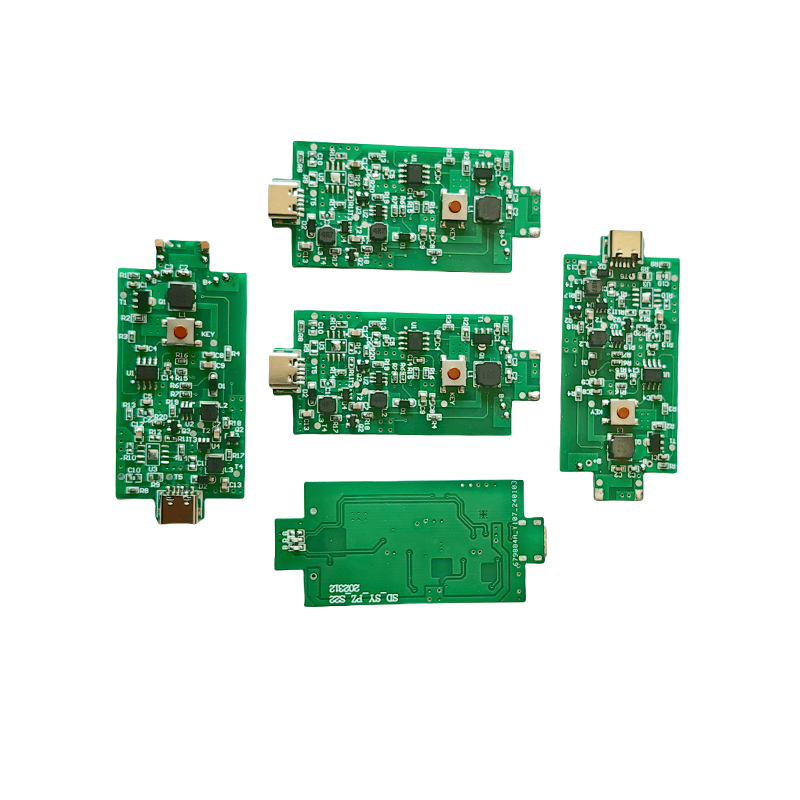
Humidifier Aromatherapy Humidifier Misting Tray PCB Board USB6V12V24V Five Head PCB Driver Board 10 Head Driver Board
-
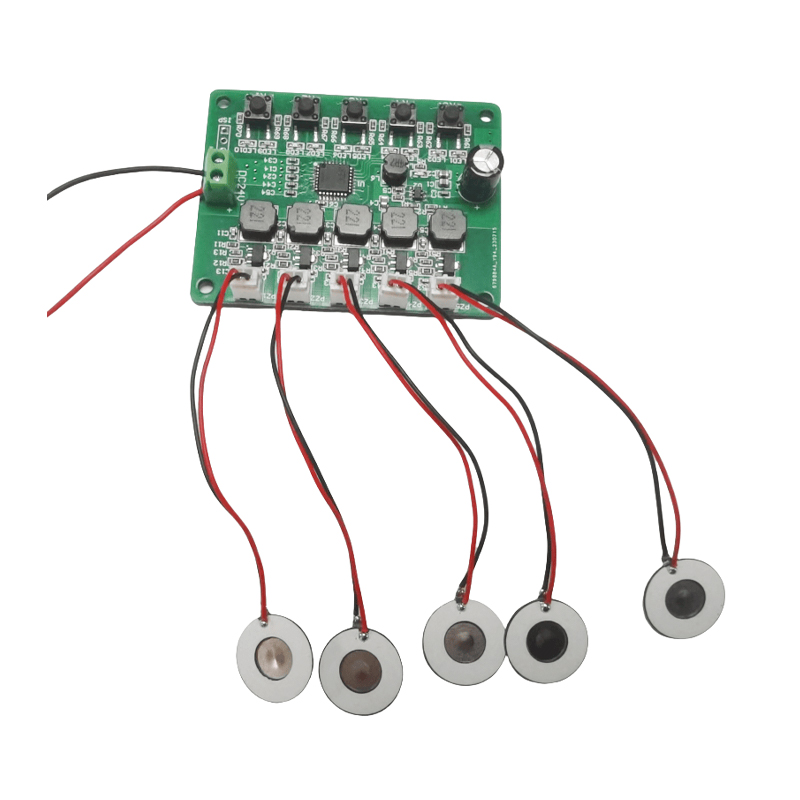
Medical Inhalation Nebulizer Respirator Head-mounted Nebulizer PCB Driver B
-
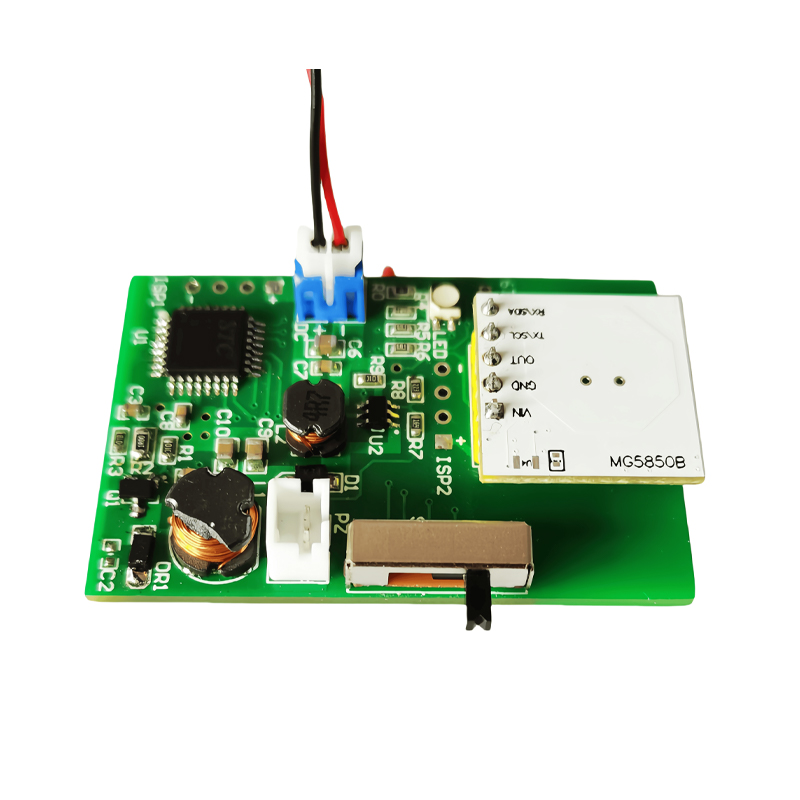
Medical Mesh Atomizer Tray PCB Electronic Smoking Cessation Atomizer PCB Driver Board
-
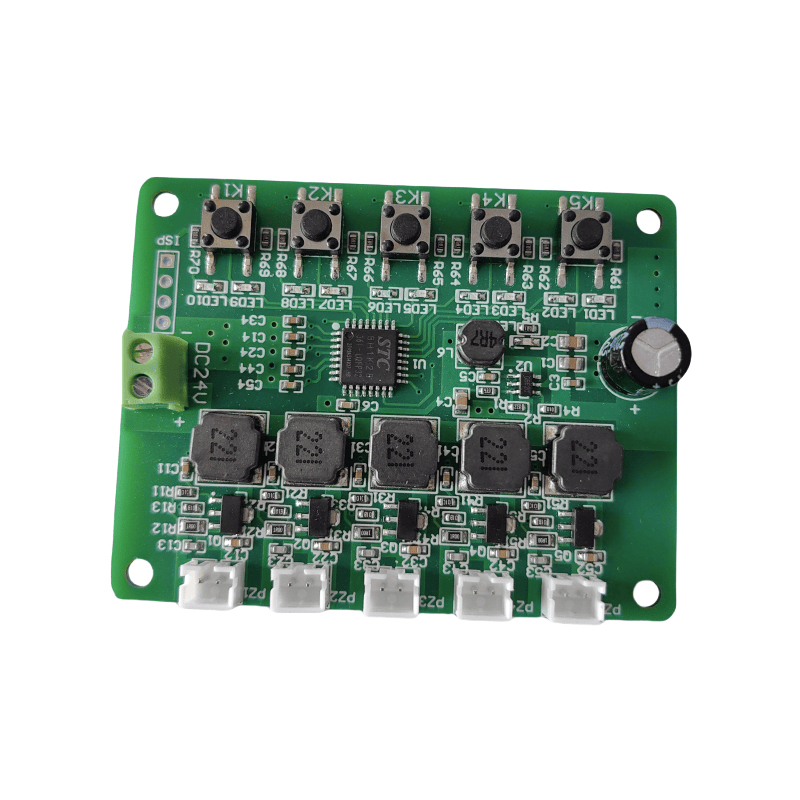
Driver Board For Humidifier Crescent PCB Board Timing 2/4h Function 1.5W
-
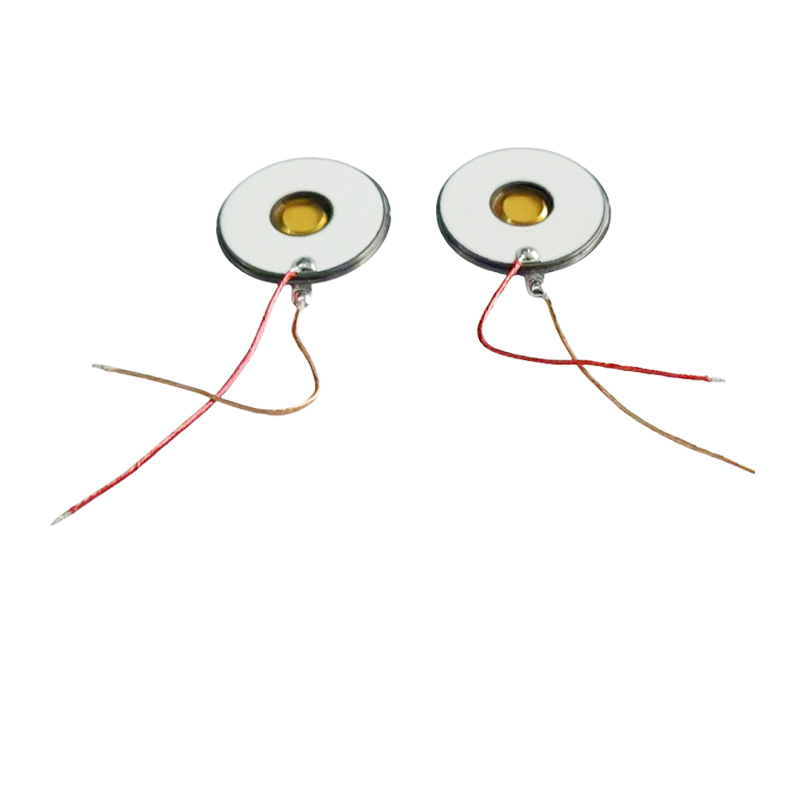
M16-108KHZ Polyimide PI MembraneMesh Micro Mesh NebulizerMedical NebulizerUltrasonic Mesh Nebulizer3μm Microporous Inhalation Nebulizer With Nebulizing DiscPower Consumption1~1.5W
-
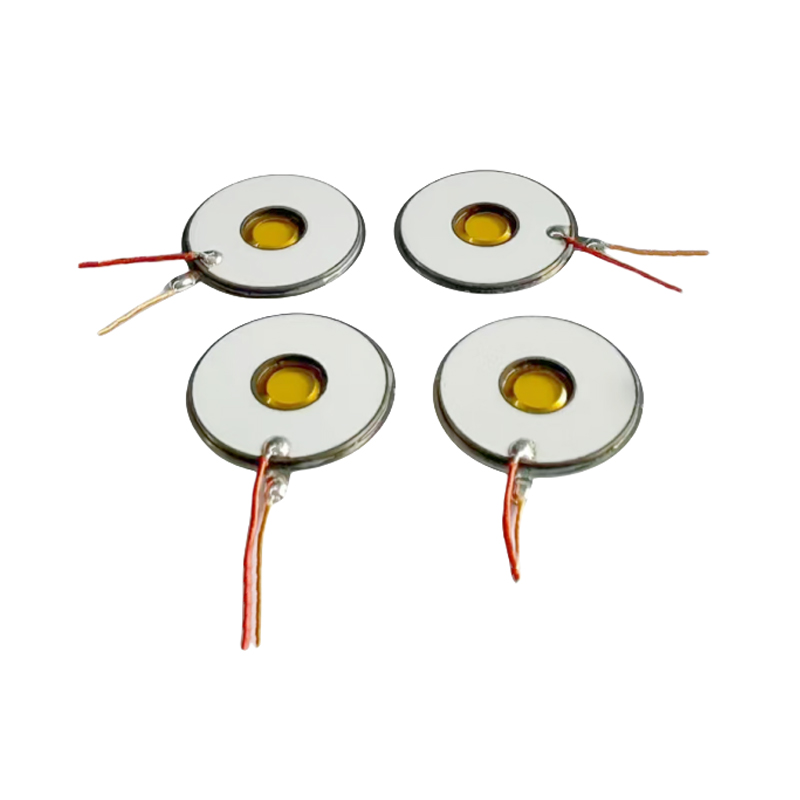
M16-108KHZ Polyimide PI MembraneMesh Micro Mesh NebulizerMedical NebulizerUltrasonic Mesh Nebulizer3μm Microporous Nebulizer Disc For Inhaler Nebulizer
-
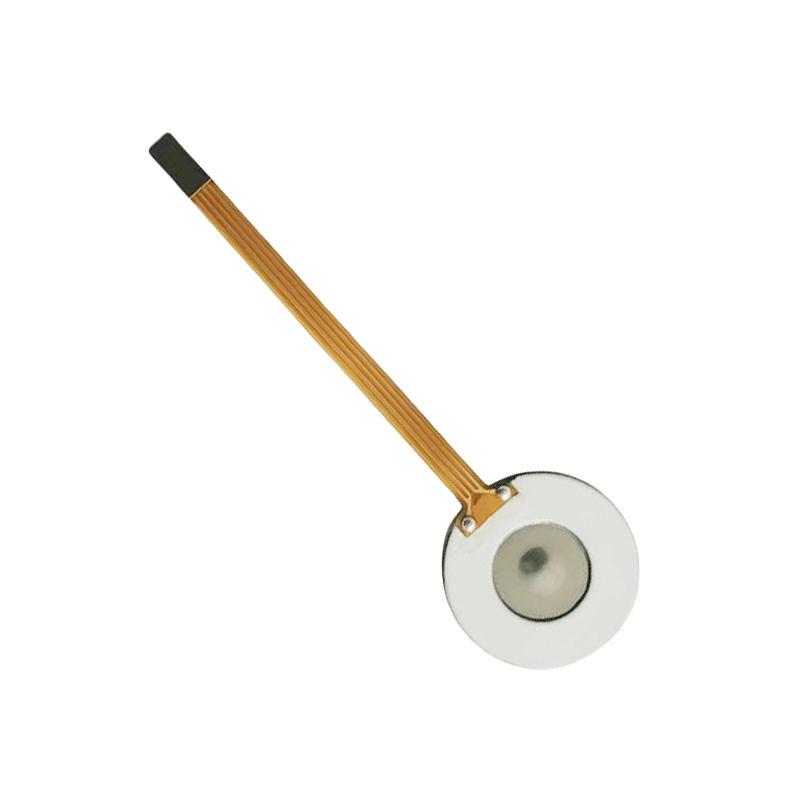
M16-110KHZ Polyimide PI MembraneMesh Micro Mesh NebulizerMedical NebulizerUltrasonic Mesh Nebulizer3μm Microporous Nebulizer Disc For Inhalation Nebulizer
-
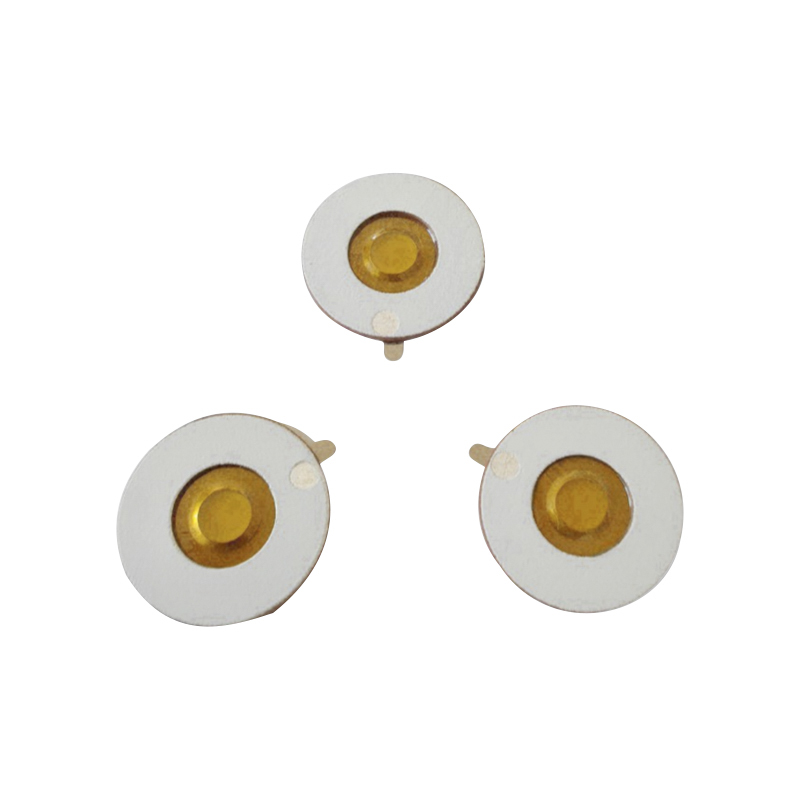
M16-108KHZ Polyimide PI MembraneMesh Micro Mesh NebulizerMedical NebulizerUltrasonic Mesh Nebulizer Tablet3μm Microporous Inhalation Budesonide Nebulizer Tray
- Quick Links
- Product
- About
- Application
- News
- Contact
- Product Links
- Medical Mesh Piezo Atomizer
- Polymer PI Film Piezo Atomizer
- KNN Lead-free Mesh Piezo Atomizer
- PI Lead Free Mesh Zeroing Chip
- Micro-mesh Piezo Atomizer For Heater
- Piezo Atomizer For Fan/Humidification/Beauty
- Ultrasonic Atomizing Transducer
- Ultrasonic High-frequency Piezo Atomizer
- Power Generation/Heating Sensor Piezo Atomizer
- Medical Piezo Atomizer PCB Design
- Precision Laser Micro-hole Processing Technology
- Contact
-
Building 1, Fortune Star 2, No.311 Huanzhen North Road, Chang'an Town, Haining City, Zhejiang Province, China.

-
+86-18006619680

-
+86-13777879680

-
Felix@saidapiezo.com

riney@saidapiezo.com
yugao@saidapiezo.com
emily@saidapiezo.com
dean@saidapiezo.com -
Felix: +86 18157327658

John: +86 18957351358
Emily: +86 18957339358
Dean: +86 15356418868
- Mobile