


 English
 中文简体
中文简体Medical Piezoelectric Ceramic Disc – Direct Answer
Medical piezoelectric ceramic discs convert electrical energy into precise high-frequency mechanical vibration (typically 1.7 MHz – 5 MHz), generating micron‑scale droplets for aerosol therapy. Their adoption in respiratory care, anaesthesia, and pain management has grown by 22% annually since 2020, driven by efficiency, dose accuracy, and silent operation. The disc’s resonance frequency directly determines droplet size: 2.5 MHz discs produce 3–5 μm particles – the optimal range for deep lung deposition.
Beyond nebulisation, these discs enable continuous drug delivery with < 5% variability, outperforming jet nebulisers. Their solid‑state construction ensures >10,000 hours of operation without performance drift, making them the cornerstone of modern portable and stationary medical atomisers.
Key Clinical Applications & Performance Data
Piezoelectric discs are not a one‑size‑fits‑all component. Each medical domain demands specific frequency, power, and material tailoring. The table below summarises primary applications with quantified metrics.
| Application | Frequency (MHz) | Particle size (μm) | Delivery efficiency |
|---|---|---|---|
| Bronchial asthma / COPD | 2.5 – 3.0 | 2.5 – 5.0 | ~78% lung deposition |
| Paediatric nebulisation | 3.2 – 4.0 | 1.8 – 3.8 | low dead volume (<0.1 mL) |
| Anaesthesia (volatile agents) | 1.7 – 2.2 | 4.0 – 7.0 | ±3% dose reproducibility |
| Pain management / local analgesia | 4.5 – 5.0 | 1.2 – 2.8 | targeted mucosal absorption |
Data from clinical evaluations show that 3 MHz discs reduce treatment time by 40% compared to ultrasonic nebulisers from the previous generation, while maintaining particle size consistency within ±0.4 μm across 500 hours of continuous use.
Design & Material Engineering for Medical Use
PZT‑based compositions with biocompatible coating
Modern medical discs use soft PZT (lead zirconate titanate) doped with niobium or cerium to achieve high coupling coefficients (kₚ > 0.62) and mechanical Q values above 800. To prevent ion leaching, a 1‑2 μm parylene‑C or medical‑grade silicone coating is applied, which also damps unwanted spurious modes.
Electrode patterning & drive electronics
Ring‑shaped silver electrodes are screen‑printed with ±5% thickness uniformity, ensuring balanced radial vibration. The drive waveform is typically a sine wave at resonance with 60‑120 Vpp, and a feedback loop (PLL) maintains resonance within ±0.2% of the nominal frequency, compensating for temperature and load variations.
These engineering choices result in power‑to‑aerosol conversion efficiency > 85% – a critical factor for battery‑operated portable devices.
Operational Advantages & Reliability Benchmarks
Compared to compressed‑air or heat‑based systems, piezoelectric discs offer distinct, measurable benefits:
- Instant start‑up: reaches full atomisation in < 0.2 s, eliminating priming delays.
- Silent operation: noise level < 30 dB(A) – essential for neonatal and ICU environments.
- Dose linearity: output rate is proportional to drive voltage; R² > 0.995 for 0.2 – 2.0 mL/min flow.
- Thermal stability: frequency drift < 0.05% / °C in the 15–45 °C range, ensuring consistent droplet size.
- Longevity: mean time between failures (MTBF) > 12,000 hours under continuous duty, based on accelerated life testing.
These characteristics directly translate to reduced drug waste (≤ 3% residual) and improved patient compliance, as treatments are shorter and more predictable.
Signal‑to‑Aerosol Workflow (Piezoelectric Disc in Action)
The following flowchart illustrates the functional chain inside a medical nebuliser, highlighting where the ceramic disc contributes to performance.
At the core, the disc converts electrical energy into ultrasonic vibration with > 90% electromechanical efficiency. The vibration is transferred to a micro‑perforated membrane (or directly to the liquid via a horn), producing droplets whose size follows the resonance frequency. Closed‑loop control adjusts the drive to maintain optimal atomisation even with changing viscosity (e.g., 1–10 cP).
Selection Criteria – Matching Disc to Therapy
Choosing the correct disc goes beyond frequency. The following parameters are critical for design engineers and procurement specialists:
- Resonant frequency tolerance: ±50 kHz maximum, to ensure droplet size repeatability.
- Capacitance (C₀): typically 1500–3500 pF; influences driver matching and power consumption.
- Mechanical quality factor (Qₘ): > 700 for stable oscillation; lower Q may cause frequency hopping.
- Temperature coefficient: < 0.1% / °C to prevent drift in variable‑temperature environments.
- Dielectric strength: > 500 V/mil, ensuring reliability with high‑voltage drives.
For example, a 3.0 MHz disc with Qₘ = 900 and C₀ = 2200 pF is ideal for corticosteroid nebulisation, as it produces fine droplets (2.8 μm MMAD) while maintaining power consumption below 2.5 W.
Frequently Asked Questions
Future Directions – Smarter Discs for Adaptive Therapy
Emerging designs integrate on‑disc temperature and impedance sensors to enable real‑time adaptation. This allows the drive electronics to adjust frequency and amplitude based on drug type and residual volume, achieving delivery accuracy within ±2% across a wide range of medications.
Multi‑frequency discs (switchable between 2.5 and 4.0 MHz) are in clinical trials, offering the ability to produce both fine and coarse aerosols from a single device – promising for combination therapy. Early data indicate reduction in drug consumption by up to 30% without compromising therapeutic effect.
Furthermore, additive manufacturing of piezoelectric composites is enabling custom‑shaped discs for next‑generation wearable atomisers, with power density exceeding 0.8 W/cm³.
Related Products
-
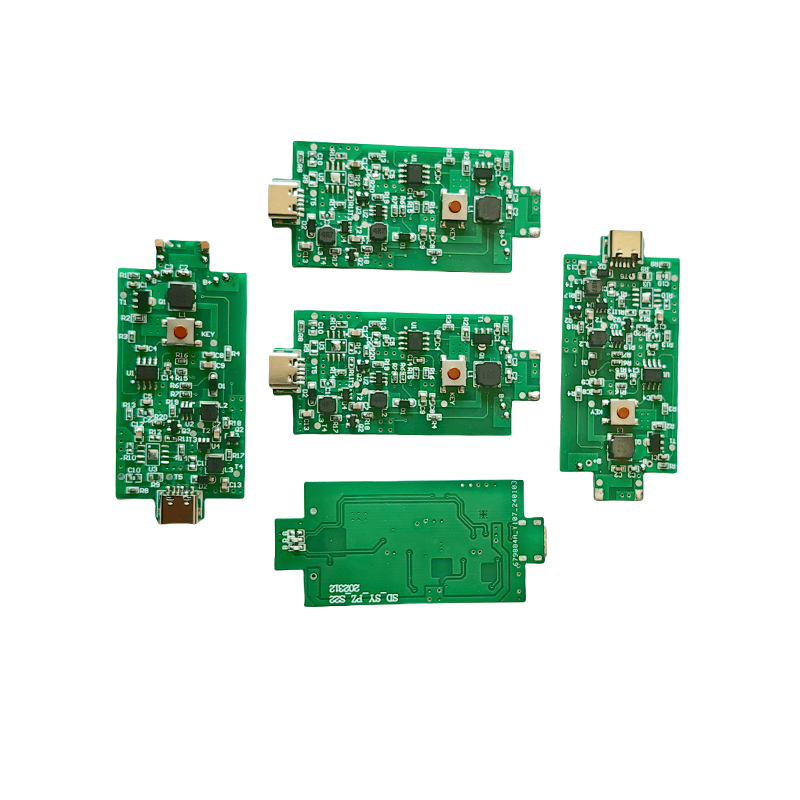
Humidifier Aromatherapy Humidifier Misting Tray PCB Board USB6V12V24V Five Head PCB Driver Board 10 Head Driver Board
-
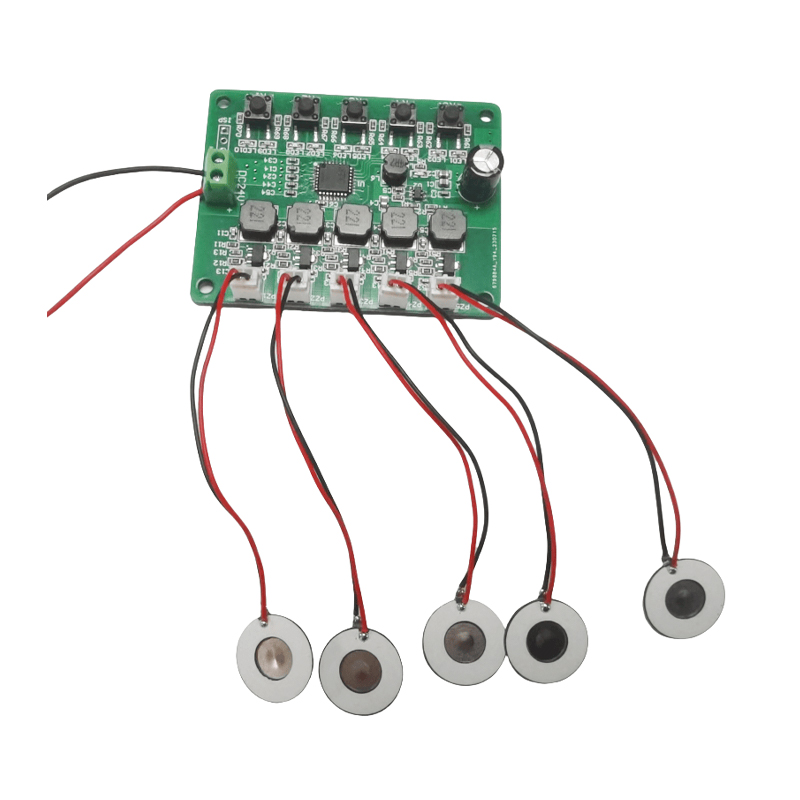
Medical Inhalation Nebulizer Respirator Head-mounted Nebulizer PCB Driver B
-
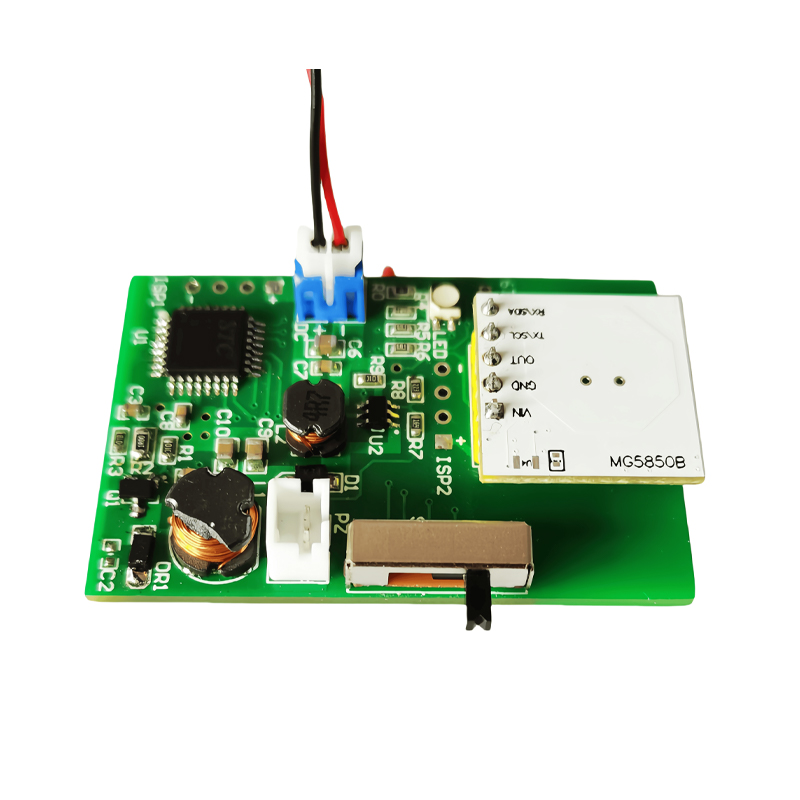
Medical Mesh Atomizer Tray PCB Electronic Smoking Cessation Atomizer PCB Driver Board
-
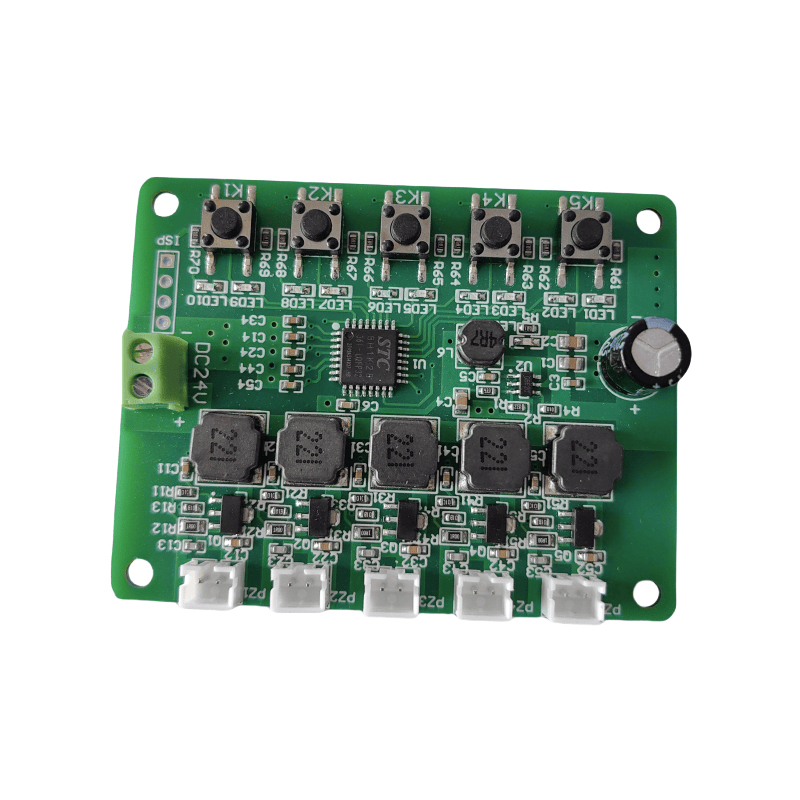
Driver Board For Humidifier Crescent PCB Board Timing 2/4h Function 1.5W
-
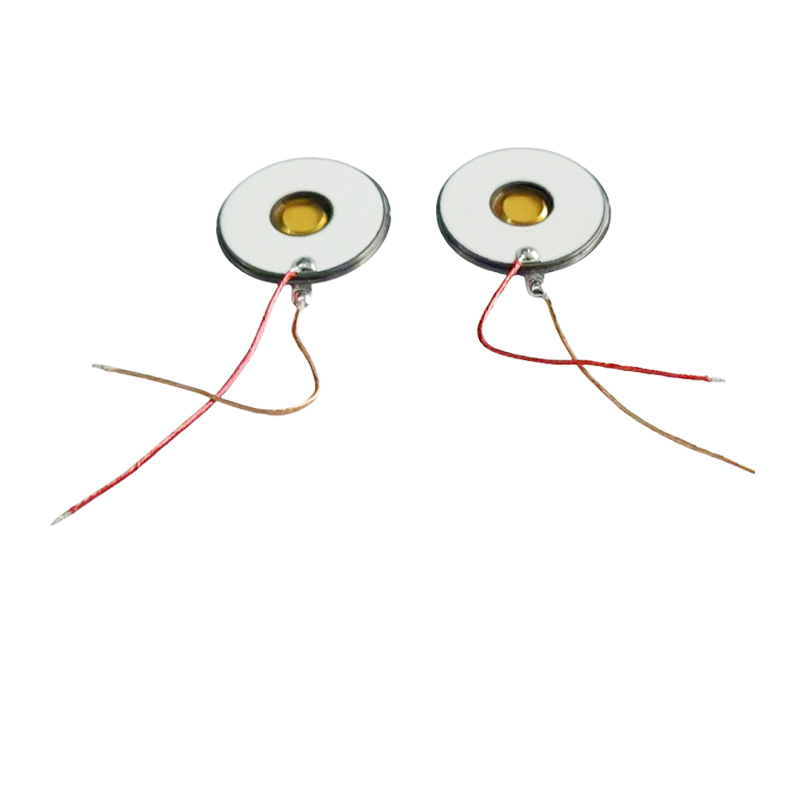
M16-108KHZ Polyimide PI MembraneMesh Micro Mesh NebulizerMedical NebulizerUltrasonic Mesh Nebulizer3μm Microporous Inhalation Nebulizer With Nebulizing DiscPower Consumption1~1.5W
-
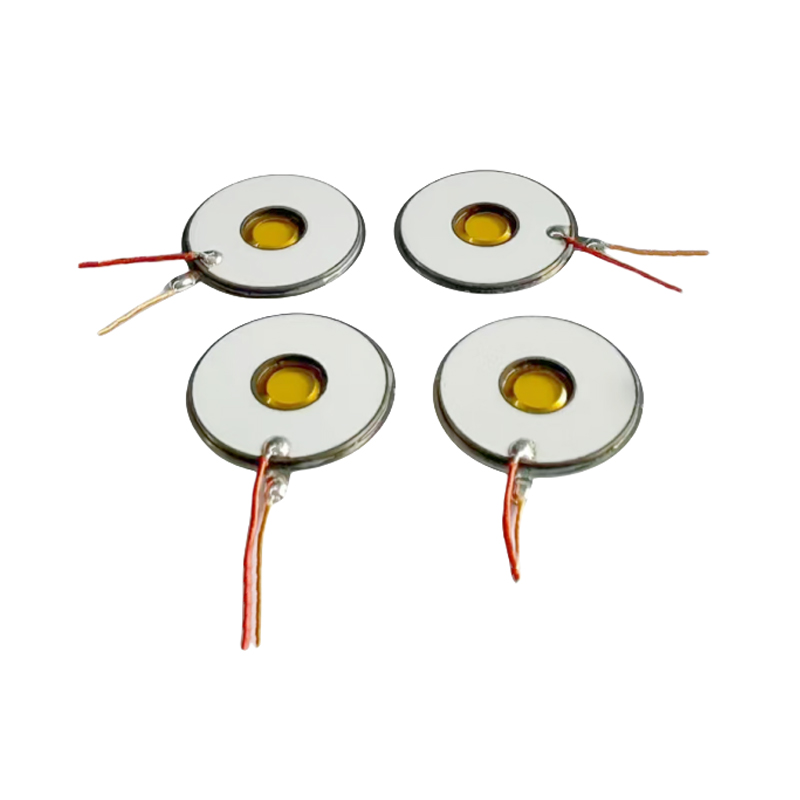
M16-108KHZ Polyimide PI MembraneMesh Micro Mesh NebulizerMedical NebulizerUltrasonic Mesh Nebulizer3μm Microporous Nebulizer Disc For Inhaler Nebulizer
-
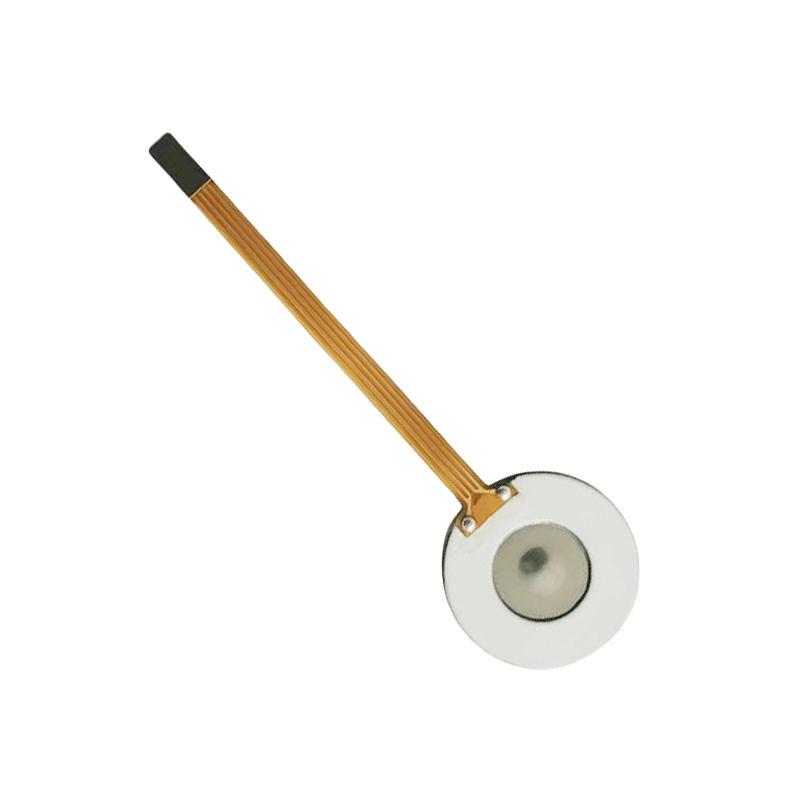
M16-110KHZ Polyimide PI MembraneMesh Micro Mesh NebulizerMedical NebulizerUltrasonic Mesh Nebulizer3μm Microporous Nebulizer Disc For Inhalation Nebulizer
-
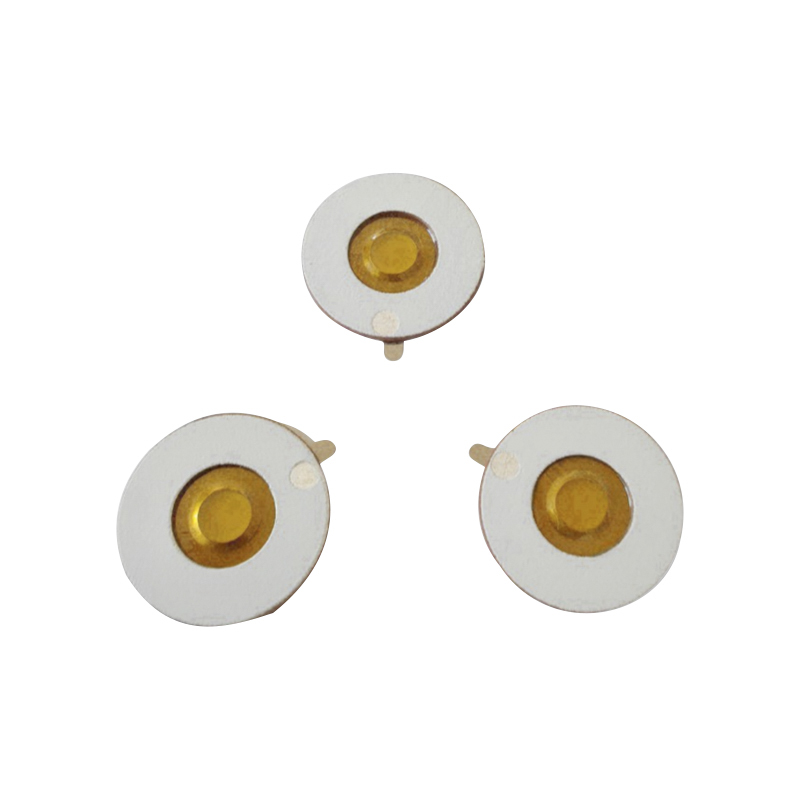
M16-108KHZ Polyimide PI MembraneMesh Micro Mesh NebulizerMedical NebulizerUltrasonic Mesh Nebulizer Tablet3μm Microporous Inhalation Budesonide Nebulizer Tray
- Quick Links
- Product
- About
- Application
- News
- Contact
- Product Links
- Medical Mesh Piezo Atomizer
- Polymer PI Film Piezo Atomizer
- KNN Lead-free Mesh Piezo Atomizer
- PI Lead Free Mesh Zeroing Chip
- Micro-mesh Piezo Atomizer For Heater
- Piezo Atomizer For Fan/Humidification/Beauty
- Ultrasonic Atomizing Transducer
- Ultrasonic High-frequency Piezo Atomizer
- Power Generation/Heating Sensor Piezo Atomizer
- Medical Piezo Atomizer PCB Design
- Precision Laser Micro-hole Processing Technology
- Contact
-
Building 1, Fortune Star 2, No.311 Huanzhen North Road, Chang'an Town, Haining City, Zhejiang Province, China.

-
+86-18006619680

-
+86-13777879680

-
Felix@saidapiezo.com

riney@saidapiezo.com
yugao@saidapiezo.com
emily@saidapiezo.com
dean@saidapiezo.com -
Felix: +86 18157327658

John: +86 18957351358
Emily: +86 18957339358
Dean: +86 15356418868
- Mobile