


 English
 中文简体
中文简体Understanding the Role of Piezoelectric Ceramic in Medical Devices
A medical piezoelectric ceramic disc is a small but critical component that converts electrical energy into mechanical vibration and back again. This two way energy conversion is the foundation of diagnostic ultrasound, nebulizers, dental scalers, and other medical instruments that rely on precise acoustic output. Engineers and procurement teams working with medical diagnostic equipment often need a clear technical understanding of how these discs behave before selecting a supplier or specification.
Unlike general industrial ceramics, discs used in healthcare settings must meet tighter tolerances for frequency stability, biocompatibility of housing materials, and long term reliability under repeated thermal cycling. This article breaks down the working principle, materials, manufacturing steps, and selection criteria in a structured, practical way.
How Does a Medical Piezoelectric Ceramic Disc Work
The core mechanism behind every piezoelectric ceramic disc is the piezoelectric effect. When an alternating voltage is applied across the electrodes on the disc surface, the ceramic lattice expands and contracts at the same frequency as the input signal. This mechanical oscillation generates sound waves, typically in the ultrasonic range above 20 kilohertz, which travel into human tissue during a diagnostic scan.
The reverse process also occurs. When returning echoes strike the disc, the mechanical pressure deforms the ceramic and generates a small electrical charge. This charge is captured, amplified, and processed into an image. This dual behavior, transmitting and receiving in the same component, is why piezoelectric discs remain central to diagnostic ultrasound probes despite decades of alternative sensor research.
Key Electrical Properties That Affect Performance
- Resonant frequency, which determines imaging depth and resolution
- Electromechanical coupling coefficient, which affects energy conversion efficiency
- Dielectric constant, which influences electrical impedance matching
- Mechanical quality factor, which affects bandwidth and pulse duration
What Is a Medical Piezoelectric Ceramic Disc
A medical piezoelectric ceramic disc is a thin, precisely dimensioned ceramic component, usually circular, that has been polarized so it exhibits a consistent piezoelectric response. In medical applications the disc is typically paired with matching layers, backing material, and a housing that meets sterilization and biocompatibility requirements.
These discs appear in several categories of equipment:
| Device Category | Typical Frequency Range | Primary Function |
|---|---|---|
| Diagnostic ultrasound probes | 1 to 15 megahertz | Tissue imaging and Doppler flow detection |
| Ultrasonic nebulizers | 1.5 to 2.5 megahertz | Aerosolizing liquid medication |
| Dental scalers | 25 to 40 kilohertz | Plaque and calculus removal |
| Physiotherapy units | 1 to 3 megahertz | Deep tissue heating and therapy |
| Surgical aspirators | 20 to 60 kilohertz | Tissue fragmentation and removal |
Each of these applications places different demands on the piezo ceramic disc, particularly around duty cycle, drive voltage, and thermal management, which is why disc geometry and material grade vary widely across device types.
How Are Medical Piezoelectric Ceramic Discs Manufactured
Manufacturing a disc suitable for medical use involves several controlled stages. Consistency at each step directly affects the frequency stability and lifespan of the finished component.
- Powder preparation: Raw oxide powders are weighed, mixed, and calcined to form the base piezoelectric ceramic composition
- Forming: The calcined powder is pressed into disc shapes using dry pressing or isostatic pressing methods
- Sintering: Discs are fired at high temperature to achieve dense, uniform crystal structure
- Machining: Discs are ground and lapped to precise thickness, since thickness directly determines resonant frequency
- Electroding: A conductive layer, typically silver, is applied to both faces
- Polarization: A strong direct current field is applied at elevated temperature to align the internal dipoles, giving the disc its piezoelectric behavior
- Testing and sorting: Each disc is measured for resonant frequency, capacitance, and coupling coefficient before it is approved for assembly
Thickness control during machining is one of the most sensitive steps in the process, since even small deviations shift the resonant frequency of the finished disc and can affect image resolution in the final device.
What Materials Are Used in Medical Piezoelectric Ceramic Discs
Most ultrasonic piezo ceramic discs used in medical devices are based on lead zirconate titanate compositions, commonly referred to by their compositional family rather than a specific brand formulation. This material family is favored because it offers a strong balance of coupling efficiency, mechanical strength, and manufacturability.
| Material Property | Why It Matters for Medical Use |
|---|---|
| High coupling coefficient | Improves sensitivity and reduces drive power needed |
| Stable Curie temperature | Maintains performance during sterilization heat cycles |
| Low dielectric loss | Reduces heat buildup during continuous operation |
| Fine, uniform grain structure | Improves consistency across production batches |
Lead free alternative formulations are also under active development for medical use, driven partly by environmental regulation trends, though lead based compositions still dominate due to their proven reliability record in clinical equipment.
How to Choose a Medical Piezoelectric Ceramic Disc
Selecting the right piezoelectric ceramic plate or disc requires matching several technical parameters to the target device rather than choosing based on price alone.
Core Selection Criteria
- Confirm the target resonant frequency matches the intended imaging or therapy depth
- Check the coupling coefficient against the required energy efficiency for the application
- Verify dimensional tolerances, since diameter and thickness variation affects frequency consistency
- Review thermal stability data if the device will undergo repeated sterilization cycles
- Request batch testing reports for capacitance and impedance uniformity
Common Selection Mistakes
| Mistake | Consequence |
|---|---|
| Ignoring batch to batch variation | Inconsistent device calibration across production runs |
| Overlooking backing material compatibility | Reduced bandwidth and blurred imaging |
| Choosing based on price only | Higher failure rates and shortened device lifespan |
| Skipping environmental testing data | Unexpected performance drift after repeated sterilization |
For teams sourcing a medical ultrasound transducer component, requesting sample discs for in house frequency and impedance verification before committing to a production order is a practical way to reduce integration risk.
Frequently Asked Questions
Q1: What is the typical lifespan of a medical piezoelectric ceramic disc?
Under normal operating conditions and proper sterilization procedures, a well manufactured disc can perform reliably for several years of clinical use, though lifespan depends heavily on drive voltage, duty cycle, and thermal exposure.
Q2: Can the same disc design work across multiple device types?
Generally no. Frequency, thickness, and backing requirements differ significantly between imaging probes, nebulizers, and therapy devices, so discs are usually engineered for a specific application.
Q3: Does sterilization affect piezoelectric performance over time?
Repeated heat or chemical sterilization cycles can gradually affect polarization stability, which is why thermal tolerance data should be reviewed before selecting a disc for high frequency reprocessing environments.
Q4: What causes frequency drift in a piezoelectric ceramic disc?
Frequency drift is most commonly caused by thickness variation during machining, aging of the polarization state, or mechanical stress from mounting and housing design.
Q5: Are lead free piezoelectric ceramics ready to replace traditional compositions in medical devices?
Lead free formulations are improving but generally still trail traditional lead zirconate titanate compositions in coupling efficiency and long term reliability, so adoption in medical devices remains gradual.
Related Products
-
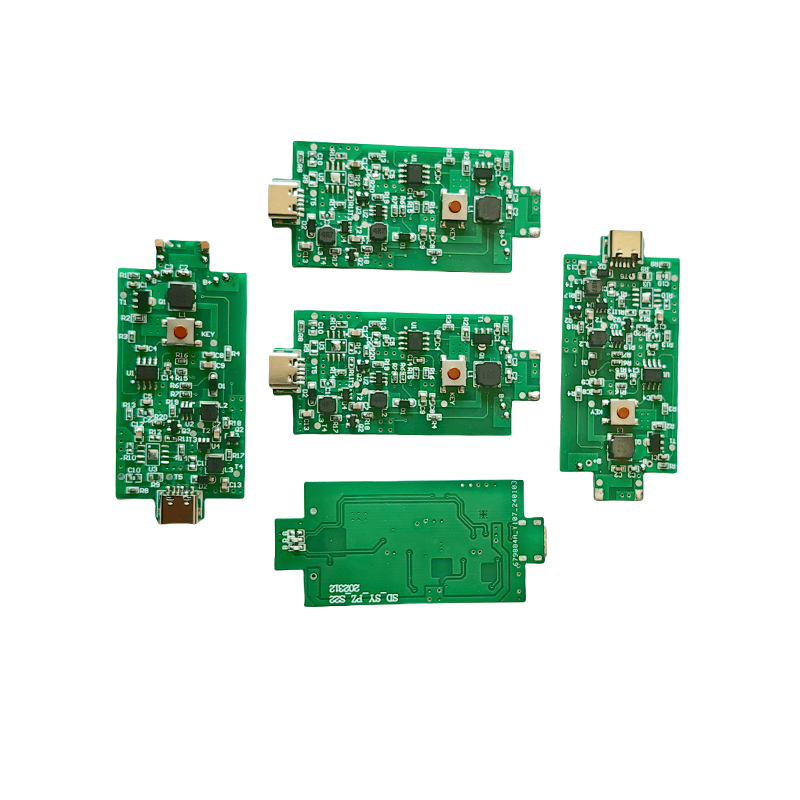
Humidifier Aromatherapy Humidifier Misting Tray PCB Board USB6V12V24V Five Head PCB Driver Board 10 Head Driver Board
-
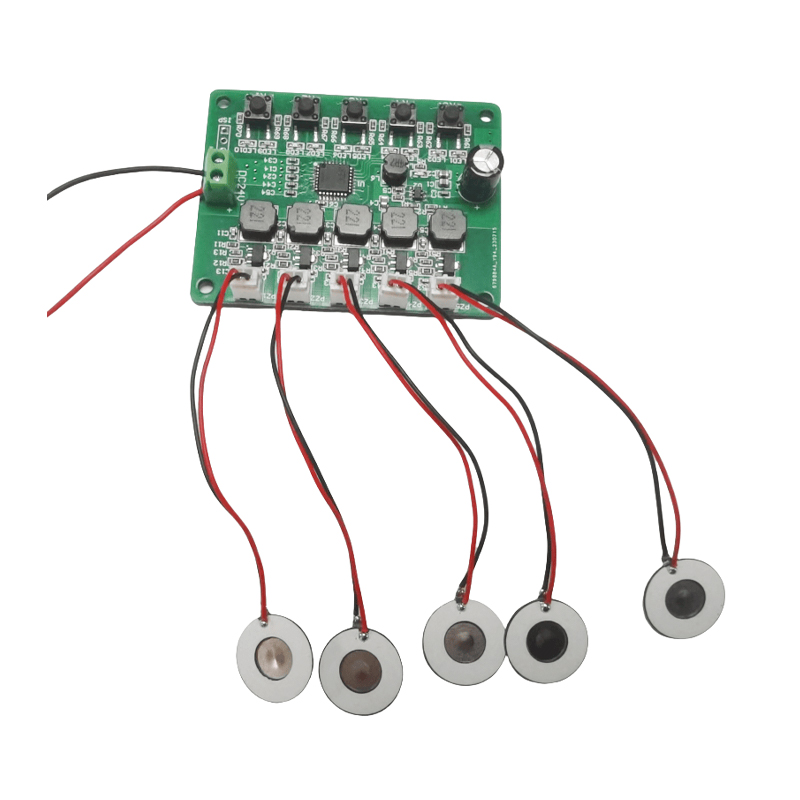
Medical Inhalation Nebulizer Respirator Head-mounted Nebulizer PCB Driver B
-

Medical Mesh Atomizer Tray PCB Electronic Smoking Cessation Atomizer PCB Driver Board
-
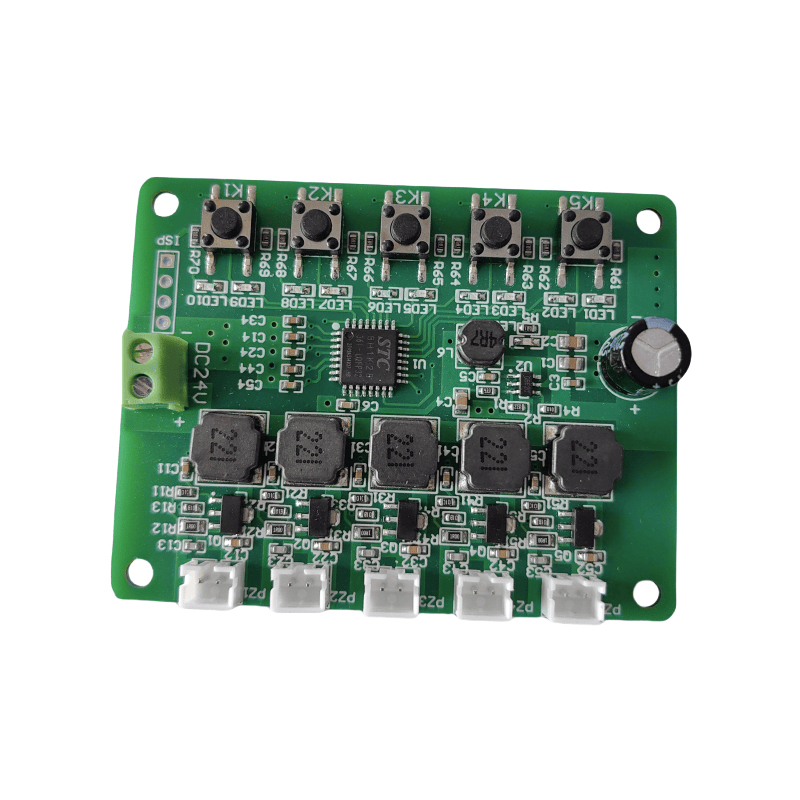
Driver Board For Humidifier Crescent PCB Board Timing 2/4h Function 1.5W
-
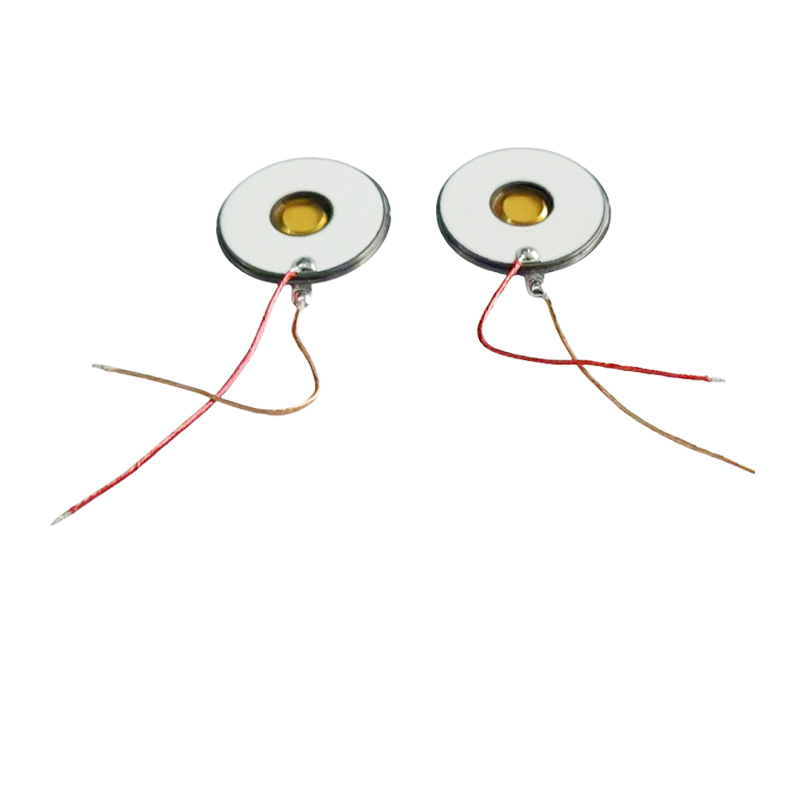
M16-108KHZ Polyimide PI MembraneMesh Micro Mesh NebulizerMedical NebulizerUltrasonic Mesh Nebulizer3μm Microporous Inhalation Nebulizer With Nebulizing DiscPower Consumption1~1.5W
-
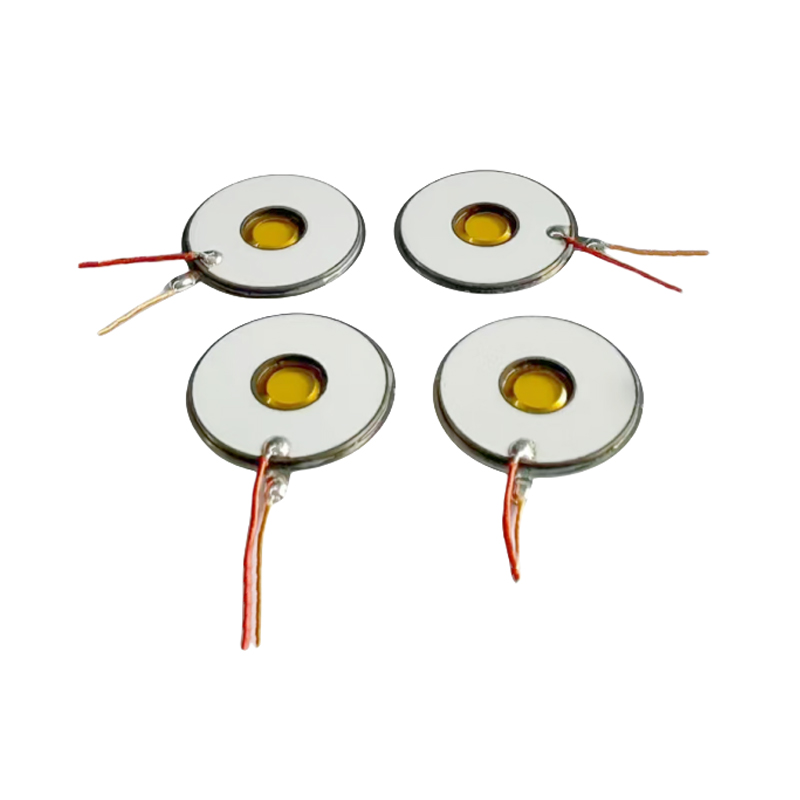
M16-108KHZ Polyimide PI MembraneMesh Micro Mesh NebulizerMedical NebulizerUltrasonic Mesh Nebulizer3μm Microporous Nebulizer Disc For Inhaler Nebulizer
-
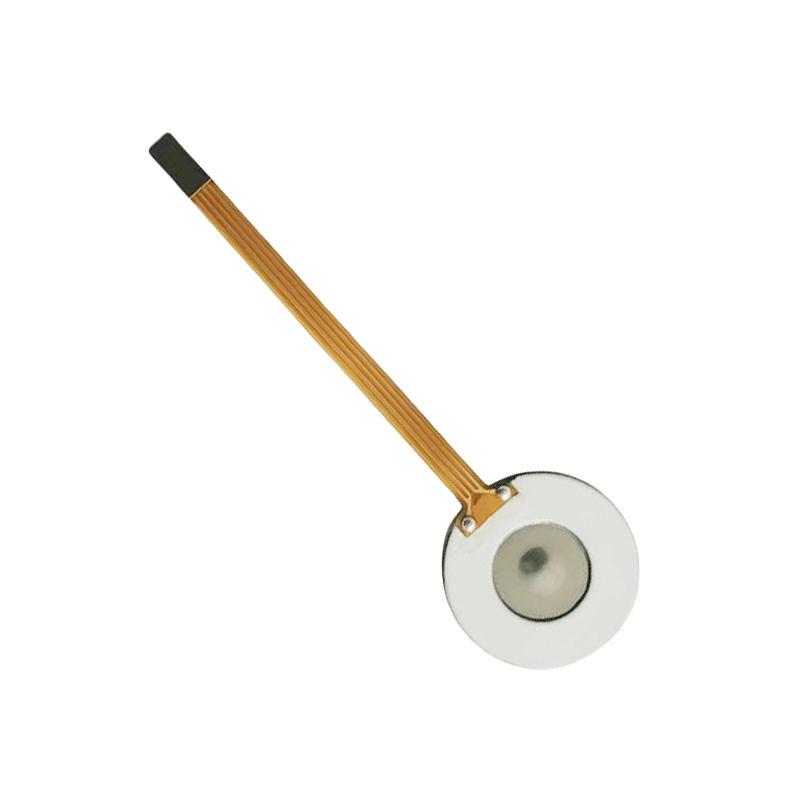
M16-110KHZ Polyimide PI MembraneMesh Micro Mesh NebulizerMedical NebulizerUltrasonic Mesh Nebulizer3μm Microporous Nebulizer Disc For Inhalation Nebulizer
-
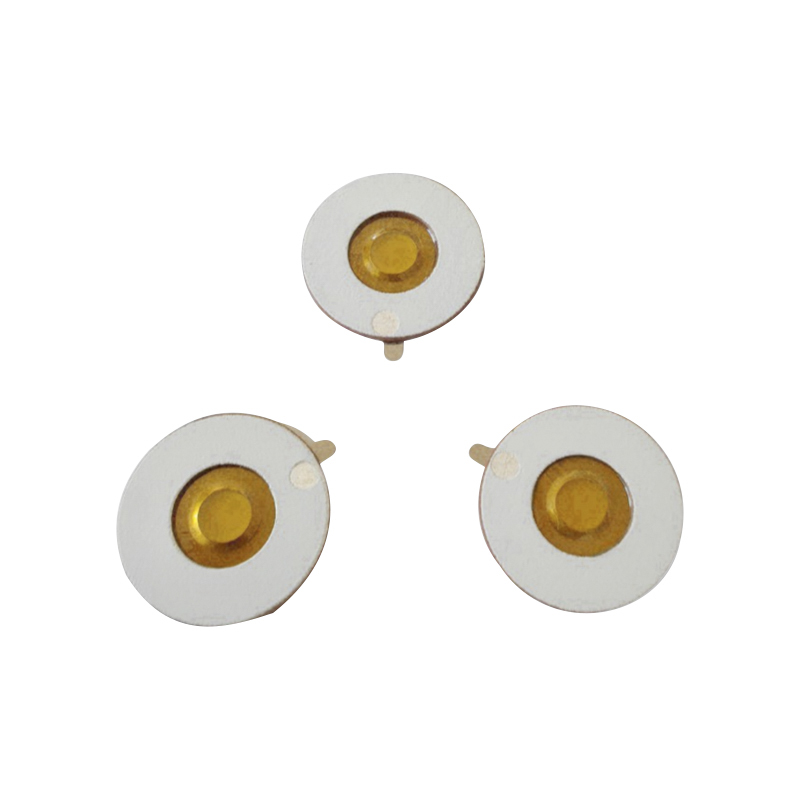
M16-108KHZ Polyimide PI MembraneMesh Micro Mesh NebulizerMedical NebulizerUltrasonic Mesh Nebulizer Tablet3μm Microporous Inhalation Budesonide Nebulizer Tray
- Quick Links
- Product
- About
- Application
- News
- Contact
- Product Links
- Medical Mesh Piezo Atomizer
- Polymer PI Film Piezo Atomizer
- KNN Lead-free Mesh Piezo Atomizer
- PI Lead Free Mesh Zeroing Chip
- Micro-mesh Piezo Atomizer For Heater
- Piezo Atomizer For Fan/Humidification/Beauty
- Ultrasonic Atomizing Transducer
- Ultrasonic High-frequency Piezo Atomizer
- Power Generation/Heating Sensor Piezo Atomizer
- Medical Piezo Atomizer PCB Design
- Precision Laser Micro-hole Processing Technology
- Contact
-
Building 1, Fortune Star 2, No.311 Huanzhen North Road, Chang'an Town, Haining City, Zhejiang Province, China.

-
+86-18006619680

-
+86-13777879680

-
Felix@saidapiezo.com

riney@saidapiezo.com
yugao@saidapiezo.com
emily@saidapiezo.com
dean@saidapiezo.com -
Felix: +86 18157327658

John: +86 18957351358
Emily: +86 18957339358
Dean: +86 15356418868
- Mobile