


 English
 中文简体
中文简体A polymer PI film piezo atomizer converts an electrical signal into high-frequency vibration fine enough to turn liquid into a controlled mist, all from a component thin enough to fit inside a portable humidifier or a medical inhalation device. Choosing the right unit means matching atomization rate, particle size, and power draw to the device it will live inside.
High-Frequency Vibration
Low Power Draw
Micro Particle Output
What Is a Polymer PI Film Piezo Atomizer?
A polymer PI film piezo atomizer is a micro atomization component that combines a polyimide film substrate with a piezoelectric layer to convert electrical signals into mechanical vibration, forcing liquid through a micro-hole nozzle plate to produce fine mist. The structure layers the PI film, piezoelectric material, metal electrode layer, and micro nozzle plate onto a supporting frame, driven by a control circuit that governs vibration frequency and amplitude.
What separates a polymer PI film piezo atomizer from a traditional ceramic ultrasonic atomizer is thickness and responsiveness: the polymer film structure stays flexible and thin enough for compact device integration while still holding stable frequency response over long operating life.
Why This Atomization Technology Stands Out
High Efficiency
Converts electrical energy into vibration with minimal loss, improving liquid utilization per operating cycle.
Compact Footprint
Thin PI film construction enables miniaturized, embeddable designs for portable and wearable devices.
Fast Response
Rapid reaction to control signals supports adjustable mist output and sensor-driven automation.
Material Durability
Polyimide film resists heat and chemical exposure, holding performance through extended operating cycles.
Design consideration: atomization rate and particle size trade against each other, so specify both together rather than optimizing one in isolation against your device's target mist output.
Where This Component Gets Used
Medical humidification systems and drug delivery devices rely on precise, stable aerosol generation where inconsistent particle size directly affects treatment efficacy. Portable humidifiers and personal air humidification products use the technology's compact footprint and low power draw to keep devices small and battery-friendly, while beauty and personal care equipment depends on fine, uniform spray output for facial mist and skincare devices.
Industrial and Cooling Applications
Air purification systems use piezo atomizers for efficient liquid dispersion in aroma diffusion and air treatment equipment, and precision electronic cooling systems apply the same controlled atomization to thermal management where liquid delivery has to stay accurate and repeatable.
PI Film Piezo vs Traditional Ultrasonic Atomizers
| Feature | PI Film Piezo Atomizer | Traditional Ultrasonic Atomizer |
| Structure | Thin, flexible polymer film | Larger ceramic-based components |
| Power consumption | Low, precise vibration control | Often higher operating power |
| Application fit | Portable, medical, precision systems | General humidification and spraying |
| Maintenance | Low, simple structure | More component management required |
How to Choose the Right Atomizer
Match Specs to the Device
Confirm operating voltage, frequency, atomization rate, and target particle size against the application before comparing suppliers, since these four parameters determine whether the component will actually fit the device's mist output requirement.
Verify Manufacturing Precision
Check the supplier's micro-fabrication precision, PI film quality, and testing program, particularly atomization rate testing, particle size measurement, and continuous operation testing, before committing to volume production.
Key Takeaways
A polymer PI film piezo atomizer delivers precise, low-power mist generation in a footprint traditional ultrasonic components can't match, making it the default choice for portable and medical devices where size and battery life matter as much as mist quality. Getting frequency and particle size specifications right up front avoids costly redesigns later in device development.
Related Products
-
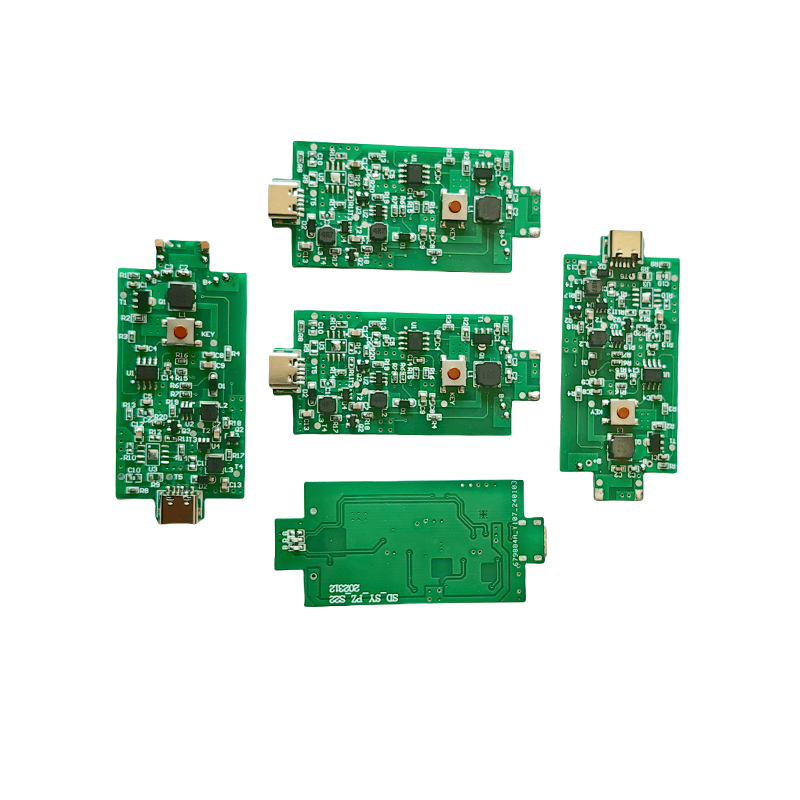
Humidifier Aromatherapy Humidifier Misting Tray PCB Board USB6V12V24V Five Head PCB Driver Board 10 Head Driver Board
-
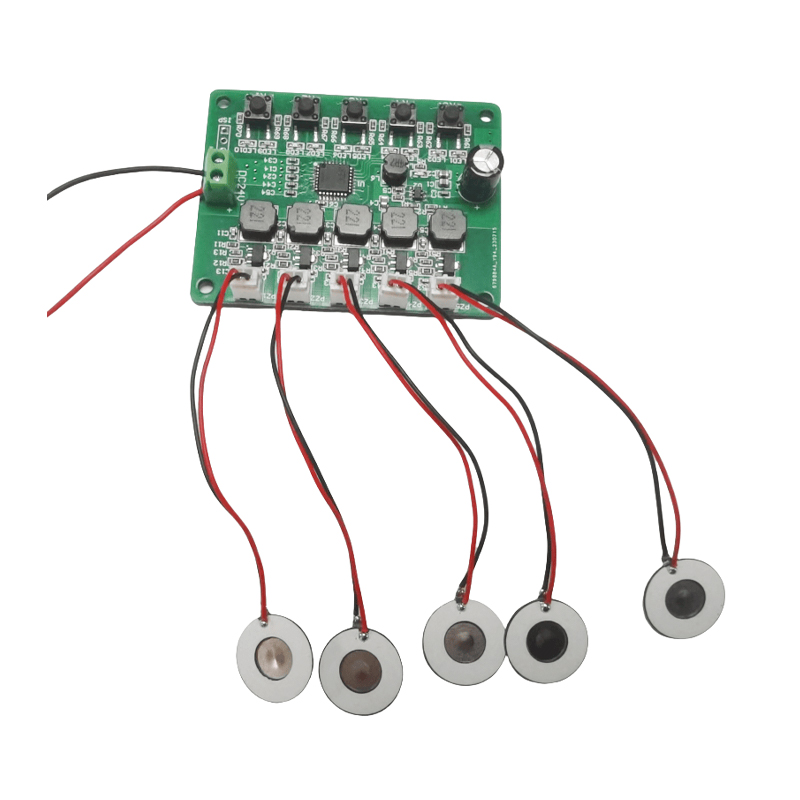
Medical Inhalation Nebulizer Respirator Head-mounted Nebulizer PCB Driver B
-
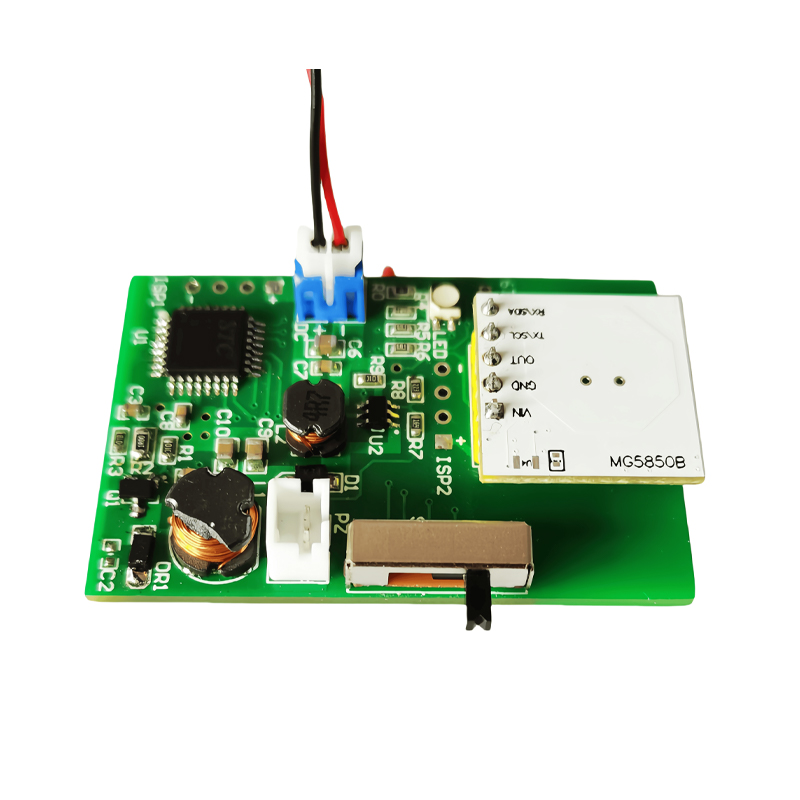
Medical Mesh Atomizer Tray PCB Electronic Smoking Cessation Atomizer PCB Driver Board
-
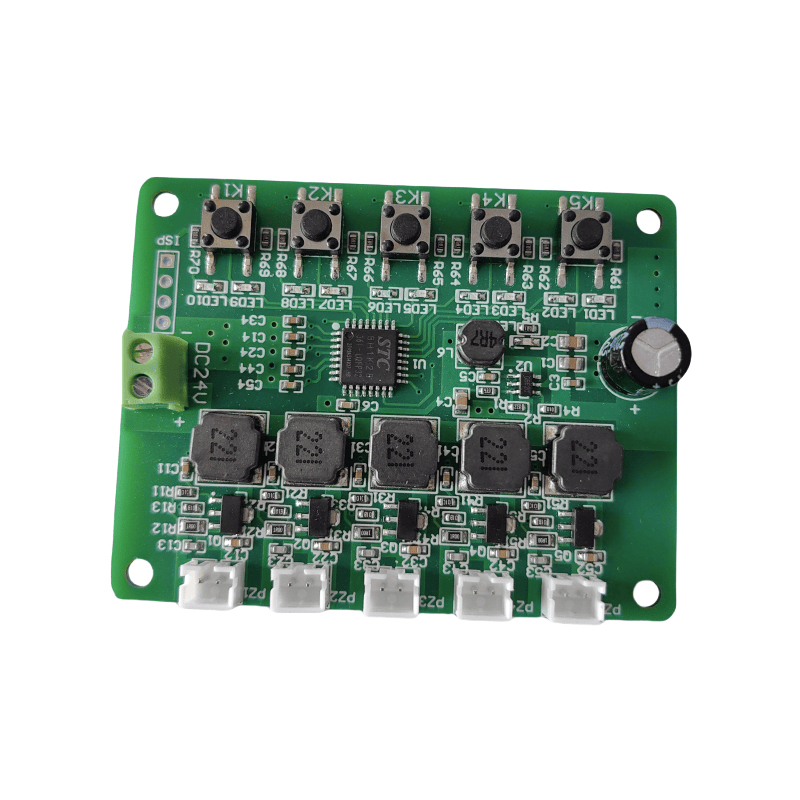
Driver Board For Humidifier Crescent PCB Board Timing 2/4h Function 1.5W
-
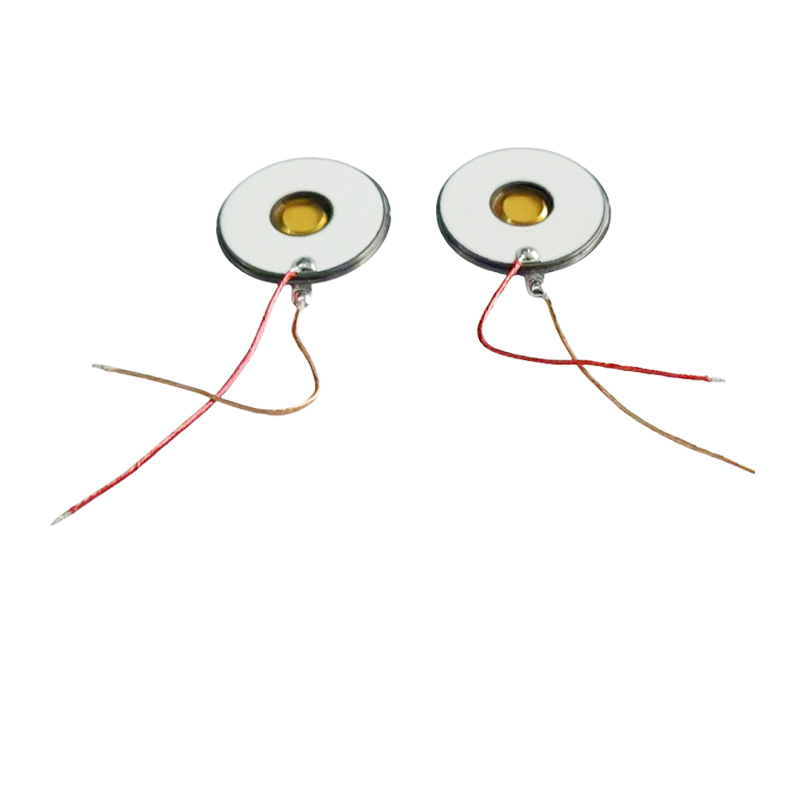
M16-108KHZ Polyimide PI MembraneMesh Micro Mesh NebulizerMedical NebulizerUltrasonic Mesh Nebulizer3μm Microporous Inhalation Nebulizer With Nebulizing DiscPower Consumption1~1.5W
-
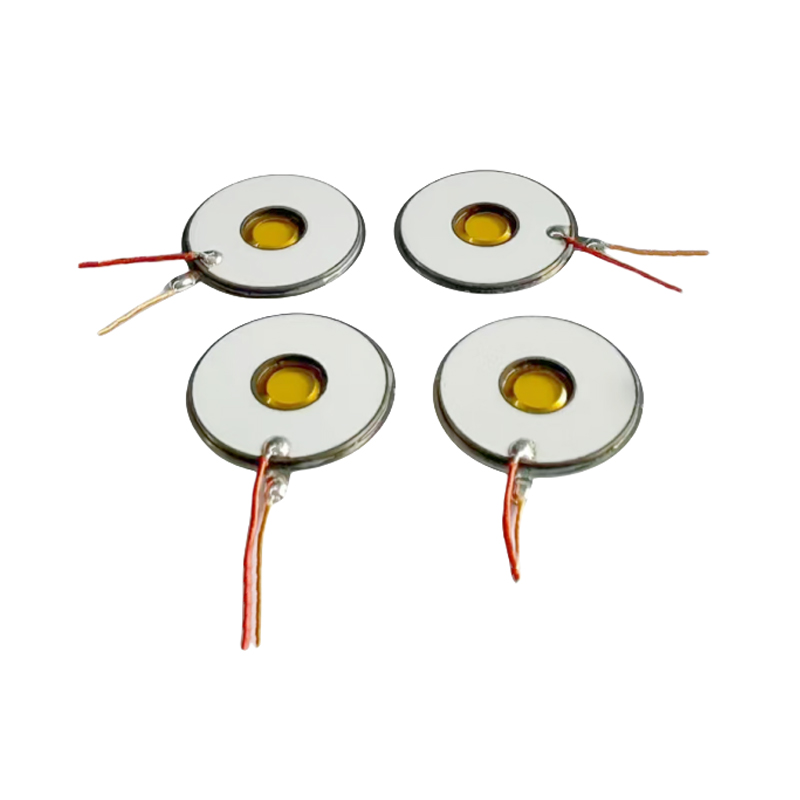
M16-108KHZ Polyimide PI MembraneMesh Micro Mesh NebulizerMedical NebulizerUltrasonic Mesh Nebulizer3μm Microporous Nebulizer Disc For Inhaler Nebulizer
-
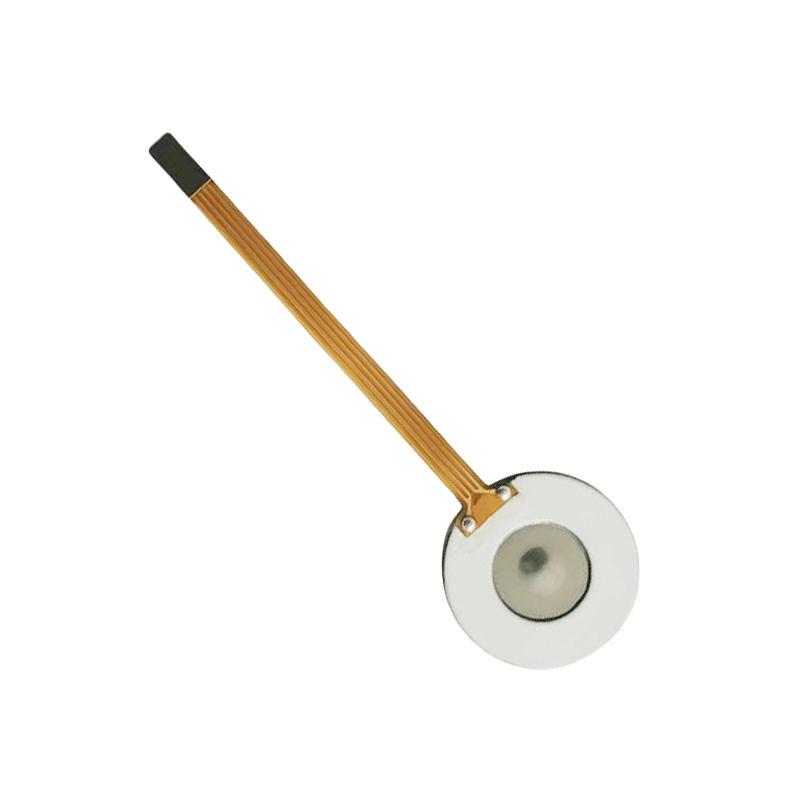
M16-110KHZ Polyimide PI MembraneMesh Micro Mesh NebulizerMedical NebulizerUltrasonic Mesh Nebulizer3μm Microporous Nebulizer Disc For Inhalation Nebulizer
-
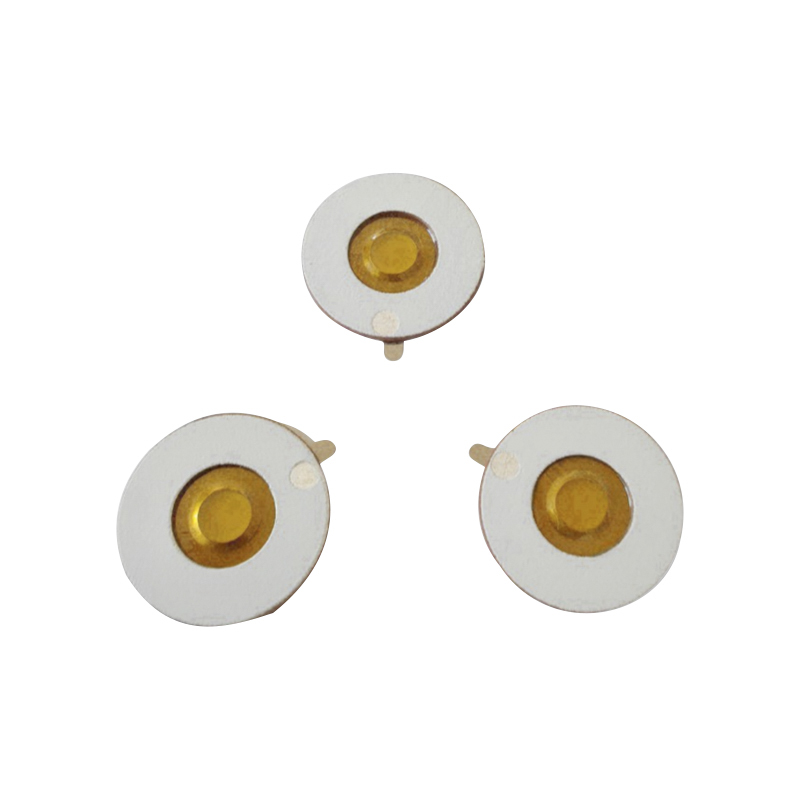
M16-108KHZ Polyimide PI MembraneMesh Micro Mesh NebulizerMedical NebulizerUltrasonic Mesh Nebulizer Tablet3μm Microporous Inhalation Budesonide Nebulizer Tray
- Quick Links
- Product
- About
- Application
- News
- Contact
- Product Links
- Medical Mesh Piezo Atomizer
- Polymer PI Film Piezo Atomizer
- KNN Lead-free Mesh Piezo Atomizer
- PI Lead Free Mesh Zeroing Chip
- Micro-mesh Piezo Atomizer For Heater
- Piezo Atomizer For Fan/Humidification/Beauty
- Ultrasonic Atomizing Transducer
- Ultrasonic High-frequency Piezo Atomizer
- Power Generation/Heating Sensor Piezo Atomizer
- Medical Piezo Atomizer PCB Design
- Precision Laser Micro-hole Processing Technology
- Contact
-
Building 1, Fortune Star 2, No.311 Huanzhen North Road, Chang'an Town, Haining City, Zhejiang Province, China.

-
+86-18006619680

-
+86-13777879680

-
Felix@saidapiezo.com

riney@saidapiezo.com
yugao@saidapiezo.com
emily@saidapiezo.com
dean@saidapiezo.com -
Felix: +86 18157327658

John: +86 18957351358
Emily: +86 18957339358
Dean: +86 15356418868
- Mobile