


 English
 中文简体
Power Generation/Heating Sensor Piezo Atomizer: Working Principle, Manufacturing & Custom Solutions
A power generation/heating sensor piezo atomizer is designed around the functional characteristics of piezoelectric ceramic materials. Depending on its structural configuration and electrical connection, the component can support mechanical-to-electrical energy conversion, temperature-related sensing and ultrasonic atomization. These functions address different requirements within electronic devices, including vibration energy collection, operating condition feedback and fine liquid dispersion.
Conventional piezo atomizer discs are primarily developed to convert electrical energy into mechanical vibration for liquid atomization. However, equipment manufacturers working on multifunctional devices may also need vibration detection, temperature monitoring or energy harvesting capabilities. Integrating these requirements into a coordinated component structure can help simplify mechanical layouts and reduce the number of independent functional parts.
For OEM and ODM manufacturers, component integration involves more than combining several functions. Electrical interfaces, ceramic dimensions, vibration characteristics, thermal behavior and installation conditions must be evaluated together. A suitable design should match the operating requirements of the complete device rather than focus on a single performance indicator.
Power generation, temperature sensing and atomization may require different operating conditions. Their simultaneous operation, electrical independence and functional compatibility must therefore be confirmed through product-specific design and testing.
1. What Is a Power Generation/Heating Sensor Piezo Atomizer?
A power generation/heating sensor piezo atomizer is a multifunctional piezoelectric ceramic component developed for equipment that requires ultrasonic atomization alongside additional sensing or energy conversion functions. Its operating characteristics originate from the piezoelectric properties of ceramic materials, which respond to mechanical stress and electrical excitation.
The term describes three functional areas that can be coordinated within a customized component or assembly.
Power Generation
Mechanical vibration or applied pressure produces an electrical response that can be evaluated for vibration sensing or energy harvesting applications.
Heating Sensing
Temperature-related monitoring can provide feedback about thermal conditions around the atomizing assembly and its operating environment.
Ultrasonic Atomization
Electrical excitation drives mechanical vibration, allowing a suitable atomizing structure to disperse liquid into fine droplets.
1.1 Why Integrate Multiple Piezoelectric Functions?
Traditional equipment architecture often assigns atomization, temperature monitoring and vibration detection to separate components. This approach can require additional wiring, mounting structures, circuit connections and internal installation space. When equipment dimensions are restricted, these independent elements may complicate product development.
An integrated piezoelectric design provides an alternative approach. Engineers can evaluate the required functions during the initial structural design stage, coordinate their electrical interfaces and determine whether they can share a ceramic substrate or require separate functional layers.
Several engineering considerations influence the value of this integration:
- Component consolidation: Coordinating functional structures can reduce the need for multiple independently mounted components.
- Electrical architecture: A planned interface arrangement can simplify connections between the piezoelectric assembly and its control circuit.
- Mechanical compatibility: Shared structural dimensions can support more compact equipment layouts.
- Operating feedback: Temperature and vibration information can help the main controller evaluate operating conditions.
- Customization flexibility: Ceramic geometry, connection methods and supporting electronics can be considered according to the equipment design.
However, functional integration does not automatically mean that every operating mode can work simultaneously. Electrical interference, thermal effects, resonance characteristics and circuit requirements must be considered before selecting a final configuration.
2. Working Principle of a Power Generation/Heating Sensor Piezo Atomizer
The operating principle of a multifunctional piezoelectric ceramic assembly is based on two related material responses: the direct piezoelectric effect and the inverse piezoelectric effect. Understanding their differences helps equipment designers determine how one ceramic material can support both sensing and actuation requirements.
2.1 Direct Piezoelectric Effect for Power Generation and Sensing
The direct piezoelectric effect occurs when mechanical stress is applied to a piezoelectric material. The deformation of the ceramic produces an electrical response that can be collected through its electrodes. The resulting signal depends on material properties, electrode configuration, mechanical loading and the surrounding circuit.
This characteristic makes piezoelectric ceramics suitable for applications involving vibration detection, impact monitoring and mechanical energy harvesting. When a component experiences repeated vibration, its electrical output can be evaluated by a connected circuit for sensing or energy collection purposes.
In a piezoelectric energy harvesting system, the ceramic element converts part of the available mechanical energy into electrical energy. The electrical output may then pass through rectification, regulation and energy storage circuits before being supplied to a low-power electronic load.
For example, a compact wireless monitoring device may be installed on equipment that experiences regular mechanical vibration. A piezoelectric sensor disc can generate an electrical signal in response to that vibration. Depending on the available energy and system design, the signal may support condition monitoring or contribute to a small energy harvesting circuit.
It is important to distinguish energy harvesting from conventional power supply. A piezoelectric ceramic component does not necessarily provide continuous or sufficient electrical power for an entire device. Output depends on the mechanical energy available, vibration frequency, loading conditions, conversion efficiency and electrical management circuit.
2.2 Inverse Piezoelectric Effect for Ultrasonic Atomization
The inverse piezoelectric effect describes the mechanical deformation produced when an electric field is applied to a piezoelectric ceramic. Under an appropriate alternating electrical signal, the ceramic undergoes repeated expansion and contraction, producing mechanical vibration.
In an ultrasonic atomizer, this vibration is transferred to a specially designed atomizing surface or mesh. When the structure operates within its intended frequency and amplitude range, liquid passing through or contacting the atomizing region can be dispersed into fine droplets.
The atomization process depends on several interconnected factors:
- Resonance characteristics: The ceramic and mechanical assembly must be designed for the intended operating frequency.
- Vibration amplitude: The displacement of the atomizing surface influences liquid movement and atomization behavior.
- Mesh geometry: Aperture size, distribution and surface condition influence liquid passage and droplet formation.
- Liquid properties: Viscosity, surface tension and other fluid characteristics affect atomization performance.
- Drive electronics: The electrical excitation circuit must match the requirements of the piezoelectric assembly.
A piezo atomizer with heating sensing may also incorporate a temperature monitoring arrangement. This arrangement can provide information about thermal changes during operation. When the system detects conditions outside its specified operating range, the control circuit may adjust or interrupt the atomization process.
2.3 How Power Generation, Heating Sensing and Atomization Work Together
Combining several piezoelectric functions requires careful coordination of mechanical structures and electrical interfaces. The energy harvesting or sensing function may use the electrical response generated by mechanical deformation, while atomization requires an external drive signal to create controlled vibration.
Temperature sensing introduces another requirement. The monitoring element must provide a meaningful indication of the thermal condition being evaluated. Depending on the design, this may involve an integrated sensing structure or a separate temperature-sensitive element within the same assembly.
A practical system architecture can therefore include the following functional stages:
- Mechanical or environmental input is received by the sensing structure.
- The piezoelectric response is transmitted to the signal processing or energy management circuit.
- The temperature monitoring arrangement provides thermal feedback.
- The drive circuit supplies the electrical excitation required for atomization.
- The controller evaluates available feedback and manages the operating mode.
The exact relationship between these stages depends on the product structure. For applications requiring simultaneous sensing and atomization, engineers should evaluate signal separation, electrical isolation, operating frequency and thermal coupling during prototype development.
3. Main Product Variants and Structural Configurations
Different equipment designs require different piezoelectric component structures. Factors such as available installation space, liquid delivery method, electrical connection, material requirements and control circuit architecture determine which configuration is appropriate.
Common product development directions include flexible cable assemblies, mesh atomizers, lead-free ceramic options, protective film structures and integrated drive board solutions.
3.1 FPC Flexible Cable Power Generation/Heating Sensor Piezo Atomizer
An FPC flexible cable piezo atomizer uses a flexible printed circuit connection to connect the piezoelectric assembly with the main control system. Compared with rigid connection arrangements, a flexible interface can provide greater freedom when planning component placement inside compact electronic equipment.
This structure is relevant to devices with limited internal space, irregular housing geometry or moving assembly sections where cable routing must be considered during product development.
When selecting an FPC configuration, engineers should evaluate conductor layout, connection pitch, bending conditions, insulation requirements and the mechanical relationship between the flexible circuit and ceramic element. The connection design should also account for the electrical characteristics of the drive circuit.
Flexible cable length, terminal position and connector compatibility should be defined before tooling and sample production.
3.2 Medical Mesh Piezo Atomizer with Sensing and Power Generation Functions
Mesh atomizers use a perforated atomizing structure to produce fine liquid droplets. The piezoelectric element provides the vibration required to move liquid through the mesh apertures, making this structure relevant to portable nebulization and other compact liquid dispersion equipment.
For medical-related applications, atomizer design requires additional attention to liquid compatibility, material safety, cleaning requirements, droplet characteristics and product-level regulatory obligations. A medical application may also require validation of the complete nebulizer rather than only the piezoelectric ceramic component.
When sensing or energy harvesting functions are included, their electrical connections must be coordinated with the atomization drive circuit. This helps avoid signal interference and allows engineers to assess whether the additional functions are compatible with the intended medical device architecture.
3.3 Lead-Free KNN Piezo Atomizer Disc
KNN refers to potassium sodium niobate, a lead-free piezoelectric ceramic material system used in research and product development as an alternative to conventional lead-containing piezoelectric materials.
A lead-free KNN piezo atomizer disc may be considered when material selection is influenced by environmental requirements, restricted substance policies or a product development strategy focused on lead-free components.
However, selecting a lead-free ceramic requires more than confirming its material composition. Piezoelectric response, dielectric behavior, mechanical strength, temperature stability and manufacturing consistency should all be evaluated against the application requirements.
RoHS compliance should also be assessed through the relevant material declarations and testing documentation. The use of a lead-free ceramic does not automatically establish compliance of the complete component or finished device.
3.4 PI Film and Protective Layer Configurations
Polyimide film, commonly known as PI film, may be used in piezoelectric assemblies where electrical insulation, flexible support or protective separation is required. Its application depends on the mechanical and thermal conditions of the component.
Film thickness, bonding method, electrode arrangement and surface compatibility influence the performance of the finished assembly. In atomization equipment, the protective structure must not interfere with the required vibration transmission or introduce unwanted mechanical damping.
For OEM projects, PI film configuration should therefore be evaluated together with the ceramic dimensions, connection design and assembly process rather than selected independently.
3.5 Piezo Atomizer with Matching PCBA Drive Board
A piezo atomizer matching PCBA drive board solution combines the ceramic assembly with supporting electronic circuitry. The printed circuit board assembly may provide signal generation, electrical excitation, monitoring interfaces and control functions according to the system architecture.
Drive circuit compatibility is important because piezoelectric ceramic components have electrical characteristics that differ from ordinary resistive loads. The circuit must be designed around the intended operating frequency, electrical load and vibration requirements.
For integrated power generation and sensing applications, the PCBA may also need separate signal conditioning and protection arrangements. Engineers should determine how the monitoring signal is collected while the atomization drive circuit is operating.
Explore Piezoelectric Atomizer Structures
Review the available component configurations and identify the structural requirements for your equipment development project.
View Piezo Atomizer Product Information4. Key Manufacturing Processes for Piezoelectric Performance and Mechanical Strength
The manufacturing quality of a piezoelectric ceramic component directly influences its electrical response, mechanical behavior and operating consistency. Material preparation, ceramic forming, sintering, polarization, precision machining and final inspection must be coordinated to meet the requirements of the intended application.
For a multifunctional piezo atomizer, the manufacturing process must also consider the interaction between ceramic vibration, mesh structure, electrical connections and additional sensing elements.
4.1 Raw Material Selection and Pre-Treatment
Material selection is the starting point of piezoelectric ceramic manufacturing. Different ceramic compositions provide different electrical, mechanical and thermal characteristics. The selection process should be based on the intended application, required operating conditions and relevant environmental restrictions.
Raw material preparation generally involves evaluating material purity, particle characteristics, composition consistency and processing suitability. Appropriate pre-treatment helps improve the uniformity of the material before forming and subsequent thermal processing.
For KNN-based lead-free ceramics, composition control and processing conditions require particular attention because ceramic properties can be sensitive to manufacturing variations. Material development should therefore be supported by appropriate process verification and performance testing.
4.2 Ceramic Forming, Sintering and Polarization
After material preparation, ceramic powder is processed into the required component geometry. Forming methods and process parameters are selected according to the desired dimensions, thickness and structural requirements.
Sintering consolidates the ceramic body and develops its internal structure. Temperature control, atmosphere management and processing consistency influence the density and properties of the finished ceramic.
Polarization is an essential process for establishing the required piezoelectric response. It involves applying an appropriate electrical field under controlled conditions so that the material develops a preferred polarization direction.
Inconsistent polarization may lead to variations in electrical and mechanical performance. Therefore, polarization conditions should be controlled and verified through appropriate electrical testing.
4.3 Precision Laser Drilling, Grinding and Polishing
Some atomizer structures require precision micro-holes or carefully controlled surface geometry. Laser drilling can be used to process small apertures in suitable materials, while grinding and polishing help achieve the required dimensional and surface characteristics.
For a laser micro-hole processing piezo atomizer disc, aperture distribution and dimensional consistency are important considerations. Variations in hole geometry may influence liquid passage, atomization behavior and the overall operating characteristics of the mesh assembly.
Machining quality also affects the mechanical integrity of thin ceramic components. Excessive processing stress, edge defects or surface damage may influence vibration behavior and component reliability.
Process evaluation should include dimensional inspection, surface condition assessment and functional verification where required by the product specification.
4.4 Multi-Layer Composite Structure and High-Temperature Annealing
Multifunctional piezoelectric products may use composite structures to accommodate different electrical or mechanical requirements. Ceramic layers, electrodes, insulation films and supporting materials must be selected according to their compatibility.
Bonding quality is important because the interfaces between different layers can influence vibration transmission and mechanical stability. Poor bonding may introduce unwanted movement, local stress concentration or changes in resonance characteristics.
Annealing and other thermal treatment processes may be used where appropriate to improve material or assembly stability. The treatment conditions should be compatible with the ceramic composition, electrode materials and other temperature-sensitive components.
4.5 Surface Coating and Composite Reinforcement
Surface coatings can provide electrical insulation, environmental protection or other functional properties depending on the design. Their selection should consider adhesion, thickness, chemical compatibility and operating temperature.
In a vibrating component, coating thickness and mechanical properties can affect the movement of the ceramic assembly. A coating that is too rigid or improperly applied may change the vibration characteristics of the finished product.
Composite reinforcement may also be considered where mechanical support is required. The reinforcement structure should provide the necessary protection without restricting the intended vibration mode or interfering with liquid contact areas.
4.6 Full-Process Quality Inspection
Quality inspection should cover the stages that have a meaningful effect on finished component performance. Depending on the product specification, inspection may include material verification, dimensional measurement, electrode condition, electrical characteristics, resonance behavior, connection integrity and functional atomization testing.
| Manufacturing Stage | Inspection Focus | Quality Objective |
|---|---|---|
| Material Preparation | Composition and material consistency | Maintain material suitability |
| Ceramic Forming | Geometry and thickness | Meet structural requirements |
| Sintering and Polarization | Electrical and material properties | Establish functional response |
| Precision Machining | Hole dimensions and surface condition | Maintain machining consistency |
| Assembly | Bonding, insulation and connections | Ensure structural integrity |
| Final Testing | Electrical, vibration and atomization behavior | Verify product requirements |
For OEM procurement, inspection criteria should be established before mass production. This helps align the manufacturer's quality control process with the buyer's application requirements and acceptance standards.
5. Main Application Scenarios for Power Generation/Heating Sensor Piezo Atomizer
Piezoelectric atomization and sensing technologies are relevant to several industries where compact structures, controlled liquid dispersion or mechanical signal conversion are required. The suitability of an integrated component depends on the operating environment, device architecture and required functional performance.
Medical Portable Nebulizers and Inhalation Equipment
Portable nebulization equipment uses atomizing structures to convert liquid formulations into inhalable aerosols. Mesh piezo atomizers can be incorporated into compact devices where liquid delivery, atomization consistency and power consumption are important design considerations.
Temperature monitoring may be considered where thermal conditions require supervision. However, medical device manufacturers must validate the complete system, including liquid compatibility, material safety, aerosol characteristics, cleaning procedures and regulatory requirements.
Related search: piezo atomizer for medical nebulizerSmart Humidifiers and Aroma Diffusers
Smart humidifiers and aroma diffusers use ultrasonic vibration to disperse liquid into the surrounding air. Piezoelectric atomizer discs and mesh structures provide a compact method of generating droplets without relying on conventional mechanical spraying systems.
Equipment designers may evaluate ceramic diameter, operating frequency, liquid compatibility, installation depth and drive circuit configuration. Temperature feedback can also be considered when the device requires monitoring of its internal operating conditions.
Related search: custom piezo atomizer for aroma diffuserWearable Devices and IoT Wireless Sensor Nodes
Wearable and IoT equipment often operates under restrictions on battery size, internal space and maintenance frequency. Piezoelectric energy harvesting provides a possible method of converting available mechanical vibration or movement into electrical energy.
In appropriate applications, a piezoelectric element can also provide information about vibration or mechanical activity. This makes it relevant to low-power sensing architectures where environmental energy and mechanical feedback are both considered during system design.
The available energy must be evaluated carefully. A harvesting element may supplement a battery or support intermittent sensing, but it should not be assumed to replace the main power supply without measured output and system-level verification.
Related search: piezo energy-harvesting sensor for wearable IoT deviceBeauty and Personal-Care Atomizing Equipment
Beauty and personal-care equipment uses atomization for facial misting, cosmetic liquid dispersion and other localized spraying applications. Piezoelectric components can help create compact atomizing modules suitable for handheld or portable devices.
Product development should consider the viscosity and formulation characteristics of the intended liquid, the atomizing surface design, the desired spray distribution and the cleaning requirements of the equipment.
Related search: piezo atomizer for beauty equipmentIndustrial Micro-Spray Equipment
Industrial micro-spray systems may require localized liquid dispersion for surface treatment, precision coating, cooling or process-related applications. Piezoelectric atomization can be evaluated when the process requires a compact actuator and controlled droplet formation.
Industrial operating environments may involve continuous operation, temperature variation, vibration and exposure to different liquid compositions. Material compatibility, mechanical protection and maintenance access should therefore be included in the component selection process.
Related search: industrial piezoelectric micro-spray atomizerHeating-Monitoring Mist-Making Modules
Atomizing modules that operate for extended periods may need to monitor their thermal environment. Temperature feedback can help the control system identify operating conditions that require adjustment or shutdown.
For example, a liquid supply interruption may change the thermal conditions around an atomizing assembly. A properly designed monitoring arrangement can provide useful information for evaluating this condition. Actual protection depends on sensor placement, response time, control logic and validation testing.
Related search: piezo atomizer with heating temperature sensor6. Technical Specifications and Product Certification
Technical specifications are essential for evaluating whether a piezoelectric atomizer can be integrated into a target device. Buyers should review the mechanical, electrical, material and environmental characteristics together instead of comparing products only by their physical dimensions.
6.1 Typical Technical Parameters
The following table outlines the main specification categories that should be confirmed during product selection. Actual values depend on the component model, ceramic material, mesh configuration and customized design.
| Parameter | Specification Considerations |
|---|---|
| Component Diameter | Customized according to installation dimensions |
| Resonant Frequency | Defined according to ceramic and assembly design |
| Atomization Rate | Verified under specified liquid and operating conditions |
| Power Generation Output | Evaluated under defined mechanical input and electrical load |
| Operating Temperature | Specified according to material and assembly limitations |
| Diaphragm Material | Selected according to mechanical and application requirements |
| Electrical Connection | FPC flexible cable, wire leads or customized terminals |
| Ceramic Composition | Lead-containing or lead-free KNN options, subject to availability |
| Drive Circuit | Compatible PCBA configuration according to operating requirements |
| Dimensions and Structure | Standard or customized component configuration |
6.2 Why Resonance and Electrical Compatibility Matter
Resonance is an important consideration in ultrasonic atomization because the mechanical response of the assembled component is influenced by its natural vibration characteristics. The ceramic material, diaphragm geometry, mounting arrangement and additional structural layers can all affect the operating response.
If the drive circuit is not compatible with the component, the resulting vibration may not meet the intended atomization requirements. This can influence liquid dispersion, operating stability and electrical consumption.
For multifunctional assemblies, electrical compatibility also involves the sensing and energy harvesting interfaces. Monitoring circuits should be designed to collect the required signals without introducing unacceptable interference into the atomization drive system.
6.3 Global Certifications and Compliance Considerations
Certification and regulatory documentation are important parts of industrial component procurement, particularly when products are intended for international markets. Buyers should distinguish between a manufacturer's management system certification, material compliance documentation and product-specific regulatory approvals.
Relevant to manufacturing quality management and process control.
Addresses environmental management practices within the organization.
Provides a framework for occupational health and safety management.
Addresses restrictions on specified hazardous substances in applicable products.
Concerns the registration, evaluation and control of chemical substances under applicable requirements.
Relevant to applicable warning and chemical exposure obligations.
FDA-related requirements may also be relevant when a piezo atomizer is incorporated into a medical device. However, an individual ceramic component should not automatically be described as FDA approved merely because it is intended for medical equipment. The regulatory status depends on the finished device, its intended use and the applicable regulatory pathway.
Similarly, ISO certifications generally apply to a defined organization, management system or certified scope. Buyers should request current certificates and verify their validity, scope and relevance to the actual manufacturing facility.
For international procurement, a practical documentation review should include:
- Applicable quality management system certificates.
- Material declarations and relevant restricted substance test reports.
- Product specifications and dimensional inspection records.
- Electrical and functional test documentation.
- Application-specific regulatory information where required.
7. Custom OEM and ODM Solutions for Piezoelectric Atomizers
Standard piezoelectric components may not satisfy every equipment development requirement. OEM and ODM projects frequently involve customized dimensions, electrical interfaces, atomizing structures, material selection and supporting electronics.
A structured customization process helps manufacturers and buyers translate equipment requirements into a component specification that can be evaluated through prototyping and verification.
7.1 What Custom Options Can Be Considered?
| Customization Area | Design Considerations |
|---|---|
| Component Dimensions | Outer diameter, thickness, shape and mounting dimensions |
| Mesh Structure | Aperture size, distribution and atomizing surface configuration |
| Ceramic Material | Material composition and lead-free KNN development requirements |
| Electrical Connections | FPC cable, wire leads, electrode layout and terminal arrangement |
| Composite Structure | Multi-layer ceramic structures, PI film and protective materials |
| Supporting Electronics | Matching PCBA drive board and signal interface requirements |
| Functional Integration | Atomization, sensing and energy harvesting configuration |
7.2 Custom Project Development Workflow
A clear project workflow helps reduce design misunderstandings and allows technical issues to be identified before mass production.
Confirm application, operating conditions and technical requirements.
Review materials, dimensions, electrical interfaces and structure.
Prepare prototype components according to the agreed specification.
Evaluate electrical, mechanical and application-related performance.
Establish production and inspection requirements for approved designs.
Verify finished components against agreed acceptance criteria.
7.3 Information Buyers Should Prepare Before Requesting a Quote
Providing technical information at the beginning of a project helps the engineering team evaluate feasibility and identify the appropriate customization approach.
- Application description: Explain whether the component will be used in a humidifier, nebulizer, wearable device, industrial spray system or another application.
- Mechanical drawings: Provide the required outer dimensions, thickness, installation position and structural limitations.
- Electrical requirements: Specify available drive voltage, operating frequency, connection type and circuit interface where known.
- Atomization requirements: Describe the target liquid, desired atomization behavior and operating conditions.
- Sensing requirements: Identify the temperature monitoring range, signal output requirements and expected control response.
- Energy harvesting requirements: Provide information about the mechanical vibration source, expected operating conditions and electrical load.
- Material and compliance requirements: Identify any lead-free material preferences, restricted substance requirements or application-specific documentation.
- Procurement requirements: Indicate sample quantity, estimated production demand and expected development schedule.
8. How to Select a Suitable Power Generation/Heating Sensor Piezo Atomizer
Component selection should begin with the actual operating requirements of the target device. A piezo atomizer that performs well in one application may not be suitable for another because liquid characteristics, mounting conditions, electrical excitation and thermal environments can vary considerably.
8.1 Evaluate the Primary Functional Requirement
First, determine whether atomization, energy harvesting or temperature monitoring is the main design priority. This distinction helps establish the component architecture and prevents secondary functions from compromising the primary operating objective.
For an ultrasonic humidifier, atomization performance and liquid compatibility may be the main considerations. For an IoT monitoring device, electrical output and sensing characteristics may have greater importance. A multifunctional device must define the relationship between all required functions before the component structure is finalized.
8.2 Match the Component to the Drive Circuit
The drive circuit and piezoelectric ceramic must be evaluated as a coordinated system. Important factors include operating frequency, electrical loading, signal stability, connection design and protection requirements.
If a customized PCBA is required, the circuit developer should receive the component's relevant electrical specifications and expected operating conditions. This makes it easier to assess whether the proposed circuit can provide the necessary excitation and monitoring interfaces.
8.3 Consider Liquid and Environmental Compatibility
Atomization performance is influenced by the physical properties of the liquid. Differences in viscosity, surface tension, chemical composition and contamination levels can affect liquid passage through the mesh and the resulting spray behavior.
Environmental conditions also matter. Temperature changes, moisture exposure, vibration and mechanical impact may influence the performance and durability of the assembled component. Material selection and protective structures should reflect the actual application environment.
8.4 Verify Performance Through Application Testing
Component-level inspection is important, but it cannot replace testing within the complete device. The final housing, liquid delivery structure, mounting method and control circuit can all influence the operating behavior of the piezo atomizer.
For this reason, prototype evaluation should include the intended liquid, operating orientation, drive conditions and thermal environment. Where power generation and sensing are required, their outputs should also be evaluated under representative mechanical and electrical conditions.
Technical Selection Checklist
- Define the primary and secondary functions.
- Confirm component dimensions and installation space.
- Check resonance and drive circuit compatibility.
- Verify atomization performance with the intended liquid.
- Evaluate temperature monitoring requirements.
- Measure energy harvesting output under actual conditions.
- Confirm cable, FPC and connector compatibility.
- Review material declarations and certification documentation.
- Complete prototype testing before mass production.
9. Frequently Asked Questions About Power Generation/Heating Sensor Piezo Atomizer
Q1: What is a power generation/heating sensor piezo atomizer used for?
A power generation/heating sensor piezo atomizer is a multifunctional piezoelectric component designed to support ultrasonic atomization alongside additional sensing or energy conversion functions. Depending on its configuration, it can be considered for medical nebulizers, humidifiers, aroma diffusers, wearable devices, IoT sensors, beauty equipment and industrial micro-spray systems.
Q2: Can a piezo atomizer perform power generation and atomization simultaneously?
Simultaneous operation depends on the ceramic structure, electrical interface and circuit design. Atomization requires an external drive signal, while power generation or sensing involves collecting an electrical response from mechanical deformation. Separate signal processing, electrical isolation and operating mode control may be necessary to maintain compatibility between the functions.
Q3: What is the difference between a conventional piezo atomizer and a multifunctional piezo atomizer?
A conventional piezo atomizer is mainly designed to convert electrical excitation into mechanical vibration for liquid atomization. A multifunctional version may incorporate additional structures or interfaces for temperature monitoring, vibration sensing or energy harvesting. The main difference is the functional integration and corresponding electrical and mechanical design requirements.
Q4: Can manufacturers provide a lead-free KNN power generation piezo atomizer?
KNN-based lead-free piezoelectric ceramic is a material option for customized component development. Its suitability depends on the required electrical response, mechanical properties, thermal conditions and manufacturing feasibility. Buyers should confirm the material composition and applicable compliance documentation for the specific product configuration.
Q5: What certifications should buyers check when sourcing piezoelectric atomizer discs?
Buyers may need to review ISO 9001, ISO 14001 and ISO 45001 management system certificates, together with applicable RoHS and REACH documentation. Additional requirements depend on the target market and application. Medical equipment manufacturers should separately evaluate the regulatory requirements of the finished device.
Q6: Can a piezo atomizer be supplied with a matching PCBA drive board?
A customized piezo atomizer project can include a matching PCBA drive board solution where the required development scope and circuit compatibility are established. The electrical specifications, operating frequency, connection arrangement and sensing requirements should be provided during the engineering evaluation stage.
Q7: What is the MOQ for customized piezo atomizer samples and mass orders?
The minimum order quantity depends on the ceramic material, component structure, tooling requirements, electrical configuration and customization level. Sample development and mass production may have different quantity requirements. Buyers should provide the intended design and estimated demand to obtain project-specific information.
Q8: What information is required for a custom OEM piezo atomizer project?
Useful information includes product drawings, component dimensions, electrical requirements, intended liquid, atomization targets, temperature monitoring requirements and connection specifications. Reference samples and application descriptions can also help engineers evaluate the feasibility of a customized solution.
Q9: Can a piezoelectric atomizer be customized for medical nebulization equipment?
Piezoelectric mesh atomizer structures can be evaluated for medical nebulization equipment. Customization may involve mesh geometry, ceramic dimensions, electrical connections and liquid compatibility. The complete medical device must undergo the appropriate performance, safety and regulatory evaluation for its intended market.
Q10: How can buyers evaluate the reliability of a piezoelectric atomizer manufacturer?
Buyers should review manufacturing capabilities, material control, polarization processes, precision machining, assembly methods and final inspection procedures. Product samples, electrical test records, functional verification and relevant certification documents can provide additional information for supplier evaluation.
10. Conclusion: Integrating Piezoelectric Energy Conversion, Sensing and Atomization
Piezoelectric ceramic technology provides a versatile foundation for developing compact components that convert mechanical and electrical energy. Through the direct piezoelectric effect, a ceramic element can produce an electrical response under mechanical stress, supporting vibration sensing and energy harvesting. Through the inverse piezoelectric effect, electrical excitation can generate controlled mechanical vibration for ultrasonic atomization.
When temperature monitoring is incorporated into the assembly, the resulting system can provide additional information about its thermal operating conditions. This combination creates opportunities for equipment manufacturers developing portable nebulizers, smart humidifiers, aroma diffusers, wearable electronics, IoT monitoring devices and industrial micro-spray equipment.
However, successful functional integration depends on coordinated material selection, ceramic processing, mechanical design, electrical interfaces and system-level testing. Component dimensions, resonance characteristics, atomizing mesh geometry, temperature feedback and drive circuit compatibility must all be evaluated according to the intended application.
For OEM and ODM projects, a clearly defined customization process is equally important. Technical drawings, reference samples, application conditions and performance requirements provide the foundation for engineering evaluation, prototype development and production verification.
A well-designed power generation/heating sensor piezo atomizer should therefore be evaluated as part of the complete electronic system. Its practical value comes from matching piezoelectric functions with actual equipment requirements while maintaining appropriate mechanical, electrical and manufacturing consistency.
Looking for a Customized Piezo Atomizer Solution?
Whether your project requires an FPC flexible cable configuration, mesh atomizing structure, lead-free KNN ceramic or a matching PCBA drive board, define your technical requirements to begin the product evaluation process.
Explore Power Generation/Heating Sensor Piezo AtomizerRelated Products
-
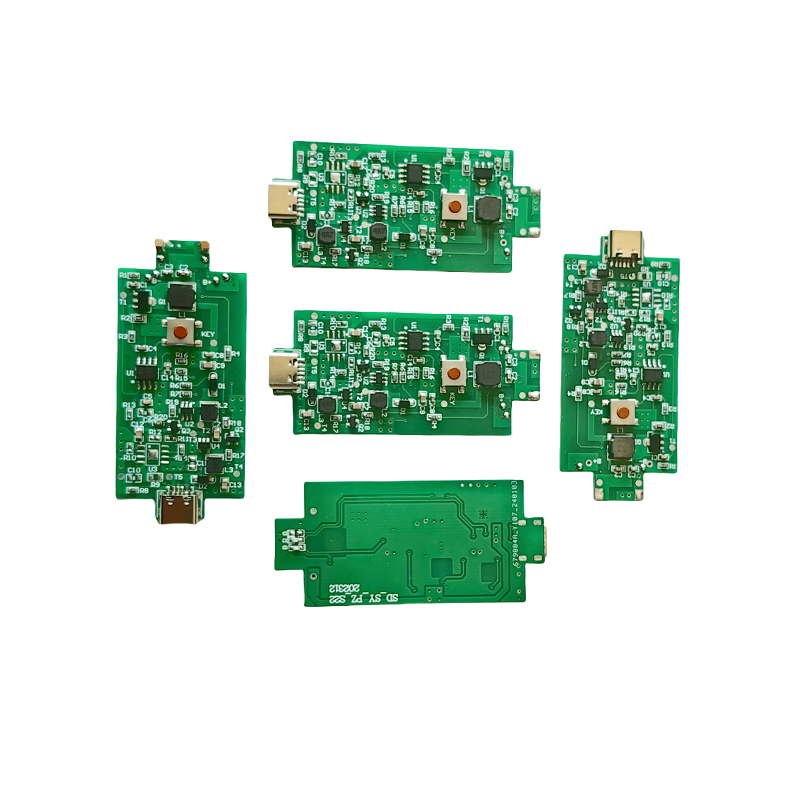
Humidifier Aromatherapy Humidifier Misting Tray PCB Board USB6V12V24V Five Head PCB Driver Board 10 Head Driver Board
-
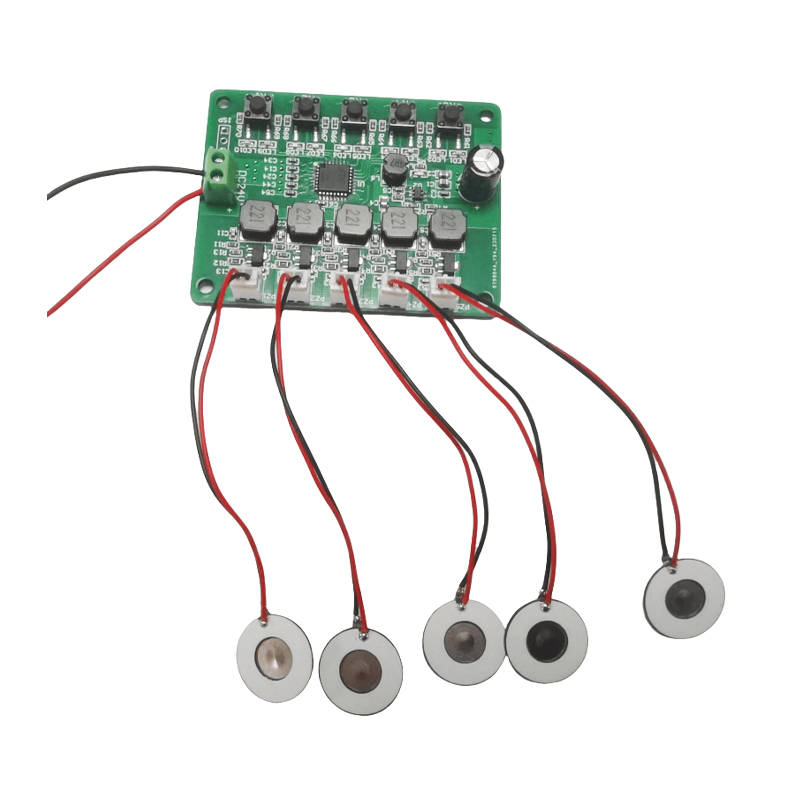
Medical Inhalation Nebulizer Respirator Head-mounted Nebulizer PCB Driver B
-
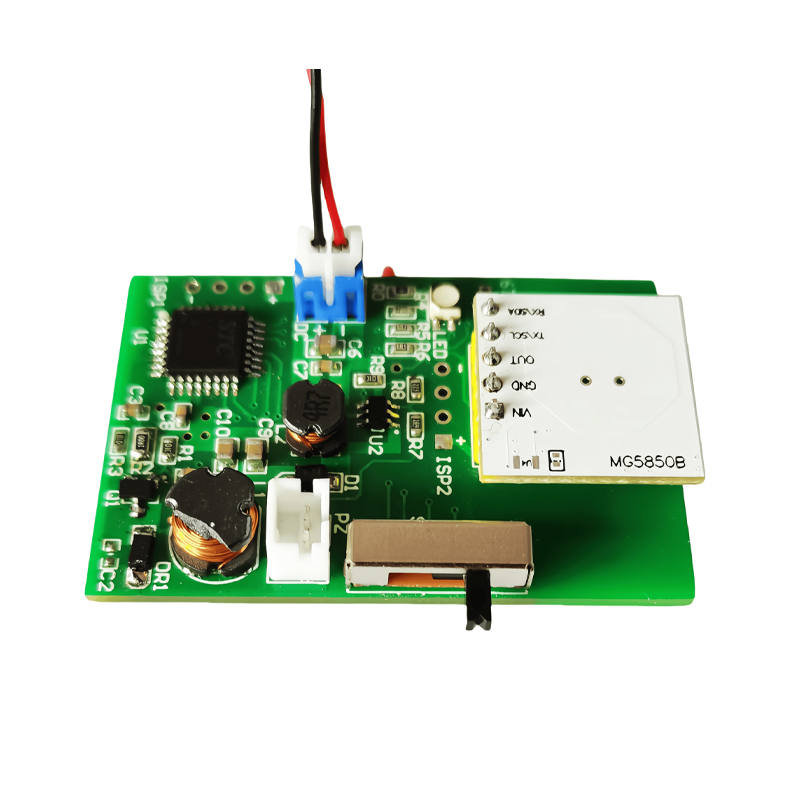
Medical Mesh Atomizer Tray PCB Electronic Smoking Cessation Atomizer PCB Driver Board
-
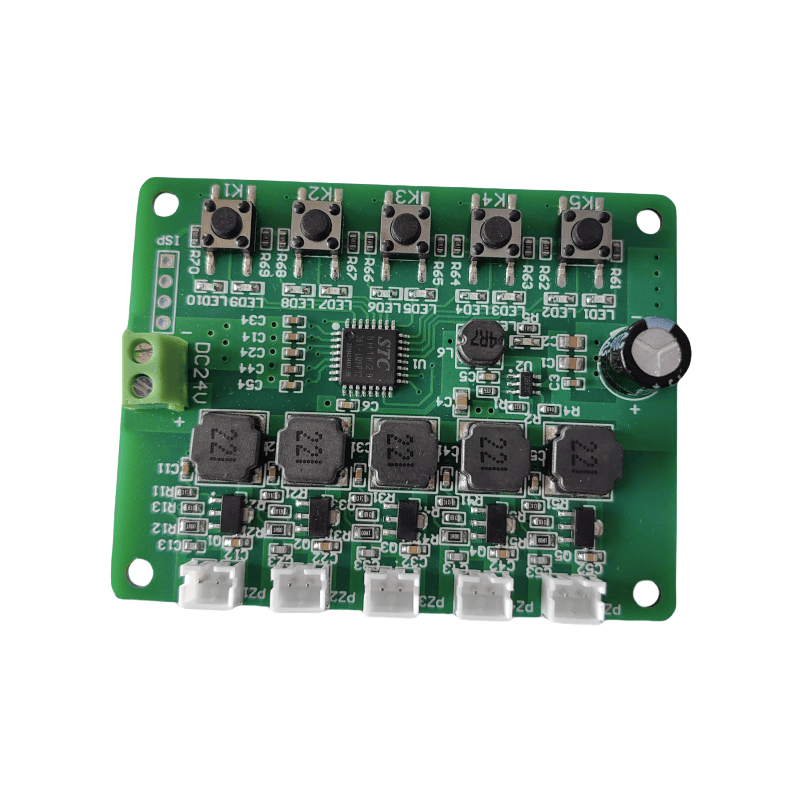
Driver Board For Humidifier Crescent PCB Board Timing 2/4h Function 1.5W
-
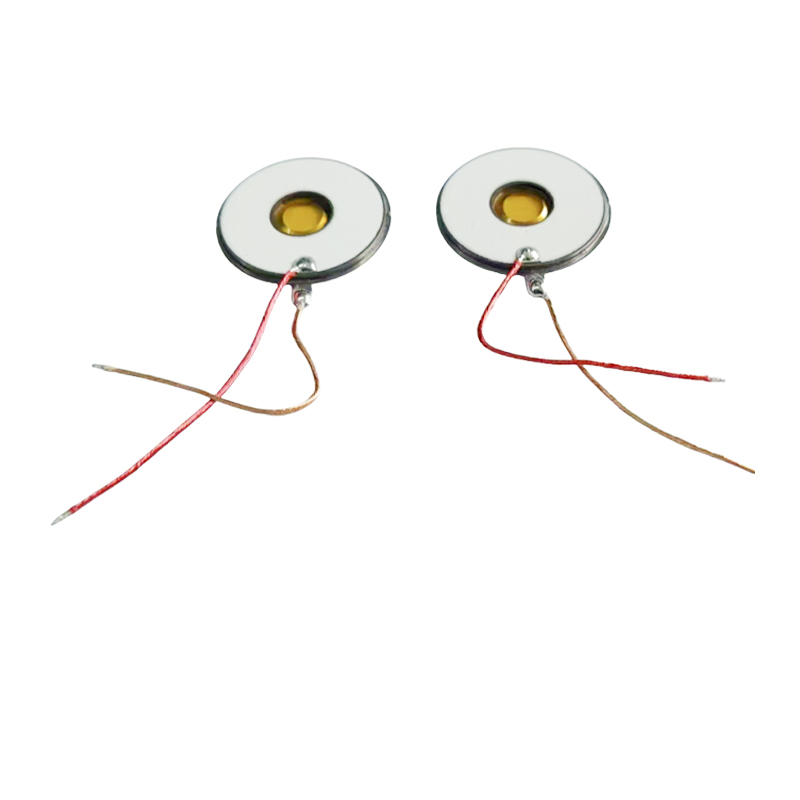
M16-108KHZ Polyimide PI MembraneMesh Micro Mesh NebulizerMedical NebulizerUltrasonic Mesh Nebulizer3μm Microporous Inhalation Nebulizer With Nebulizing DiscPower Consumption1~1.5W
-
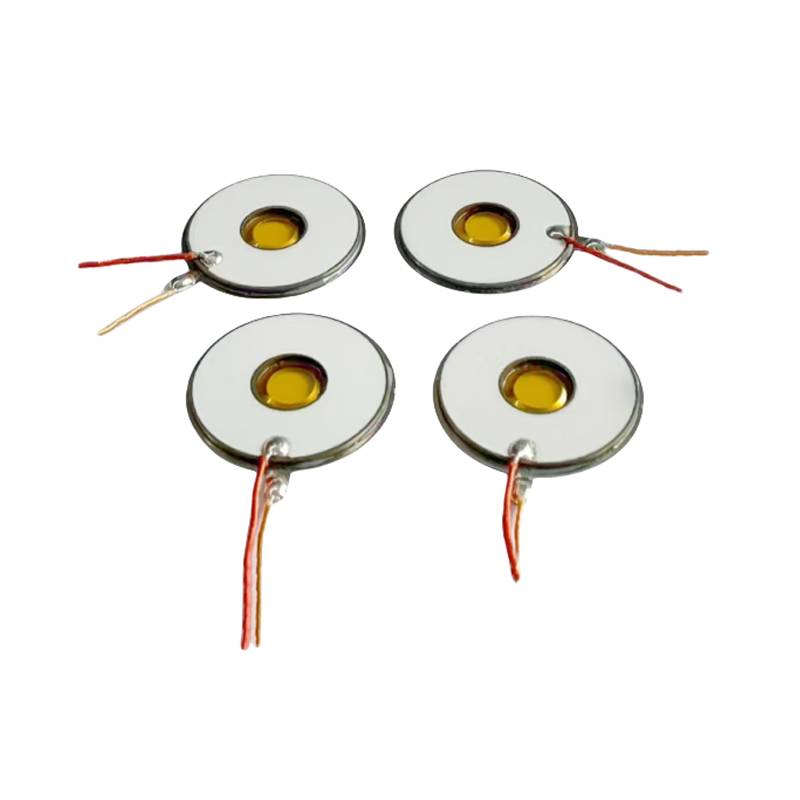
M16-108KHZ Polyimide PI MembraneMesh Micro Mesh NebulizerMedical NebulizerUltrasonic Mesh Nebulizer3μm Microporous Nebulizer Disc For Inhaler Nebulizer
-
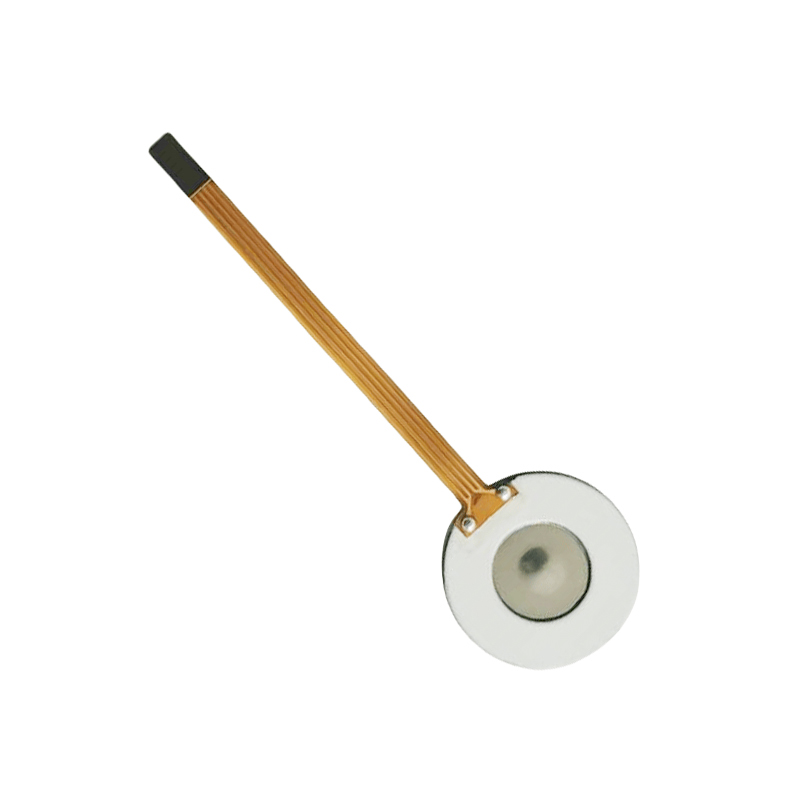
M16-110KHZ Polyimide PI MembraneMesh Micro Mesh NebulizerMedical NebulizerUltrasonic Mesh Nebulizer3μm Microporous Nebulizer Disc For Inhalation Nebulizer
-
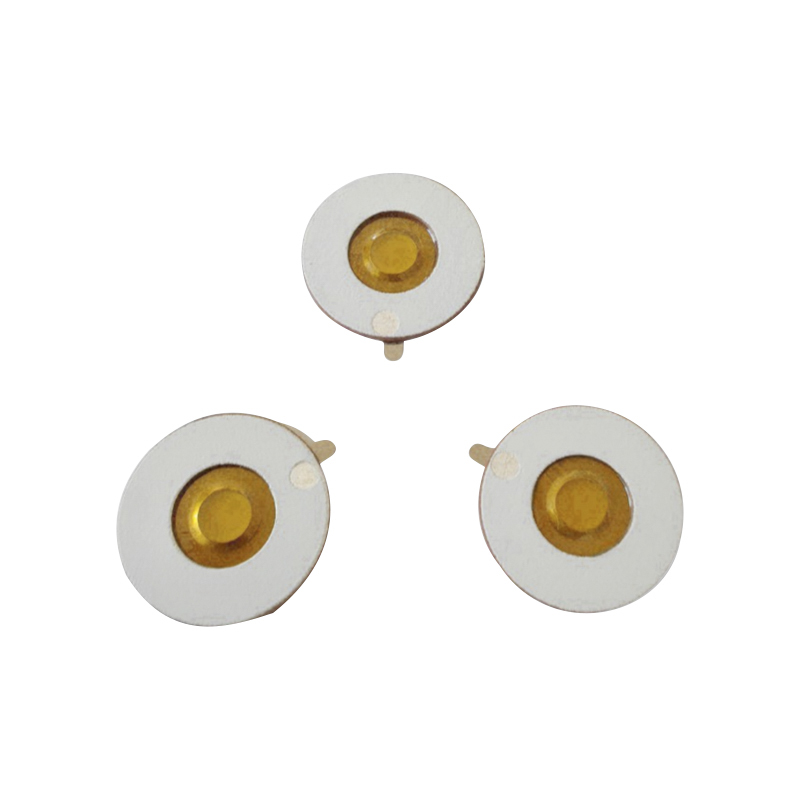
M16-108KHZ Polyimide PI MembraneMesh Micro Mesh NebulizerMedical NebulizerUltrasonic Mesh Nebulizer Tablet3μm Microporous Inhalation Budesonide Nebulizer Tray
- Quick Links
- Product
- About
- Application
- News
- Contact
- Product Links
- Medical Mesh Piezo Atomizer
- Polymer PI Film Piezo Atomizer
- KNN Lead-free Mesh Piezo Atomizer
- PI Lead Free Mesh Zeroing Chip
- Micro-mesh Piezo Atomizer For Heater
- Piezo Atomizer For Fan/Humidification/Beauty
- Ultrasonic Atomizing Transducer
- Ultrasonic High-frequency Piezo Atomizer
- Power Generation/Heating Sensor Piezo Atomizer
- Medical Piezo Atomizer PCB Design
- Precision Laser Micro-hole Processing Technology
- Contact
-
Building 1, Fortune Star 2, No.311 Huanzhen North Road, Chang'an Town, Haining City, Zhejiang Province, China.

-
+86-18006619680

-
+86-13777879680

-
Felix@saidapiezo.com

riney@saidapiezo.com
yugao@saidapiezo.com
emily@saidapiezo.com
dean@saidapiezo.com -
Felix: +86 18157327658

John: +86 18957351358
Emily: +86 18957339358
Dean: +86 15356418868
- Mobile