


 English
 中文简体
中文简体Introduction
In 2026, mesh nebulizer chips have emerged as a crucial component in the delivery of medications via nebulization. These devices, which utilize ultrasonic technology to create fine mist, have revolutionized the way respiratory treatments are administered. With numerous options available, selecting the right mesh nebulizer chip can be a daunting task for both medical professionals and consumers.
What Are Mesh Nebulizer Chips?
A mesh nebulizer chip is a core component in mesh nebulizers, which are widely used in medical treatments, particularly for respiratory conditions like asthma, COPD, and other chronic diseases. Unlike traditional nebulizers, which use compressors to turn liquid medication into a mist, mesh nebulizers utilize a chip that vibrates at ultrasonic frequencies to produce fine particles for easy inhalation.
Mesh nebulizer chips typically come in two types:
Piezoelectric Chips: Known for their durability and efficiency, these chips use piezoelectric ceramics to create vibrations.
Electrostatic Chips: These chips utilize electrostatic technology to generate a fine mist, ideal for precise medication delivery.
Factors to Consider When Choosing Mesh Nebulizer Chips
When choosing a mesh nebulizer chip, several factors should be taken into account:
Particle Size: The effectiveness of a nebulizer is largely determined by the size of the aerosolized particles. For respiratory diseases, smaller particles (less than 5 microns) are preferred.
Nebulization Speed: A fast nebulization time can be important for patients who require quick treatments.
Durability: The longevity of the chip is crucial, as frequent replacements can be costly.
Compatibility: Ensure the chip is compatible with your nebulizer model.
Maintenance and Cleaning: Easy-to-clean chips help ensure the nebulizer operates at peak performance over time.
Top 5 Mesh Nebulizer Chips in 2026
Chip A
Features:
- Ultrasonic piezoelectric technology
- Ideal for pediatric and adult use
- Produces particles as fine as 2 microns
- High nebulization rate with minimal residue
- Long-lasting and easy to maintain
Advantages:
This chip is designed for fast and efficient drug delivery, producing a fine mist that enhances the absorption of medication. It is highly durable and requires minimal maintenance.
Disadvantages:
While effective, it can be slightly more expensive than other options.
Chip B
Features:
- Electrostatic technology for precise mist delivery
- Particle size ranges from 2 to 4 microns
- Suitable for a wide range of medications
- Low power consumption
Advantages:
Chip B is efficient and environmentally friendly due to its low power usage. Its precision ensures a high percentage of medication is delivered to the lungs.
Disadvantages:
Slightly slower nebulization speed compared to other models.
Chip C
Features:
- Hybrid piezoelectric-electrostatic design
- Generates particles as fine as 3 microns
- Compatible with various nebulizers
- Rapid nebulization speed
Advantages:
The hybrid design makes this chip versatile and suitable for different types of medications, from bronchodilators to corticosteroids.
Disadvantages:
The increased complexity can lead to higher costs.
Chip D
Features:
- Dual-frequency piezoelectric technology
- High-efficiency mist production
- Integrated self-cleaning function
- Compatible with both saline and medication-based solutions
Advantages:
This chip stands out for its self-cleaning feature, reducing maintenance time and enhancing the overall lifespan. Its dual-frequency technology ensures rapid and consistent nebulization.
Disadvantages:
Its self-cleaning function may not be perfect for highly viscous solutions.
Chip E
Features:
- Ultra-lightweight design
- Ideal for compact portable nebulizers
- Small particle size of 1-3 microns
- Fast nebulization time
Advantages:
Chip E is perfect for on-the-go patients needing portable nebulization solutions. Its small particle size ensures efficient medication delivery even in low dosage conditions.
Disadvantages:
It may not be as durable as other models, requiring more frequent replacements.
Comparison Table of Top 5 Mesh Nebulizer Chips
| Chip Model | Technology Type | Particle Size | Nebulization Speed | Advantages | Disadvantages |
|---|---|---|---|---|---|
| Chip A | Piezoelectric | 2 microns | High | Fast, efficient, long-lasting | More expensive |
| Chip B | Electrostatic | 2-4 microns | Medium | Low power, precise delivery | Slower nebulization |
| Chip C | Hybrid | 3 microns | High | Versatile, rapid nebulization | Higher cost due to complexity |
| Chip D | Dual-frequency | 1-5 microns | High | Self-cleaning, efficient | Not ideal for viscous solutions |
| Chip E | Piezoelectric | 1-3 microns | High | Portable, ideal for low dosages | Less durable |
How to Choose the Right Mesh Nebulizer Chip?
When choosing a mesh nebulizer chip, it is essential to consider your specific needs. For quick treatments with minimal maintenance, Chip A may be the best option. If you’re looking for a more eco-friendly model with precise delivery, Chip B is a great choice. For those needing versatility, Chip C offers hybrid technology. Chip D is ideal for individuals seeking less maintenance and faster nebulization, while Chip E is perfect for portability and convenience.
FAQ
1. What is the ideal particle size for effective nebulization?
Particle sizes between 1 to 5 microns are ideal for deep lung penetration and effective medication delivery.
2. How often should I replace my mesh nebulizer chip?
Replacement frequency depends on usage, but generally, chips last between 6 to 12 months with regular use.
3. Can mesh nebulizer chips work with all types of medications?
Most chips are compatible with a wide range of medications, but some may not be suitable for highly viscous substances. Always check the manufacturer’s recommendations.
4. What is the benefit of a self-cleaning feature in a mesh nebulizer chip?
A self-cleaning feature reduces maintenance time, keeps the nebulizer operating efficiently, and increases the lifespan of the device.
Conclusion
Selecting the right mesh nebulizer chip is crucial for ensuring the effective delivery of medication to patients. The options available in 2026 offer various benefits, from faster nebulization to eco-friendly designs. By understanding the features and advantages of each chip, you can make a well-informed decision that best suits your needs.
Related Products
-
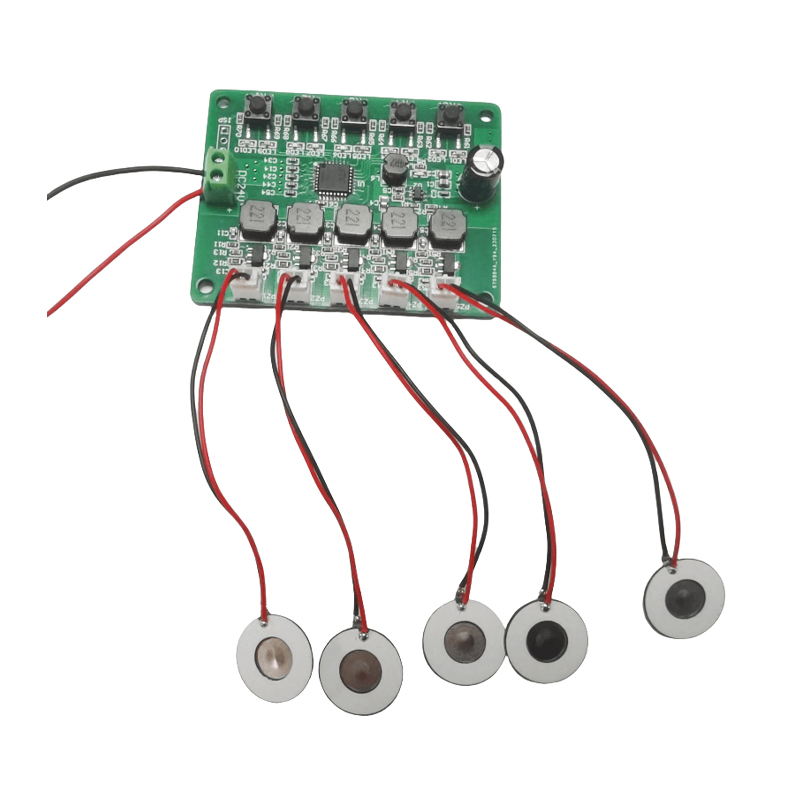
Humidifier Aromatherapy Humidifier Misting Tray PCB Board USB6V12V24V Five Head PCB Driver Board 10 Head Driver Board
-
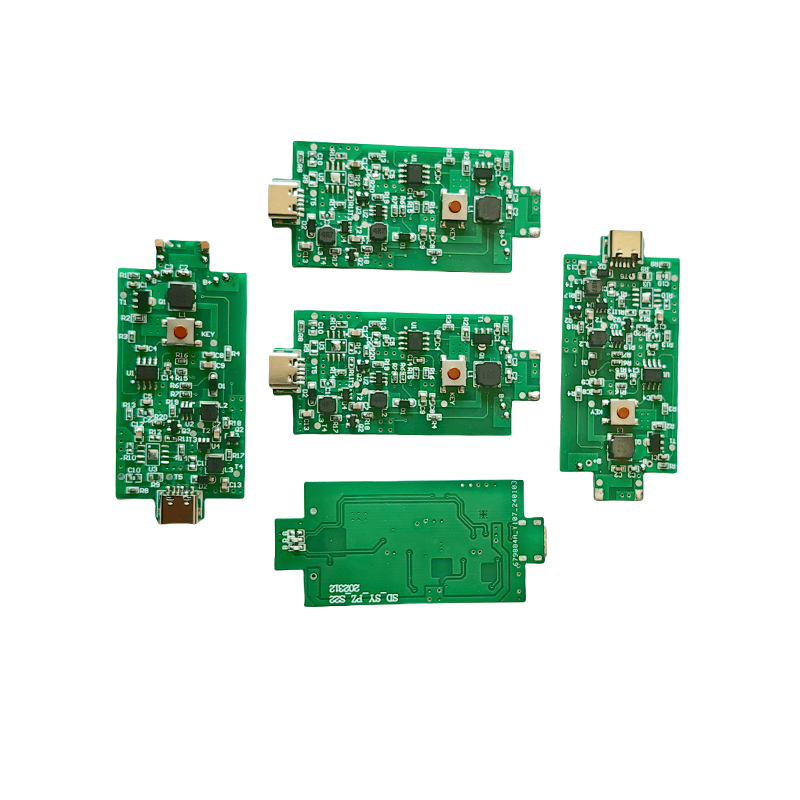
Medical Inhalation Nebulizer Respirator Head-mounted Nebulizer PCB Driver B
-
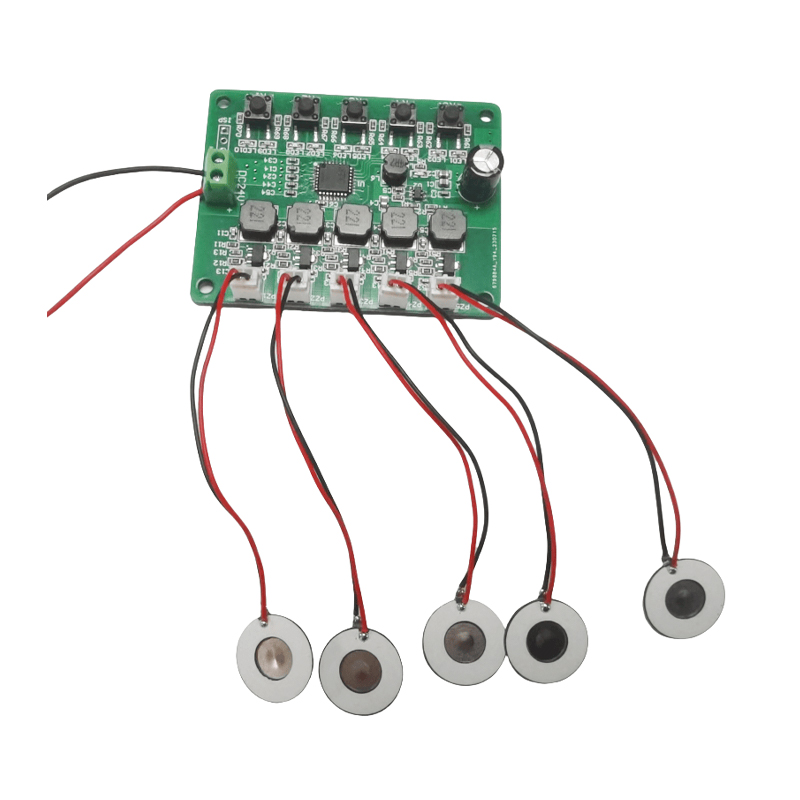
Medical Mesh Atomizer Tray PCB Electronic Smoking Cessation Atomizer PCB Driver Board
-
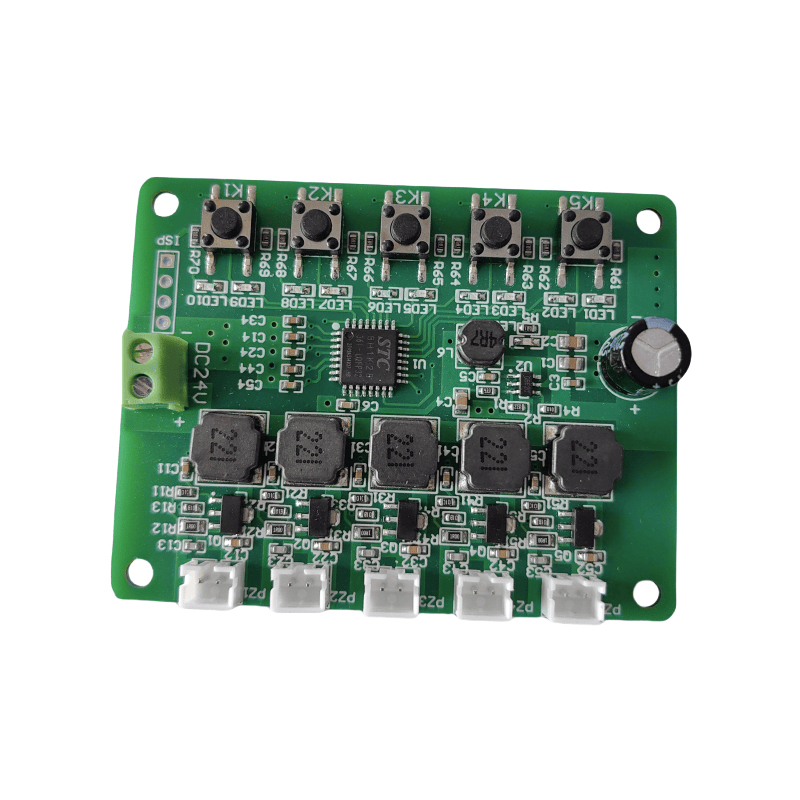
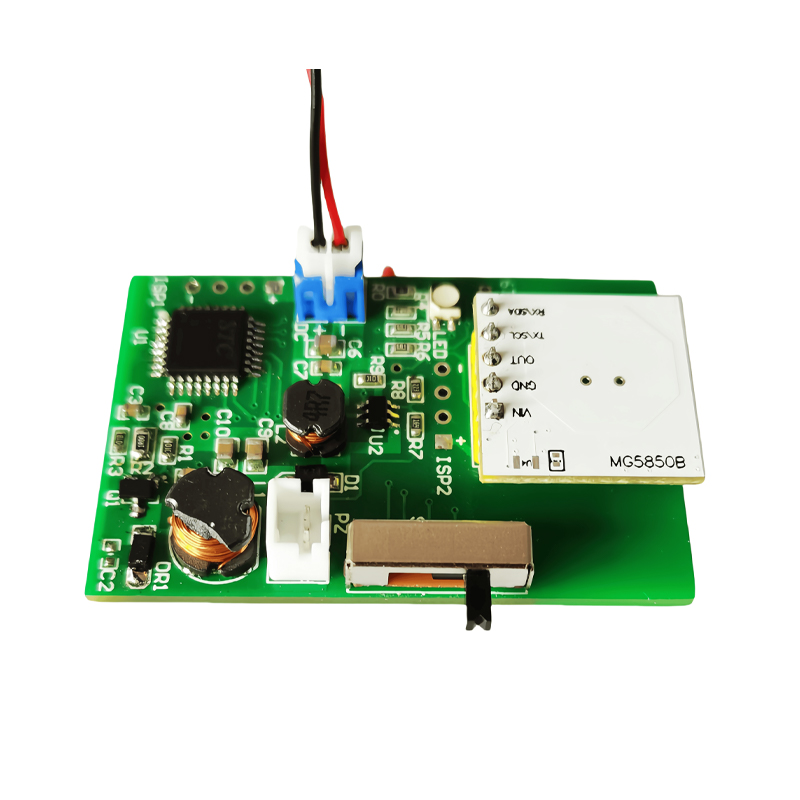
Driver Board For Humidifier Crescent PCB Board Timing 2/4h Function 1.5W
-
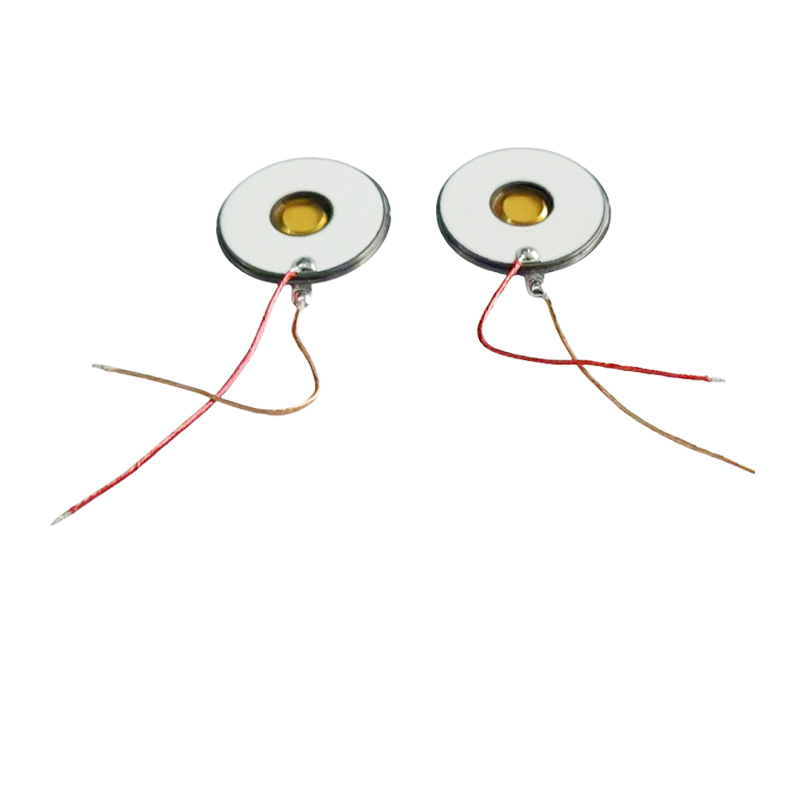
M16-108KHZ Polyimide PI MembraneMesh Micro Mesh NebulizerMedical NebulizerUltrasonic Mesh Nebulizer3μm Microporous Inhalation Nebulizer With Nebulizing DiscPower Consumption1~1.5W
-
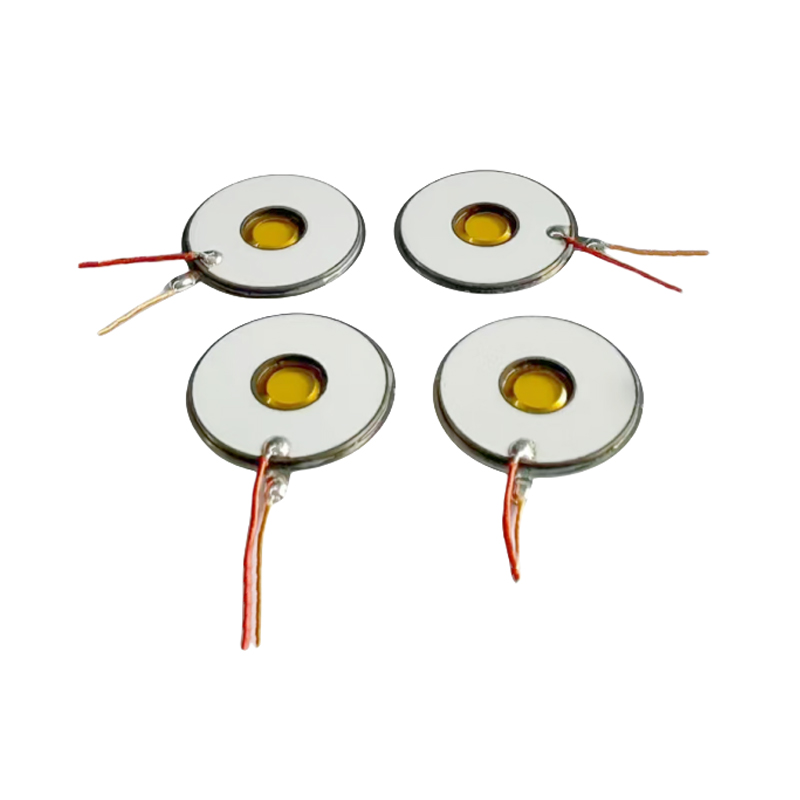
M16-108KHZ Polyimide PI MembraneMesh Micro Mesh NebulizerMedical NebulizerUltrasonic Mesh Nebulizer3μm Microporous Nebulizer Disc For Inhaler Nebulizer
-
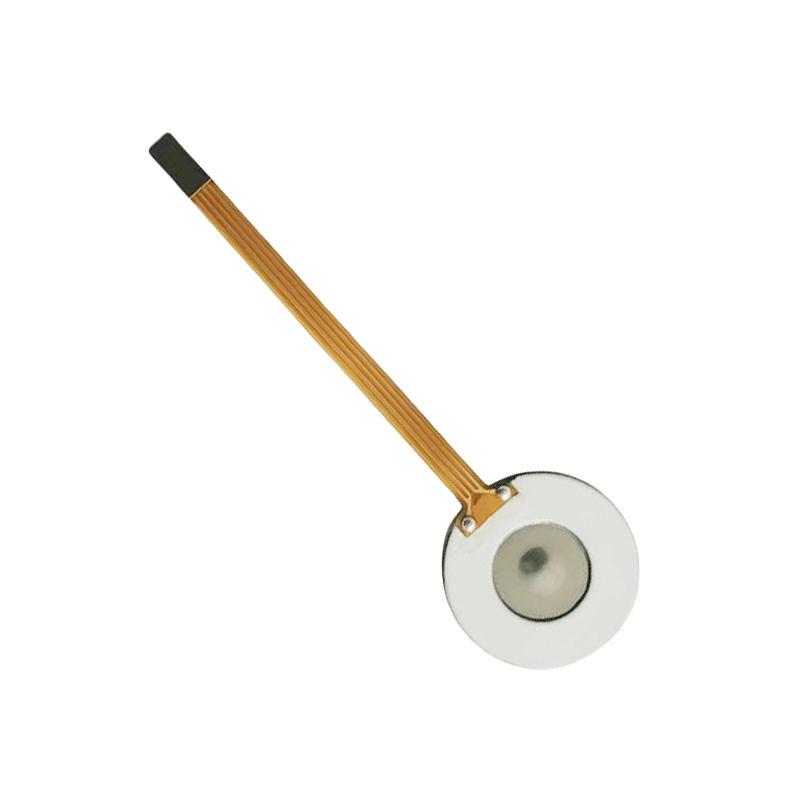
M16-110KHZ Polyimide PI MembraneMesh Micro Mesh NebulizerMedical NebulizerUltrasonic Mesh Nebulizer3μm Microporous Nebulizer Disc For Inhalation Nebulizer
-
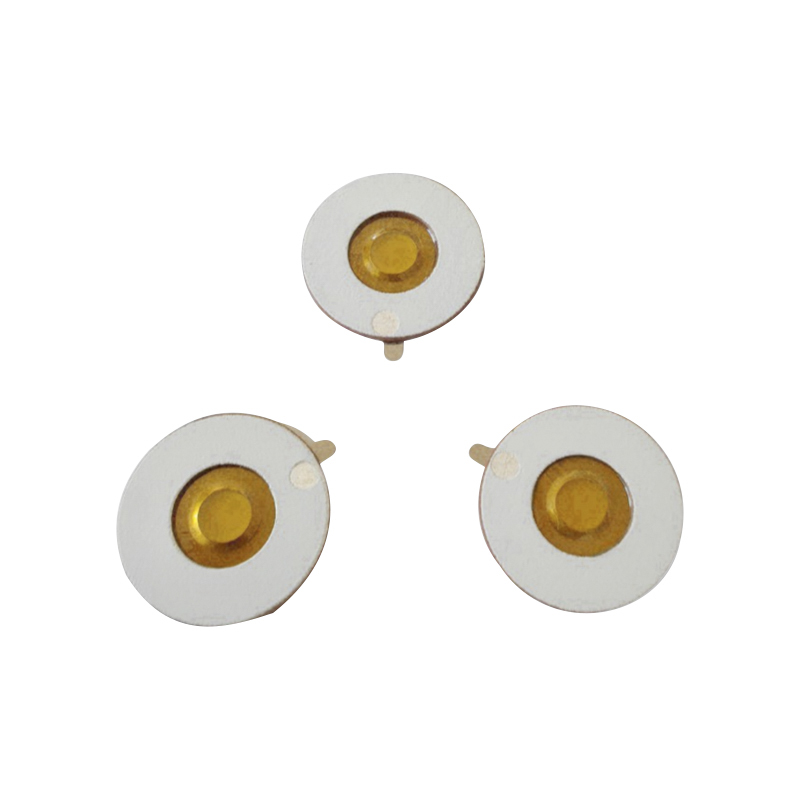
M16-108KHZ Polyimide PI MembraneMesh Micro Mesh NebulizerMedical NebulizerUltrasonic Mesh Nebulizer Tablet3μm Microporous Inhalation Budesonide Nebulizer Tray
- Quick Links
- Product
- About
- Application
- News
- Contact
- Product Links
- Medical Mesh Piezo Atomizer
- Polymer PI Film Piezo Atomizer
- KNN Lead-free Mesh Piezo Atomizer
- PI Lead Free Mesh Zeroing Chip
- Micro-mesh Piezo Atomizer For Heater
- Piezo Atomizer For Fan/Humidification/Beauty
- Ultrasonic Atomizing Transducer
- Ultrasonic High-frequency Piezo Atomizer
- Power Generation/Heating Sensor Piezo Atomizer
- Medical Piezo Atomizer PCB Design
- Precision Laser Micro-hole Processing Technology
- Contact
-
Building 1, Fortune Star 2, No.311 Huanzhen North Road, Chang'an Town, Haining City, Zhejiang Province, China.

-
+86-18006619680

-
+86-13777879680

-
Felix@saidapiezo.com

riney@saidapiezo.com
yugao@saidapiezo.com
emily@saidapiezo.com
dean@saidapiezo.com -
Felix: +86 18157327658

John: +86 18957351358
Emily: +86 18957339358
Dean: +86 15356418868
- Mobile