


 English
 中文简体
中文简体What Are the Key Factors to Consider When Selecting a Piezo Atomization Chip for Your Application?
Direct Answer: Five Decisive Parameters Drive Your Choice
Selecting a piezo atomization chip for medical or precision fluid applications boils down to five measurable criteria: resonant frequency (determines droplet size), mesh aperture diameter and density (controls flow rate and uniformity), piezoelectric material composition (affects efficiency and regulatory status), drive voltage and waveform compatibility (influences power consumption and stability), and operational lifetime (dictates long-term reliability). Prioritize these factors in the order they impact your application’s primary performance goal, and the selection process becomes a systematic engineering decision.
For medical inhalation, the absolute first requirement is droplet size: particles must be below 4 μm for alveolar deposition, with 2.5–3.5 μm considered optimal. This single constraint immediately filters chips to those operating at frequencies above 130 kHz with corresponding fine-pore meshes.
1. Resonant Frequency and Droplet Size Relationship
The inverse relationship between drive frequency and droplet diameter is the foundational principle of mesh atomization. Higher frequencies produce smaller droplets, with typical medical-grade micro-mesh piezo atomizer discs operating between 100 kHz and 210 kHz. Each application requires a specific particle size distribution for optimal effect.
In clinical nebulization, a chip driven at 137 kHz with a 50% duty cycle square wave delivered a median droplet size of 3.0 μm at an atomization rate of 0.3 ml/min. This demonstrates that frequency alone is not sufficient—the drive waveform and amplitude are equally influential.
Frequency matching between the chip and the driver circuit is critical. A deviation of ±50 kHz from the specified resonant frequency can prevent the oscillation circuit from properly exciting the piezoelectric element, leading to reduced efficiency or complete failure. Always verify the resonant frequency tolerance stated in the chip datasheet.
2. Mesh Aperture Design: Diameter, Density, and Distribution
The micro-mesh is the interface where liquid transforms into aerosol, and its geometry directly governs both particle size and output rate. Aperture diameter is the primary lever for droplet size control—smaller holes yield finer, more uniform particles.
Typical specifications for medical-grade meshes include 600 precision micropores with diameters of 7 ± 1 μm arranged within an effective atomization area of about 2.5 mm diameter. The overall disc dimensions are often Φ13.8 ± 0.1 mm for the metal sheet and Φ11.3 ± 0.2 mm for the piezoelectric ring, with resonant frequencies around 150 ± 10 kHz and impedance ≤ 500 Ω.
The number of apertures directly correlates with throughput. Empirical models have quantified this relationship, showing that higher pore counts increase atomization rate but may challenge manufacturing precision and structural integrity. For high-output applications, prioritize chips with denser hole arrays, but evaluate the trade-off with clogging risk.
Aperture shape also matters. Cylindrical openings have been shown to provide the largest liquid volume and highest resonance frequency compared to conical or pyramidal profiles. When comparing chips, request details on pore geometry and its effect on atomization consistency.
3. Piezoelectric Material and Construction Quality
The piezoelectric material is the heart of the chip. PZT (lead zirconate titanate) remains the dominant choice due to its superior piezoelectric coefficients and mature manufacturing processes. However, regulatory pressures—especially in medical devices—are accelerating the adoption of lead-free alternatives.
Lead-free KNN-based (potassium sodium niobate) ceramics have been successfully validated for medical atomization, achieving the same 3.0 μm particle size with comparable atomization rates. The industry standard T/CECA 86-2023 outlines specifications for lead-free piezoelectric atomization components, providing a reliable reference for compliant designs.
The chip typically comprises three layers: the piezoelectric substrate, electrode layer, and atomization surface. The mesh is almost universally fabricated from 316L medical-grade stainless steel, offering corrosion resistance meeting ASTM A240 standards. This choice is critical for devices that contact pharmaceutical solutions or biological fluids.
Batch-to-batch consistency is equally vital. Rigorous quality control ensures each batch of piezoelectric ceramic maintains stable electromechanical properties, directly impacting product reliability. Insist on material certificates and batch test reports when sourcing chips.
4. Drive Conditions: Voltage, Waveform, and Power Efficiency
The electrical drive parameters—voltage, frequency, and waveform—directly modulate atomization performance. Increasing drive voltage generally raises the atomization rate, but each chip has an optimal operating point beyond which performance saturates or degrades.
Typical voltages span from 3–12 V DC for low-power portable devices to 90 Vp-p for high-output medical or industrial systems. The selection depends on your power budget, thermal dissipation capabilities, and target output.
Waveform shape is a highly influential factor in vibrating mesh atomizer performance. The waveform determines how electrical energy is converted into mechanical vibration. Square wave pulses with a 50% duty cycle at 137 kHz have been proven to achieve excellent atomization with minimal power loss.
Power efficiency is a key differentiator. Piezo atomization chips typically consume only 1.5–3 W, far less than thermal or pneumatic methods. This low consumption enables battery-operated designs and reduces thermal management overhead—essential for handheld nebulizers.
5. Durability, Lifetime, and Environmental Factors
Service life is a critical selection criterion, especially for medical devices where predictable replacement and consistent performance are mandatory. Premium piezo atomization chips are rated for 3000 hours or more under specified operating conditions.
Actual longevity depends on multiple factors: fluid chemistry (corrosive or scaling fluids accelerate wear), duty cycle (continuous vs. intermittent operation), and drive intensity (overdriving shortens life). For medical formulations, chemical compatibility is paramount. 316L stainless steel mesh resists acids, alkalis, and cavitation corrosion effectively.
The mounting interface also affects durability. Proper fixation that controls pressure on the ceramic surface is essential; different mounting methods produce varying stress distributions, affecting vibration transmission and chip stress. Design the mechanical interface to avoid introducing stress points that could lead to premature fracture.
For applications requiring long-term continuous operation, device characteristics may drift over time, degrading atomization performance if the drive circuit remains fixed. This highlights the importance of selecting chips with stable parameters and designing adaptive drive electronics.
6. Liquid Properties and Compatibility
The fluid to be atomized is often an afterthought, yet its properties heavily influence performance and longevity. Viscosity, surface tension, and chemical aggressiveness each affect atomization efficiency and chip life.
Standard vibrating mesh atomizers have a viscosity limit of approximately 2 cP; above this, atomization becomes inefficient. For viscous formulations—such as certain drug suspensions or essential oils—specialized chips with heated mesh or modified aperture geometries may be required.
Surface tension determines the energy needed to form droplets. High-surface-tension liquids demand higher drive voltages or more vigorous vibration to achieve the same atomization rate. Always request performance data using the actual fluid, as water-based benchmarks do not reliably predict behavior with other liquids.
Chemical compatibility affects both immediate output and long-term reliability. Acidic, alkaline, or solvent-based fluids can degrade the mesh material or the piezoelectric bonding. For aggressive fluids, specify chips with protective coatings or select materials expressly rated for the intended exposure.
Structured Selection Decision Guide
The following stepwise framework organizes the selection process, ensuring that each critical parameter is addressed in logical order.
Step 1 – Define Droplet Size Target
- Medical inhalation: 2.5–3.5 μm (alveolar deposition)
- Nasal / upper airway: 5–9 μm
- Humidification / aromatherapy: 3–11 μm
Step 2 – Choose Frequency Band
- 100–210 kHz: Micro-mesh discs (medical, precision)
- 1.7–3 MHz: Ultrasonic glaze atomizers (humidifiers, industrial)
Step 3 – Specify Mesh Geometry
- Aperture diameter: 5–9 μm (general); 2.5–5 μm (medical)
- Pore count: higher = higher flow; typical medical: 600 holes
- Mesh material: 316L stainless steel for medical / corrosive
Step 4 – Verify Electrical Compatibility
- Operating voltage: match your supply (3–12 V DC or higher)
- Resonant impedance: typically ≤ 500 Ω for efficient drive
- Capacitance: e.g., 1500 ± 20% pF – confirm with your circuit
Step 5 – Validate Lifetime and Regulatory Conformance
- Service life: ≥ 3000 hours for medical grade
- Lead‑free compliance: mandatory for many regions
- Biocompatibility: ISO 10993 for patient contact
Comparative Parameter Overview by Application
The table below provides typical parameter ranges across common applications, offering a quick reference for initial chip screening.
| Parameter | Medical Nebulization | Aromatherapy | Consumer Humidification |
| Droplet size (μm) | 2.5–5 | 5–9 | 3–11 |
| Frequency (kHz) | 108–210 | 100–200 | 1700–3000 |
| Aperture Ø (μm) | 2.5–5 | 5–9 | 5–11 |
| Typical hole count | 600 | 400–600 | 200–600 |
| Rated lifetime (hours) | ≥ 3000 | 2000–3000 | 2500–5000 |
Values are representative; always confirm with the specific component datasheet for your target application.
Selection Process Flowchart
The following diagram visually summarizes the sequential decision steps from initial requirements to final validation.
Frequently Asked Questions
What is the single most critical factor for medical nebulization chips?
Droplet size is the primary clinical constraint. For effective lung deposition, particles must be below 4 μm, with the optimal range around 2.5–3.5 μm. This requirement dictates the chip’s frequency and aperture design, making it the foundational selection criterion.
How does aperture diameter influence atomization quality?
Smaller apertures generate finer, more uniform droplets but increase clogging risk and may reduce maximum flow. For medical use, apertures of 2.5–5 μm offer the best balance between particle size and practical reliability.
What is the typical operational lifetime of a piezo atomization chip?
Quality chips are rated for 3000 hours or more under specified conditions. Actual life depends on fluid properties, drive settings, and duty cycle. Medical-grade components undergo extensive testing to ensure consistent performance throughout their rated life.
Can these chips atomize high‑viscosity liquids?
Standard chips have a viscosity limit of about 2 cP. Above this, efficiency drops significantly. Specialized designs with heated meshes or larger apertures can handle more viscous fluids. Always test with the actual formulation.
Why is resonant frequency matching so important?
Matching the chip’s resonant frequency to the drive circuit is essential for efficient energy transfer. A mismatch can prevent the circuit from exciting the piezo element, leading to poor atomization and possible overheating. Verify both the nominal frequency and its tolerance.
What materials are used in medical‑grade atomization chips?
The mesh is typically 316L medical‑grade stainless steel for corrosion resistance. The piezoelectric element is often PZT, but lead‑free KNN ceramics are increasingly common to meet regulatory requirements. Always request material certifications.
How does drive waveform affect atomization performance?
The waveform determines how energy is delivered to the vibrating mesh, directly influencing atomization efficiency and droplet size. Square waves with optimized duty cycles—e.g., 50% at 137 kHz—have been shown to produce excellent results with minimal power loss.
What certifications should I look for in a medical‑grade chip?
Look for ISO 9001 (quality management) and ISO 14000 (environmental). For patient‑contact devices, ISO 10993 (biocompatibility) is essential. Additionally, compliance with industry standards like T/CECA 86-2023 for lead‑free piezoelectric components is highly recommended.
Related Products
-
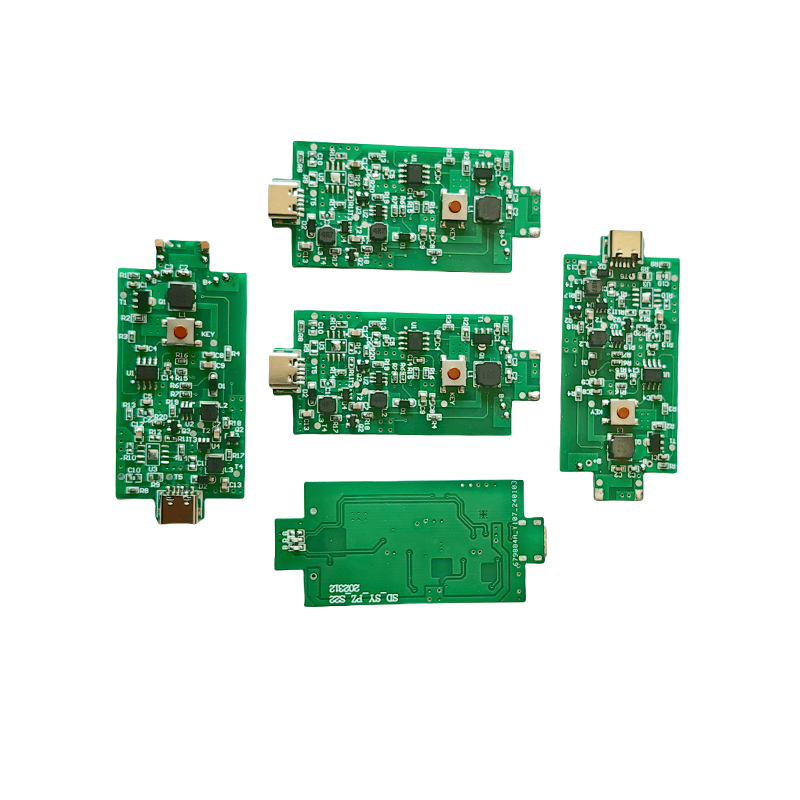
Humidifier Aromatherapy Humidifier Misting Tray PCB Board USB6V12V24V Five Head PCB Driver Board 10 Head Driver Board
-
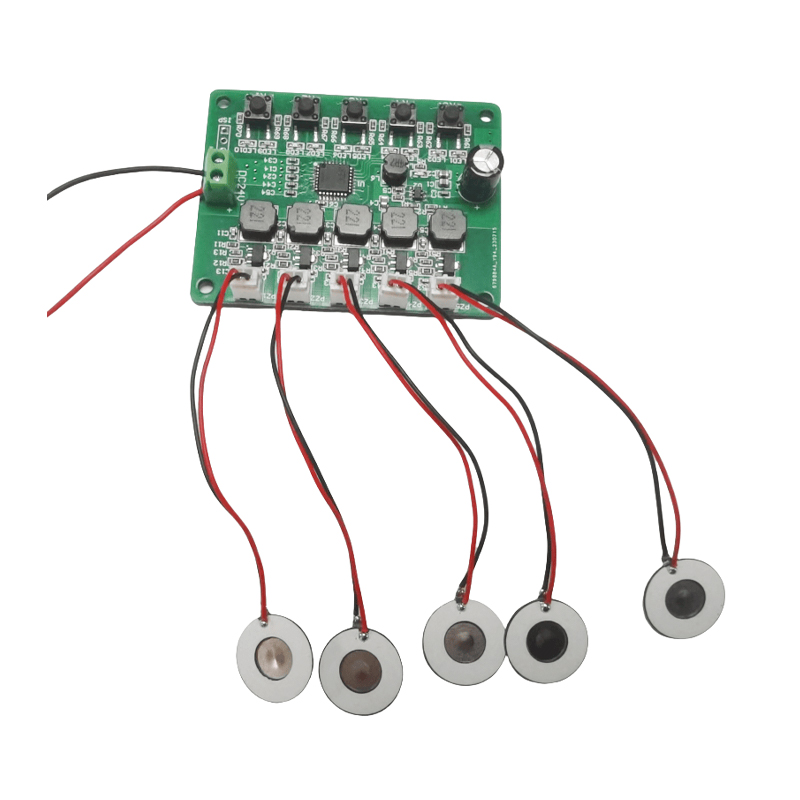
Medical Inhalation Nebulizer Respirator Head-mounted Nebulizer PCB Driver B
-
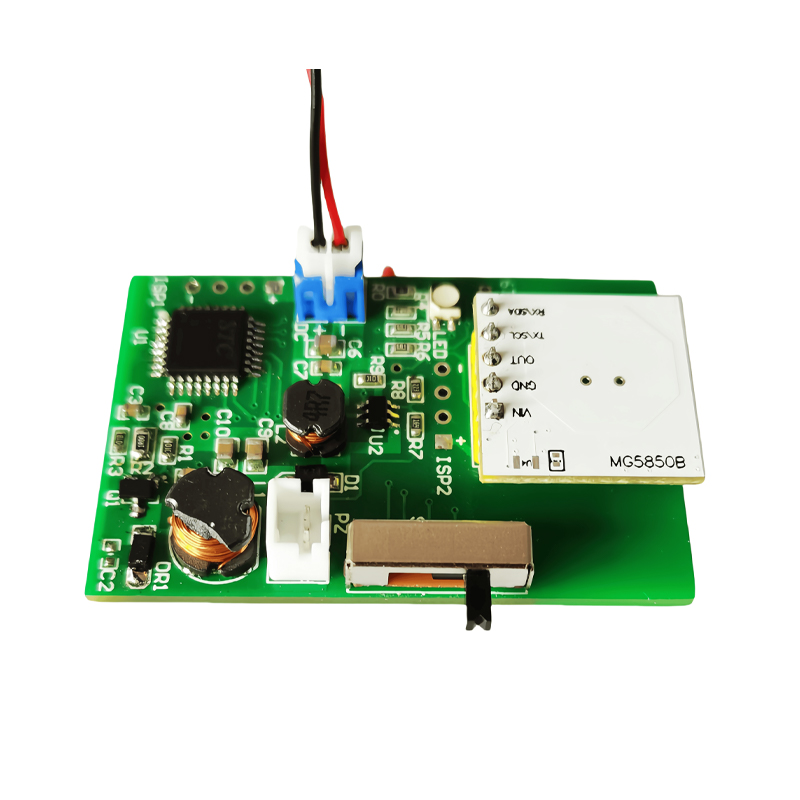
Medical Mesh Atomizer Tray PCB Electronic Smoking Cessation Atomizer PCB Driver Board
-
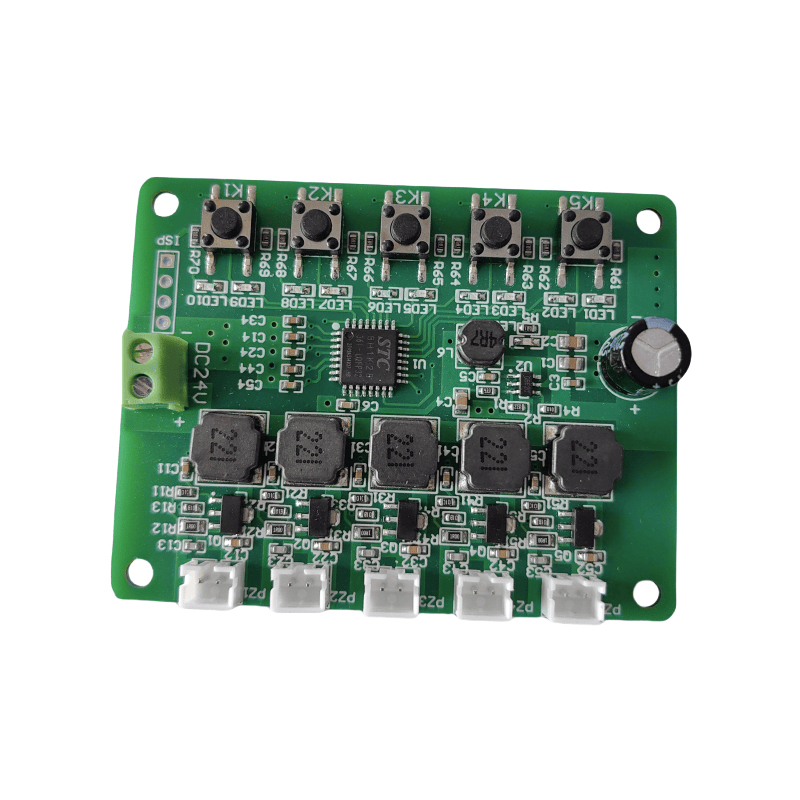
Driver Board For Humidifier Crescent PCB Board Timing 2/4h Function 1.5W
-
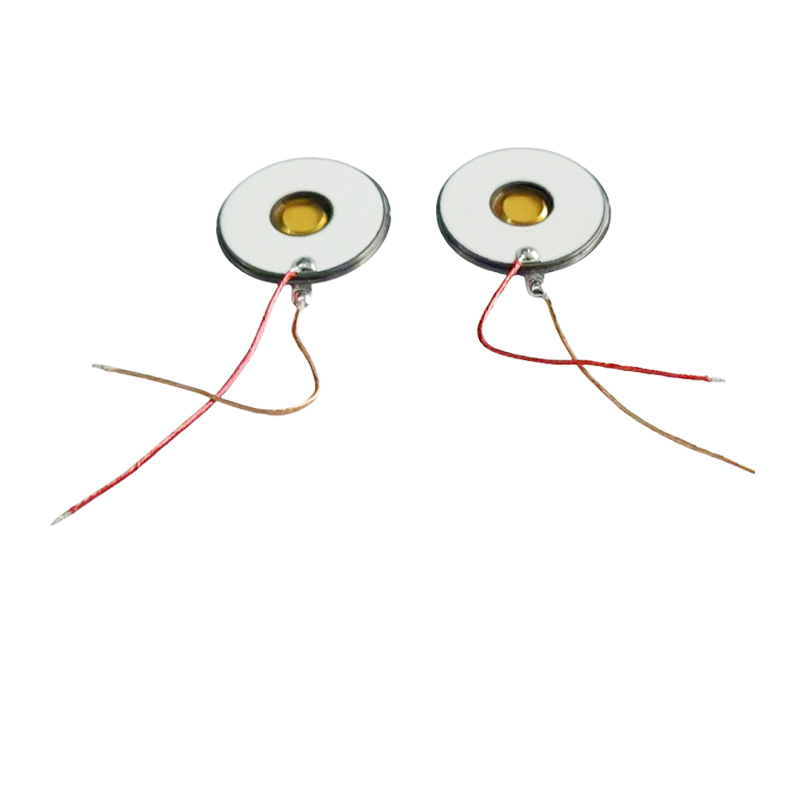
M16-108KHZ Polyimide PI MembraneMesh Micro Mesh NebulizerMedical NebulizerUltrasonic Mesh Nebulizer3μm Microporous Inhalation Nebulizer With Nebulizing DiscPower Consumption1~1.5W
-
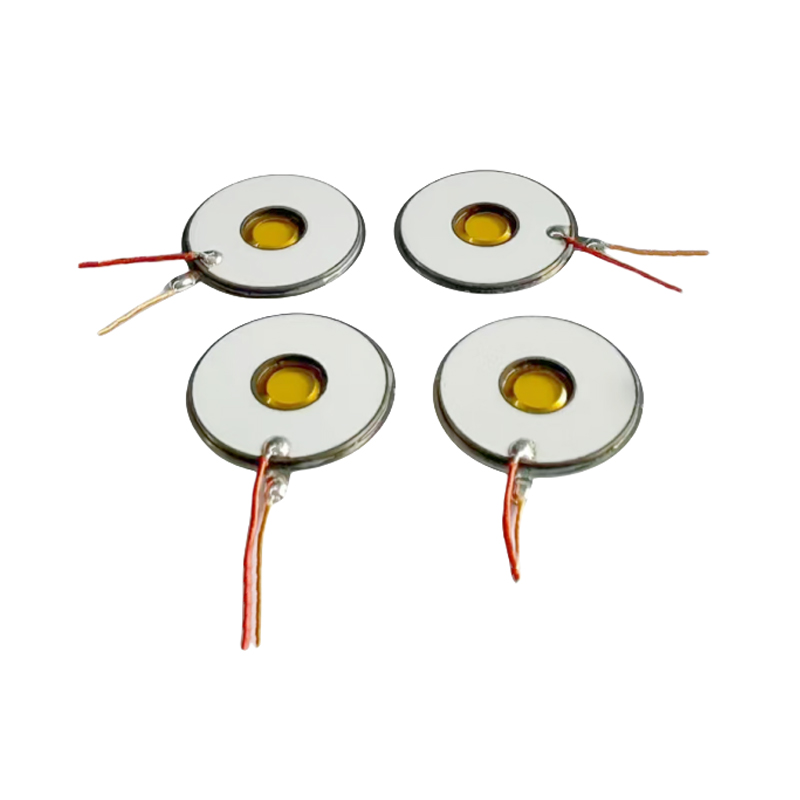
M16-108KHZ Polyimide PI MembraneMesh Micro Mesh NebulizerMedical NebulizerUltrasonic Mesh Nebulizer3μm Microporous Nebulizer Disc For Inhaler Nebulizer
-
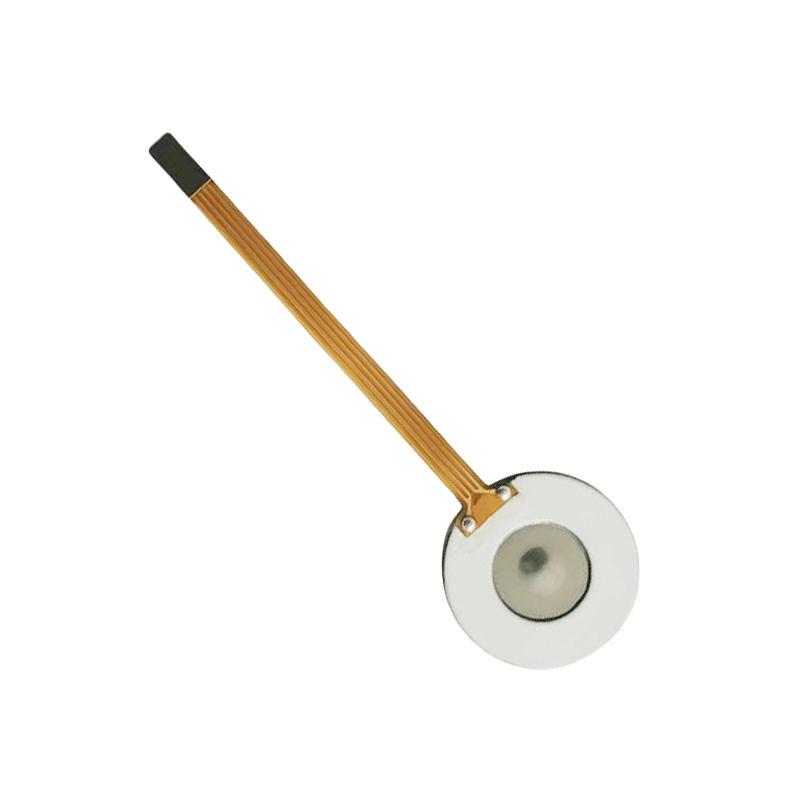
M16-110KHZ Polyimide PI MembraneMesh Micro Mesh NebulizerMedical NebulizerUltrasonic Mesh Nebulizer3μm Microporous Nebulizer Disc For Inhalation Nebulizer
-
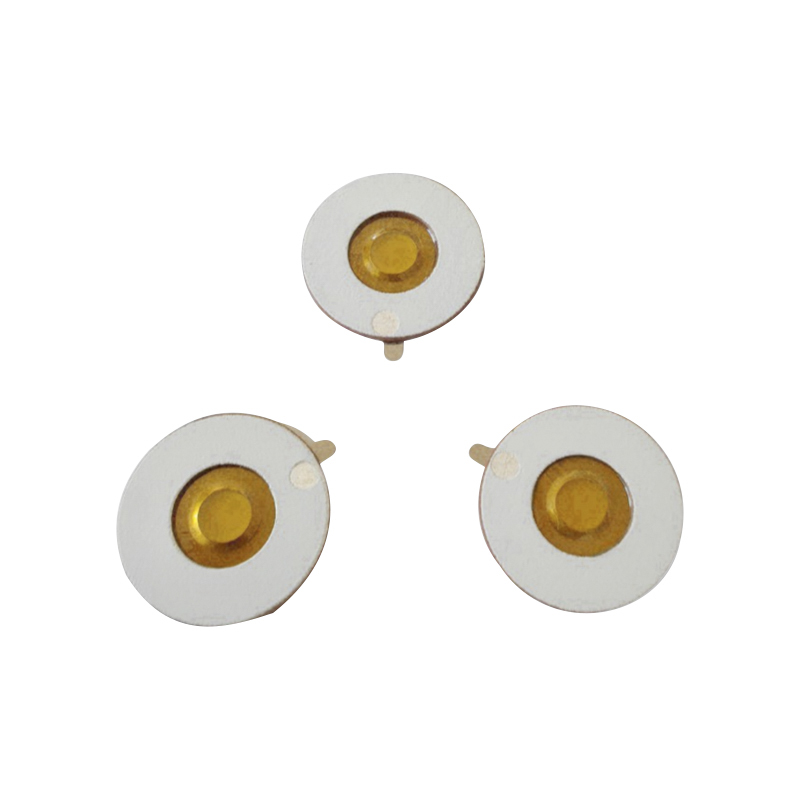
M16-108KHZ Polyimide PI MembraneMesh Micro Mesh NebulizerMedical NebulizerUltrasonic Mesh Nebulizer Tablet3μm Microporous Inhalation Budesonide Nebulizer Tray
- Quick Links
- Product
- About
- Application
- News
- Contact
- Product Links
- Medical Mesh Piezo Atomizer
- Polymer PI Film Piezo Atomizer
- KNN Lead-free Mesh Piezo Atomizer
- PI Lead Free Mesh Zeroing Chip
- Micro-mesh Piezo Atomizer For Heater
- Piezo Atomizer For Fan/Humidification/Beauty
- Ultrasonic Atomizing Transducer
- Ultrasonic High-frequency Piezo Atomizer
- Power Generation/Heating Sensor Piezo Atomizer
- Medical Piezo Atomizer PCB Design
- Precision Laser Micro-hole Processing Technology
- Contact
-
Building 1, Fortune Star 2, No.311 Huanzhen North Road, Chang'an Town, Haining City, Zhejiang Province, China.

-
+86-18006619680

-
+86-13777879680

-
Felix@saidapiezo.com

riney@saidapiezo.com
yugao@saidapiezo.com
emily@saidapiezo.com
dean@saidapiezo.com -
Felix: +86 18157327658

John: +86 18957351358
Emily: +86 18957339358
Dean: +86 15356418868
- Mobile