


 English
 中文简体
Start With the Part You Cannot See
Most buyers searching for an ultrasonic mist maker begin with the housing, the tank, the LED ring, or the price tag. That is understandable, because those are the parts you can see in a product photo. But the part that decides whether the unit still produces a strong, even mist after six months of daily operation sits inside the water, usually behind a small metal retainer: the piezoelectric atomizer disc.
This guide approaches mist maker selection from the disc outward. It explains how the disc works, which specifications actually predict performance, how water quality and duty cycle shorten or extend service life, and how to brief a supplier whether you need replacement discs or a complete custom unit. The aim is practical: after reading, you should be able to ask a supplier five specific questions and judge the answers.
The short version
Mist output, droplet size, service life, and maintenance cost are all set by the disc's diameter, resonant frequency, electrode protection, and the water it runs in. The housing mostly decides convenience and safety features. Choose the disc first, then the enclosure.
How an Ultrasonic Mist Maker Actually Produces Mist
An ultrasonic mist maker does not boil water and does not use a heating element. It uses a thin piezoelectric ceramic element, bonded to a metal diaphragm, that expands and contracts at high frequency when driven by an alternating voltage. That vibration is transferred into the water above the disc. At the right frequency and amplitude, the water surface breaks into a fine aerosol without any temperature rise worth mentioning.
The Core Component: The Piezoelectric Atomizer Disc
The disc assembly typically consists of a piezoelectric ceramic ring or plate, a metal diaphragm, electrode layers, and a protective coating on the water-facing side. The ceramic converts electrical energy into mechanical vibration; the diaphragm couples that vibration into the water; the coating keeps water, minerals, and cleaning agents away from the electrode.
Three numbers describe most discs on the market: outer diameter, resonant frequency, and rated power. A common small format is a 20 mm disc running near 1.7 MHz for compact humidifiers and diffusers. Larger discs, often 25 mm and above, run at lower frequencies and move more water, which suits ponds, water features, and industrial humidification. The frequency is not a quality grade. It is a design choice that trades droplet size against output volume.
Why the Disc Determines Mist Output, Service Life and Maintenance Cost
A cheap complete unit often fails in a predictable sequence. Week one, output is strong. Week six, output drops noticeably as mineral scale builds on the coated surface. Month three, output collapses, and the user replaces the whole appliance because the disc is not sold separately or is hard to source. The purchasing saving at the start is real; so is the cost of early replacement.
The failure mechanism is rarely the ceramic itself. It is the electrode. When water and dissolved minerals reach the silver electrode layer, electrochemical migration and oxidation begin. Once the electrode degrades, the disc's electrical behaviour changes, output falls, and the unit may overheat or stop oscillating altogether.
This is why electrode protection is the single most useful specification to ask about. A dense, high-temperature glass enamel coating applied over the electrode, cured at around 800 degrees Celsius, creates a barrier that resists acidic and alkaline water, slows oxidation, and reduces scale adhesion. A basic lacquer or thin resin coating costs less and performs accordingly. The difference is not visible in a product photo, but it is measurable in months of service.
Key Factors to Evaluate Before Buying
The evaluation below is ordered by how much each factor affects long-term satisfaction. Price comes last on purpose.
Disc Coating and Electrode Protection
Ask the supplier what the water-facing coating is, how it is cured, and what water chemistries it tolerates. A useful answer names the coating type and gives a curing temperature or process description. A vague answer about "special protection" is a warning sign.
| Disc type | Typical coating | Behaviour in hard water | Behaviour in mildly acidic or treated water | Expected service pattern |
|---|---|---|---|---|
| Entry-level | Thin resin or lacquer | Scale adheres quickly | Coating may soften or blister | Frequent cleaning, earlier replacement |
| Standard | Single-layer enamel | Moderate scale, cleanable | Generally stable | Routine maintenance, reasonable life |
| Protected | High-temperature glass enamel over silver electrode | Slower scale build-up, easier cleaning | Good resistance | Longer intervals between service, fewer failures |
The coating is also a maintenance feature. A smooth enamel surface releases mineral film more readily than a roughened resin surface, so cleaning takes less time and causes less mechanical wear to the electrode underneath.
Mist Output and Droplet Size
Output is usually quoted in millilitres per hour. Droplet size is quoted in micrometres, and the two are linked to frequency. Higher frequency generally produces finer droplets at lower volume per disc; lower frequency produces more volume with somewhat coarser droplets. Neither is better in the abstract. A pond display wants visible volume; a small diffuser wants a dry, fine mist that does not wet nearby surfaces.
- Compact humidifiers and diffusers: small discs, higher frequency, fine mist, low volume.
- Water features and rockeries: larger discs or multiple discs, moderate frequency, higher visible output.
- Greenhouse and industrial humidification: multi-disc arrays, matched power supply, output sized to the room volume and air exchange rate.
- Medical nebulizer type applications: fine, consistent droplet spectrum, with tight unit-to-unit consistency.
When comparing quotes, ask for output per disc at a stated drive power, not only the total for the unit. Total figures hide how many discs are doing the work, which affects replacement cost later.
Water Level Sensitivity and Dry-Run Behaviour
Every ultrasonic disc depends on a minimum water depth above its surface to couple vibration into the water and to keep the disc cool. Too little water and the disc overheats; too much and the mist cannot escape efficiently. Most consumer units include a float switch or a low-water cutoff, and that protection is worth having. But it compensates for a design problem rather than solving it.
Better questions are: what is the recommended operating depth range, what happens at the low end of that range, and how is the disc thermally coupled to the housing? A disc that runs hot at minimum depth will age faster regardless of the electronics protecting it.
Compatibility With Different Water Qualities
Water quality is the most under-discussed variable in mist maker performance. The same disc can last very differently across three installations in the same city. Consider the following practical rules:
- Hard water accelerates scale. If hardness is high, plan a cleaning interval and prefer a smoother, enamel-type coating.
- Softened water reduces scale but may increase corrosion if chloride levels rise; confirm coating compatibility.
- Water treated with disinfectants or fragrances introduces chemistry the disc was not designed for; check with the supplier before use.
- Filtered or demineralised water extends service intervals in most cases, at a running cost that is often offset by fewer replacements.
Where Ultrasonic Mist Makers Are Used, and What Each Application Demands
The same core technology serves very different duty cycles. Matching the disc specification to the application is where most purchasing mistakes happen.
Indoor Humidifiers and Air Purifiers
These units run long hours, often unattended, and are judged on noise and visible wetness. Fine droplet size and stable output matter more than maximum volume. A coated disc that resists scale keeps output steady between cleanings, which users notice as consistent performance rather than a slow decline.
Garden Ponds, Rockeries and Water Features
Outdoor installations face debris, algae, and seasonal shutdowns. Output volume is the priority, so larger or multiple discs are typical. Coating quality matters here because pond water is biologically active and often mineral-rich; a disc that tolerates intermittent cleaning without coating damage lasts more than one season.
Greenhouse and Industrial Humidification
These systems are sized by air exchange and target relative humidity, and they run continuously during production cycles. Multi-disc arrays with matched power supplies are normal. The purchasing decision is less about a single disc and more about repeatability: every disc in the array should behave the same way, and replacement discs should match the originals without retuning the driver.
Medical Nebulizers and Aromatherapy Diffusers
Both need fine, consistent droplets, but for different reasons: one for deposition in the airway, the other for scent throw without wetting furniture. Consistency between units is the key specification. A supplier who can state a droplet size range and hold it across production lots is more useful than one who quotes only a peak output figure.
How to Brief a Supplier: Five Questions That Reveal Real Capability
Whether you are buying replacement discs or developing a private-label unit, the quality of the answers tells you more than the datasheet. Use these five questions as a screening tool.
01
What is the water-facing coating and how is it cured?
Look for a specific coating type and process temperature. High-temperature enamel over the electrode signals a durability-oriented design.
02
What output do you guarantee per disc, at what drive power?
A per-disc figure with a stated power level is verifiable. A single total for the unit is not.
03
What water chemistry does the coating tolerate?
Ask about hardness, pH range, and chlorine or disinfectant exposure. A supplier who knows the limits will tell you where they are.
04
How consistent are discs between production lots?
Lot-to-lot consistency decides whether an array stays balanced and whether replacement discs drop in without rework.
05
Can you supply discs and complete assemblies?
A supplier who makes the core component and assembles units can support both replacement-part buyers and OEM projects.
06
What is the realistic service interval?
Ask for a maintenance interval under stated water conditions, not a single lifespan number divorced from use.
OEM and ODM: Customising From the Disc Up
For buyers developing their own mist maker line, the practical starting point is the mist requirement, not the enclosure drawing. Output target, droplet size, supply voltage, and expected duty cycle together define the disc specification. From there, the driver circuit, water depth, and housing follow.
A component manufacturer that also supplies complete assemblies can usually shorten development in three ways. First, it can recommend a disc that already meets the output target rather than forcing a new tool. Second, it can match the driver to the disc's resonant behaviour, which avoids the common problem of a circuit tuned for a different disc batch. Third, it can supply replacement discs later, which protects the after-sales channel.
| Buyer type | Useful starting information | What the supplier can return |
|---|---|---|
| Replacement-part buyer | Current disc diameter, frequency marking, coating appearance, water source | Matching disc specification and a compatible coating recommendation |
| Complete-unit buyer | Target output in millilitres per hour, application, tank size | Disc configuration and estimated unit cost for the required output |
| OEM brand | Target output, voltage, enclosure constraints, annual volume | Disc plus driver recommendation, sample plan, production schedule |
Price follows specification, so a useful quotation request includes output target, disc count, coating level, and water quality. With those four inputs, a supplier can usually return a specification and an indicative cost quickly rather than a range so wide it cannot be planned around.
Planning a mist maker project?
Send your target mist output, disc dimensions or water conditions, and the supplier can recommend the right disc specification and estimated cost. For replacement parts, include the current disc dimensions and coating requirement.
Frequently Asked Questions
Q1: What is the difference between an ultrasonic mist maker and a fog machine?
A fog machine heats a fluid to produce a dense, fast-dispersing vapour, usually for short bursts in entertainment settings. An ultrasonic mist maker vibrates water at high frequency to create a cool, fine mist without heating, which suits continuous operation in humidifiers, water features, and growing environments. The two are not interchangeable, and their maintenance needs differ completely.
Q2: How long does an ultrasonic mist maker disc last?
Service life depends far more on water quality and duty cycle than on the calendar. In softened or filtered water with regular cleaning, a well-protected disc can run for many months of continuous use. In hard water with infrequent cleaning, the same disc may lose significant output in a few weeks. The coating is the main defence: a high-temperature enamel barrier over the electrode slows both oxidation and scale adhesion, which is why it is the specification worth checking first.
Q3: Can I replace the disc in my existing mist maker?
Often yes, provided the replacement matches the original diameter, resonant frequency, and power rating, and the driver circuit is compatible. The practical obstacles are identification and availability: many units are not designed for field replacement, and the disc may carry no visible specification. Measuring the disc diameter and noting the unit's rated output gives a supplier enough to work with in most cases.
Q4: What is the typical price range for an ultrasonic mist maker?
Complete units vary widely with output, disc count, housing quality, and safety features, so a single figure is misleading. Discs themselves vary with diameter, frequency, and coating level. A standard small disc with an enamel coating is typically quoted within a day once the supplier confirms water quality and duty cycle. The more useful comparison is cost per litre of mist output over the service interval, not purchase price alone.
Q5: Does a higher-frequency disc always produce better mist?
No. Higher frequency generally means finer droplets and lower volume per disc. Whether that is better depends on the application. A diffuser benefits from fine droplets; a pond display needs volume. The right choice is the frequency that matches the required droplet size and output, not the highest number available.
Q6: Why does mist output drop over time?
The usual cause is scale or electrode degradation on the water-facing surface. Mineral film changes how vibration couples into the water, and electrode oxidation changes the disc's electrical behaviour. Both reduce output gradually before failure occurs. Regular cleaning and a corrosion-resistant coating slow the process considerably.
Conclusion: Choose the Disc, Then the Unit
An ultrasonic mist maker is a housing, a driver circuit, and a vibrating disc, and of those three the disc does the work that users judge. Output, droplet size, service life, and maintenance cost all trace back to its diameter, frequency, electrode protection, and the water it runs in. Buyers who start with those specifications make better decisions than buyers who start with the price tag.
For replacement-part buyers, the useful next step is to record the current disc dimensions and water conditions. For complete-unit and OEM buyers, the useful next step is to state the output target and application. Either way, the conversation starts with the disc, and that is exactly where the performance is decided.
Related Products
-
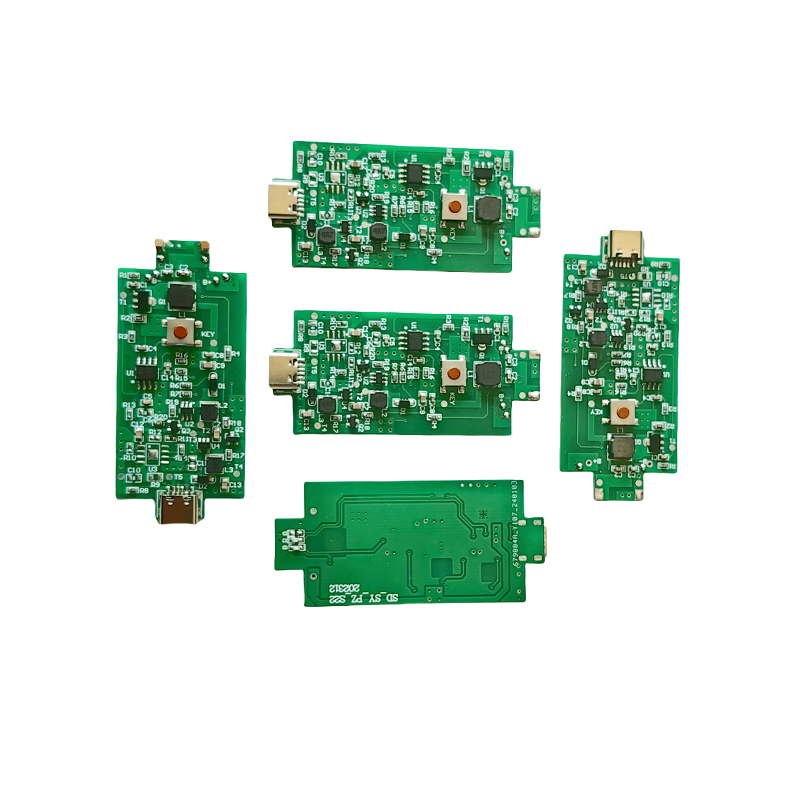
Humidifier Aromatherapy Humidifier Misting Tray PCB Board USB6V12V24V Five Head PCB Driver Board 10 Head Driver Board
-
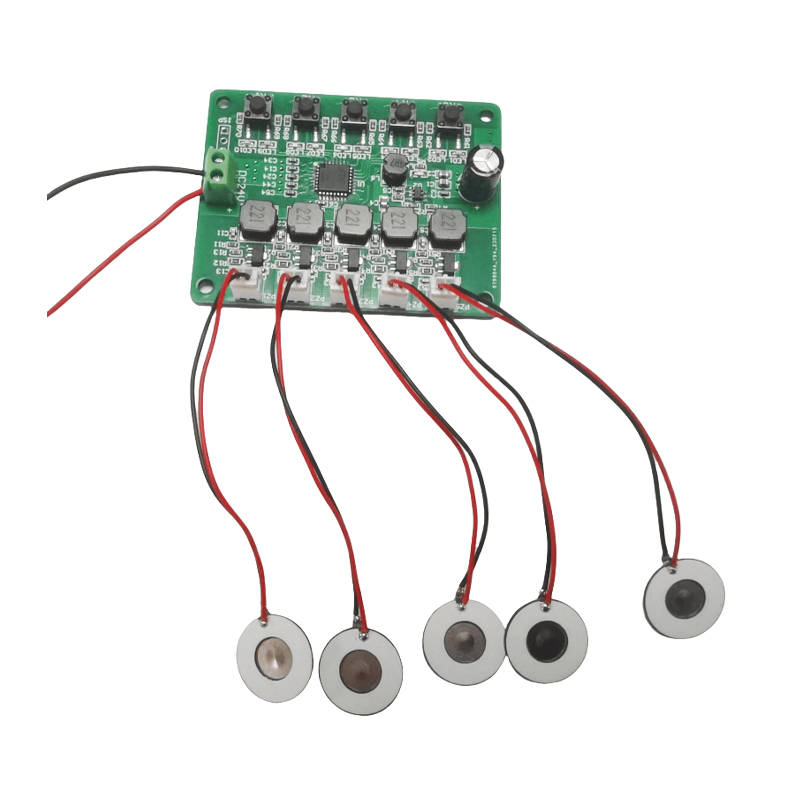
Medical Inhalation Nebulizer Respirator Head-mounted Nebulizer PCB Driver B
-
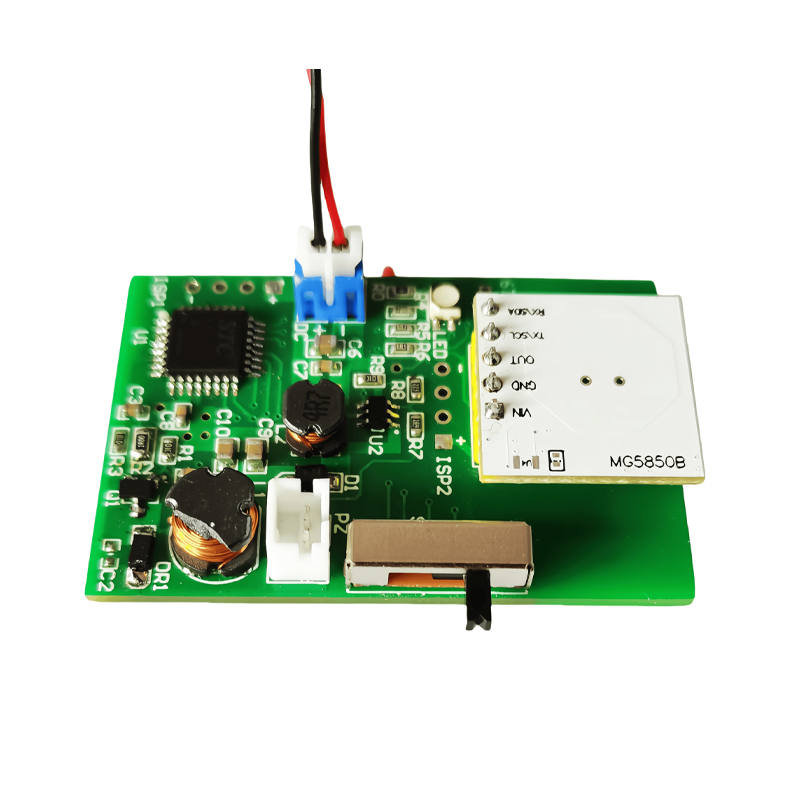
Medical Mesh Atomizer Tray PCB Electronic Smoking Cessation Atomizer PCB Driver Board
-
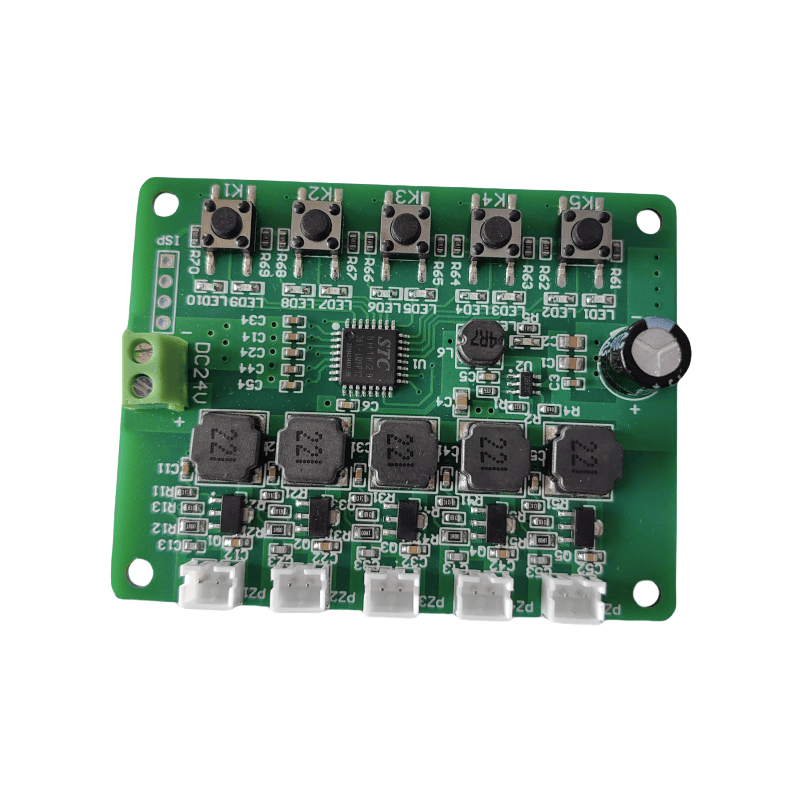
Driver Board For Humidifier Crescent PCB Board Timing 2/4h Function 1.5W
-
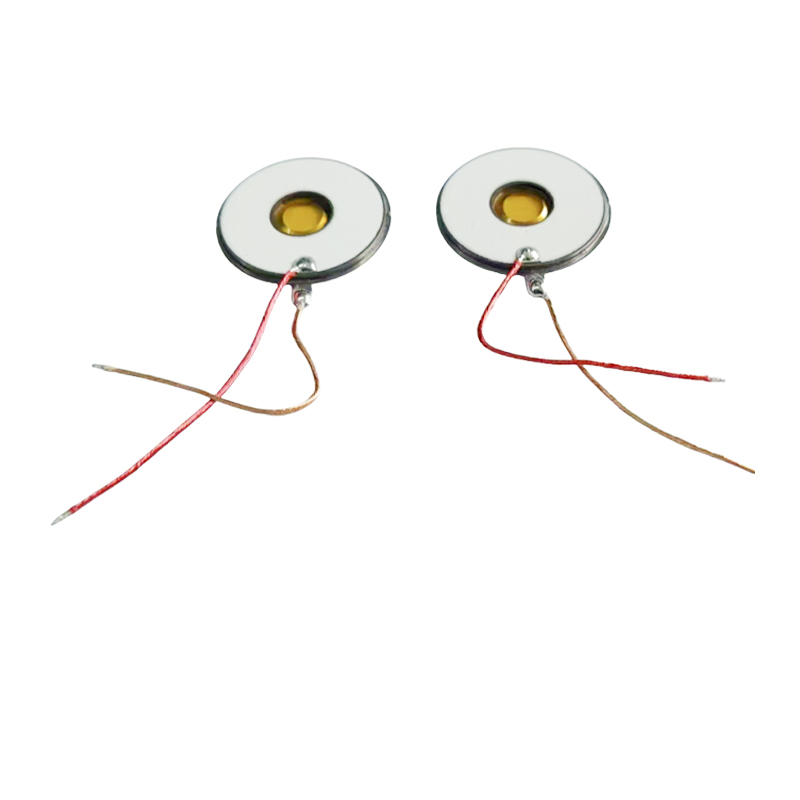
M16-108KHZ Polyimide PI MembraneMesh Micro Mesh NebulizerMedical NebulizerUltrasonic Mesh Nebulizer3μm Microporous Inhalation Nebulizer With Nebulizing DiscPower Consumption1~1.5W
-
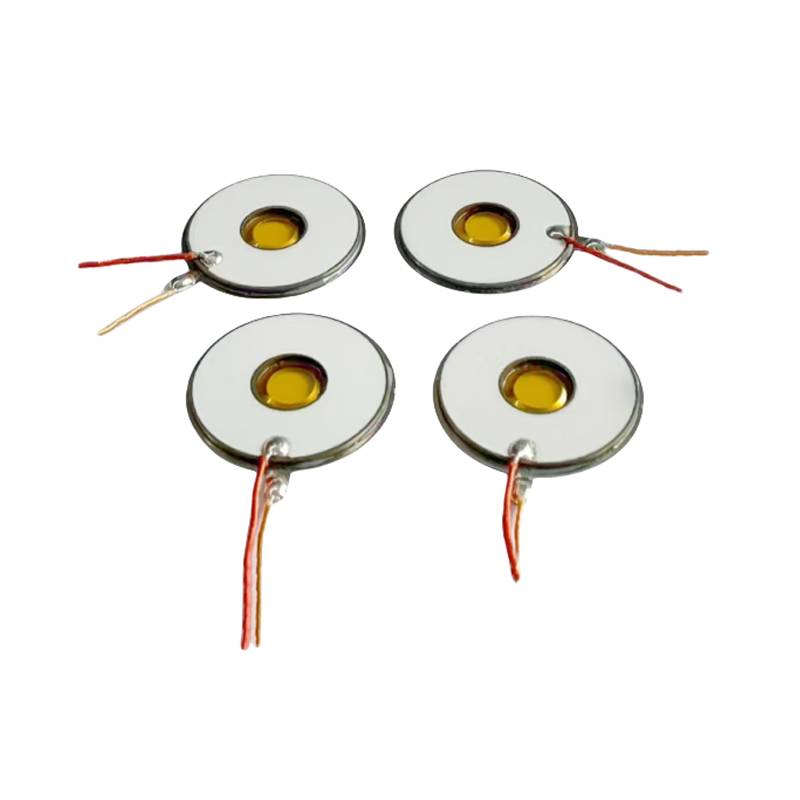
M16-108KHZ Polyimide PI MembraneMesh Micro Mesh NebulizerMedical NebulizerUltrasonic Mesh Nebulizer3μm Microporous Nebulizer Disc For Inhaler Nebulizer
-
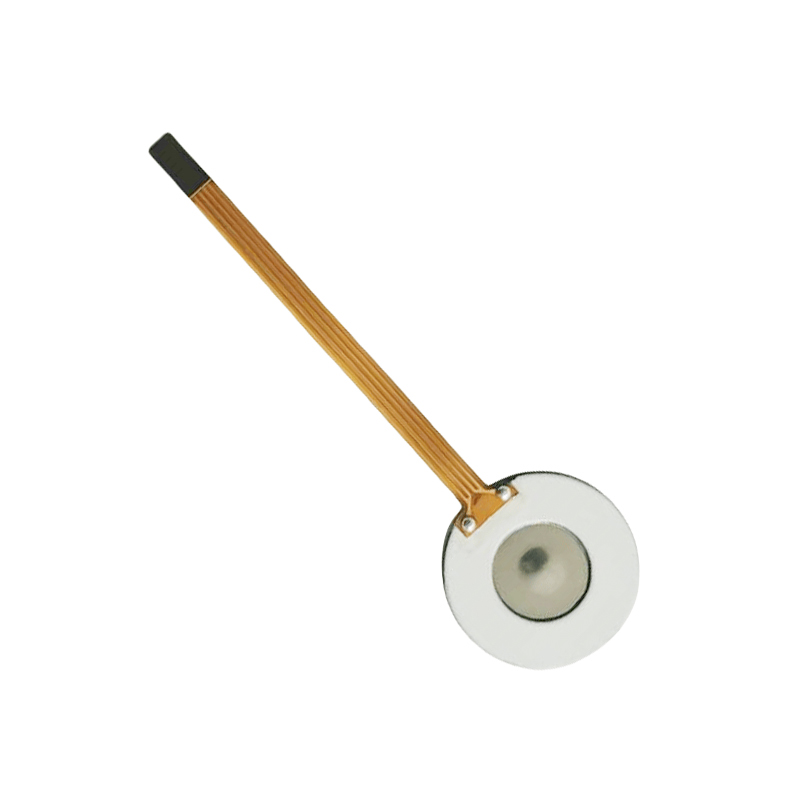
M16-110KHZ Polyimide PI MembraneMesh Micro Mesh NebulizerMedical NebulizerUltrasonic Mesh Nebulizer3μm Microporous Nebulizer Disc For Inhalation Nebulizer
-
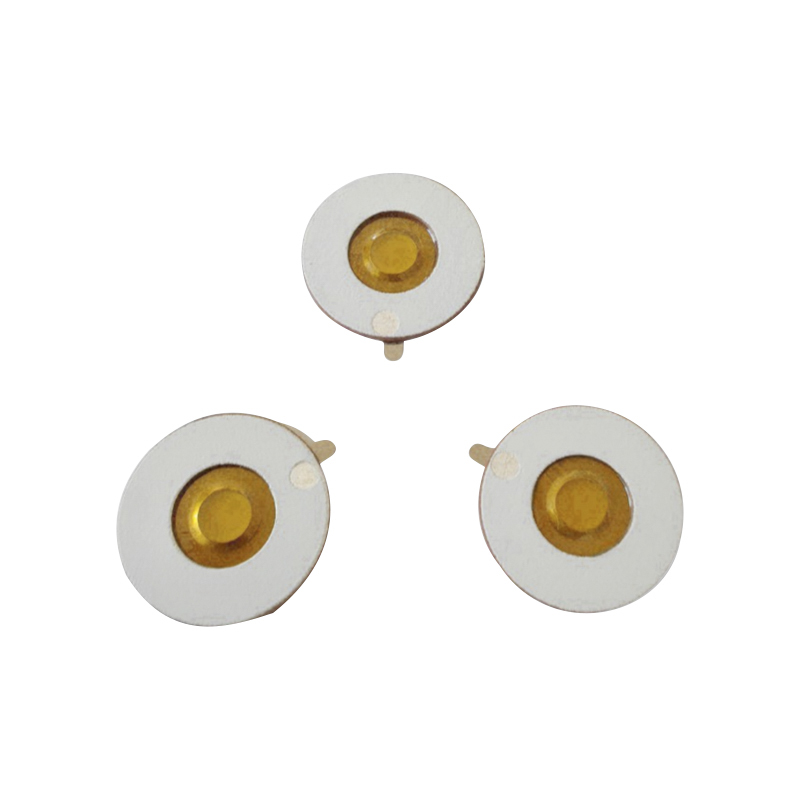
M16-108KHZ Polyimide PI MembraneMesh Micro Mesh NebulizerMedical NebulizerUltrasonic Mesh Nebulizer Tablet3μm Microporous Inhalation Budesonide Nebulizer Tray
- Quick Links
- Product
- About
- Application
- News
- Contact
- Product Links
- Medical Mesh Piezo Atomizer
- Polymer PI Film Piezo Atomizer
- KNN Lead-free Mesh Piezo Atomizer
- PI Lead Free Mesh Zeroing Chip
- Micro-mesh Piezo Atomizer For Heater
- Piezo Atomizer For Fan/Humidification/Beauty
- Ultrasonic Atomizing Transducer
- Ultrasonic High-frequency Piezo Atomizer
- Power Generation/Heating Sensor Piezo Atomizer
- Medical Piezo Atomizer PCB Design
- Precision Laser Micro-hole Processing Technology
- Contact
-
Building 1, Fortune Star 2, No.311 Huanzhen North Road, Chang'an Town, Haining City, Zhejiang Province, China.

-
+86-18006619680

-
+86-13777879680

-
Felix@saidapiezo.com

riney@saidapiezo.com
yugao@saidapiezo.com
emily@saidapiezo.com
dean@saidapiezo.com -
Felix: +86 18157327658

John: +86 18957351358
Emily: +86 18957339358
Dean: +86 15356418868
- Mobile