


 English
 中文简体
中文简体In the realm of modern atomization technology, the ability to transform liquid into a fine, airborne mist without relying on heat or chemical additives has revolutionized multiple industries. At the heart of this innovation is a compact yet highly efficient device known as the ultrasonic mist maker. This technology utilizes high-frequency sound waves to break apart water molecules, creating a dense, cool fog that mimics natural atmospheric moisture. Understanding the underlying mechanics, core components, and practical applications of this technology reveals why it has become an indispensable tool in both commercial and residential environments.
The Core Concept of Ultrasonic Atomization
To understand how an ultrasonic mist maker operates, it is essential to first grasp the concept of ultrasonic sound waves. Sound waves are vibrations that travel through a medium, such as air or water. While the human ear can typically perceive sounds within a frequency range of 20 Hz to 20,000 Hz, ultrasonic waves operate far above this threshold, usually starting at 20,000 Hz (20 kHz) and extending up into the megahertz range.
An ultrasonic mist maker leverages these ultra-high-frequency vibrations to achieve liquid atomization. Instead of boiling water to create steam, which requires significant thermal energy and alters the temperature of the surrounding environment, the device mechanical separates water into microscopic droplets. This process is highly energy-efficient and results in a “cool mist” that retains the exact temperature of the source liquid.
Key Components of an Ultrasonic Mist Maker
A standard ultrasonic mist maker consists of several precisely engineered components working in tandem. Each part plays a critical role in ensuring the stable generation of mist.
- The Electronic Driver Board: This component acts as the brain of the device. It converts standard electrical current into a high-frequency alternating current matchable to the resonant frequency of the atomizing element.
- The Piezoelectric Transducer: Often referred to as the ceramic disc, this is the core element responsible for the physical transformation of electrical energy into mechanical movement.
- The Water Level Sensor: A safety mechanism built into most industrial and commercial mist makers. It detects the presence of sufficient liquid and automatically deactivates the transducer if the water level drops too low, preventing dry-burning and subsequent hardware damage.
- The Metal Housing: Usually constructed from corrosion-resistant materials like stainless steel or brass, the housing protects the internal electronics from moisture ingress and structural wear.
Step-by-Step Mechanics of Mist Generation
The transformation from static liquid to a flowing mist happens almost instantaneously through a sequence of physical phenomena:
Electrical Excitation
When the device is powered on, the electronic driver board sends a high-frequency electrical signal to the piezoelectric ceramic disc. This signal typically oscillates at a frequency between 1.6 MHz and 2.4 MHz.
Piezoelectric Vibration
The ceramic disc exhibits the piezoelectric effect, meaning it changes shape rapidly when subjected to an alternating electrical field. The disc expands and contracts millions of times per second, creating powerful mechanical oscillations.
Cavitation and Surface Waves
These high-frequency vibrations are transferred directly to the water layer sitting above the disc. As the sound waves pass through the liquid, they create alternating zones of high and low pressure. In the low-pressure zones, microscopic vacuum bubbles form and violently collapse. This phenomenon is known as cavitation. Simultaneously, capillary waves form on the surface of the water.
Droplet Detachment
When the energy of the surface waves reaches a critical threshold, the crests of these waves break apart. The momentum forces tiny droplets to detach from the liquid surface, lifting them into the air as a fine, uniform vapor.
Technical Specifications and Characteristics
The performance of an ultrasonic mist maker is determined by its frequency, power consumption, and structural design. Below is an overview of the typical operational characteristics found across standard single and multi-head units:
| Feature | Single-Head Module | Multi-Head Module (Industrial) |
|---|---|---|
| Typical Frequency | 1.7 MHz or 2.4 MHz | 1.7 MHz |
| Droplet Size | 1 to 5 microns | 1 to 5 microns |
| Mist Output Volume | Lower (Ideal for localized use) | Higher (Ideal for large spaces) |
| Heat Generation | Minimal | Low to Moderate |
| Primary Material | Plastic or Chrome Plated | Stainless Steel |
Common Applications Across Industries
Due to their efficiency and precision, ultrasonic mist makers are utilized across a vast spectrum of fields:
Agriculture and Horticulture
In greenhouse cultivation and hydroponics, maintaining precise humidity levels is paramount for optimal plant growth. Ultrasonic mist makers provide a consistent moisture level without wetting the foliage excessively, reducing the risk of fungal diseases. They are also deployed in aeroponic systems to deliver nutrient-rich mist directly to plant roots.
Commercial Printing and Textiles
Static electricity and material shrinkage are major challenges in paper and textile manufacturing. By introducing a controlled cool mist into the facility, these devices stabilize relative humidity, eliminate static buildup, and ensure material integrity during processing.
Environmental Control and Aesthetics
In public spaces, theme parks, and landscape design, these modules are frequently used to create dramatic fog effects, simulate smoke safely, or lower ambient temperatures through evaporative cooling in dry climates.
Frequently Asked Questions
What type of water should be used in an ultrasonic mist maker?
It is highly recommended to use distilled or demineralized water. Tap water contains dissolved minerals such as calcium and magnesium. When the water is atomized, these minerals are released into the air and settle as a fine white dust on surrounding surfaces. Furthermore, mineral buildup on the ceramic disc reduces its lifespan and operational efficiency.
How long do the ceramic discs last, and can they be replaced?
The lifespan of a ceramic disc generally ranges from 3,000 to 5,000 hours of continuous operation, depending on water quality and maintenance frequency. Most commercial ultrasonic mist makers are designed with replaceable discs, allowing users to swap out worn components without replacing the entire module.
Does the mist maker increase room temperature?
No. Because the atomization process relies on mechanical vibration rather than thermal energy, the generated mist is cool. In fact, as the micro-droplets evaporate into the surrounding air, they can cause a slight lowering of the ambient temperature, operating on the principle of evaporative cooling.
Maintenance and Upkeep Guidelines
To ensure consistent mist volume and prolong the operational life of an ultrasonic mist maker, regular maintenance is required.
- Clean the Transducer regularly: Mineral scale can accumulate on the ceramic disc over time, dampening the ultrasonic vibrations. Cleaning the surface gently with a soft cloth and a mild descaling agent (such as diluted white vinegar) will restore performance.
- Avoid Dry Operation: Always ensure the water level sensor is unobstructed. Running the transducer without adequate water coverage causes immediate overheating and permanent component failure.
- Change the Water Frequently: Stagnant water can lead to the growth of bacteria and algae, which will be atomized into the air if the system is not flushed regularly.
Related Products
-
Humidifier Aromatherapy Humidifier Misting Tray PCB Board USB6V12V24V Five Head PCB Driver Board 10 Head Driver Board
-
Medical Inhalation Nebulizer Respirator Head-mounted Nebulizer PCB Driver B
-
Medical Mesh Atomizer Tray PCB Electronic Smoking Cessation Atomizer PCB Driver Board
-
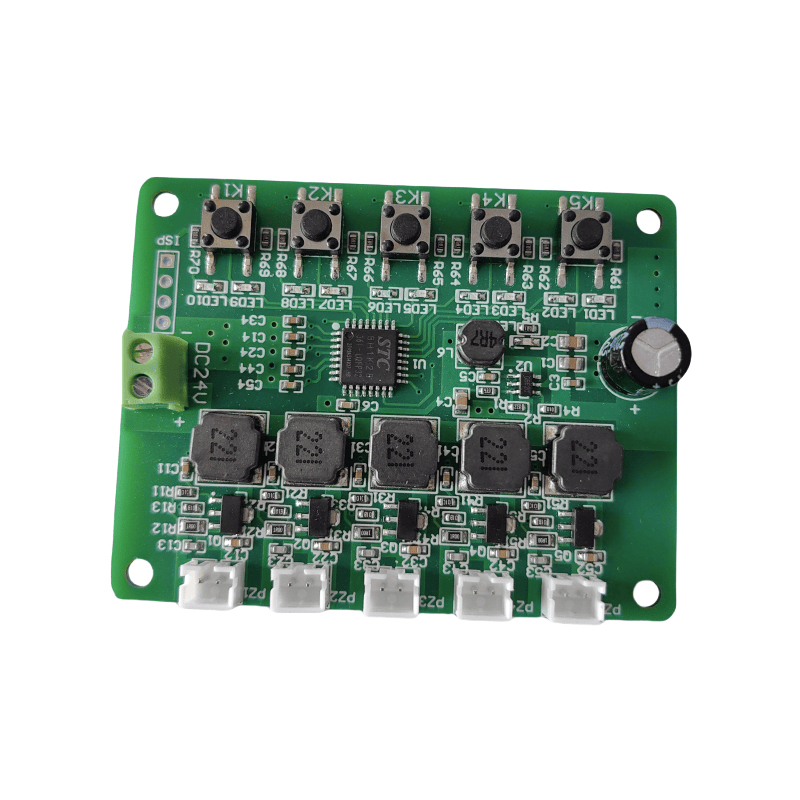
Driver Board For Humidifier Crescent PCB Board Timing 2/4h Function 1.5W
-
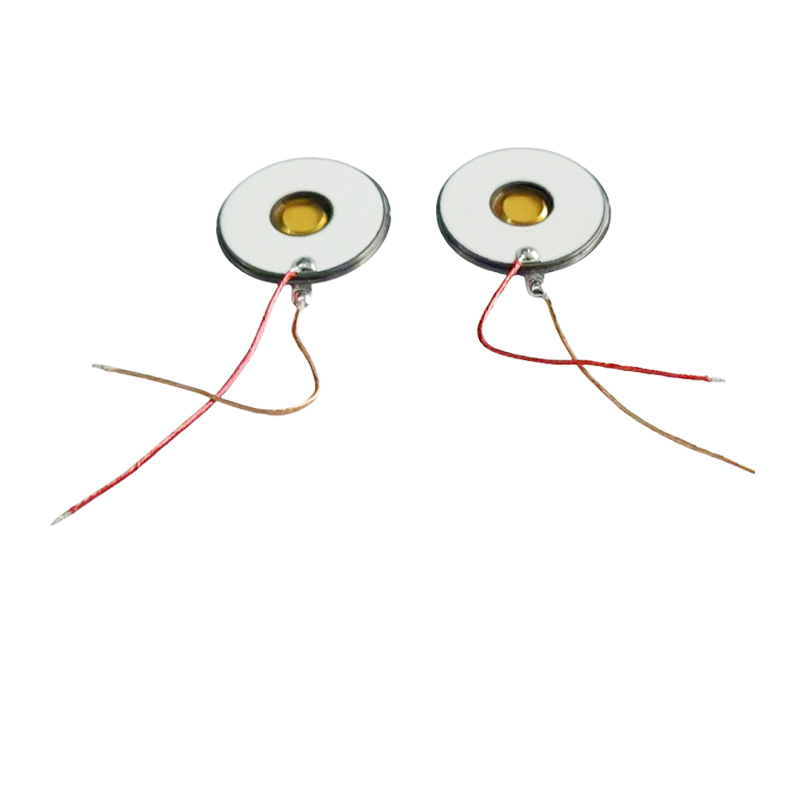
M16-108KHZ Polyimide PI MembraneMesh Micro Mesh NebulizerMedical NebulizerUltrasonic Mesh Nebulizer3μm Microporous Inhalation Nebulizer With Nebulizing DiscPower Consumption1~1.5W
-
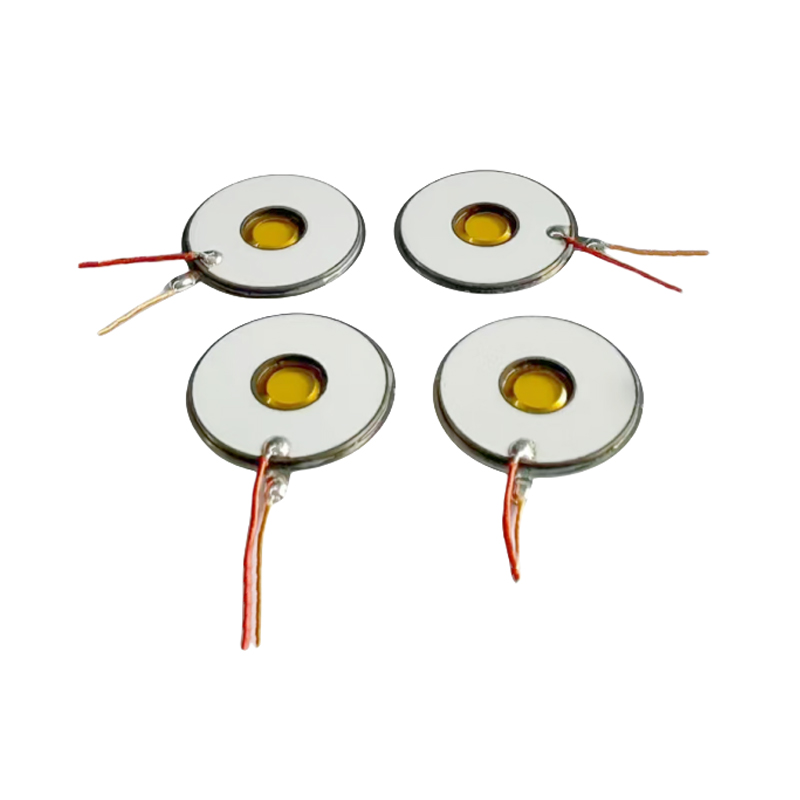
M16-108KHZ Polyimide PI MembraneMesh Micro Mesh NebulizerMedical NebulizerUltrasonic Mesh Nebulizer3μm Microporous Nebulizer Disc For Inhaler Nebulizer
-
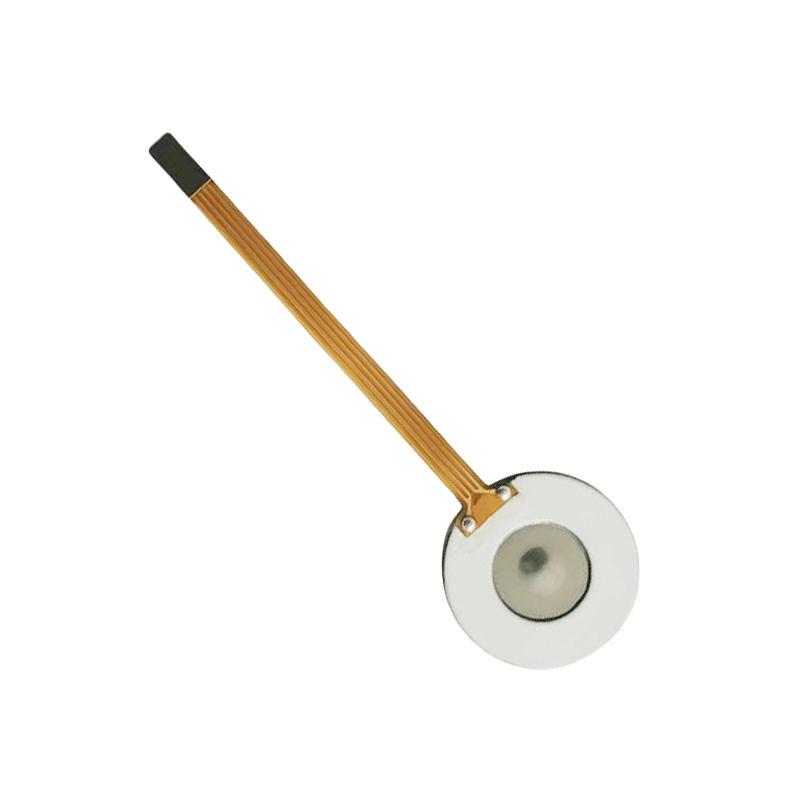
M16-110KHZ Polyimide PI MembraneMesh Micro Mesh NebulizerMedical NebulizerUltrasonic Mesh Nebulizer3μm Microporous Nebulizer Disc For Inhalation Nebulizer
-
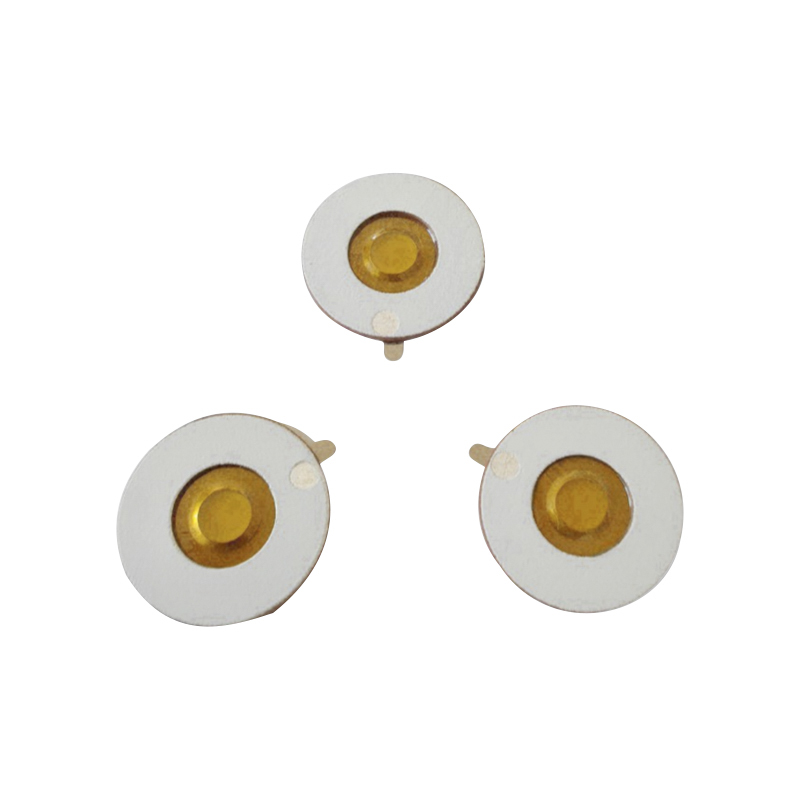
M16-108KHZ Polyimide PI MembraneMesh Micro Mesh NebulizerMedical NebulizerUltrasonic Mesh Nebulizer Tablet3μm Microporous Inhalation Budesonide Nebulizer Tray
- Quick Links
- Product
- About
- Application
- News
- Contact
- Product Links
- Medical Mesh Piezo Atomizer
- Polymer PI Film Piezo Atomizer
- KNN Lead-free Mesh Piezo Atomizer
- PI Lead Free Mesh Zeroing Chip
- Micro-mesh Piezo Atomizer For Heater
- Piezo Atomizer For Fan/Humidification/Beauty
- Ultrasonic Atomizing Transducer
- Ultrasonic High-frequency Piezo Atomizer
- Power Generation/Heating Sensor Piezo Atomizer
- Medical Piezo Atomizer PCB Design
- Precision Laser Micro-hole Processing Technology
- Contact
-
Building 1, Fortune Star 2, No.311 Huanzhen North Road, Chang'an Town, Haining City, Zhejiang Province, China.

-
+86-18006619680

-
+86-13777879680

-
Felix@saidapiezo.com

riney@saidapiezo.com
yugao@saidapiezo.com
emily@saidapiezo.com
dean@saidapiezo.com -
Felix: +86 18157327658

John: +86 18957351358
Emily: +86 18957339358
Dean: +86 15356418868
- Mobile