


 English
 中文简体
What Makes a Good PI Lead Free Mesh Zeroing Chip? A Buyer Guide for Mesh Nebulizer Discs
When a Small Disc Decides the Whole Device
In many compact devices, the most influential part is also the smallest. A mesh nebulizing disc sits between the liquid reservoir and the air outlet. Its vibration pattern and hole geometry determine how large droplets are, how quickly liquid passes through, and how long the device can run before performance drifts. Engineers designing portable inhalers, facial mist sprayers, or aromatherapy diffusers often spend more review time on this single module than on almost any other part.
This guide focuses on one specific option, the PI lead free mesh zeroing chip, a lead-free piezoelectric mesh assembly built from three materials: a polyimide film carrier, a 316L stainless steel perforated mesh, and KNN lead-free ceramic drive elements. Rather than listing features, the sections below explain how each layer works, what the datasheet numbers mean in practice, and how to match a component to the requirements of a real product.
Whether you are building a first prototype or comparing quotations as a sourcing manager, the same questions tend to come up. Which frequency suits my reservoir design? How much does particle size matter for my target use? What should I verify before committing to volume production? The answers are more straightforward than many technical brochures suggest.
Three Layers, Three Jobs
A zeroing mesh chip looks like a thin colored disc, but it is really a stack of three functional layers. Each layer solves a different problem, and understanding how the work is divided makes the datasheet much easier to read.
The Ceramic Drive Layer
The bottom layer is a lead-free piezoelectric ceramic, here based on a KNN formulation. When an alternating electrical signal is applied, the ceramic expands and contracts at the set operating frequency, generating mechanical vibration. Lead-free chemistry removes a restricted substance from the device, which simplifies compliance paperwork for markets with strict hazardous material rules and reduces disposal concerns at the end of the product life.
The Polyimide Carrier Film
The middle layer is a polyimide film. It bonds the ceramic to the mesh and acts as both an electrical insulator and a chemical barrier. Polyimide tolerates a very wide temperature range, from well below freezing to several hundred degrees Celsius, so the assembly can survive sterilization cycles and storage in hot or cold environments without deforming. Its resistance to many solvents and aqueous solutions also protects the ceramic from the liquids it is designed to atomize.
The Zeroing Mesh Layer
The top layer is a 316L stainless steel mesh with laser-perforated micro holes. This grade is a common choice for medical and personal care contact materials because it resists corrosion from saline solutions and many formulated liquids. The term zeroing refers to a manufacturing approach in which hole geometry is calibrated to a reference state before assembly, so output from one disc to the next stays close to the design target.
Reading the Datasheet Without Guesswork
A datasheet can look like a list of unrelated numbers. In practice, each parameter constrains a different part of your design. The table below summarizes the core values for the 16-145K-KMM variant and explains what each one changes in a finished device.
| Parameter | Typical Value | What It Changes |
|---|---|---|
| Model | 16-145K-KMM | Identifies the variant and its test profile |
| Operating frequency | 140 kHz | Sets the vibration rate that drives droplet formation |
| Atomization rate | Above 0.30 under standard test conditions | Indicates output capacity per unit of time |
| Particle size (MMAD) | Under 4 micrometers | Shows how deep droplets can travel in the airway or onto skin |
| Working power | 1.5 W with a 0.5 W tolerance | Guides battery and driver circuit design |
| Core materials | 316L stainless steel, PI film, KNN lead-free ceramic | Determines chemical resistance and compliance |
Three numbers tend to drive most early decisions, but none of them should be read in isolation. Frequency, power, and particle size interact closely, so a change in one usually requires checking the others.
Why Frequency Must Match the Reservoir and Airflow
Frequency sets how many vibration cycles occur each second. Higher frequencies generally produce finer droplets, but they also change how much liquid passes through the mesh during each cycle. At 140 kHz, the chip targets a fine mist range that suits inhalation and facial spray uses. Designers should confirm that the driver circuit, reservoir geometry, and airflow path all support this value, because a mismatch often appears as uneven output rather than an outright failure.
Why Power Budget Deserves Early Attention
The rated working power of about 1.5 W, with a tolerance of 0.5 W, is an important planning figure for battery-powered devices. The driver must sustain stable atomization across the battery voltage curve, which typically falls as a cell discharges. A driver designed only for peak conditions may hold output steady for a few minutes and then deliver a noticeably weaker mist as the battery weakens. Testing the full discharge range is a far more reliable check than a single bench measurement at full charge.
How Zeroing Mesh Design Shapes Droplet Size
Droplet size is not determined by frequency alone. Hole geometry, surface finish, and the consistency of the perforation process all influence the particle size distribution. Two discs running at the same frequency can produce noticeably different mists if their holes differ even slightly.
Hole Uniformity Drives the Size Distribution
In a typical production comparison, a variation of around 20 percent in hole diameter across a single mesh can widen the particle size spread enough to change how much medication or fragrance reaches the target area. The narrower the distribution, the more predictable the delivered dose. This is why the zeroing approach concentrates on calibrating hole geometry before the disc leaves the production line, rather than relying on post-assembly adjustment.
The Meaning of MMAD in Practice
Mass median aerodynamic diameter, or MMAD, describes the particle size at which half of the aerosol mass is made up of larger particles and half of smaller ones. For this chip, the specification calls for a value under 4 micrometers. Particles in that range are small enough to reach deeper regions of the airway, which matters for inhalation products, while remaining suitable for fine facial mist. Engineers should always ask for the test method and conditions behind an MMAD figure, since results depend heavily on the measurement setup, including airflow rate and the instrument used.
Output Stability Over the Product Life
Stable output over time depends on how well the mesh resists clogging and how consistently the ceramic maintains its vibration characteristics under repeated cycles. The liquid formulation matters as well. Viscous or high-salt solutions can slow output, and residue can gradually build up on the mesh surface. Designers should define a cleaning routine for end users and request durability data that reflects their actual formulation, not only results from water-based tests.
Material Choices and Their Practical Consequences
Each material in the stack carries trade-offs. Understanding them helps you decide where to accept limitations and where to insist on a specific grade or documentation level.
- Polyimide film: excellent thermal and chemical resistance, but it requires careful lamination control so that layers do not separate during repeated heating.
- 316L stainless steel: strong corrosion resistance and a well-established record in contact applications, although its surface finish affects both cleaning ease and droplet formation.
- KNN lead-free ceramic: environmentally favorable with stable piezoelectric behavior, but its response characteristics must be matched to the driver design rather than assumed from older lead-based references.
When reviewing a supplier's material declaration, ask for documentation covering each layer separately. A general statement that a product is compliant is far less useful than layer-level data that maps directly to your target market requirements.
Where the Chip Fits in Real Products
The same type of chip can serve several product categories, but design priorities shift from one to another. The following scenarios show how requirements differ.
- Portable medical nebulizers: fine and consistent particle size, reliable performance on battery power, and compatibility with cleaning and sterilization routines.
- Beauty and facial mist devices: a gentle, even spray pattern and a compact footprint that fits slim handheld bodies.
- Humidifiers and aromatherapy diffusers: steady output at low noise, with attention to how essential oil blends and water quality affect the mesh over time.
- Personal care atomizing tools: durable components that tolerate frequent use, travel, and regular cleaning.
Consider a hypothetical example. A small team developing a handheld mist device found that its first prototype delivered a strong initial spray that weakened after several minutes. The root cause was a driver that could not sustain power as the battery voltage fell. After adjusting the driver to hold output across the full discharge curve, the measured output stayed within a narrow band for the entire session. The fix required no change to the mesh itself, which illustrates why system-level testing matters as much as component selection.
Key takeaway: the best component is the one that fits your power budget, liquid chemistry, and cleaning routine together, not the one with the most impressive single number on its datasheet.
A Practical Selection Framework
A simple sequence keeps selection decisions organized and reduces the risk of late redesigns. Work through the steps in order, because each choice narrows the options available for the next one.
Each step produces a concrete output that you can record and review with your engineering and purchasing teams. The list below expands on what each stage should answer.
- Define the target output rate and the particle size range your device must achieve, based on its intended use and delivery method.
- Confirm that the frequency, working power, and driver design fit together across the full battery discharge range.
- Verify material declarations and regional compliance requirements for every market you plan to enter.
- Qualify the supplier through samples, layer-level documentation, production consistency checks, and any custom wire harness or mesh specification changes.
Sourcing, Sampling and Quality Control
When you compare a lead-free nebulizer disc from different suppliers, a physical sample is more informative than any datasheet alone. Request enough units to test under the same conditions your device will face, including your actual liquid formulation, operating temperature range, and cleaning routine. A useful sample plan includes output measurements at several points during a full battery cycle, a clogging test with your formulation, and a repeat run after cleaning.
Look for these signs of a mature production process:
- Documented incoming inspection for hole geometry and ceramic response.
- Batch traceability, so that a field issue can be linked back to a specific production run.
- Clear separation between prototype builds and volume production, with written change notices when materials or process steps are updated.
- Willingness to discuss custom wire harness lengths, connector types, and parameter adjustments before a purchase order is placed.
Volume planning matters as well. Minimum order quantities, lead times, and sample policies vary by supplier and by the level of customization requested. Ask for these terms in writing alongside the technical specification, so that commercial and engineering decisions are made from the same document. A mesh atomizer disc supplier that answers these questions clearly is usually easier to work with throughout a product life cycle.
Common Pitfalls to Avoid
Most selection problems are not caused by the component itself but by how it was evaluated. These are the mistakes that appear most often in early-stage projects.
- Choosing by unit price alone: a lower price can hide inconsistent hole geometry, which increases rework and field complaints later.
- Testing only with water: real formulations can change output, clogging behavior, and cleaning requirements significantly.
- Ignoring the driver: even a well-made disc will underperform if the electronics cannot match its frequency and power needs.
- Skipping compliance review: restricted substance requirements differ by market, and a late discovery can delay a product launch.
- Accepting general claims: request the test method, conditions, and supporting data behind every performance figure.
Frequently Asked Questions
Q1: What is a PI lead free mesh zeroing chip?
It is a lead-free piezoelectric mesh assembly used in mesh nebulizers and similar atomization devices. It combines a polyimide carrier film, a laser-perforated 316L stainless steel mesh, and KNN lead-free ceramic drive elements, which together produce fine and consistent droplets from liquid. Its practical value lies in the combination of compliance, chemical resistance, and calibrated output.
Q2: What frequency does the 16-145K-KMM model operate at?
The model is rated at about 140 kHz. This frequency is suited to fine mist generation, and designers should match the driver circuit and reservoir design to this value in order to achieve stable and even output.
Q3: Which products typically use this type of chip?
Common applications include portable medical nebulizer devices, facial mist sprayers, humidifiers, aromatherapy diffusers, and personal care atomizing equipment. The best fit depends on particle size needs, the available power budget, and the chemistry of the liquid being atomized.
Q4: Can I request samples before placing an order?
Sampling is one of the most effective ways to evaluate a component. A sample set allows your team to test output, particle behavior, and durability using your own formulation and driver. Share your intended test conditions in advance so that the feedback you receive is meaningful for your application.
Q5: Is customization available for specific device requirements?
Customization options typically cover parameter adjustments, wire harness length and connector types, and changes to the mesh specification. Discuss your target performance and integration constraints early, because changes to the mesh or driver interface affect lead times and validation effort.
Q6: What factors influence the minimum order quantity?
Minimum order quantity usually depends on whether the component is a standard specification or a customized build, the complexity of the requested changes, and the production schedule at the time of ordering. Standard specifications generally support smaller starting volumes than custom builds, so confirm the terms in writing before planning a launch.
Putting the Decision Together
Choosing the right mesh component comes down to matching a small set of measurable requirements with the realities of your device. Frequency, power, particle size, materials, and compliance should all be evaluated together rather than one at a time. A well-chosen component reduces rework, supports regulatory compliance, and keeps output consistent over the life of the product.
If you are shortlisting candidates, use the framework in this guide to structure your questions and compare answers on equal terms. Request the same sample conditions, the same documentation, and the same commercial terms from every source. The comparison will then reflect real engineering differences rather than differences in how each proposal was presented.
Before you commit to volume, confirm that your sample results, layer-level material declarations, and written commercial terms all describe the same product configuration.
Related Products
-
Humidifier Aromatherapy Humidifier Misting Tray PCB Board USB6V12V24V Five Head PCB Driver Board 10 Head Driver Board
-
Medical Inhalation Nebulizer Respirator Head-mounted Nebulizer PCB Driver B
-
Medical Mesh Atomizer Tray PCB Electronic Smoking Cessation Atomizer PCB Driver Board
-
Driver Board For Humidifier Crescent PCB Board Timing 2/4h Function 1.5W
-
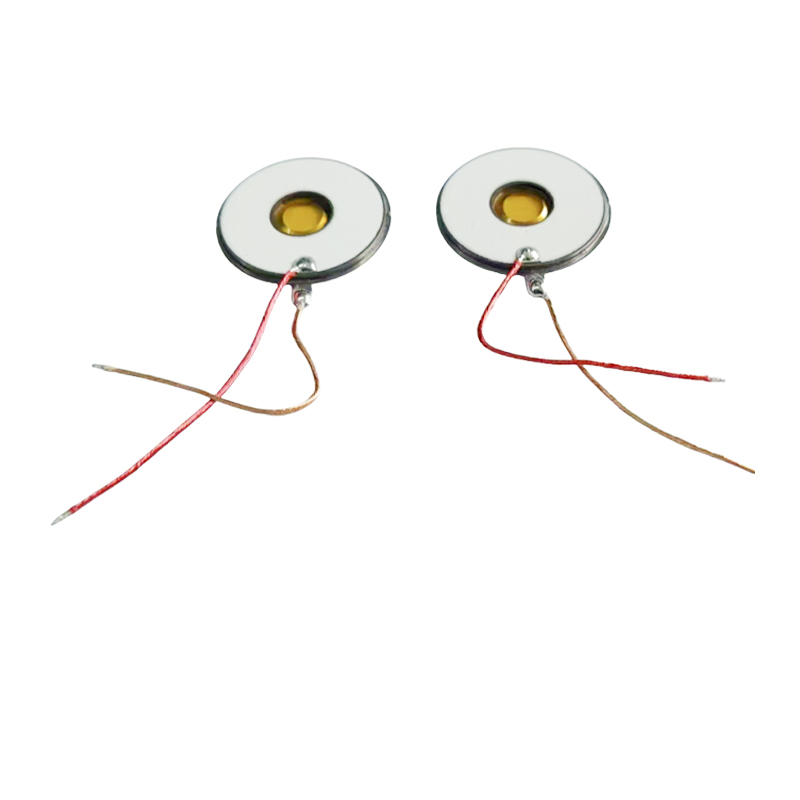
M16-108KHZ Polyimide PI MembraneMesh Micro Mesh NebulizerMedical NebulizerUltrasonic Mesh Nebulizer3μm Microporous Inhalation Nebulizer With Nebulizing DiscPower Consumption1~1.5W
-
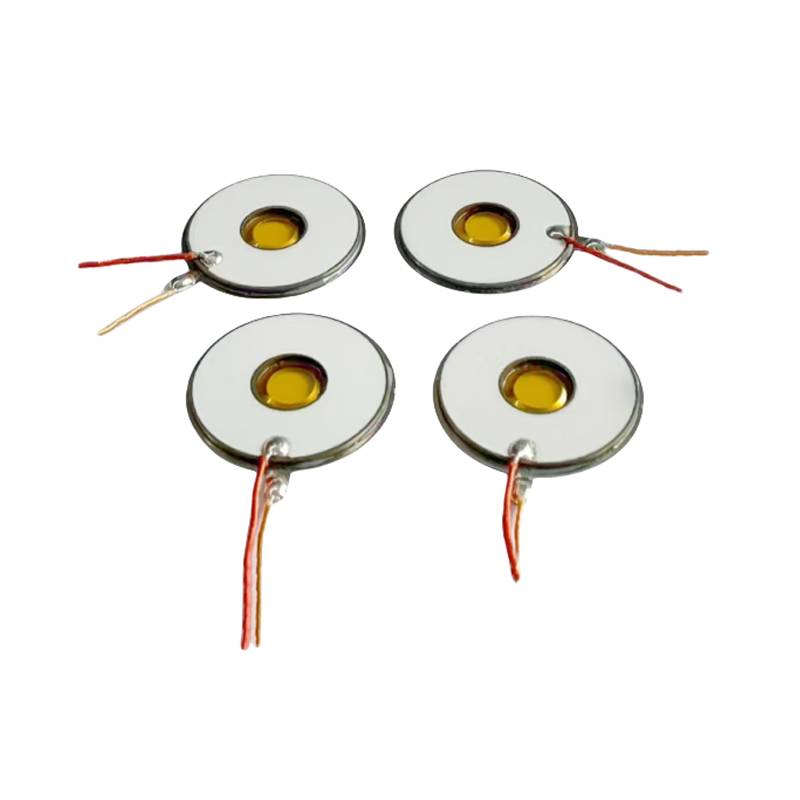
M16-108KHZ Polyimide PI MembraneMesh Micro Mesh NebulizerMedical NebulizerUltrasonic Mesh Nebulizer3μm Microporous Nebulizer Disc For Inhaler Nebulizer
-
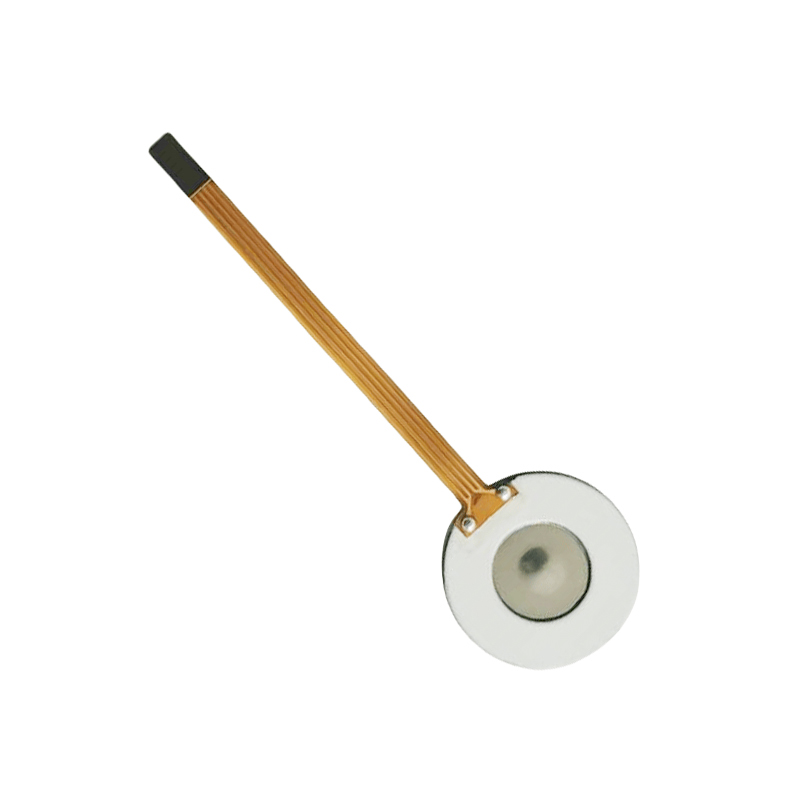
M16-110KHZ Polyimide PI MembraneMesh Micro Mesh NebulizerMedical NebulizerUltrasonic Mesh Nebulizer3μm Microporous Nebulizer Disc For Inhalation Nebulizer
-
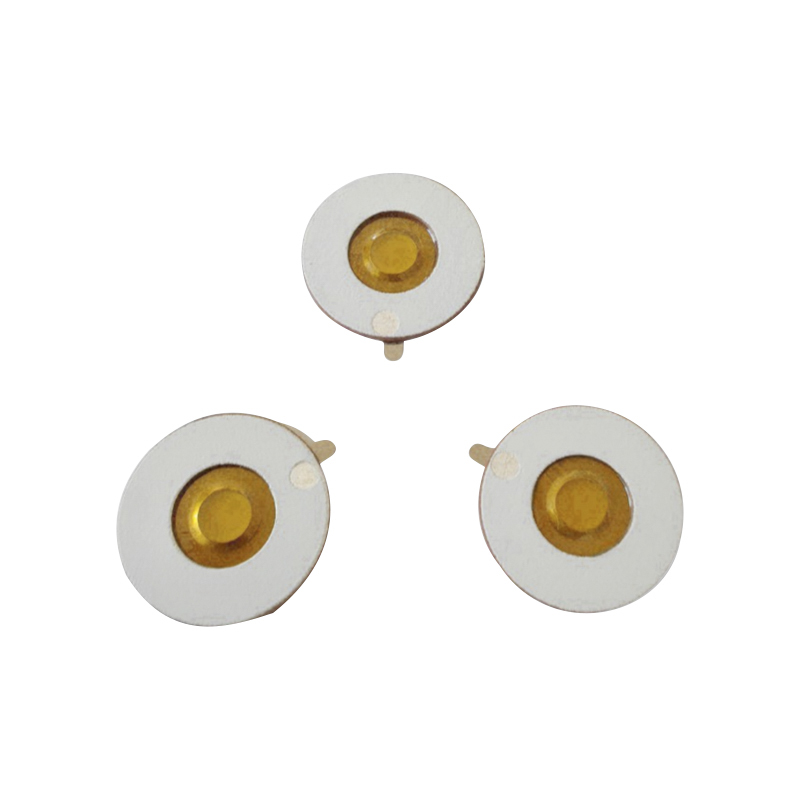
M16-108KHZ Polyimide PI MembraneMesh Micro Mesh NebulizerMedical NebulizerUltrasonic Mesh Nebulizer Tablet3μm Microporous Inhalation Budesonide Nebulizer Tray
- Quick Links
- Product
- About
- Application
- News
- Contact
- Product Links
- Medical Mesh Piezo Atomizer
- Polymer PI Film Piezo Atomizer
- KNN Lead-free Mesh Piezo Atomizer
- PI Lead Free Mesh Zeroing Chip
- Micro-mesh Piezo Atomizer For Heater
- Piezo Atomizer For Fan/Humidification/Beauty
- Ultrasonic Atomizing Transducer
- Ultrasonic High-frequency Piezo Atomizer
- Power Generation/Heating Sensor Piezo Atomizer
- Medical Piezo Atomizer PCB Design
- Precision Laser Micro-hole Processing Technology
- Contact
-
Building 1, Fortune Star 2, No.311 Huanzhen North Road, Chang'an Town, Haining City, Zhejiang Province, China.

-
+86-18006619680

-
+86-13777879680

-
Felix@saidapiezo.com

riney@saidapiezo.com
yugao@saidapiezo.com
emily@saidapiezo.com
dean@saidapiezo.com -
Felix: +86 18157327658

John: +86 18957351358
Emily: +86 18957339358
Dean: +86 15356418868
- Mobile