


 English
 中文简体
中文简体What Makes PI Lead Free Mesh Zeroing Chip the Future of Safe Medical Atomization Technology
Understanding PI Lead Free Mesh Zeroing Chips: The Foundation of Modern Medical Nebulization
Medical nebulization technology demands precision at the molecular level. At the heart of every advanced PI lead free mesh zeroing chip lies an engineered solution that balances three critical demands: compliance with environmental regulations, consistency in particle generation, and reliability in clinical settings.
A PI lead free mesh zeroing chip functions as the core actuator in medical nebulizers, ultrasonic atomizers, and aerosol delivery systems. Unlike legacy components that rely on lead-containing piezoelectric ceramics, this advanced architecture combines polyimide film protection with potassium sodium niobate (KNN) lead-free ceramic elements and 316L stainless steel microstructures. This combination eliminates toxic lead exposure while maintaining the vibrational precision required for uniform drug particle distribution.
The term "zeroing" does not imply reset functionality. Instead, it describes the precision manufacturing process that eliminates dimensional variance in mesh apertures. When mesh openings deviate even slightly from their nominal geometry, the resulting aerosol exhibits particle size variance, directly affecting clinical outcomes. Zeroing technology ensures that each microhole aligns with zero tolerance offset, enabling consistent particle generation across millions of vibration cycles.
For procurement professionals and medical device manufacturers, selecting a lead-free mesh nebulizer disc now represents a strategic necessity rather than an optional upgrade. Global market regulations, healthcare facility policies, and competitive positioning all converge on this single component. This guide explores why, how, and what to evaluate when sourcing these critical elements.
Why Lead-Free Compliance Has Become Non-Negotiable in Medical Atomization
The Regulatory Landscape Driving Industry Transition
The restriction of hazardous substances (RoHS) directive represents one of the most significant regulatory shifts in medical device manufacturing over the past two decades. Originally implemented in the European Union, RoHS and similar frameworks have expanded globally, affecting not only medical equipment destined for EU markets but also systems exported to North America, Asia-Pacific, and emerging economies.
Traditional piezoelectric components relied on lead zirconate titanate (PZT) formulations to achieve the high coupling coefficients necessary for efficient electromechanical conversion. Lead content typically ranged from 45 to 65 percent by weight in these legacy ceramics. Medical nebulizers incorporating such components faced export barriers, regulatory re-certification costs, and reputational risk in environmentally conscious markets.
The transition to lead-free technologies is not merely a compliance checkbox. Medical facilities increasingly implement environmental health and safety (EHS) protocols that restrict component sourcing to suppliers with certified lead-free manufacturing. Healthcare systems managing exposure risks for their workforce and communities have begun rejecting devices with legacy materials, creating market pressure independent of formal regulation.
Material Safety in Therapeutic Drug Delivery
Beyond regulatory compliance, the biocompatibility argument addresses a clinical reality: pharmaceutical aerosols must remain chemically inert as they pass through the component system. Lead-containing ceramics present two hazards: potential leaching under acidic conditions (some nebulized medications are pH-sensitive) and surface contamination during manufacturing or device assembly.
KNN-based lead-free ceramics eliminate these pathways entirely. Potassium sodium niobate offers comparable piezoelectric coefficients to legacy PZT materials while introducing no toxic elements into the drug delivery pathway. Combined with medical-grade 316L stainless steel mesh, this material selection creates a biocompatible platform suitable for direct patient contact applications.
The polyimide (PI) film layer serving as the component's surface further isolates the ceramic actuator from the liquid medication chamber, providing an additional barrier against material migration. This multi-layer design reflects decades of medical device engineering focused on eliminating unintended chemical interactions.
The Polyimide Film Advantage: Precision Through Material Engineering
Thermal Stability and Chemical Resistance
Polyimide films represent a class of high-performance polymers engineered to withstand extreme thermal and chemical environments. In the context of medical atomization, PI film properties directly translate to operational reliability and drug compatibility.
PI films maintain structural integrity across a temperature range from negative 200 degrees Celsius to positive 300 degrees Celsius. This thermal window encompasses both clinical storage conditions (refrigerated medications) and sterilization protocols (autoclave cycles typically reaching 121-132 degrees Celsius). The material exhibits no phase transitions, dimensional instability, or mechanical property degradation within this span.
Chemical resistance testing demonstrates that PI films remain inert against a broad spectrum of pharmaceutical formulations, including aqueous solutions, alcoholic suspensions, and oil-based aerosols. This compatibility prevents the component from altering drug chemistry, which remains critical for medications with narrow therapeutic windows (inhaled corticosteroids, bronchodilators, antimicrobial agents).
Vibration Coupling and Particle Uniformity
The mesh atomization principle depends on precise control of acoustic vibration. When piezoelectric ceramic receives electrical excitation at resonant frequency (typically 110-180 kilohertz for medical nebulizers), the mesh membrane oscillates vertically, creating pressure waves that fragment liquid into microdroplets.
The polyimide film layer performs a critical mechanical function in this process. It couples vibration energy from the ceramic actuator to the mesh structure while simultaneously dampening high-frequency noise and harmonics that would otherwise produce irregular particle sizes. Think of the PI film as a vibration moderator, ensuring that the mesh receives clean, consistent energy input across its entire surface area.
This controlled energy transfer is why medical nebulizers incorporating PI film layers consistently achieve particle size distributions within the 1.0-5.8 micrometer range specified by pharmacopoeial standards. Devices using unprotected ceramic elements exhibit greater variance, with some particle fractions exceeding optimal inhalation range and others clustering too densely for effective lung delivery.
Durability and Reusability Economics
In clinical settings, particularly pulmonary departments and respiratory care facilities, nebulizers often serve multiple patients under sanitization protocols. The component must tolerate repeated exposure to high-temperature sterilization, ultrasonic cleaning, and chemical disinfectants.
Polyimide film demonstrates superior resistance to these stresses compared to unprotected ceramics. The material does not become brittle after autoclave cycles, does not absorb moisture that would compromise electrical properties, and does not develop stress fractures at edges exposed to alkaline cleaning solutions.
For hospitals and clinics managing reusable equipment, this durability directly reduces total cost of ownership. A single high-quality medical atomization chip can operate reliably through hundreds of sterilization cycles, whereas components lacking PI film protection often require replacement after 50-100 uses, significantly increasing consumables expense.
The Micro Mesh Structure: Engineering Atomization at the Micrometer Scale
Zeroing Mesh Architecture and Precision Manufacturing
The term "zeroing mesh" describes a manufacturing achievement rather than a functional feature. Each mesh structure contains hundreds of precisely formed apertures, typically ranging from 2.0 to 4.5 micrometers in diameter, arranged in geometric patterns optimized for droplet distribution.
Achieving zero tolerance in these apertures requires multi-step precision machining or electroforming processes. The 316L stainless steel substrate begins as a flat sheet, undergoes chemical etching or ion beam machining to create initial hole geometry, then receives precision finishing to eliminate surface roughness and dimensional drift. The tolerance specification typically holds variation to plus or minus 0.2 micrometers, representing accuracy equivalent to controlling human hair diameter to within thousandths of an inch.
Why does this precision matter clinically? Consider a nebulizer delivering a bronchodilator to a patient with asthma. The optimal particle size for lower airway deposition ranges from 2.5 to 5.0 micrometers. Particles larger than 6 micrometers deposit in the upper airway and mouth, wasting medication. Particles smaller than 1.0 micrometer remain suspended and exit the respiratory tract undeposited. A mesh with aperture drift causes heterogeneous droplet generation, wasting 15-25 percent of the medication charge through inefficient distribution patterns.
Clinical Implications of Particle Size Uniformity
Respiratory physiology and pharmacokinetics converge at the mesh level. When a nebulizer generates uniform particles aligned with the optimal inhalation window, clinical outcomes improve measurably. Patients require fewer inhalation attempts to achieve therapeutic blood levels, treatment duration decreases, and systemic side effects diminish due to more efficient local delivery.
For chronic obstructive pulmonary disease (COPD) management, this efficiency translates to improved patient compliance. A treatment that reduces from 8-10 minutes to 5-6 minutes increases the likelihood that patients will complete therapy, particularly among elderly or cognitively impaired populations.
Precision mesh structures also minimize medication waste. High-quality atomization chips deliver 90-95 percent of the prescribed dose to the target tissue, whereas devices with irregular meshes achieve only 70-80 percent efficiency. Over the course of a year, a hospital department using 50 nebulizers can save 20-30 percent of respiratory medication costs through component selection alone.
Reproducibility and Manufacturing Consistency
Medical device quality requires not merely that a single component meets specification, but that every unit produced in a manufacturing run demonstrates identical performance. This reproducibility demands process control far exceeding general industrial standards.
Advanced facilities implementing statistical process control (SPC), in-process quality verification, and traceability documentation ensure that mesh aperture geometry remains consistent across batches spanning years of production. Each finished component receives documentation of dimensional parameters, piezoelectric response characteristics, and electrical impedance measurements, enabling customers to verify performance before integration into finished devices.
Technical Specifications and Integration Requirements for Procurement
Core Material Composition and Performance Parameters
Understanding component specifications enables informed procurement decisions and facilitates technical discussions with manufacturing partners. The following table summarizes the essential parameters that distinguish high-performance PI lead free mesh zeroing chip solutions:
| Parameter | Specification | Clinical Significance |
|---|---|---|
| Piezoelectric Ceramic Material | KNN (Potassium Sodium Niobate) | Lead-free compliance, biocompatible |
| Surface Protection Layer | Polyimide (PI) Film | Chemical isolation, thermal stability |
| Mesh Substrate | 316L Stainless Steel | Corrosion resistance, biocompatible |
| Mesh Aperture Diameter | 2.0-4.5 micrometers | Controls particle size distribution |
| Dimensional Tolerance | +/- 0.2 micrometers | Ensures uniformity across mesh |
| Operating Temperature Range | -200 to +300 degrees Celsius | Covers storage and sterilization |
| Resonant Frequency | 110-180 kilohertz | Optimized for aerosol generation |
| Regulatory Compliance | RoHS certified, lead-free verified | Export and facility acceptance |
Application Scenarios and Device Compatibility
While medical nebulizers represent the primary application segment, lead-free mesh atomization technology serves multiple therapeutic and consumer markets:
- Medical Pulmonary Delivery Systems: Asthma inhalers, COPD nebulizers, cystic fibrosis aerosol generators
- Respiratory Immunotherapy: Vaccination platforms delivering adjuvanted antigens to respiratory mucosa
- Beauty and Aesthetic Devices: Facial hydration systems, micro-misting platforms, cosmetic serum delivery
- Humidification Systems: Ultrasonic humidifiers for residential and clinical environments
- Aromatherapy and Air Treatment: Essential oil diffusion, air purification integration
Each application segment presents distinct operating conditions. Medical devices demand the highest precision and sterilization compatibility, while consumer beauty applications prioritize aesthetic consistency and silent operation. Procurement teams should communicate their specific use case to ensure component selection addresses application-critical parameters.
Ordering Considerations and Supply Chain Strategy
When planning component procurement, several practical factors influence lead time, cost structure, and supply security:
- Minimum Order Quantities (MOQ): Typically range from 5,000 to 50,000 units depending on customization complexity and production scheduling
- Sample Availability: Most manufacturers support pre-production testing with small sample quantities, enabling validation before full commitment
- Lead Time Variation: Standard configurations typically require 8-12 weeks from order confirmation to delivery, with expedited options available at premium pricing
- Customization Flexibility: Mesh aperture diameter, resonant frequency, and electrical connector type can be adjusted, but modifications require additional engineering lead time
- Documentation and Certification: Medical applications necessitate complete traceability documentation, material certs, and testing reports, adding administrative lead time
Performance Comparison: Lead-Free Technology Versus Legacy Component Architectures
Understanding the performance differential between modern lead-free mesh components and legacy lead-based systems clarifies the technical and commercial rationale for the industry transition. The following comparison addresses key performance metrics relevant to medical device manufacturers and procurement professionals:
| Performance Metric | Lead-Free (KNN) Technology | Legacy PZT Technology |
|---|---|---|
| Piezoelectric Coupling Coefficient | 0.68-0.72 | 0.70-0.74 |
| Atomization Efficiency | 92-96 percent | 88-94 percent |
| Particle Size Consistency (CV) | 8-12 percent | 12-18 percent |
| Sterilization Cycle Tolerance | 500+ cycles | 200-300 cycles |
| Regulatory Compliance Barriers | None for major markets | RoHS re-certification required |
| Material Migration Risk | Eliminated by design | Potential lead leaching under pH stress |
| Long-Term Cost of Ownership | Lower due to extended reusability | Higher component replacement frequency |
The comparison reveals that modern lead-free technologies not only eliminate compliance barriers but also deliver measurable performance improvements in the metrics most relevant to clinical outcomes: atomization efficiency and particle size consistency. These improvements reflect decades of materials science advancement in developing piezoelectric ceramics that match or exceed the properties of their lead-containing predecessors.
Frequently Asked Questions About PI Lead Free Mesh Zeroing Chips
Q1: How does the lead-free design affect atomization performance compared to traditional components?
Modern KNN-based lead-free ceramics achieve piezoelectric coefficients within 95-98 percent of legacy PZT materials. When combined with precision mesh engineering and polyimide film protection, lead-free components often demonstrate superior atomization consistency. The PI film layer actually improves performance by providing more controlled vibration coupling than unprotected ceramic surfaces. Clinical studies have shown that modern lead-free nebulizers achieve equal or superior particle size uniformity, directly translating to improved therapeutic outcomes and reduced medication waste.
Q2: Can I request samples before committing to a bulk order?
Yes. Most manufacturers support sample programs specifically designed for pre-production validation. Sample quantities typically range from 100 to 1,000 units, sufficient for design integration, electrical characterization, sterilization compatibility testing, and initial clinical evaluation. Sample lead times generally run 3-4 weeks from order confirmation. This sample availability eliminates purchasing risk and enables your engineering team to verify performance against application requirements before finalizing volume commitments. When requesting samples, provide application specifications including intended resonant frequency, mesh aperture size, and sterilization exposure frequency to ensure sample components match your production requirements.
Q3: What minimum order quantity should I anticipate?
Minimum order quantities (MOQ) vary based on customization level and production scheduling. Standard configurations typically carry MOQ values of 10,000 to 25,000 units, enabling manufacturers to establish efficient production runs and justify setup costs. Highly customized components (non-standard mesh geometry, specialized electrical interfaces, or rare frequency targets) may require higher MOQ values, sometimes reaching 50,000 units. Conversely, manufacturers may offer reduced MOQ for components that align with their existing production platforms. Direct discussion with sales engineering teams can often identify solutions that balance your volume requirements with production economics.
Q4: What lead times should I expect for production orders?
Standard lead times for established configurations typically run 8-12 weeks from purchase order confirmation to delivery. This timeline encompasses material procurement, precision manufacturing, quality verification testing, and documentation preparation. Expedited delivery options may be available at premium pricing for delivery within 6-8 weeks. For customized components requiring design modifications or new tooling, lead times can extend to 16-20 weeks. International shipping typically requires an additional 2-4 weeks depending on destination and customs processing. When planning product launches or supply chain activities, account for these timelines and communicate urgency during initial vendor evaluation to identify the most time-efficient sourcing partners.
Q5: How do I ensure that samples meet my application requirements?
Comprehensive pre-production evaluation encompasses electrical, mechanical, and compatibility testing. Request that sample components include impedance measurements, resonant frequency characterization, and sterilization compatibility documentation. Integrate samples into your assembled device and conduct functional testing under actual operating conditions. Evaluate particle size distribution using laser diffraction or other appropriate analytical methods. Assess vibration consistency over extended runtime periods and verify sterilization tolerance if your application involves reusable devices. Most professional manufacturers provide complete technical documentation supporting these validation activities and can recommend third-party testing laboratories if independent verification is required.
Q6: How are RoHS and lead-free compliance verified?
Reputable manufacturers provide comprehensive compliance documentation including material composition certificates, manufacturing process certifications, and third-party testing results confirming the absence of restricted substances. Request specific verification that certifications cover all restricted substances listed in applicable RoHS directives (lead, cadmium, mercury, hexavalent chromium, and brominated flame retardants). Documentation should also verify that manufacturing processes maintain lead-free integrity throughout production and assembly. For medical device applications, regulatory bodies may require traceability extending to raw material suppliers, necessitating comprehensive chain-of-custody documentation. Professional manufacturers maintain this documentation as a standard business practice.
Q7: Can these components be customized for specific frequency or mesh requirements?
Yes, within reasonable engineering constraints. Resonant frequency can be adjusted by modifying ceramic thickness or backing layer composition, typically enabling frequency ranges spanning 80-200 kilohertz. Mesh aperture diameter and geometry can be customized to achieve target particle size distributions for specific therapeutic applications. However, customization requires engineering design time and may necessitate new tooling or manufacturing process adjustments, which typically result in higher component pricing and extended lead times. Standard configurations optimized for medical nebulization applications represent the most cost-effective choice for volume production. If your application requires customization, provide detailed specifications and performance targets to enable manufacturers to develop cost-effective solutions.
Q8: What sterilization methods are compatible with these components?
PI lead free mesh components tolerate multiple sterilization modalities commonly employed in medical device processing. Autoclave sterilization at 121-132 degrees Celsius represents the most common method and imposes no limitations on component reliability. Chemical sterilization using ethylene oxide or other vapor-phase sterilants is fully compatible. Gamma irradiation exposure presents no degradation concerns. Ultrasonic cleaning in aqueous or organic solvents is compatible and actually beneficial for removing residual medications before sterilization. When planning reusable device sterilization protocols, engage manufacturers to verify that specific chemical disinfectants and thermal exposure parameters align with component specifications, ensuring extended service life for clinical applications.
Strategic Considerations for Device Manufacturers and Procurement Professionals
The transition to lead-free mesh atomization technology represents a fundamental shift in how medical device manufacturers approach component sourcing, regulatory compliance, and clinical performance. PI lead free mesh zeroing chips embody this transition, delivering simultaneous improvements in safety, precision, and regulatory acceptance.
For procurement teams evaluating component options, the decision framework should encompass regulatory alignment, clinical efficacy, supply chain reliability, and total cost of ownership. Legacy lead-containing components increasingly fail on regulatory criteria and face market barriers in environmentally-conscious regions. Modern lead-free alternatives not only eliminate these barriers but demonstrate measurable performance improvements in the metrics most relevant to clinical outcomes.
When engaging manufacturers for component qualification and procurement, prioritize technical documentation, traceability evidence, and sample validation over price-focused negotiations. Components that enable superior particle size uniformity and sterilization durability ultimately reduce total system costs by improving clinical outcomes and extending device service life. A modest premium for high-performance components typically recovers through improved patient compliance, reduced medication waste, and decreased replacement frequency in clinical deployment.
For procurement teams ready to move forward with component evaluation, direct engagement with manufacturing partners offering comprehensive technical support, sample programs, and compliance documentation represents the most efficient path forward. Request technical datasheets, regulatory documentation, and sample quantities appropriate for pre-production validation. Communicate your application requirements clearly, including intended device architecture, thermal exposure, medication compatibility, and volume timeline. This collaborative approach establishes the foundation for a reliable supply relationship delivering components optimized for your specific clinical or consumer application requirements.
Related Products
-
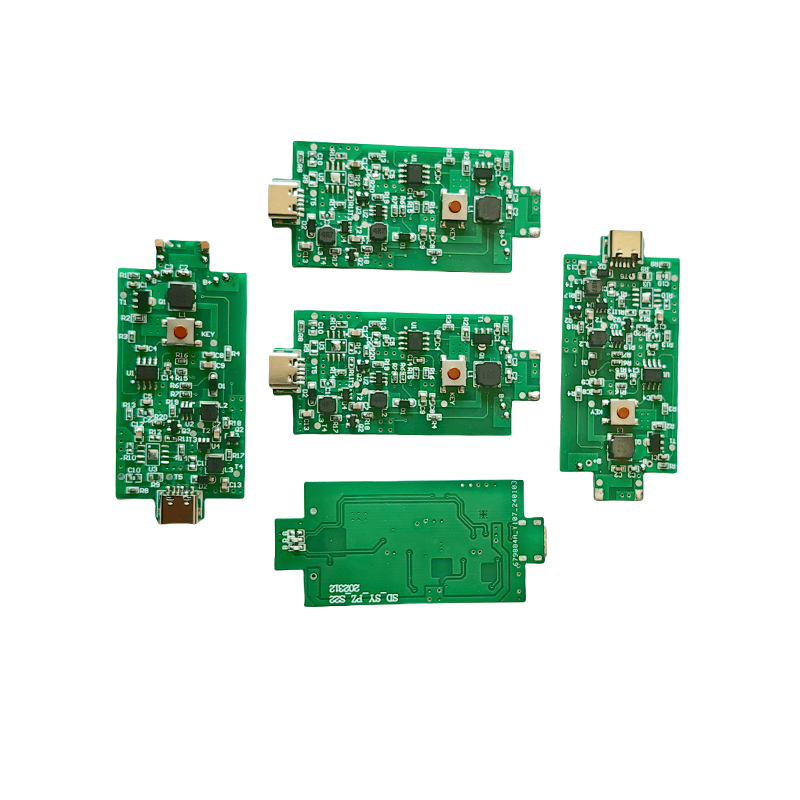
Humidifier Aromatherapy Humidifier Misting Tray PCB Board USB6V12V24V Five Head PCB Driver Board 10 Head Driver Board
-
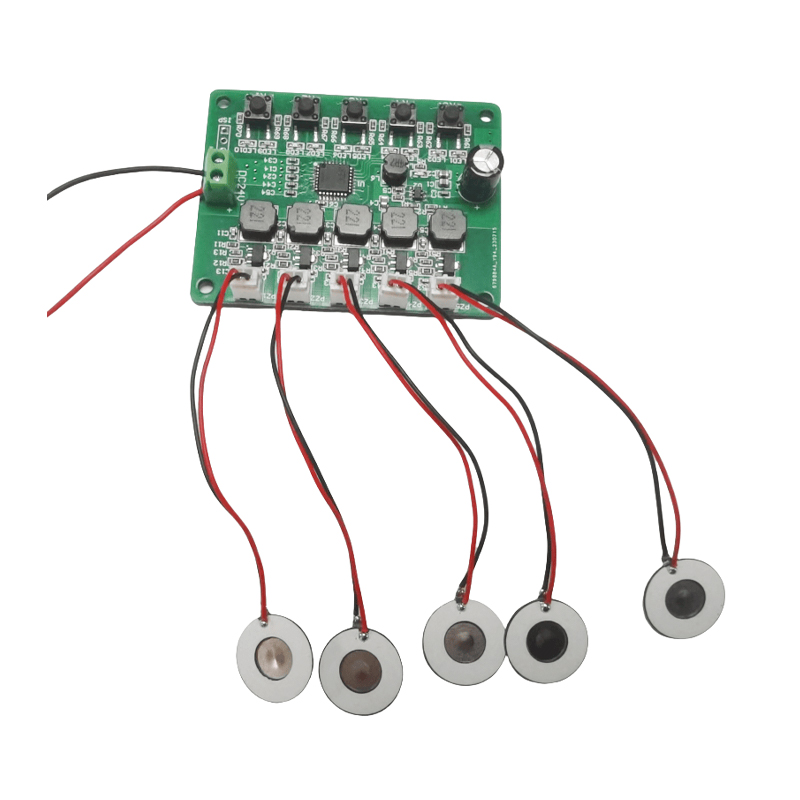
Medical Inhalation Nebulizer Respirator Head-mounted Nebulizer PCB Driver B
-
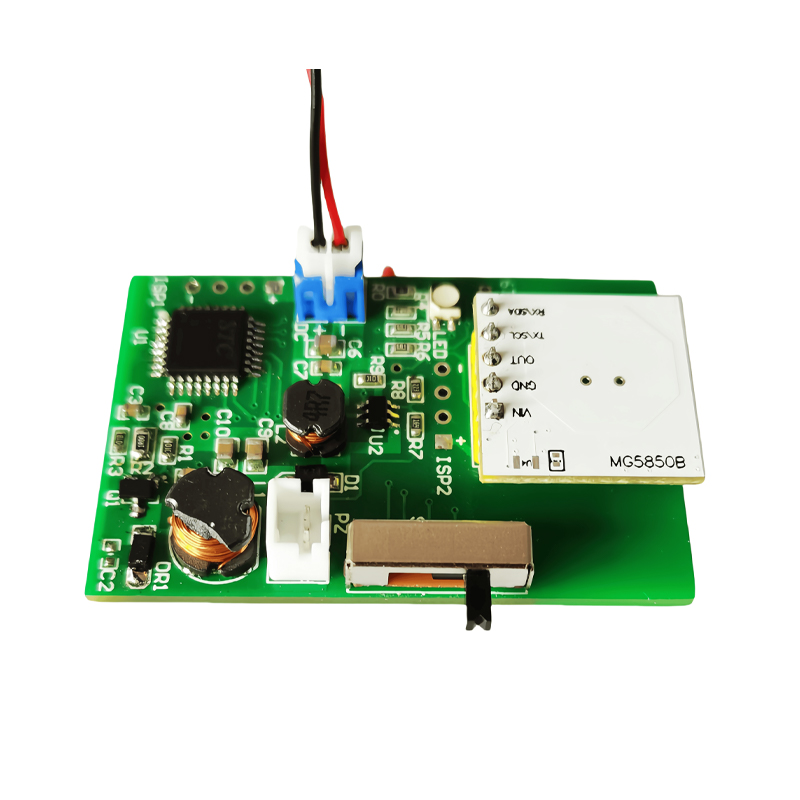
Medical Mesh Atomizer Tray PCB Electronic Smoking Cessation Atomizer PCB Driver Board
-
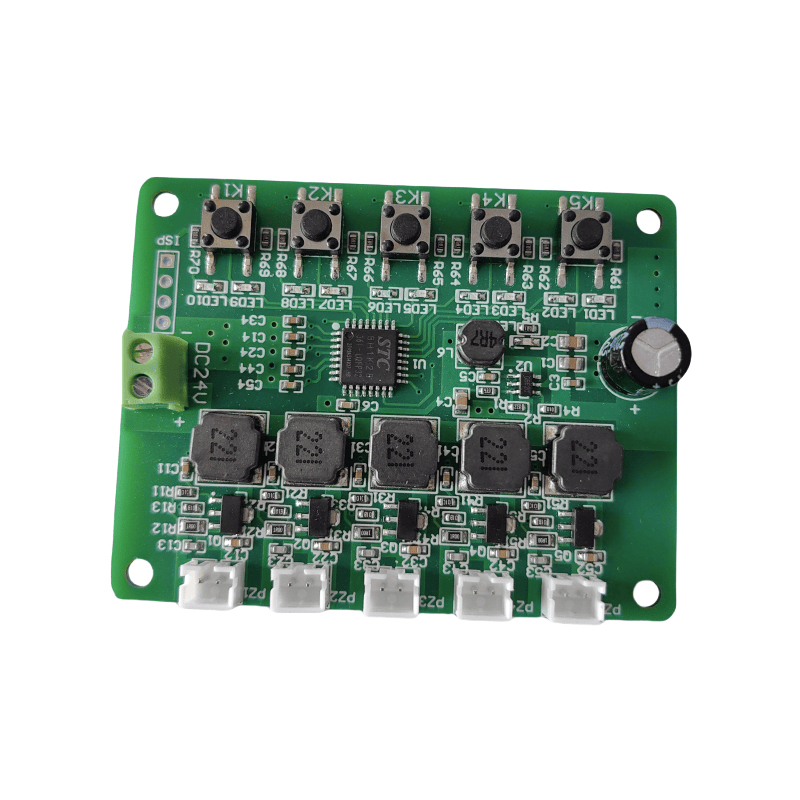
Driver Board For Humidifier Crescent PCB Board Timing 2/4h Function 1.5W
-
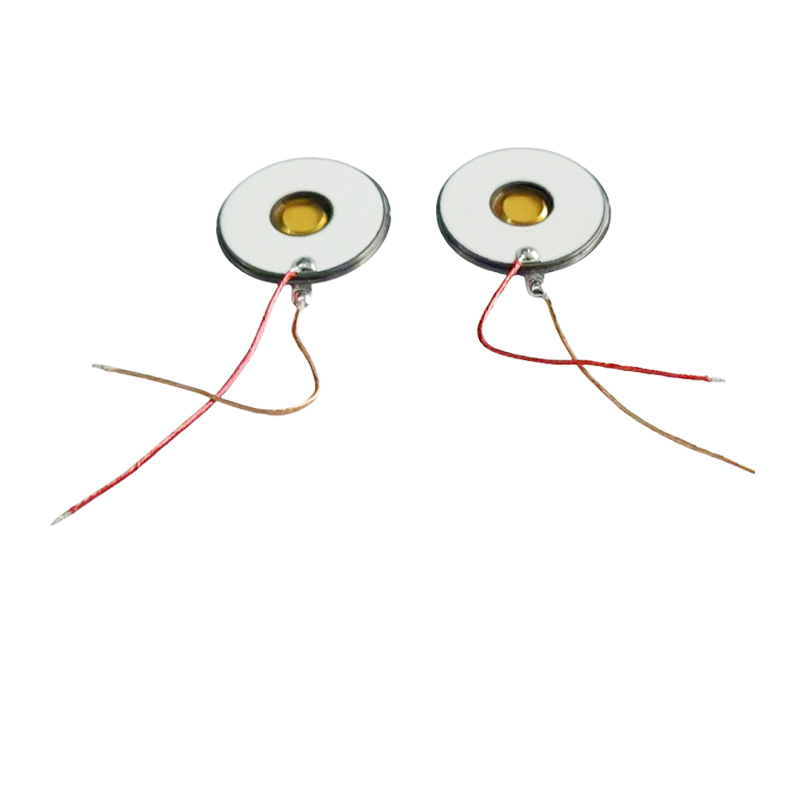
M16-108KHZ Polyimide PI MembraneMesh Micro Mesh NebulizerMedical NebulizerUltrasonic Mesh Nebulizer3μm Microporous Inhalation Nebulizer With Nebulizing DiscPower Consumption1~1.5W
-
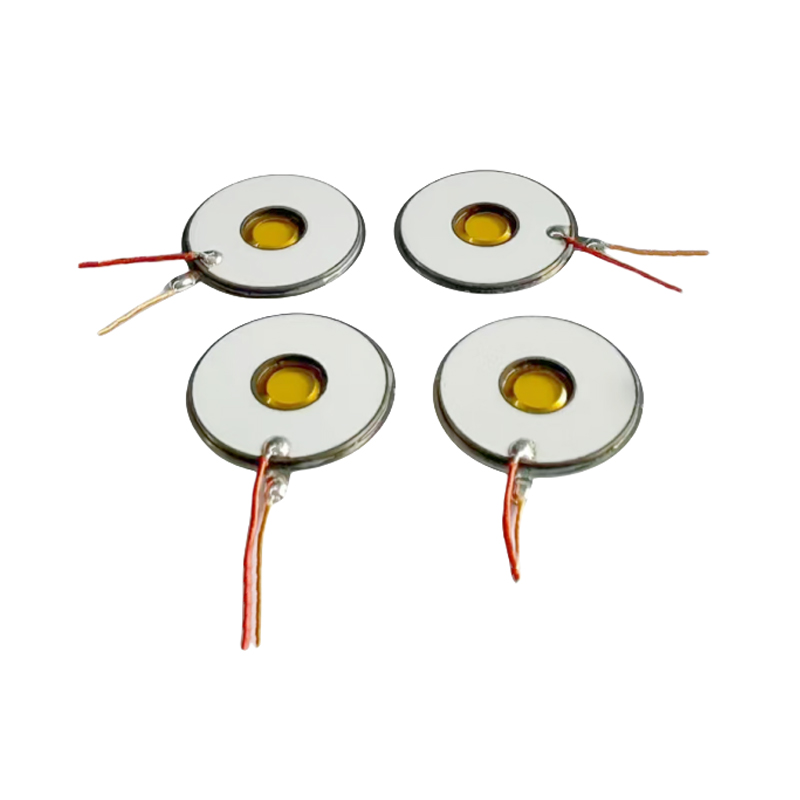
M16-108KHZ Polyimide PI MembraneMesh Micro Mesh NebulizerMedical NebulizerUltrasonic Mesh Nebulizer3μm Microporous Nebulizer Disc For Inhaler Nebulizer
-
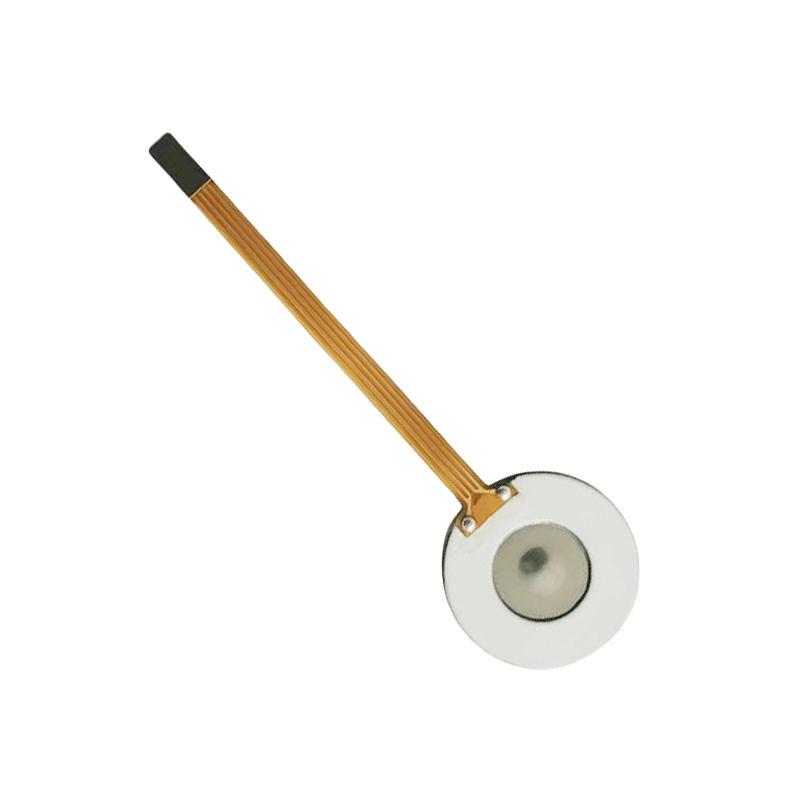
M16-110KHZ Polyimide PI MembraneMesh Micro Mesh NebulizerMedical NebulizerUltrasonic Mesh Nebulizer3μm Microporous Nebulizer Disc For Inhalation Nebulizer
-
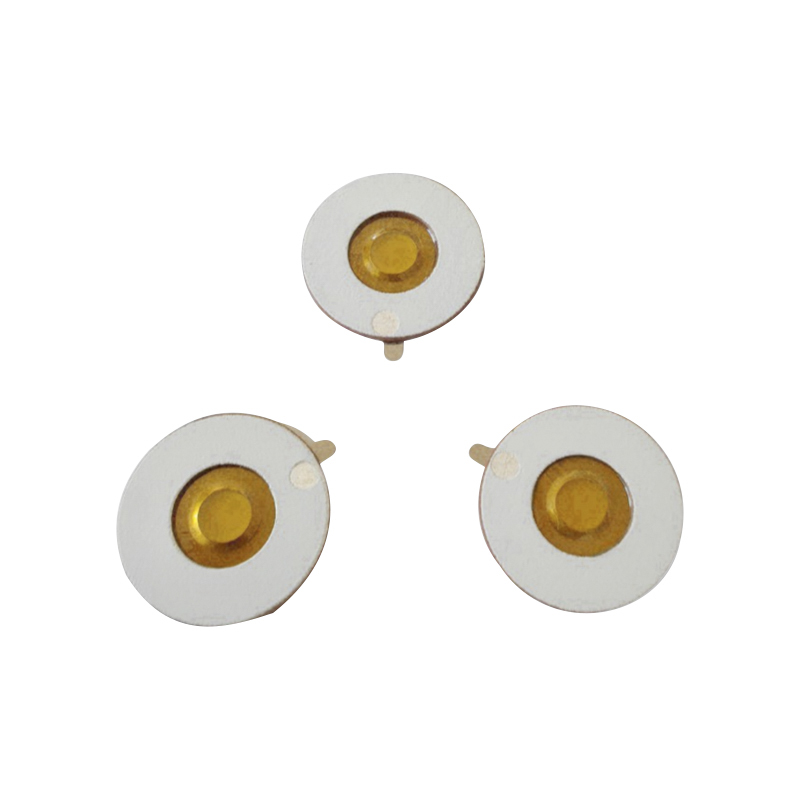
M16-108KHZ Polyimide PI MembraneMesh Micro Mesh NebulizerMedical NebulizerUltrasonic Mesh Nebulizer Tablet3μm Microporous Inhalation Budesonide Nebulizer Tray
- Quick Links
- Product
- About
- Application
- News
- Contact
- Product Links
- Medical Mesh Piezo Atomizer
- Polymer PI Film Piezo Atomizer
- KNN Lead-free Mesh Piezo Atomizer
- PI Lead Free Mesh Zeroing Chip
- Micro-mesh Piezo Atomizer For Heater
- Piezo Atomizer For Fan/Humidification/Beauty
- Ultrasonic Atomizing Transducer
- Ultrasonic High-frequency Piezo Atomizer
- Power Generation/Heating Sensor Piezo Atomizer
- Medical Piezo Atomizer PCB Design
- Precision Laser Micro-hole Processing Technology
- Contact
-
Building 1, Fortune Star 2, No.311 Huanzhen North Road, Chang'an Town, Haining City, Zhejiang Province, China.

-
+86-18006619680

-
+86-13777879680

-
Felix@saidapiezo.com

riney@saidapiezo.com
yugao@saidapiezo.com
emily@saidapiezo.com
dean@saidapiezo.com -
Felix: +86 18157327658

John: +86 18957351358
Emily: +86 18957339358
Dean: +86 15356418868
- Mobile