


 English
 中文简体
中文简体Why Are Medical Piezoelectric Ceramic Discs Essential in Minimally Invasive Surgeries?
Introduction
Minimally invasive surgeries (MIS) have revolutionized modern healthcare by reducing recovery time, minimizing scarring, and improving overall patient outcomes. One of the key technologies enabling these advancements is the use of medical piezoelectric ceramic discs. These specialized components play a crucial role in the effectiveness of various medical devices used in MIS, such as surgical instruments, diagnostic equipment, and therapeutic devices.
What Are Medical Piezoelectric Ceramic Discs?
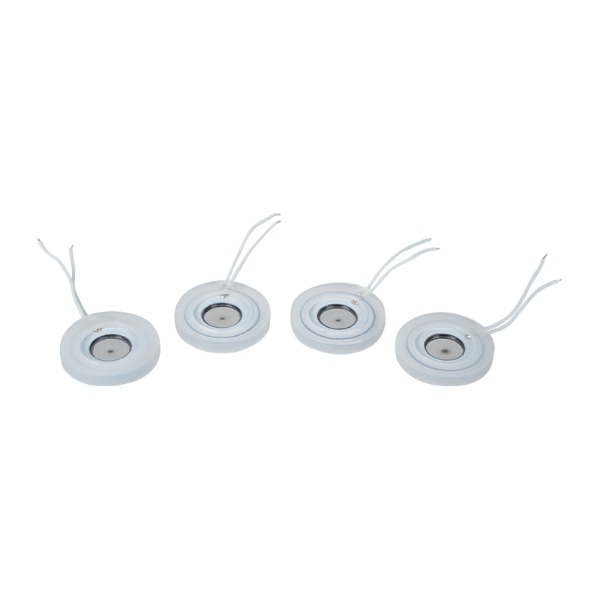
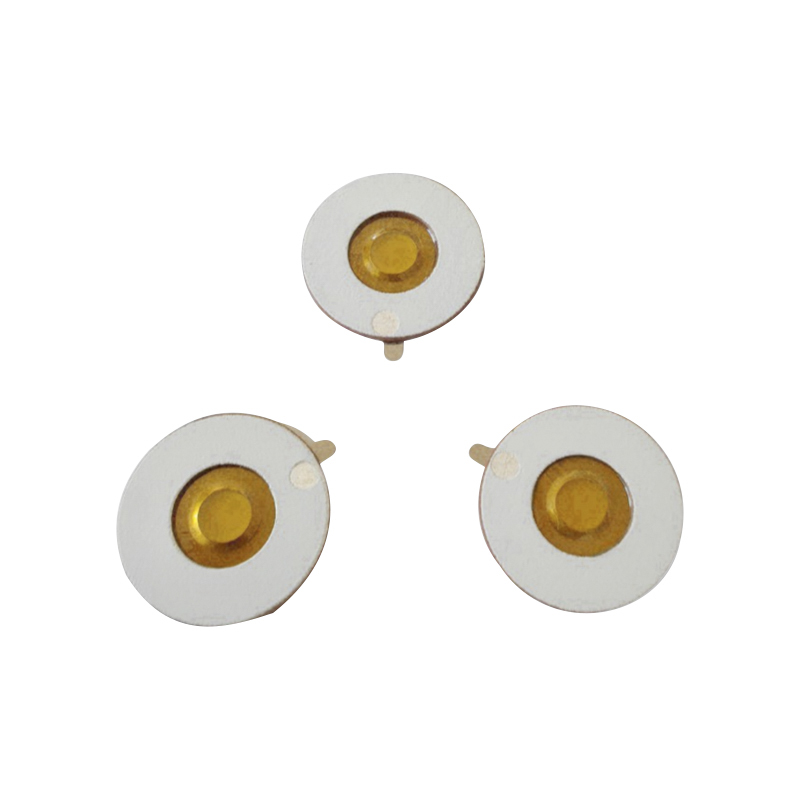
Medical piezoelectric ceramic discs are small, sophisticated components that convert mechanical energy into electrical signals and vice versa. This is made possible by the piezoelectric effect—a phenomenon where certain materials generate an electric charge in response to applied mechanical stress. These ceramic discs are integral to a wide array of medical applications, from ultrasound imaging and diagnostics to surgical instruments that rely on precise movement and force generation.
Key Properties of Medical Piezoelectric Ceramic Discs
The functionality of piezoelectric ceramic discs in medical applications is driven by their unique material properties, which include:
- High Sensitivity: Piezoelectric materials are highly responsive to mechanical forces, allowing for the precise control of movements and measurements in surgical procedures.
- Compact Design: The small size of medical piezoelectric ceramic discs makes them ideal for integration into minimally invasive medical devices that require precision in confined spaces.
- Durability: These ceramic discs are built to withstand the demands of medical environments, including exposure to sterilization processes, high temperatures, and harsh chemicals.
- Biocompatibility: Many piezoelectric materials are biocompatible, ensuring they do not cause adverse reactions when in contact with human tissue.
Role of Medical Piezoelectric Ceramic Discs in Minimally Invasive Surgeries
Minimally invasive surgeries often require tools that can operate with high precision in tight and difficult-to-reach areas within the human body. Medical piezoelectric ceramic discs enable various devices to function effectively in such procedures. Some of the prominent applications include:
Ultrasound and Imaging Devices
Piezoelectric ceramic discs are crucial in ultrasound machines, which are commonly used during minimally invasive procedures for real-time imaging. These discs generate sound waves and detect the echoes that return from tissues inside the body. The resulting data is then used to create detailed images of internal organs, blood vessels, and other tissues, helping surgeons make informed decisions during procedures.
Surgical Instruments
Piezoelectric ceramic discs are integral to the functionality of surgical instruments such as ultrasonic scalpels and piezoelectric-driven surgical knives. These instruments rely on the vibrations generated by the ceramic discs to cut through tissue with minimal damage. The precision and controlled force offered by piezoelectric devices make them ideal for procedures requiring delicate incisions, such as in eye surgeries, dental procedures, and neurosurgery.
Therapeutic Devices
Piezoelectric ceramic discs are used in therapeutic devices for targeted drug delivery, where controlled vibrations or pulses are used to enhance the absorption of medication through the skin or tissue. These devices offer a non-invasive way to treat chronic conditions such as pain management or the targeted destruction of cancer cells, further enhancing the effectiveness of minimally invasive surgeries.
Why Medical Piezoelectric Ceramic Discs Are Essential for Minimally Invasive Surgeries
The necessity of medical piezoelectric ceramic discs in minimally invasive surgeries stems from their ability to provide precision, safety, and efficiency. Some of the specific reasons for their importance include:
Enhanced Precision and Control
In minimally invasive surgeries, precision is paramount. Piezoelectric ceramic discs allow for fine control of surgical instruments, reducing the risk of damage to surrounding tissues. This accuracy is crucial in delicate procedures such as neurosurgery or vascular surgery, where even the smallest deviation can result in complications.
Reduced Invasiveness
Piezoelectric devices enable surgeons to make smaller incisions or work through natural orifices, minimizing the invasiveness of procedures. This not only reduces the risk of infection but also accelerates the healing process, resulting in quicker recovery times for patients.
Real-Time Monitoring
Medical piezoelectric ceramic discs play a critical role in real-time monitoring systems. For example, piezoelectric sensors embedded in surgical tools can continuously measure forces applied during surgery, allowing for immediate adjustments to prevent unintended tissue damage. Additionally, piezoelectric ultrasound devices provide live imaging to guide surgeons throughout the procedure.
Improved Patient Outcomes
The combination of enhanced precision, reduced invasiveness, and real-time monitoring significantly improves patient outcomes. With piezoelectric technology, surgeons are able to perform highly effective procedures while minimizing trauma to the body, resulting in faster recovery and fewer complications for patients.
Challenges and Considerations
While medical piezoelectric ceramic discs have proven to be invaluable in the field of minimally invasive surgery, there are challenges associated with their use. Some of the key considerations include:
- Cost: The manufacturing process for medical piezoelectric ceramic discs can be costly, which may limit their widespread adoption in certain medical fields.
- Material Limitations: Not all piezoelectric materials are suitable for use in medical devices, and the choice of material must be carefully considered to ensure biocompatibility and durability.
- Integration: The integration of piezoelectric ceramic discs into medical devices requires sophisticated engineering and design to ensure their reliability and effectiveness in clinical settings.
Future Trends in Medical Piezoelectric Ceramic Disc Applications
As the demand for minimally invasive surgeries continues to grow, the role of medical piezoelectric ceramic discs is expected to expand. Some of the emerging trends include:
- Miniaturization: Ongoing advancements in materials science will enable the production of even smaller, more efficient piezoelectric ceramic discs, further enhancing the capabilities of minimally invasive medical devices.
- Smart Medical Devices: The integration of piezoelectric sensors with artificial intelligence (AI) and machine learning (ML) could enable smarter, more autonomous medical devices that can adapt to changing conditions during surgery.
- Personalized Healthcare: As surgical techniques become more tailored to individual patients, piezoelectric ceramic discs may play a crucial role in creating customized devices that meet specific patient needs.
FAQ
1. What is the piezoelectric effect, and why is it important in medical devices?
The piezoelectric effect refers to the ability of certain materials, such as piezoelectric ceramics, to generate an electric charge when subjected to mechanical stress. This property is essential in medical devices for precision control, imaging, and therapeutic functions.
2. Are medical piezoelectric ceramic discs safe to use in the human body?
Yes, medical piezoelectric ceramic discs are made from biocompatible materials, ensuring that they do not cause harmful reactions when in contact with human tissues. They undergo rigorous testing to meet medical device safety standards.
3. How do piezoelectric ceramics improve surgical procedures?
Piezoelectric ceramics enable precise movement and control of surgical instruments, making them ideal for delicate surgeries. They also help in reducing the invasiveness of procedures, leading to quicker recovery and fewer complications.
4. What are some common applications of piezoelectric ceramic discs in healthcare?
Common applications include ultrasound imaging, ultrasonic scalpels, piezoelectric surgical tools, and therapeutic devices that aid in drug delivery or tissue stimulation.
5. Are there any limitations to using piezoelectric ceramic discs in medical devices?
Some challenges include the cost of production, material limitations, and the complexity of integrating piezoelectric ceramics into medical devices. However, ongoing advancements continue to address these challenges.
Conclusion
Medical piezoelectric ceramic discs have become indispensable in the realm of minimally invasive surgeries, offering enhanced precision, reduced invasiveness, and improved patient outcomes. As technology continues to advance, these ceramic discs will play an even greater role in shaping the future of medical procedures, enabling more effective and personalized treatments for patients worldwide.
Related Products
-
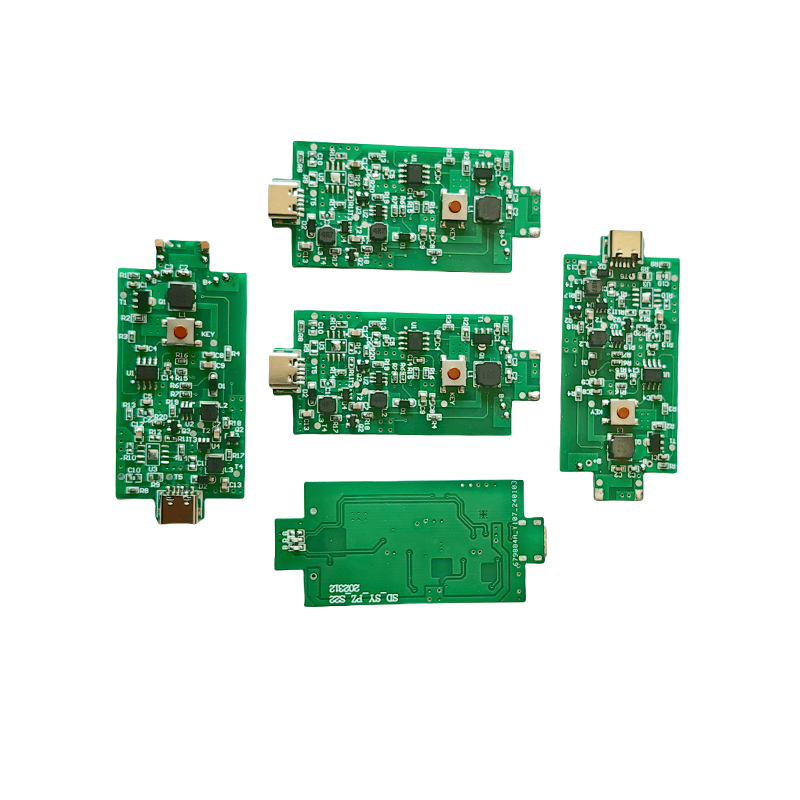
Humidifier Aromatherapy Humidifier Misting Tray PCB Board USB6V12V24V Five Head PCB Driver Board 10 Head Driver Board
-
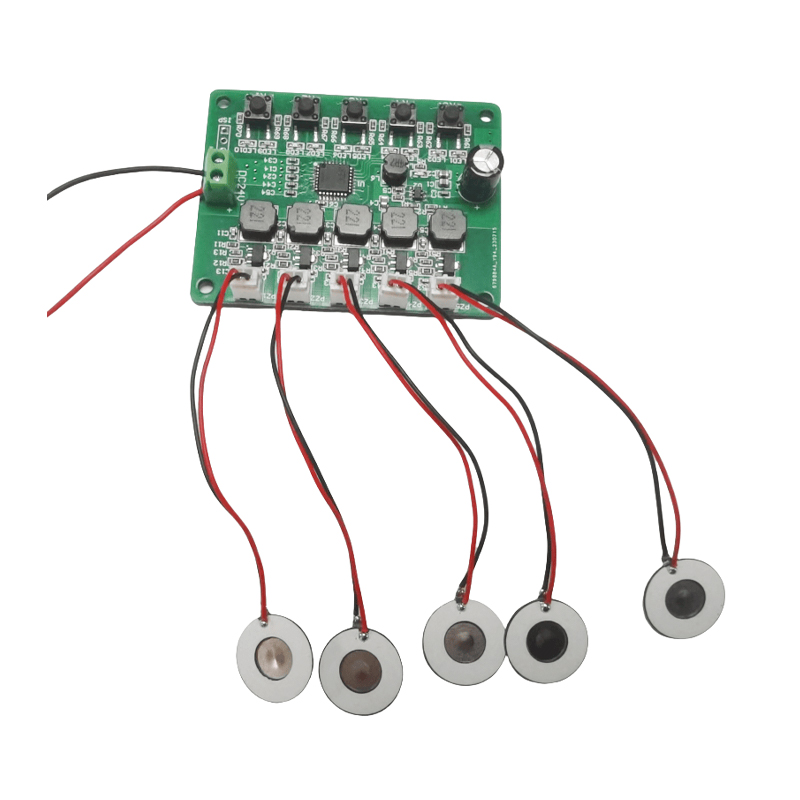
Medical Inhalation Nebulizer Respirator Head-mounted Nebulizer PCB Driver B
-
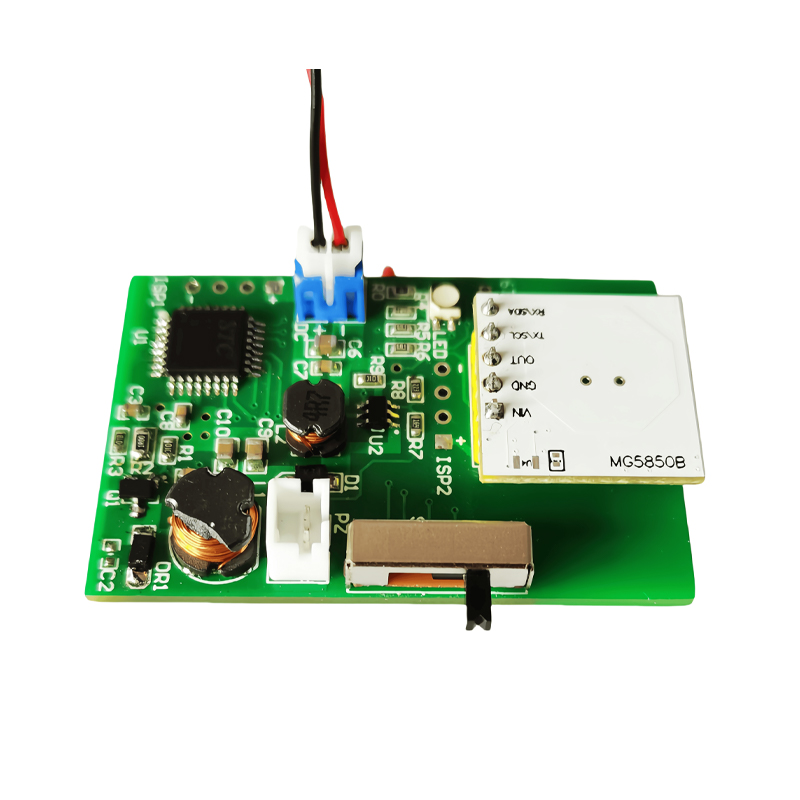
Medical Mesh Atomizer Tray PCB Electronic Smoking Cessation Atomizer PCB Driver Board
-
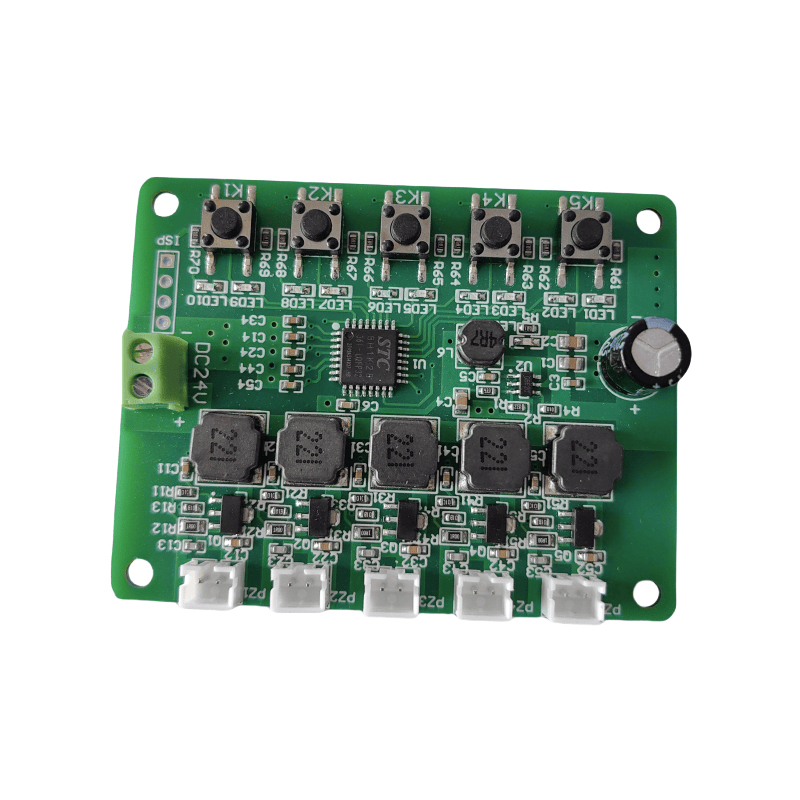
Driver Board For Humidifier Crescent PCB Board Timing 2/4h Function 1.5W
-
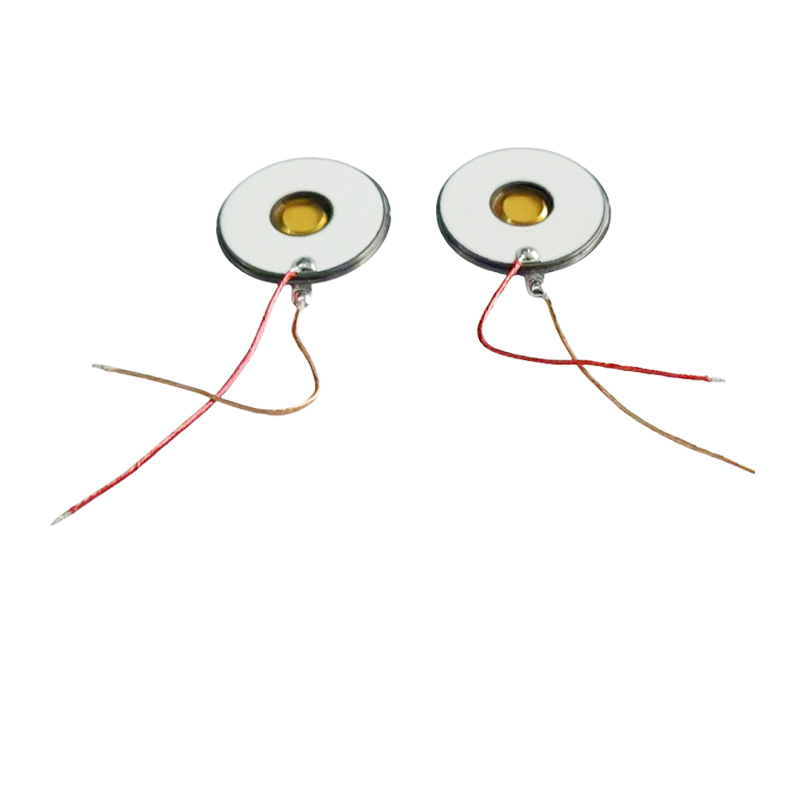
M16-108KHZ Polyimide PI MembraneMesh Micro Mesh NebulizerMedical NebulizerUltrasonic Mesh Nebulizer3μm Microporous Inhalation Nebulizer With Nebulizing DiscPower Consumption1~1.5W
-
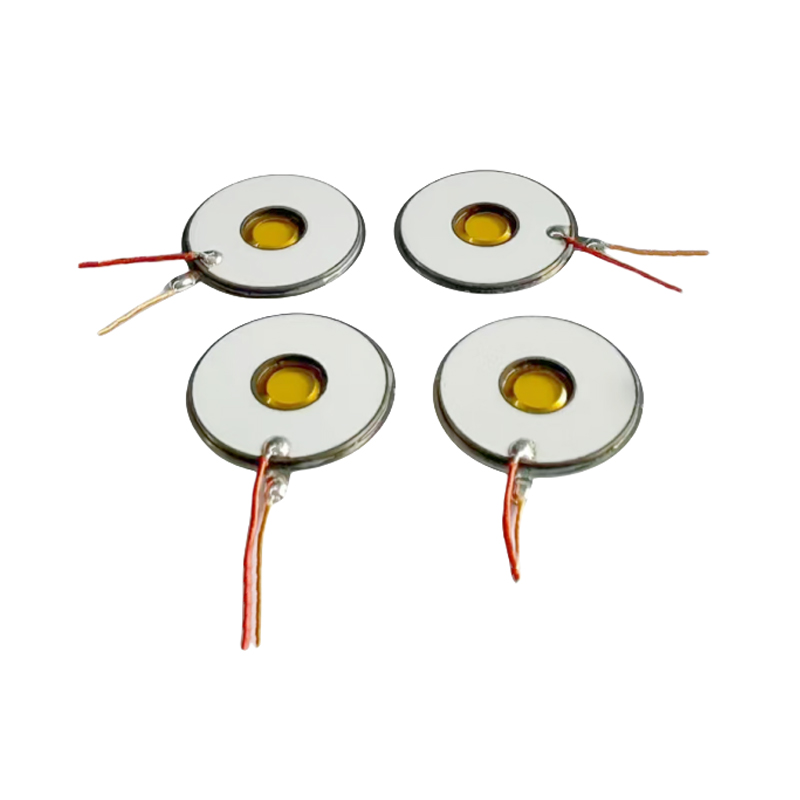
M16-108KHZ Polyimide PI MembraneMesh Micro Mesh NebulizerMedical NebulizerUltrasonic Mesh Nebulizer3μm Microporous Nebulizer Disc For Inhaler Nebulizer
-
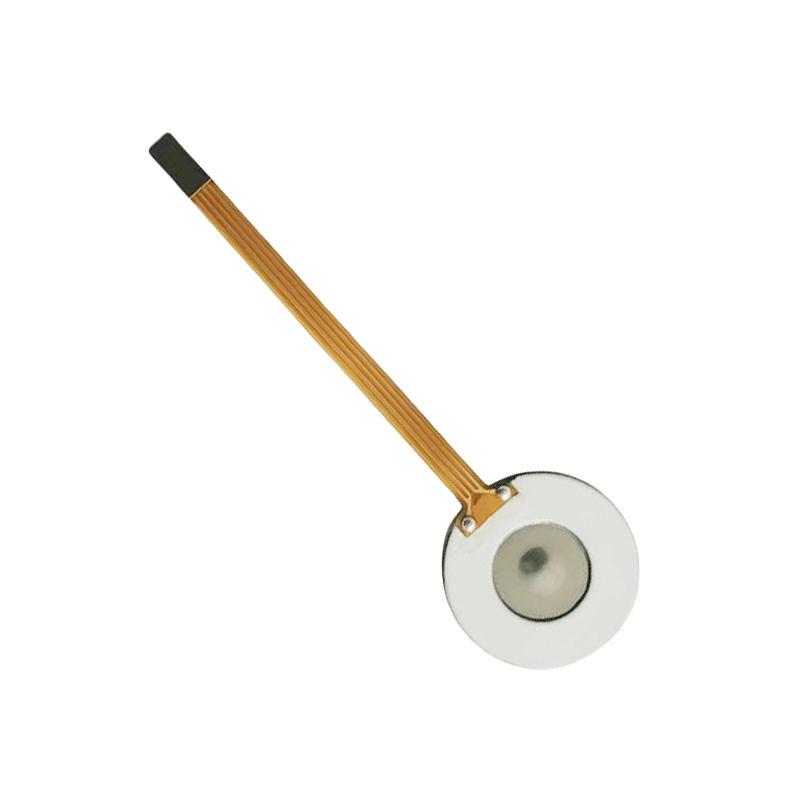
M16-110KHZ Polyimide PI MembraneMesh Micro Mesh NebulizerMedical NebulizerUltrasonic Mesh Nebulizer3μm Microporous Nebulizer Disc For Inhalation Nebulizer
-
M16-108KHZ Polyimide PI MembraneMesh Micro Mesh NebulizerMedical NebulizerUltrasonic Mesh Nebulizer Tablet3μm Microporous Inhalation Budesonide Nebulizer Tray
- Quick Links
- Product
- About
- Application
- News
- Contact
- Product Links
- Medical Mesh Piezo Atomizer
- Polymer PI Film Piezo Atomizer
- KNN Lead-free Mesh Piezo Atomizer
- PI Lead Free Mesh Zeroing Chip
- Micro-mesh Piezo Atomizer For Heater
- Piezo Atomizer For Fan/Humidification/Beauty
- Ultrasonic Atomizing Transducer
- Ultrasonic High-frequency Piezo Atomizer
- Power Generation/Heating Sensor Piezo Atomizer
- Medical Piezo Atomizer PCB Design
- Precision Laser Micro-hole Processing Technology
- Contact
-
Building 1, Fortune Star 2, No.311 Huanzhen North Road, Chang'an Town, Haining City, Zhejiang Province, China.

-
+86-18006619680

-
+86-13777879680

-
Felix@saidapiezo.com

riney@saidapiezo.com
yugao@saidapiezo.com
emily@saidapiezo.com
dean@saidapiezo.com -
Felix: +86 18157327658

John: +86 18957351358
Emily: +86 18957339358
Dean: +86 15356418868
- Mobile