Why Distilled Water Is the Better Choice for Your Ultrasonic Mist Maker
Home / News / Industry news / Why Distilled Water Is the Better Choice for Your Ultrasonic Mist Maker
Why Distilled Water Is the Better Choice for Your Ultrasonic Mist Maker
2026-11-13
Share:
If you have ever wiped a fine white film off a table or television screen after running a mist maker in the same room, you have already seen the most common problem with these devices. The short answer to whether you should use distilled water in an ultrasonic mist maker is yes. The reasons go well beyond protecting the machine. The water you put in the tank determines what leaves the device and ends up in the air you breathe, on the surfaces you clean, and in the parts that have to keep working for years.
This guide explains what happens to tap water inside an ultrasonic unit, how the different water types compare, how water choice affects maintenance and component life, and how to get the best results in common setups such as ponds, greenhouses, decorative fog displays, and mushroom growing rooms.
What Happens to Minerals in Tap Water Inside a Mist Maker
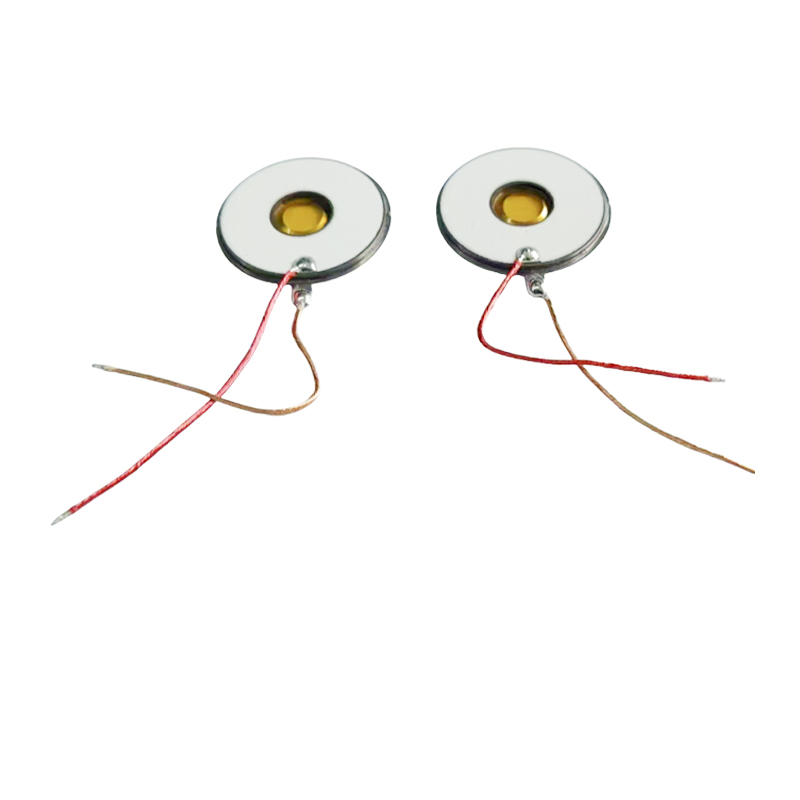
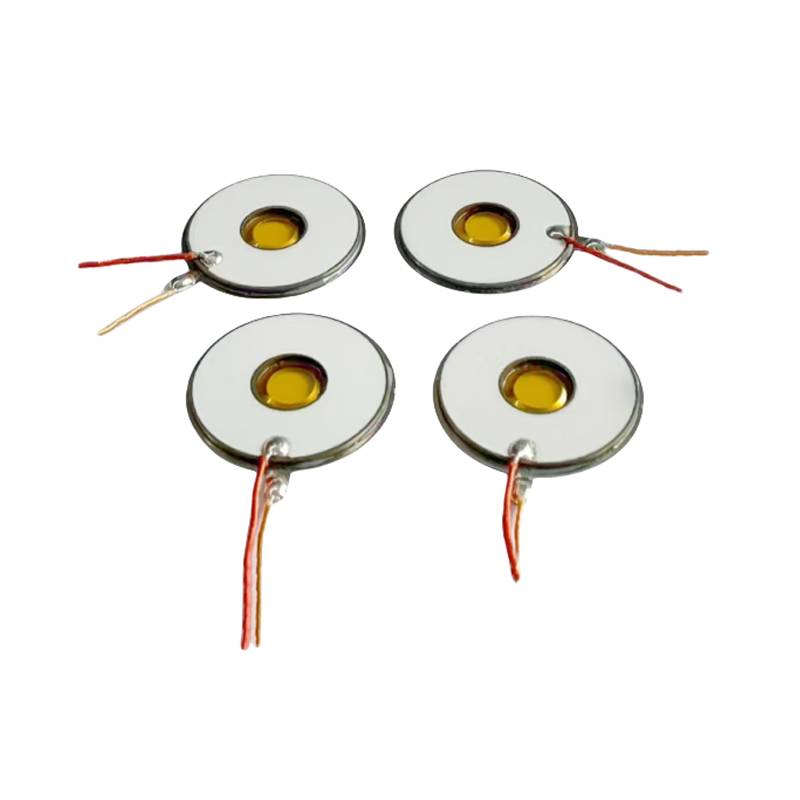
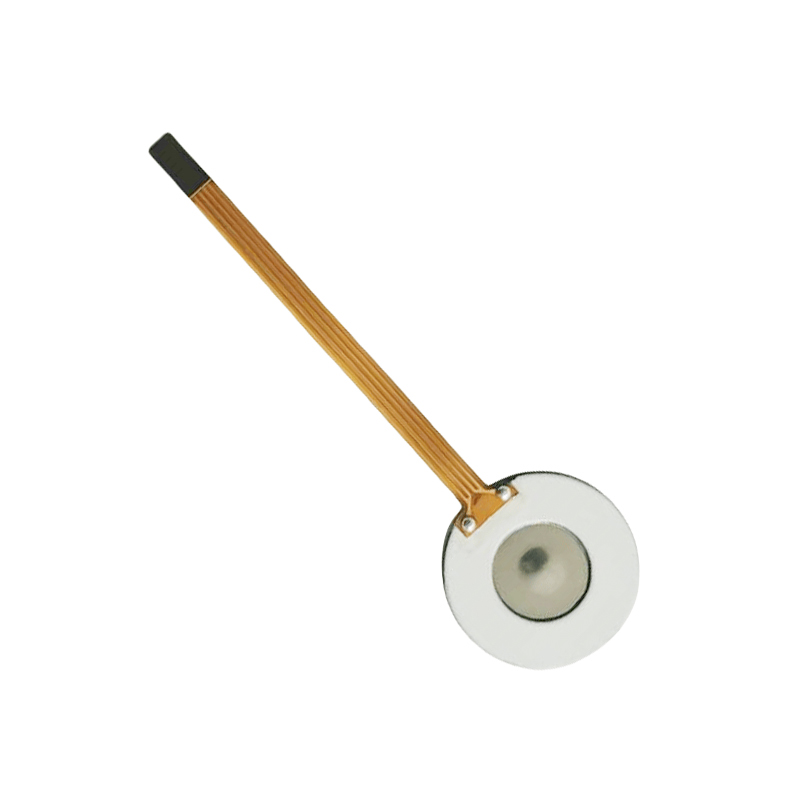
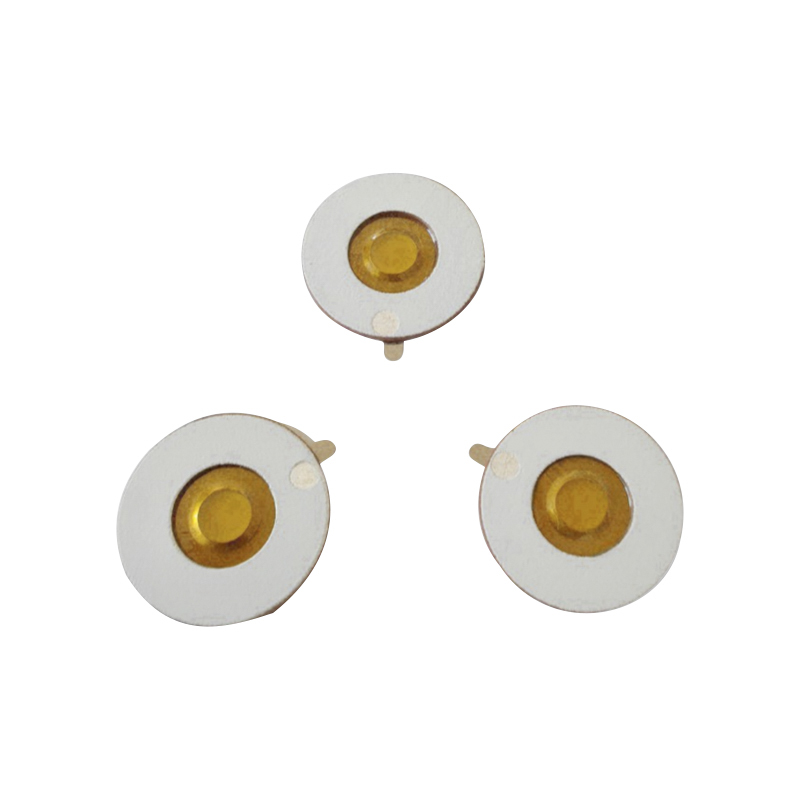
An ultrasonic mist maker works by vibrating a ceramic disc at a very high frequency. That vibration breaks the water surface into a cloud of tiny droplets that drift up and out of the unit. The process does not filter anything. Whatever is dissolved in the water, including calcium and magnesium, is carried along with the droplets. When the tiny droplets evaporate, the minerals they carried are left behind as dry solid particles.
Those particles are what most users call white dust. They settle on nearby furniture, electronics, plants, and floors, and they can also remain suspended in the air long enough to be inhaled. The amount you see depends on how hard your local water is, how long the unit runs, and how close the mist output is to surfaces in the room.
Why Hard Water Makes the Problem Worse
Water is usually described as hard when it contains high levels of dissolved calcium and magnesium. Many public water systems report hardness above 120 milligrams per liter, expressed as calcium carbonate, and some regions go well beyond that. In those areas, a mist maker running on tap water can produce visible residue within days. Softer water produces less residue, but even soft tap water contains enough dissolved solids to build up over time.
Boiling tap water does not solve this. Boiling kills many microorganisms, but the minerals stay in the water, so the resulting white dust is the same. Likewise, simply letting water sit does not remove dissolved minerals.
Health and Air Quality Considerations
Mist is designed to be airborne, which means anything in the water can reach the people in the room. Most of the droplets are small enough to be inhaled deep into the lungs. For that reason, the question of what you are misting is also a question of air quality, especially in bedrooms, offices, nurseries, and enclosed indoor growing areas.
Several points are worth keeping in mind:
Fine particles increase. Running a mist maker on tap water can noticeably raise the concentration of fine particulate matter in a room. Distilled water contains very few dissolved solids, so the particles it leaves behind are minimal.
Residue is not just cosmetic. Mineral dust that settles on keyboards, bedding, and food preparation surfaces is a nuisance, but it also means material is being moved through the air you breathe.
Vulnerable users need extra care. People with asthma, allergies, or other breathing conditions are more sensitive to airborne particles, so the cleanest possible water is especially sensible in those settings.
Stagnant water needs changing. Any water left sitting in the tank can grow microorganisms, so clean water should be replaced regularly no matter which type you use.
Comparing Water Types for Ultrasonic Use
Not every water source behaves the same way in an ultrasonic unit. The table below summarizes how the most common options perform, based on how much dissolved material they carry.
Water Type
Suitable?
Main Reason
Distilled Water
Best choice
Almost no dissolved minerals, so little or no white dust and the longest component life
Purified Water
Good choice
Very low mineral content, often close to distilled results at a lower cost
Tap Water
Avoid
Minerals build up quickly in hard water areas, causing residue and clogging
Boiled Tap Water
Avoid
Boiling removes microbes but leaves the dissolved minerals in place
Among these options, distilled water offers the most predictable results. Purified water, including water produced by reverse osmosis filtration, is a practical alternative when distilled water is not easy to buy in large volumes. The key is to check that the water has been treated to remove most dissolved solids rather than simply filtered for sediment.
Quick Selection Guide
Start with distilled water if you want the cleanest mist and the lowest maintenance.
Use purified water for larger volumes where cost matters, provided it is low in dissolved solids.
Test your local supply if you are unsure. Hardness information is usually available from the water provider, and a simple home test kit can confirm it.
Avoid tap water in hard water regions, and be cautious even in moderate areas.
How Water Quality Affects Maintenance and Component Life
Mineral buildup is the main reason ultrasonic units lose performance over time. As scale forms on the atomizing disc, the tiny openings and vibrating surface become partly blocked. Output drops, the mist becomes uneven, and in severe cases the disc can be damaged. Water choice therefore has a direct effect on how often you need to clean the unit and how long its parts last.
Typical Maintenance Patterns by Water Type
Tap water in hard water areas: Descaling may be needed every few weeks, and the atomizing disc can wear out within months.
Distilled water: A light cleaning about once a month is usually enough, and the disc often lasts a year or more.
Purified water: Maintenance intervals are similar to distilled water when the purification is thorough.
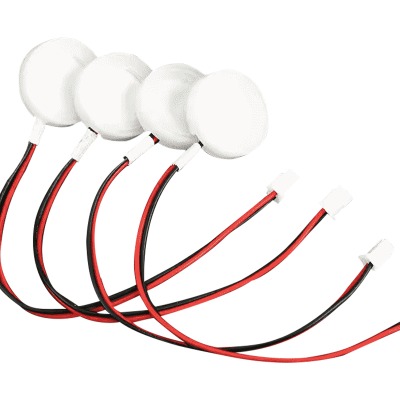
Keeping spare atomizing discs on hand is useful for any mist system, since a damaged disc can stop the whole unit. However, the best approach is to protect the original components by using clean water from the start. Replacing parts less often saves money and avoids interruptions in misting, especially in commercial or agricultural settings where downtime is costly.
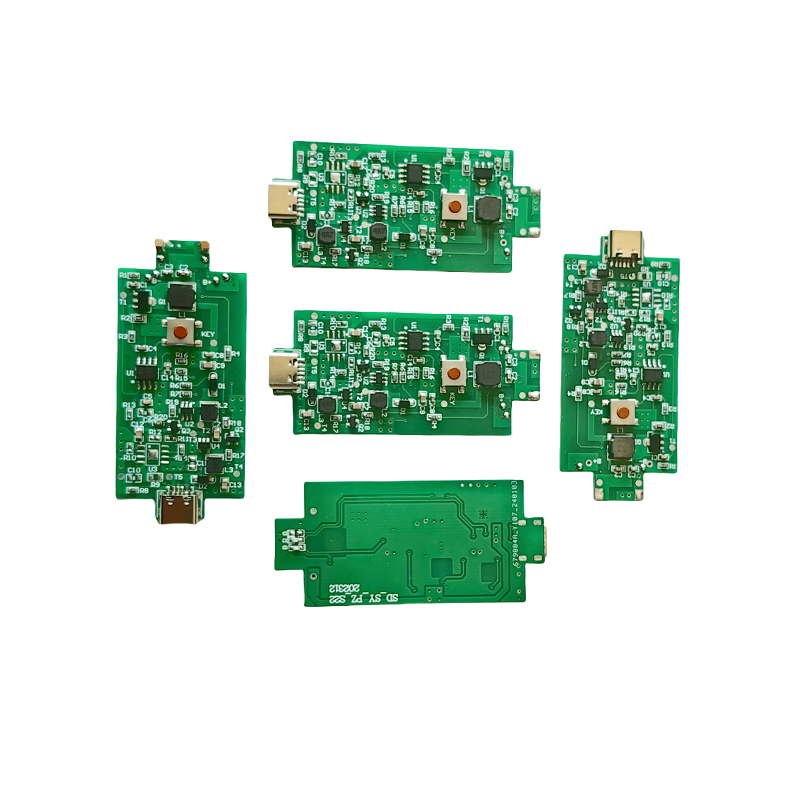
For a more detailed look at how the complete system fits together, you can also read about the ultrasonic fogger design and how its components are arranged for consistent output.
A Simple Cleaning Routine
Unplug the unit and empty the remaining water from the tank.
Wipe the inside of the tank and float with a soft cloth to remove loose residue.
Soak the atomizing area in a diluted vinegar solution for a short period if you notice any scale.
Rinse thoroughly with clean water before refilling.
Dry the parts completely before the next use to limit microbial growth.
Practical Setup Tips for Common Uses
Ultrasonic mist systems serve many different purposes, and the right water choice matters in each case. The following examples show how the principles above apply in real settings.
Ponds and Water Features
Misting around ponds and fountains can help cool the surrounding area and add a pleasant visual effect. Here, the water used in the mist maker is separate from the pond water, so there is no need to use pond water in the unit itself. Distilled or purified water keeps the mist clean and prevents white residue from settling on nearby stones, plants, and seating.
Greenhouses and Growing Rooms
In greenhouses and growing rooms, humidity control is the main goal. Mist that carries dissolved minerals can settle on leaves and growing media, creating a crust that affects plant appearance and may interfere with gas exchange through the leaf surface. Clean water helps maintain healthy foliage and reduces cleaning time. Many growers also prefer water with low chlorine content, since that can affect sensitive plants and beneficial organisms.
Mushroom Cultivation
Mushroom growing rooms depend on consistent humidity and clean conditions. Mineral residue on the growing surface can make it harder to maintain sanitary conditions. Using low-mineral water helps keep the environment controlled and simplifies cleaning between cycles.
Decorative Fog and Stage Effects
Decorative fog displays rely on a clear, bright mist. Tap water produces a grayish haze that looks dusty under lights, while distilled water creates a cleaner, whiter effect. Because these setups often run for long periods, the maintenance savings are especially valuable.
Common Mistakes That Shorten Equipment Life
Even users who understand the value of distilled water sometimes make avoidable errors. The most frequent ones are listed below.
Topping off instead of replacing water. Adding fresh water to old water concentrates any remaining solids. Empty and refill the tank completely.
Running the unit dry. Operating without water can overheat and damage the atomizing disc. Use a unit with low water protection and keep the tank filled.
Mixing additives. Fragrance oils, cleaning agents, and other additives can coat the disc and reduce output. Use only water unless the manufacturer specifically says otherwise.
Ignoring early signs of scale. A patchy mist or a white ring around the disc is an early warning. Cleaning at that point is far easier than dealing with a permanently clogged disc.
Storing the unit wet. Leaving water inside between uses encourages residue and microbial growth. Drain and dry the unit before storing it.
Frequently Asked Questions
Q1: Can I use distilled water in my ultrasonic mist maker every day?
Yes. Distilled water is safe for daily use. Even so, it is best to empty and refill the tank with fresh water each day, because standing water can still collect airborne dust and microorganisms over time.
Q2: What happens if I use tap water just once?
A single use will not damage the unit. In hard water areas, though, you may notice white residue on nearby surfaces after one session. Repeated use is what causes lasting scale on the atomizing disc and reduces output.
Q3: Does distilled water reduce mist output?
No. Distilled water generally keeps output more consistent over time because it does not leave mineral deposits that block the disc. Any difference in output usually comes from a dirty or scaled disc rather than the water itself.
Q4: How often should I clean my mist maker if I use distilled water?
A light cleaning about every two weeks is a reasonable starting point, especially if the unit runs for many hours a day. If you see any residue or a drop in mist density, clean it sooner. Using distilled water significantly reduces how often deep cleaning is needed compared with tap water.
Q5: Is purified water as good as distilled water for misting?
In most cases, yes, as long as the purified water has a very low level of dissolved solids. Water that has only been filtered for sediment will not offer the same benefit, so check how the water was treated before using it.



 English
 中文简体