


 English
 中文简体
中文简体Introduction
In modern aerosol delivery systems, achieving precise particle size, consistent output, and efficient fluid utilization is essential. Whether applied in medical inhalation, industrial coating, or laboratory environments, the demand for controlled atomization continues to rise. At the core of this performance lies a critical micro-component: the nebulizer nozzle mesh disc.
The nebulizer nozzle mesh disc plays a decisive role in determining droplet size distribution, spray uniformity, and overall system efficiency. By converting liquid into a fine aerosol through micro-scale apertures, it ensures repeatable and high-precision delivery.
The Function of a Nebulizer Nozzle Mesh Disc
A nebulizer nozzle mesh disc is a precision-engineered element typically made from metal or alloy materials. It contains thousands of microscopic holes, each carefully designed to regulate the passage of liquid into aerosol form.
Core Functional Principles
The working mechanism is based on vibration or pressure-driven flow:
- Liquid is pushed toward the mesh surface
- The mesh disc vibrates at high frequency or receives controlled pressure
- Liquid passes through micro-holes
- Fine droplets are generated with consistent size distribution
This process enables controlled atomization, ensuring that the aerosol output meets strict application requirements.
Key Performance Factors in Aerosol Precision
The effectiveness of a nebulizer nozzle mesh disc depends on several critical parameters. These factors directly influence aerosol quality and system performance.
Key Parameters and Their Impact
| Parameter | Description | Impact on Performance |
|---|---|---|
| Aperture Size | Diameter of mesh holes | Determines droplet size |
| Hole Density | Number of holes per unit area | Affects output rate and uniformity |
| Material Composition | Metal or alloy type | Influences durability and corrosion resistance |
| Surface Finish | Smoothness of mesh surface | Impacts flow efficiency and clogging risk |
| Thickness of Mesh | Structural thickness | Affects vibration transmission and stability |
Each of these parameters must be optimized to ensure that the nebulizer nozzle mesh disc performs reliably under specific operating conditions.
Advantages of Mesh-Based Nebulization
Compared to traditional atomization methods such as jet or ultrasonic systems, mesh-based designs offer distinct advantages.
Consistent Particle Size Distribution
The micro-hole structure ensures uniform droplet formation, which is essential for precision applications. This consistency improves efficiency and reduces variability in output.
High Efficiency and Low Waste
The controlled flow through the nebulizer nozzle mesh disc minimizes liquid waste. Nearly all input fluid is converted into usable aerosol, enhancing system efficiency.
Quiet and Stable Operation
Mesh-based systems operate with minimal noise and vibration, making them suitable for sensitive environments.
Reduced Energy Consumption
Efficient atomization reduces the need for high energy input, contributing to energy savings and system longevity.
Structural Design and Manufacturing Considerations
The manufacturing of a nebulizer nozzle mesh disc requires advanced microfabrication techniques. Precision is critical, as even minor deviations can affect performance.
Common Manufacturing Processes
- Laser drilling
- Electroforming
- Chemical etching
Each method offers different advantages in terms of accuracy, scalability, and cost.
Comparison of Manufacturing Techniques
| Process | Precision Level | Production Cost | Suitability |
|---|---|---|---|
| Laser Drilling | High | Medium | Small-scale, high precision |
| Electroforming | Very High | High | Complex microstructures |
| Chemical Etching | Moderate | Low | Large-scale production |
The selection of manufacturing method depends on the application requirements and production volume.
Applications Requiring High-Precision Aerosol Delivery
The importance of the nebulizer nozzle mesh disc becomes evident across various high-demand applications.
Medical and Healthcare
In inhalation therapies, precise particle size is essential for effective delivery. The mesh disc ensures that aerosol particles reach the intended areas.
Industrial Coating
Uniform spray patterns are critical for coating applications. The mesh disc enables consistent coverage and reduces material waste.
Laboratory and Research
Controlled aerosol generation is necessary for experiments and testing. The nebulizer nozzle mesh disc provides repeatability and accuracy.
Environmental Monitoring
Accurate dispersion of calibration aerosols relies on stable and predictable output, which is enabled by precision mesh design.
Challenges and Optimization Strategies
Despite its advantages, the nebulizer nozzle mesh disc faces certain challenges that must be addressed for optimal performance.
Common Challenges
- Clogging due to impurities
- Wear over prolonged use
- Sensitivity to fluid viscosity
Optimization Approaches
- Implementing surface coatings to reduce adhesion
- Designing self-cleaning mechanisms
- Selecting appropriate materials for specific fluids
These strategies help extend the lifespan and maintain the performance of the mesh disc.
FAQ
1. What is the primary function of a nebulizer nozzle mesh disc?
It converts liquid into fine aerosol droplets by passing fluid through micro-scale holes, ensuring consistent and controlled atomization.
2. How does aperture size affect aerosol delivery?
Smaller apertures produce finer droplets, while larger apertures result in bigger particles, directly influencing application performance.
3. What materials are commonly used for mesh discs?
They are typically made from metal or alloy materials to ensure durability, corrosion resistance, and precision.
4. Why is clogging a concern in mesh discs?
Clogging can block micro-holes, reducing efficiency and altering droplet size distribution, which impacts overall performance.
5. Can mesh discs be customized for specific applications?
Yes, parameters such as hole size, density, and material can be tailored to meet different operational requirements.
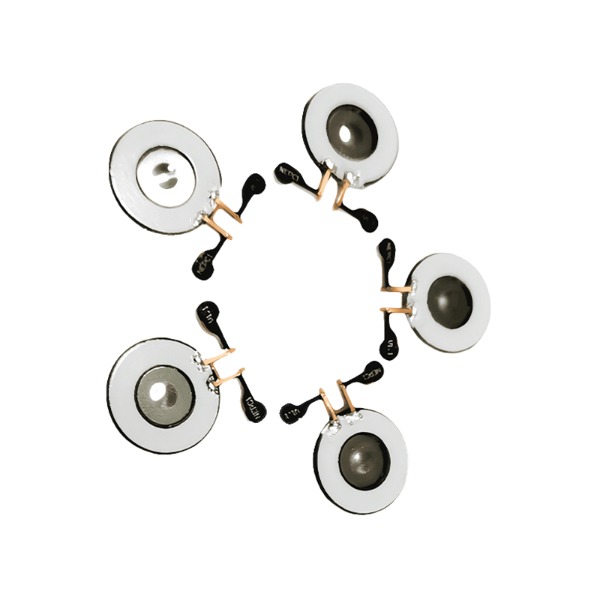
Related Products
-
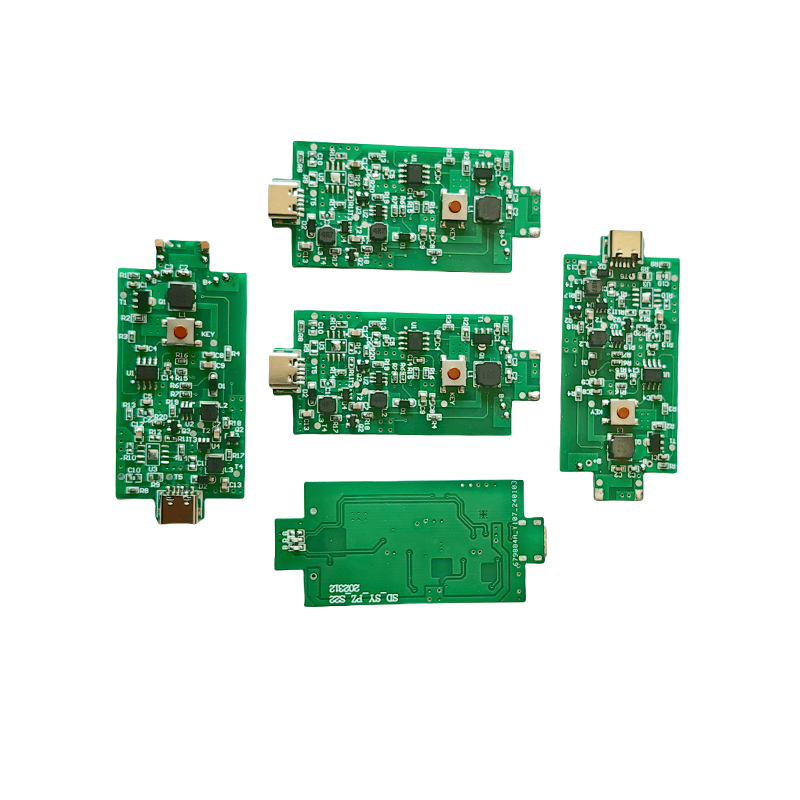
Humidifier Aromatherapy Humidifier Misting Tray PCB Board USB6V12V24V Five Head PCB Driver Board 10 Head Driver Board
-
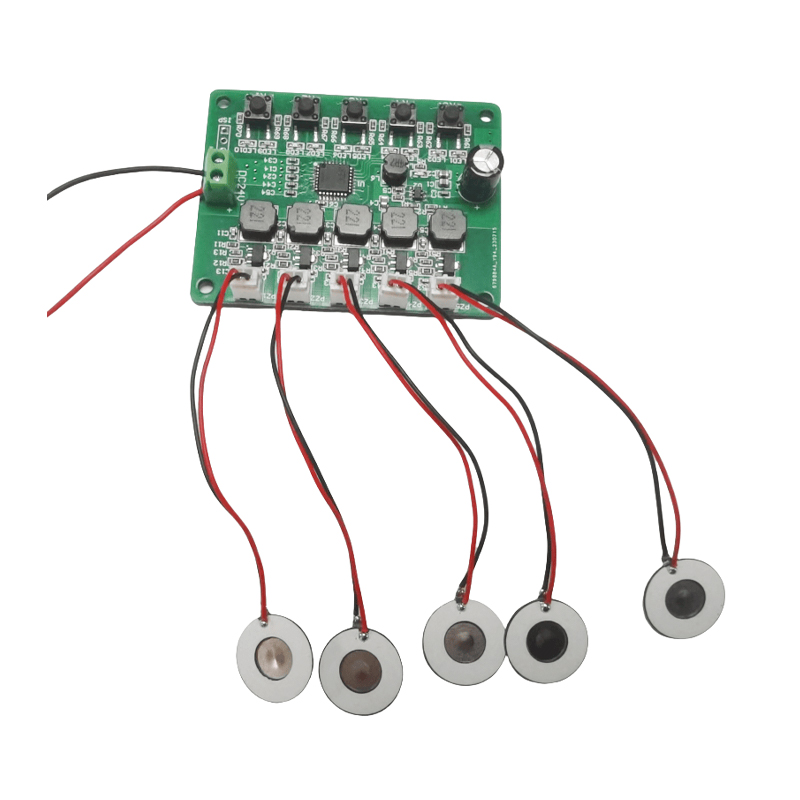
Medical Inhalation Nebulizer Respirator Head-mounted Nebulizer PCB Driver B
-
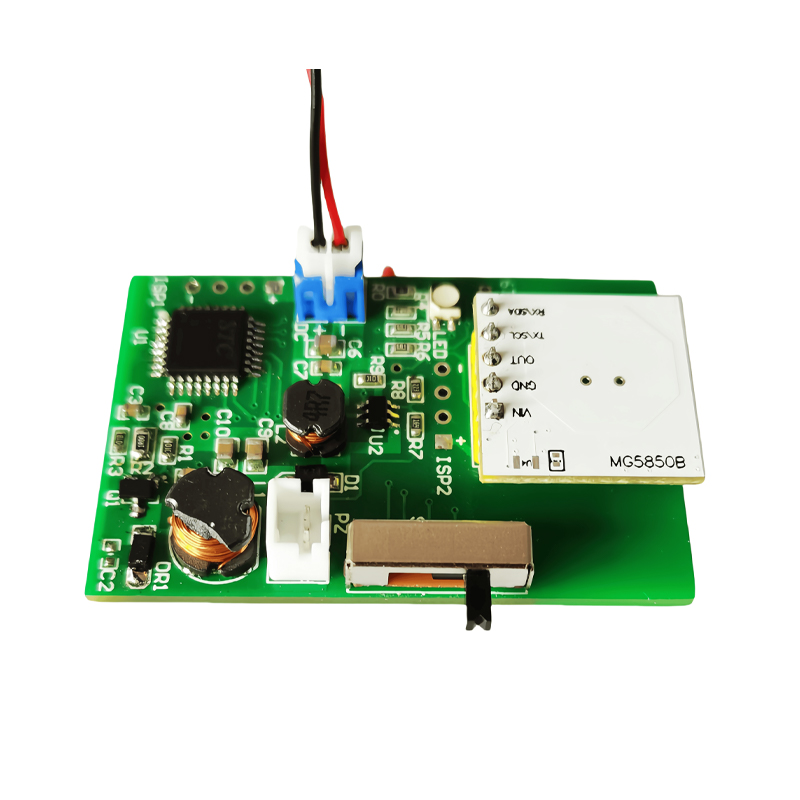
Medical Mesh Atomizer Tray PCB Electronic Smoking Cessation Atomizer PCB Driver Board
-
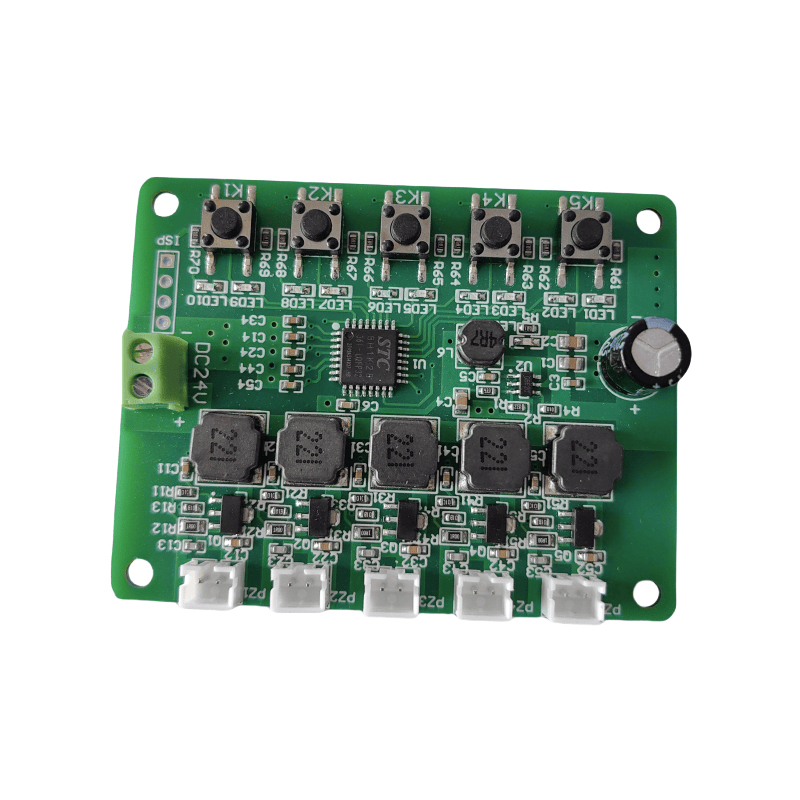
Driver Board For Humidifier Crescent PCB Board Timing 2/4h Function 1.5W
-
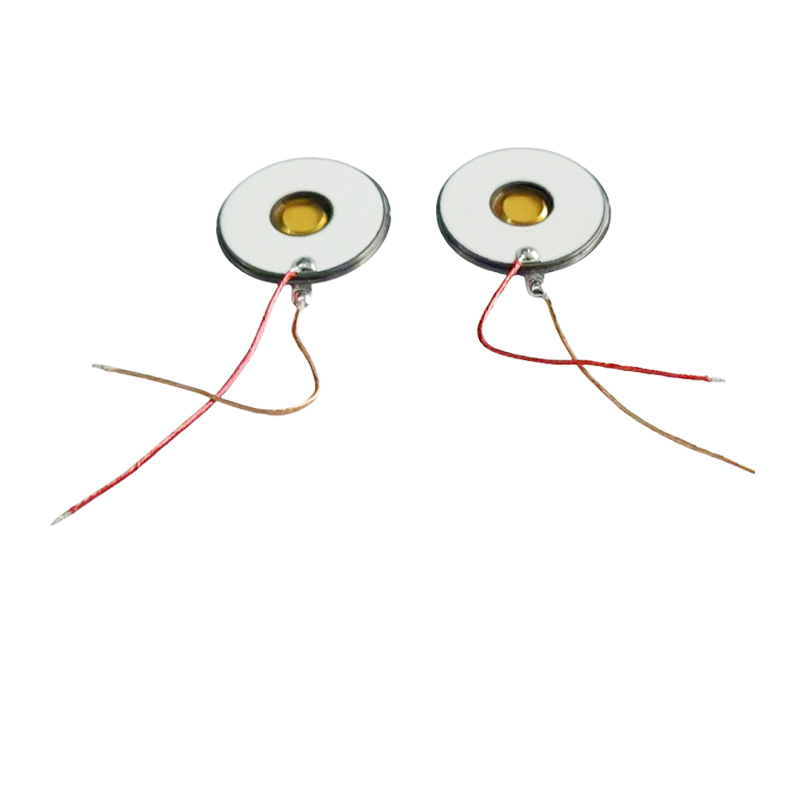
M16-108KHZ Polyimide PI MembraneMesh Micro Mesh NebulizerMedical NebulizerUltrasonic Mesh Nebulizer3μm Microporous Inhalation Nebulizer With Nebulizing DiscPower Consumption1~1.5W
-
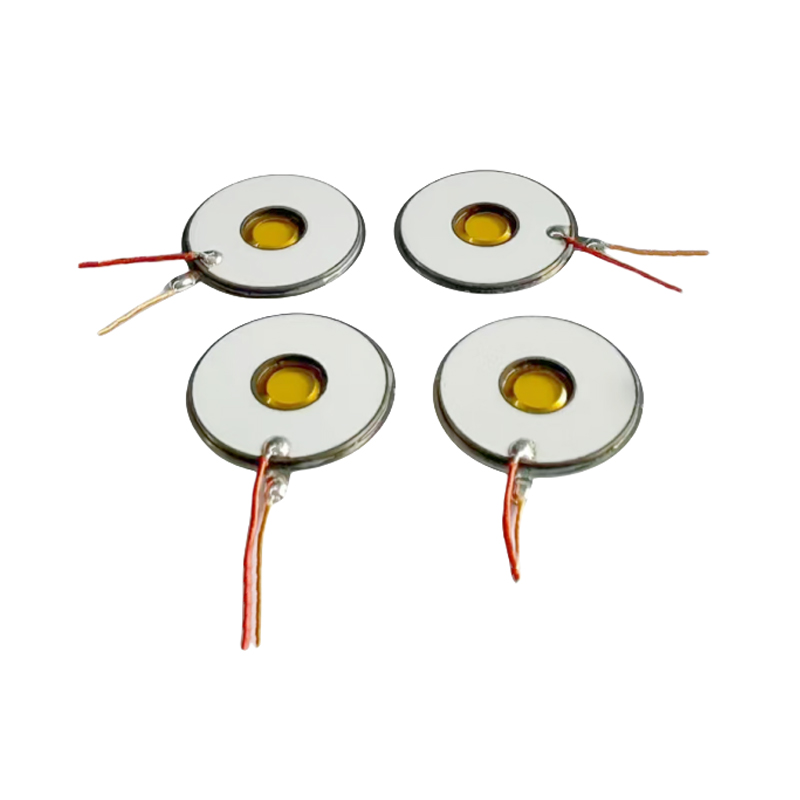
M16-108KHZ Polyimide PI MembraneMesh Micro Mesh NebulizerMedical NebulizerUltrasonic Mesh Nebulizer3μm Microporous Nebulizer Disc For Inhaler Nebulizer
-
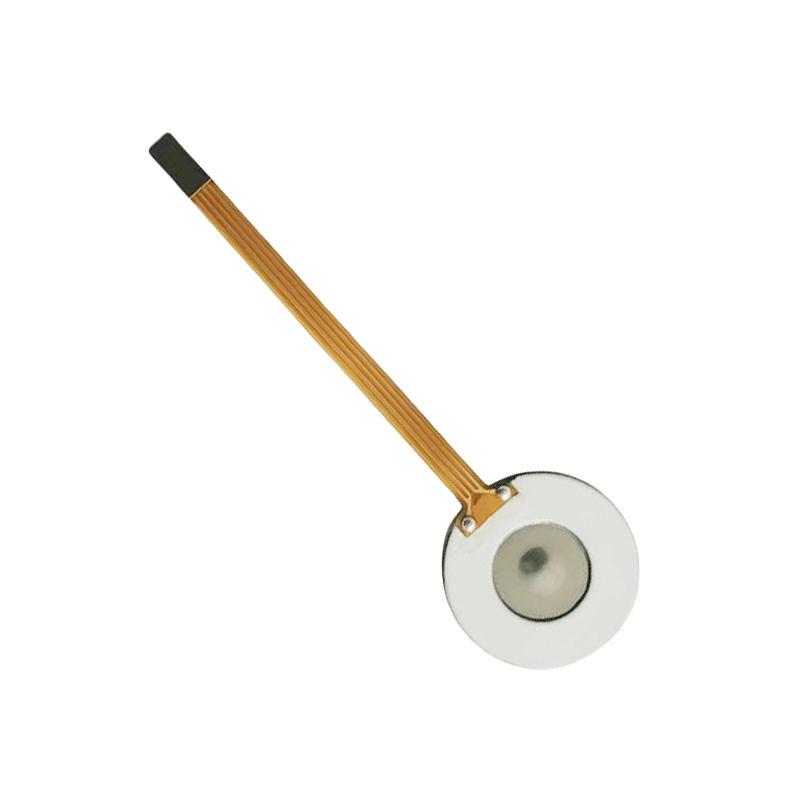
M16-110KHZ Polyimide PI MembraneMesh Micro Mesh NebulizerMedical NebulizerUltrasonic Mesh Nebulizer3μm Microporous Nebulizer Disc For Inhalation Nebulizer
-
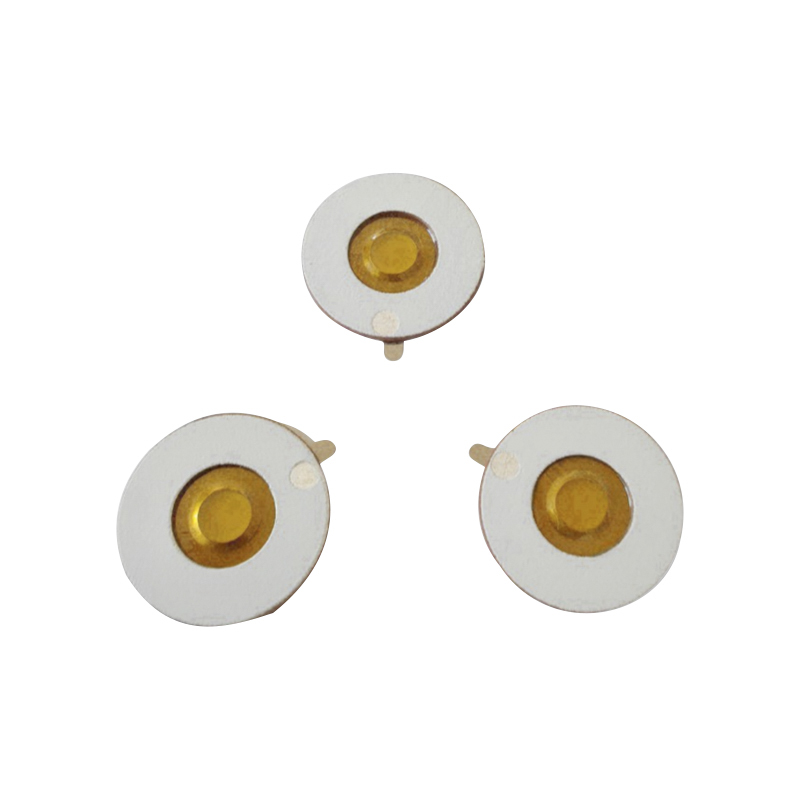
M16-108KHZ Polyimide PI MembraneMesh Micro Mesh NebulizerMedical NebulizerUltrasonic Mesh Nebulizer Tablet3μm Microporous Inhalation Budesonide Nebulizer Tray
- Quick Links
- Product
- About
- Application
- News
- Contact
- Product Links
- Medical Mesh Piezo Atomizer
- Polymer PI Film Piezo Atomizer
- KNN Lead-free Mesh Piezo Atomizer
- PI Lead Free Mesh Zeroing Chip
- Micro-mesh Piezo Atomizer For Heater
- Piezo Atomizer For Fan/Humidification/Beauty
- Ultrasonic Atomizing Transducer
- Ultrasonic High-frequency Piezo Atomizer
- Power Generation/Heating Sensor Piezo Atomizer
- Medical Piezo Atomizer PCB Design
- Precision Laser Micro-hole Processing Technology
- Contact
-
Building 1, Fortune Star 2, No.311 Huanzhen North Road, Chang'an Town, Haining City, Zhejiang Province, China.

-
+86-18006619680

-
+86-13777879680

-
Felix@saidapiezo.com

riney@saidapiezo.com
yugao@saidapiezo.com
emily@saidapiezo.com
dean@saidapiezo.com -
Felix: +86 18157327658

John: +86 18957351358
Emily: +86 18957339358
Dean: +86 15356418868
- Mobile