

 English
 中文简体
中文简体Introduction to Mesh Nebulizer Technology
The evolution of inhalation therapy depends on one critical component: the atomization mechanism. While nebulizer manufacturers have traditionally relied on compressor-driven and ultrasonic technologies, a revolution has emerged through medical mesh piezo atomizer systems. These precision-engineered devices represent a fundamental shift in how medications are delivered to patients, offering unprecedented control over particle size distribution, operational efficiency, and portability.
The three dominant nebulization technologies each possess distinct characteristics. Compressor-based systems generate large aerosol particles through rapid air compression, typically producing MMD (Mass Median Diameter) values between 4-6 micrometers. Ultrasonic nebulizers utilize transducers vibrating at frequencies around 100-180 kHz, delivering improved particle size but with limitations in drug compatibility due to heat generation. Mesh nebulizer technology, however, combines the best attributes: precise micropore delivery, silent operation, exceptional portability, and superior particle size uniformity without thermal stress on medications.
What distinguishes mesh atomization lies in its fundamental engineering. Rather than relying on air compression or simple ultrasonic vibration, mesh systems employ piezoelectric ceramic drivers coupled with laser-drilled metal diaphragms containing thousands of precisely-engineered micropores. This combination enables manufacturers to achieve aerosol characteristics previously impossible with legacy technologies, directly translating to improved clinical outcomes and enhanced patient compliance.
For nebulizer manufacturers, selecting the right piezo atomizer disc supplier becomes a critical business decision. The atomization disc itself—seemingly a simple component—fundamentally determines product performance, reliability, and competitive positioning. This article explores the technical specifications, manufacturing considerations, and selection criteria that industry professionals must understand to make informed partnership decisions.
What Is a Medical Mesh Piezo Atomizer?
Component Architecture and Function
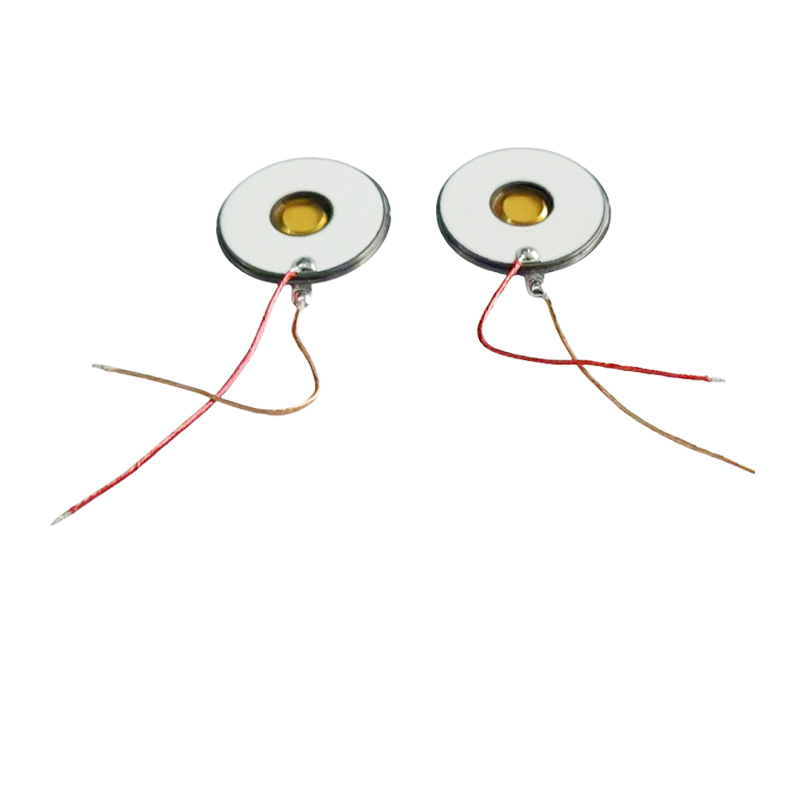
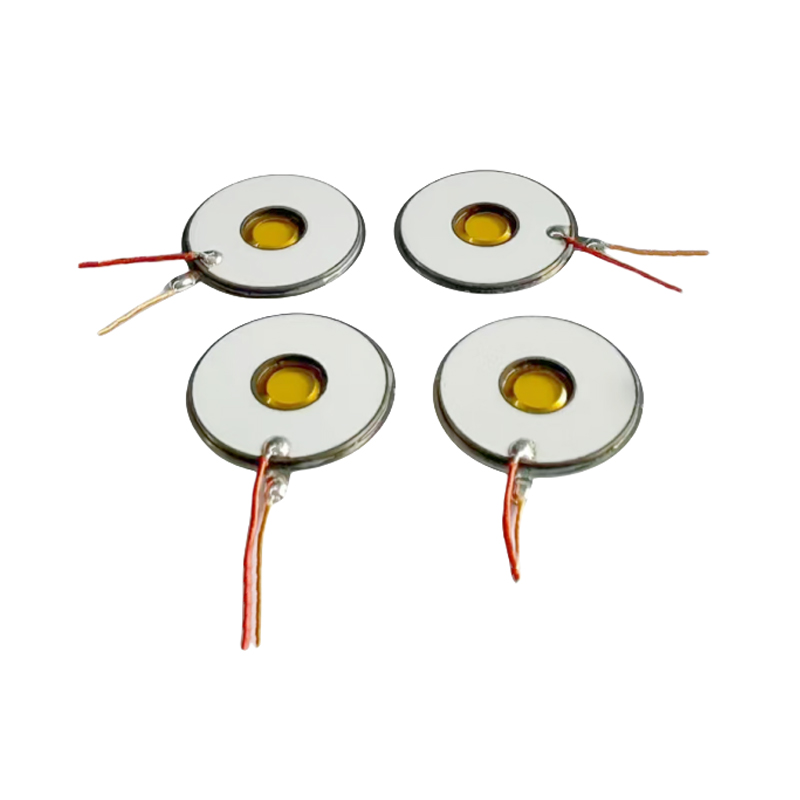
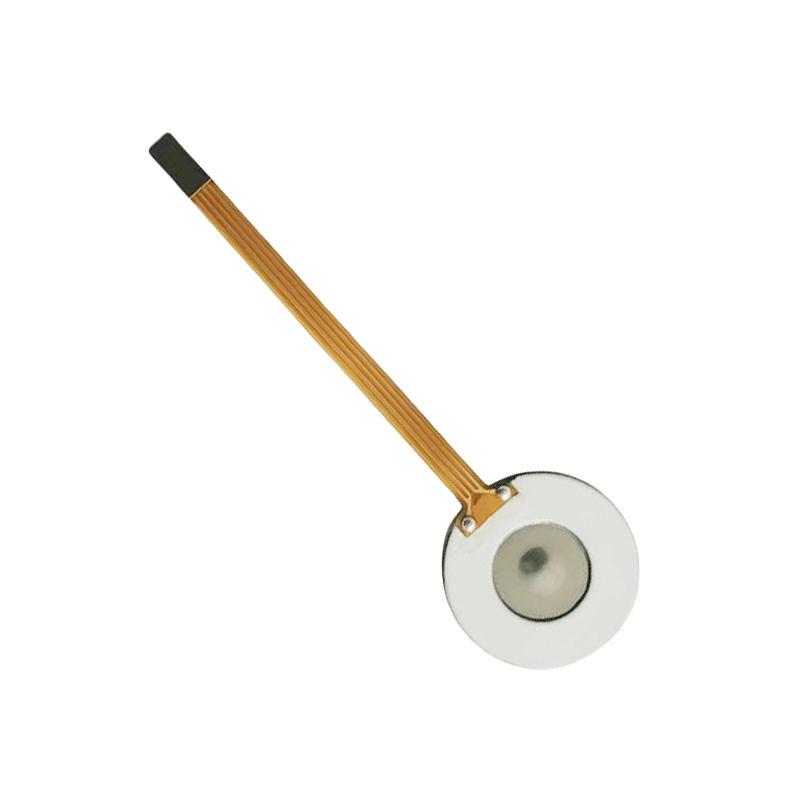
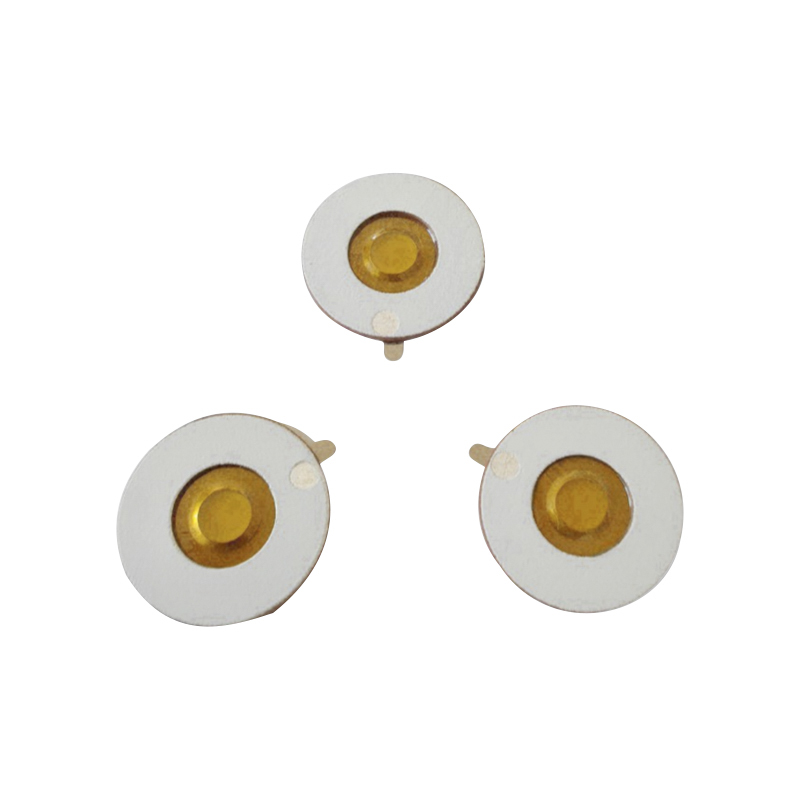
A medical mesh piezo atomizer, also called a vibrating mesh plate or mesh nebulizer disc, represents an integrated precision assembly. It combines three essential elements: a piezoelectric ceramic ring serving as the mechanical actuator, a metal diaphragm containing precisely-drilled micropores ranging from 2-5 micrometers in diameter, and a fluid reservoir chamber optimized for capillary action and particle formation.
The functional mechanism operates through resonant vibration. When electrical drive signals energize the piezoelectric ceramic—typically at frequencies between 110-130 kHz—the material undergoes rapid mechanical oscillation. These vibrations propagate through the metal diaphragm, creating a pumping action that forces liquid medication through the micropore matrix. As droplets pass through individual pores, the rapid acceleration and surrounding air currents break them into fine aerosol particles.
Unlike ultrasonic nebulizers that generate heat through sustained high-frequency vibration of liquid itself, mesh systems isolate thermal stress. The medication remains in a cooler chamber while only the diaphragm vibrates at high frequency, preserving drug stability and bioactivity. This distinction proves especially important for temperature-sensitive pharmaceuticals including certain biologics and immunomodulatory agents.
Key Operating Parameters
Understanding core specifications enables proper selection and integration:
- Resonant Frequency: Typically 110-130 kHz, matching the drive electronics. Frequency stability directly affects nebulization efficiency and consistency. Minor variations can reduce output by 10-15% and create particle size shifts outside therapeutic ranges.
- Micropore Diameter: Ranging from 2-5 micrometers, directly determines MMAD (Mass Median Aerodynamic Diameter). Smaller pores produce MMAD values under 3 micrometers, ideal for deep lung deposition in COPD and asthma treatment.
- Nebulization Rate: Typically 0.2-0.5 ml per minute of aerosol output, determining treatment duration. Higher rates reduce therapy time but require precise control to maintain particle size homogeneity.
- Piezoelectric Coupling: The mechanical-to-electrical energy conversion efficiency, influenced by ceramic material properties and diaphragm geometry. Poor coupling increases power consumption and generates excess heat.
For manufacturers evaluating atomizer discs, these parameters should never be viewed as fixed specifications. Rather, they represent a foundation for customization discussions with qualified suppliers capable of engineering solutions for specific nebulizer chamber geometries and therapeutic applications.
Technical Specifications and Customization Guide
B2B procurement decisions for nebulizer components demand detailed technical comparison. The table below presents typical specification ranges and customization possibilities that distinguish premium suppliers from commodity manufacturers:
| Parameter | Typical Range | Performance Impact | Customizable |
|---|---|---|---|
| Diaphragm Material | Stainless 304/316, Ni-Pd Alloy | Drug compatibility, corrosion resistance | Yes |
| Micropore Diameter | 2.0-5.0 micrometers | MMAD and lung deposition depth | Yes |
| Resonant Frequency | 110-130 kHz | Atomization efficiency, driver matching | Yes |
| Nebulization Rate | 0.2-0.5 ml/minute | Treatment duration and drug delivery volume | Yes |
| Assembly Diameter | 8/10/12/16/20 mm | Nebulizer chamber integration | Yes |
| Piezoelectric Ceramic Type | PZT-based formulations | Electromechanical efficiency and stability | Per requirements |
All parameters listed above remain fully customizable to match your nebulizer platform specifications and therapeutic objectives. Premium manufacturers maintain the manufacturing infrastructure to adjust any single specification without compromising integrated performance across the complete assembly.
Micropore Engineering and Lung Deposition
The relationship between micropore diameter and MMAD determines clinical application suitability. Smaller pores (2.0-2.5 micrometers) produce MMAD values under 2.5 micrometers, enabling preferential deposition in lower respiratory regions—optimal for asthma, COPD, pulmonary fibrosis, and deep-lung drug delivery. Medium pores (3.0-3.5 micrometers) target central airways and represent ideal specifications for broad therapeutic applications. Larger pores (4.0-5.0 micrometers) deliver higher MMAD values suitable for upper respiratory conditions and specialty applications including transmucosal delivery.
This customization capability addresses a critical marketplace reality: different therapeutic indications demand different particle size distributions. A reliable mesh nebulizer disc supplier demonstrates flexibility across this entire specification range, not merely offering commodity products at single configurations.
Materials Science and Manufacturing Excellence
Diaphragm Material Selection and Properties
Medical-grade material selection separates premium components from inadequate substitutes. Stainless steel 304 and 316 remain industry standards, providing exceptional corrosion resistance, biocompatibility, and mechanical stability across repeated vibration cycles. The enhanced molybdenum content of 316-grade material offers superior resistance to chloride-containing medications and aggressive pharmaceutical formulations.
Nickel-palladium alloys represent specialized options for applications requiring extreme drug compatibility or extended contact times with corrosive compounds. While cost-prohibitive for volume manufacturing, these materials enable access to markets where standard stainless materials demonstrate limitations. Polyimide polymers serve specific single-use and cost-sensitive applications, though they sacrifice the durability and reusability advantages of metal diaphragms.
Material selection directly impacts product lifetime. Quality metal diaphragms withstand 500 million to over 1 billion vibration cycles under proper operating conditions—translating to 10-20+ years of practical usage. Inferior material choices show fatigue cracking, pore enlargement, and performance degradation within months, ultimately creating customer dissatisfaction and return rates that damage market reputation.
Laser Drilling Precision and Micropore Consistency
Manufacturing excellence centers on laser micropore creation. Thousands of individual pores must be drilled with micron-level precision while maintaining consistent spacing, depth, and edge quality across the entire diaphragm surface. Even minor variations in pore diameter—differences as small as 0.2 micrometers—cascade into measurable shifts in atomization rate and particle size distribution.
Advanced laser drilling systems employ real-time monitoring and precision optics to maintain drilling consistency across multi-hour production runs. Thermal effects from the laser process must be carefully controlled to prevent micro-cracking around pore edges or material property changes in surrounding metal. Quality manufacturers invest heavily in laser system maintenance and operator training to achieve pore diameter tolerances within 5-10% across 100% of production output.
Consistency validation requires rigorous quality control protocols. Acceptable suppliers employ scanning electron microscopy (SEM) to verify pore geometry at representative intervals, aerosol testing to confirm actual nebulization performance, and statistical analysis to identify process drift before product failures occur. Commodity manufacturers often skip these validation steps, creating significant quality risks for customers.
Piezoelectric Ceramic Matching and Integration
The ceramic element represents the power conversion system of the atomizer disc. Modern piezoelectric ceramics operate through reverse piezoelectric effect: when electric fields energize the material, precise dimensional changes occur, transmitting mechanical vibration to the attached diaphragm. Not all piezoelectric materials perform identically. Key characteristics affecting performance include resonant frequency response, impedance characteristics, electromechanical coupling coefficient, and dielectric properties.
Frequency matching between ceramic and diaphragm proves critical. The complete assembly—ceramic plus metal diaphragm—possesses its own resonant frequency determined by material properties and geometric configuration. Drive electronics must excite this resonant frequency precisely. Mismatched assemblies may require 30-50% higher power input to achieve target nebulization rates, generating excessive heat and consuming battery reserves in portable devices.
Premium suppliers engineer custom ceramic formulations or select specific ceramic grades for each diaphragm configuration, ensuring optimal performance from 110-130 kHz operational range. This attention to ceramic-diaphragm matching distinguishes products delivering consistent performance across manufacturing batches from those showing unacceptable performance variation.
Quality Assurance and Manufacturing Validation
Comprehensive quality control encompasses multiple dimensions:
- Nebulization Performance Testing: Every unit undergoes aerosol output measurement, confirming delivery rate falls within specification. Dimensional laser scanning validates diaphragm thickness and acoustic properties.
- Micropore Inspection: Random sampling and statistical analysis of pore diameter, spacing, and edge quality through optical and electron microscopy.
- Durability Validation: Accelerated vibration testing simulating millions of operational cycles, detecting early signs of fatigue or structural failure modes.
- Biocompatibility Compliance: Testing for cytotoxicity, sensitization potential, and material leachate analysis per ISO 10993 standards.
- Sterilization Compatibility: Validation of material and component stability under ethylene oxide or gamma radiation sterilization processes.
These quality protocols require sophisticated laboratory infrastructure, trained personnel, and substantial capital investment. Manufacturers offering the lowest unit prices typically operate without such validation systems, creating latent risks of field failures, customer dissatisfaction, and potential regulatory exposure.
Application Segments and Market Opportunity
Respiratory Disease Management
Chronic obstructive pulmonary disease and asthma represent primary markets for nebulizer technology. Patients with these conditions require reliable, consistent delivery of bronchodilators, corticosteroids, and mucolytic agents directly to affected airways. Mesh nebulizer systems excel in this application through precise particle size control targeting lower respiratory deposits and reduced treatment duration compared to ultrasonic or compressor systems. A 10-15 minute therapy session becomes feasible, dramatically improving compliance, especially among elderly and pediatric populations.
Cystic fibrosis treatment demands even greater sophistication. Patients require multiple daily medications including DNase, tobramycin, and aztreonam delivered to maximize lung penetration while minimizing systemic absorption. Mesh nebulizers offering MMAD distributions under 2.5 micrometers directly support optimal therapeutic outcomes in this challenging indication.
Pediatric Inhalation Therapy
Children present unique requirements: treatment devices must deliver consistent results without cooperation, operate silently to reduce anxiety, and complete therapy quickly to maintain patient compliance. Mesh nebulizer technology addresses all these criteria simultaneously. Silent operation eliminates the frightening compressor noise associated with traditional nebulizers. Therapy duration drops to 8-12 minutes versus 20-30 minutes with older technologies. Portable, lightweight designs enable travel and school administration.
Parents and caregivers strongly prefer mesh nebulizers for pediatric use, creating significant market differentiation. Manufacturers offering portable mesh-based products command premium pricing while capturing market share from compressor-dominated segments.
Smoking Cessation and Nicotine Delivery
Emerging applications extend beyond pharmaceutical therapy. Electronic smoking cessation atomizers represent a growing market segment where mesh technology delivers nicotine replacement with superior user experience compared to traditional patches or gum. Precise particle size control enables consistent pharmacokinetic delivery, and silent operation suits social acceptance. While regulatory pathways remain complex, this application segment demonstrates substantial growth potential.
Specialty and Emerging Applications
Additional market segments continue expanding. Transmucosal delivery systems leverage mesh atomizers for rapid drug absorption through oral or buccal mucosa. Nasal delivery applications utilize controlled particle sizes to target nasal mucosa without excessive upper airway deposition. Ophthalmologic aerosol therapies represent emerging opportunities where gentle atomization preserves ocular surface integrity. Perfusion medications and innovative biologics increasingly demand mesh technology's gentle, consistent delivery characteristics.
Why Performance Varies Among Seemingly Identical Specifications
Beyond Dimensional Specifications
Two atomizer discs may share identical dimensional specifications yet demonstrate significant performance differences. Understanding these variations proves essential for procurement decisions. Several critical factors operate beyond simple measurements:
Pore Quality and Uniformity: Electron microscopy often reveals dramatic differences in pore quality between suppliers. Superior manufacturing produces pores with smooth, regular edges, consistent depth across the diaphragm, and minimal thermal damage from laser processing. Inferior production generates rough pore edges, inconsistent depth profiles, micro-cracks, and edge irregularities. These subtle differences translate into 15-25% variations in nebulization rate and measurable particle size shifts.
Ceramic-Diaphragm Acoustic Coupling: The same diaphragm paired with different ceramic formulations or bonding approaches produces different resonant frequencies and power transfer efficiency. One supplier's disc might resonate at exactly 120 kHz while another's shifts to 115 kHz, both technically within specification yet requiring different drive electronics or operating at reduced efficiency.
Material Property Variations: Metal suppliers source materials from different mills and batches. While all meet 316L stainless steel specifications, actual mechanical properties, corrosion resistance, and vibration fatigue characteristics vary. Premium manufacturers specify tighter material requirements than minimum industry standards, ensuring predictable long-term performance.
Assembly and Integration Quality: The bond between ceramic and diaphragm critically affects performance. Poor adhesive choices lead to layer separation under vibration, reducing coupling efficiency and eventually catastrophic failure. Premium manufacturers employ medical-grade adhesives, controlled curing processes, and non-destructive testing to validate bond strength before product release.
Manufacturing Process Transparency and Validation
When evaluating potential suppliers, insightful procurement professionals request specific documentation:
- Pore diameter distribution analysis (SEM-verified data across representative production samples)
- Nebulization rate consistency reports (demonstrating deviation under 5% across production batches)
- Biocompatibility and material certification documentation
- Long-term stability testing results (performance measurements after simulated years of operation)
- Resonant frequency matching data for paired ceramic-diaphragm assemblies
- Process capability analysis (Cpk values) for critical manufacturing steps
Suppliers unable or unwilling to provide this documentation operate under commodity manufacturing models prioritizing cost reduction over consistent performance. While price appears attractive initially, field failures, customer complaints, and warranty costs ultimately prove more expensive than paying premium prices for reliable components.
Process Improvement and Continuous Enhancement
Industry-leading manufacturers maintain ongoing quality enhancement programs. Manufacturing processes continuously improve through statistical analysis of production data, customer feedback integration, and investment in advanced equipment. A supplier operating without formal continuous improvement processes delivers static quality—improvements remain rare and reactive rather than proactive.
Leading manufacturers also maintain technical collaboration with customers, gathering real-world performance data and incorporating learnings into next-generation products. This iterative refinement cycle creates tangible performance advantages that simply emerge over time through genuine partnership and shared commitment to excellence.
Evaluating Supplier Capabilities and Partnership Criteria
Manufacturing Infrastructure and Capacity
Reliable suppliers maintain dedicated laser drilling lines with redundancy and preventive maintenance programs ensuring consistent uptime. Equipment specifications should support tolerance requirements for your application—older laser systems may prove inadequate for demanding specifications. Manufacturing capacity must exceed your anticipated volume by 30-50%, providing buffer against unexpected demand increases and quality issues requiring rework.
Quality control infrastructure proves equally critical. Suppliers should operate dedicated testing laboratories with aerosol measurement instruments, optical metrology equipment, and environmental chambers for biocompatibility studies. Testing capability should not represent outsourced functions but rather in-house capabilities enabling rapid problem identification and resolution.
Customization Workflow and Technical Support
The custom component procurement process demands structured collaboration. Premium suppliers typically follow this workflow:
- Requirements Definition: Detailed discussions of your nebulizer chamber geometry, target therapeutic indication, and performance objectives.
- Specification Matching: Engineering team recommends optimized atomizer disc parameters balancing performance, manufacturability, and cost.
- Prototype Development: Initial samples produced for your validation testing and integration trials.
- Iterative Refinement: Based on your feedback, minor adjustments to specifications confirming performance in your specific nebulizer platform.
- Validation Protocol: Formal testing and documentation of final specifications before volume production authorization.
- Volume Production: Transition to high-volume manufacturing with statistical process control ensuring consistent quality.
This structured approach takes 6-12 weeks typically but creates reliable products matching your exact requirements. Suppliers rushing to volume production without adequate development risk delivering components requiring costly redesign later.
Certifications and Regulatory Compliance
Medical device components demand appropriate regulatory certifications. ISO 13485 quality management system certification indicates third-party verified manufacturing processes and documentation. Components should achieve biocompatibility per ISO 10993 series, demonstrating safety for intended contact duration and patient population.
FDA 21 CFR Part 11 electronic records compliance ensures regulatory-grade data integrity if your nebulizer product targets U.S. markets. RoHS and WEEE compliance addresses material and waste requirements for European distribution. Suppliers should provide certificates from recognized notified bodies rather than self-certifications.
Regulatory landscape continues evolving. Leading suppliers maintain active involvement in standards development organizations, ensuring products anticipate regulatory changes rather than reacting after new requirements impose costly redesigns.
Supply Chain Reliability and Business Continuity
Component sourcing extends beyond single-supplier relationships to encompass entire supply chains. Reputable suppliers maintain multiple material suppliers, logistics partners, and backup manufacturing locations reducing vulnerability to disruptions. Business continuity planning should address scenarios including natural disasters, geopolitical events, and pandemic-related restrictions.
Long-term partnership stability matters significantly. Suppliers demonstrating consistent profitability, reasonable leverage, and conservative financial management prove more reliable than those operating at razor-thin margins vulnerable to market downturns. Request financial references and assess supplier stability before committing significant resources to product development partnerships.
Integration Considerations and Design Optimization
Nebulizer Chamber Interface and Aerosol Performance
Atomizer disc performance depends critically on chamber design integration. The medication reservoir height, distance from diaphragm to aerosol collection zone, and airflow dynamics all influence actual delivered particle size and nebulization efficiency. Premium suppliers provide detailed integration guidance including:
- Optimal reservoir volume and medication fill levels
- Recommended distances between diaphragm and aerosol collection chamber
- Airflow rates maximizing particle collection without coalescence
- Baffle design considerations for directing aerosol toward inhalation port
Suppliers should provide computational fluid dynamics modeling or empirical testing data demonstrating how their atomizer disc performs within your specific nebulizer geometry. This goes far beyond simple component specifications, addressing real-world system performance in actual operating conditions.
Driver Electronics and Power Requirements
Piezoelectric ceramic elements require precise electrical drive signals. Frequency, voltage, and waveform all affect performance and component lifetime. Suppliers should specify optimal drive parameters and provide oscilloscope-verified waveform recommendations. Battery consumption varies significantly based on drive efficiency—poor design consuming 5 watts versus efficient design at 2 watts creates dramatically different patient experience in portable devices.
Temperature effects demand consideration. Nebulizer operation generates minimal heat in optimal designs but excessive heat indicates impedance mismatching or defective components. Temperature monitoring during initial prototyping reveals design issues before volume production.
Packaging and Sterilization Compatibility
Sterilization method selection—ethylene oxide gas, gamma irradiation, or autoclaving—influences material and component selection. Not all adhesives, coatings, and material combinations withstand all sterilization approaches. Suppliers must confirm component integrity across your selected sterilization method and validate stability through shelf-life monitoring studies.
Packaging design protects components during transportation while allowing proper sterilization gas penetration or radiation exposure. Suppliers should provide sterilization compatibility data and support packaging specification development ensuring component integrity throughout product shelf life.
Frequently Asked Questions
Q1: What is the primary difference between mesh nebulizers and ultrasonic nebulizers?
Mesh and ultrasonic nebulizers differ fundamentally in atomization mechanism. Ultrasonic systems vibrate the entire liquid reservoir directly, converting electrical energy into mechanical oscillation that breaks surface tension and creates aerosol. This process generates significant heat—liquid temperatures can rise 5-10 degrees Celsius during operation—potentially degrading temperature-sensitive medications. Mesh systems isolate the medication from high-frequency vibration; only the diaphragm oscillates while liquid remains in a separate chamber. This architecture eliminates heat generation, preserves drug stability, and enables precise particle size control through micropore engineering. Mesh systems typically operate at lower power consumption, deliver superior particle size uniformity, and offer greater portability due to simpler electronic requirements.
Q2: What mesh size or pore diameter produces optimal deep lung particle size for respiratory indications like COPD?
Deep lung deposition requires Mass Median Aerodynamic Diameter (MMAD) below 3 micrometers, with optimal ranges between 1.5-2.5 micrometers for maximum alveolar penetration. Micropore diameters of 2.0-2.5 micrometers typically produce these target MMAD values. However, the relationship between pore diameter and final particle size involves numerous variables including reservoir fill level, nebulization rate, aerosol collection chamber design, and breathing pattern. Suppliers should provide aerosol characterization data (cascade impactor results) demonstrating MMAD performance in actual operating conditions rather than simple pore diameter specifications. Customization to your specific nebulizer platform design enables optimization for your target application.
Q3: Can atomizer disc specifications be customized for our unique nebulizer chamber design and target patient population?
Complete customization represents the norm for serious component suppliers. Dimensions, micropore diameters, piezoelectric specifications, material selection, and assembly architecture can all be engineered for your specific requirements. The customization process begins with detailed technical discussions regarding your nebulizer chamber geometry, target therapeutic indications, desired nebulization rate, and performance objectives. Engineering teams then develop prototype specifications for your validation and integration testing. This collaborative approach ensures delivered components optimize performance within your complete system rather than forcing your design to conform to commodity product limitations. Most customization projects require 8-16 weeks from specification through validated prototype samples ready for submission testing.
Q4: What minimum order quantities apply to custom mesh piezo atomizers?
Minimum order quantities vary significantly based on customization degree and production complexity. Standard products with minimal customization might require 1,000-5,000 unit minimum orders. Highly customized designs or modifications may accept smaller initial orders (500-1,000 units) to accommodate market introduction or clinical trial requirements. Premium suppliers typically offer graduated pricing providing cost advantages as volume increases, recognizing the relationship development between partners. Early-stage discussions should clarify MOQ expectations for your specific requirements. Experienced suppliers understand business development cycles and structure terms supporting customer success through product introduction phases.
Q5: What regulatory certifications and quality standards should custom nebulizer components meet?
Medical device components should comply with ISO 13485 quality management system standards, verified through third-party certification. Biocompatibility testing per ISO 10993 series confirms material safety for intended patient contact. Suppliers serving European markets should maintain CE marking compliance per Medical Device Regulation (MDR). Companies serving U.S. markets require FDA 21 CFR Part 11 compliance for electronic records integrity. Additional standards may apply based on your nebulizer product classification and intended therapeutic use. Reputable suppliers maintain current certifications, provide certificate documentation, and actively participate in standards development ensuring products anticipate evolving regulatory requirements. Request supplier certifications early during evaluation to confirm compliance with your product requirements.
Q6: What is the typical lead time for custom nebulizer disc development and volume production?
Custom development timelines typically follow this schedule: initial requirements definition and engineering assessment (1-2 weeks), prototype design and first sample production (4-6 weeks), your validation and feedback integration (2-4 weeks), final specification approval and documentation (1-2 weeks), then volume production commencement. Complete development cycles from initial contact through first production shipment typically require 12-20 weeks depending on complexity and iteration requirements. Volume production lead times after full approval typically range 4-8 weeks for standard quantities. Emergency or expedited production may incur surcharges but should remain possible for qualified suppliers with adequate manufacturing capacity. These timelines assume normal business operations; pandemic, geopolitical events, or supply chain disruptions may require longer periods.
Q7: How do I request engineering support or obtain sample atomizer discs for testing in our nebulizer platform?
Contact prospective suppliers with preliminary specifications including desired pore diameter range, assembly dimensions, target nebulization rate, and intended therapeutic application. Engineering teams will provide initial recommendations and sample costs. Request for quotes typically specify sample quantity (often 5-20 pieces for testing purposes) and delivery timeframe. Samples allow integration testing, aerosol performance characterization, and real-world validation before committing to volume production. Quality suppliers support this development process as routine business practice, recognizing sample investments lead to larger production partnerships. Sample evaluation periods typically provide 30-60 days for your testing and feedback, followed by specification refinement if needed before volume production authorization.
Q8: What criteria should evaluate suppliers beyond simply comparing unit price?
Lowest unit price rarely correlates with lowest total cost of ownership. Comprehensive supplier evaluation should assess: manufacturing infrastructure and quality systems, technical depth and customization capability, regulatory certifications and compliance track record, biocompatibility and material testing expertise, supply chain reliability and business continuity planning, customer support and responsiveness, delivery reliability and on-time performance, and warranty support and problem resolution processes. Request references from existing customers operating in similar markets and obtain their candid assessments regarding supplier performance and partnership quality. Site visits to manufacturing facilities reveal quality culture and operational capability better than documents alone. Professional procurement recognizes that reliable component suppliers represent strategic partnerships driving product success, justifying reasonable price premiums over undifferentiated commodity sources.
Conclusion: Strategic Partnership for Nebulizer Excellence
The medical mesh piezo atomizer represents far more than a commodity component. Rather, it constitutes the performance foundation of modern inhalation therapy devices. Precision micropore engineering, advanced piezoelectric ceramic matching, rigorous manufacturing quality control, and collaborative technical support directly determine whether your nebulizer product delivers clinical excellence or merely adequate performance.
Manufacturers selecting atomizer disc suppliers based solely on unit price perpetuate a false economy. Superior components cost more to manufacture—sophisticated laser systems, rigorous quality testing, and advanced materials demand investment. However, these investments translate directly into products delivering clinical advantages, patient compliance improvements, and market differentiation supporting premium positioning.
Strategic procurement recognizes component selection as a critical competitive advantage. Partnering with suppliers demonstrating manufacturing excellence, technical depth, regulatory sophistication, and genuine commitment to collaborative problem-solving creates products that succeed in demanding healthcare markets.
The next step toward product excellence involves detailed technical discussions with qualified suppliers. Share your nebulizer chamber specifications, target therapeutic indications, and performance objectives. Request engineering recommendations, sample availability for validation testing, and comprehensive documentation demonstrating manufacturing capability and quality assurance processes. Evaluate suppliers against criteria extending far beyond initial pricing, recognizing that superior atomizer disc performance ultimately determines your nebulizer product's market success.
Schedule consultation with experienced technical teams to discuss your specific requirements. Provide your nebulizer chamber dimensions, target MMAD specifications, and desired nebulization rate parameters. Receive personalized recommendations for optimal atomizer disc specifications, obtain samples for your validation testing, and explore partnership opportunities supporting your product development objectives and long-term market success.