


 English
 中文简体
中文简体Why PCB Design Defines Atomization Performance in Medical Devices
In a piezo atomizer, the vibrating mesh or disc gets the attention. The PCB is often treated as a supporting component. That assumption is costly in medical device development. The PCB medical piezo atomizer disc assembly is not a passive carrier. It is the signal engine that determines whether the piezoceramic element vibrates at the intended frequency, with the intended waveform, for the intended number of treatment cycles.
For engineers and procurement teams sourcing atomizer drive components, the real question is not whether a board can conduct current. The question is whether it can deliver stable high-frequency drive, survive repeated disinfection, and maintain atomization consistency across the device lifetime. That is a medical-grade requirement, not a consumer-grade one.
The Hidden Role of PCB in Medical Piezo Atomizer Discs
A piezoelectric disc operates through the inverse piezoelectric effect: an applied voltage causes mechanical deformation, and alternating voltage produces vibration. In nebulizer applications, that vibration generates the force that breaks liquid medication into inhalable droplets. The PCB translates electrical energy into a precise high-frequency drive signal. If the signal distorts, the vibration becomes uneven. If the vibration becomes uneven, droplet size distribution widens, and the delivered dose becomes less predictable.
Mass median aerodynamic diameter (MMAD) is a critical therapeutic parameter. A medical atomizer PCB that maintains tight frequency control supports consistent MMAD. A board with poor impedance matching or thermal drift does not. The difference may appear small on a bench test, but it becomes significant in clinical use.
The Shift from Consumer-Grade to Medical-Grade PCB
Consumer nebulizers prioritize cost and basic function. Medical devices prioritize repeatability, safety, and documented reliability. The circuit requirements diverge accordingly.
| Requirement | Consumer-Grade Approach | Medical-Grade Approach |
|---|---|---|
| Frequency stability | Moderate tolerance, often ±5% or wider | Typically ±1% or tighter across operating range |
| Material selection | Standard FR-4, cost-driven | High-frequency laminates with stable dielectric properties |
| Safety protection | Basic overcurrent protection | Real-time current monitoring, dual insulation, fault diagnostics |
| Cleaning and disinfection | Limited chemical resistance | Conformal coating and surface finishes resistant to repeated disinfection |
| Traceability | Minimal documentation | Batch traceability, material declarations, RoHS and biocompatibility support |
Market data supports the shift. The custom PCB market for medical electronics reached approximately 2.7 billion USD in 2023. PCB demand for aerosol therapy devices has grown at an annual rate above 18 percent. High-end medical atomizer products often carry a 30 to 45 percent premium over consumer alternatives. That premium reflects reliability, not marketing.
4 Technical Requirements for Custom PCB Medical Piezo Atomizer Discs
A medical piezo atomizer PCB is specified around four practical requirements. Each one affects whether the atomizer performs as a medical device or merely as a consumer gadget.
1. High-Frequency Drive Stability at 1.7 MHz and Above
Many medical nebulizers operate at frequencies of 1.7 MHz or higher. At these frequencies, parasitic capacitance, trace inductance, and impedance mismatch become dominant sources of signal distortion. A board designed without high-frequency discipline can deliver a drive signal with visible harmonic distortion, causing inconsistent vibration and wider droplet distribution.
Effective solutions include multi-layer stackups with dedicated ground planes, controlled impedance traces, and short return paths. These measures can hold drive signal distortion below 0.5 percent and stabilize atomization frequency within ±1 percent. For a medical atomizer PCB design service, that level of control is a baseline expectation, not an upgrade.
2. Material Selection for Medical Environments
Standard FR-4 is not always suitable for high-frequency medical drive circuits. Its dielectric constant varies with temperature, which shifts impedance and alters drive behavior. High-frequency laminates such as Rogers RO4000 series materials offer a dielectric constant temperature coefficient near zero. This keeps electrical performance consistent across the operating temperature range of a handheld or benchtop nebulizer.
Material choice also affects safety compliance. Medical devices require materials that meet biocompatibility contact requirements where applicable and RoHS restrictions. Selecting the right base material early reduces the risk of redesign during certification.
3. Integrated Safety Protection Mechanisms
Medical atomizers operate near patients. Safety circuits are not optional. A robust medical-grade PCB for nebulizer applications typically includes real-time current monitoring, dual insulation with dielectric withstand above 400 VAC, and fault self-diagnosis circuitry. These features detect abnormal drive conditions before they become safety events.
Reliability data matters here. A well-designed medical atomizer PCB can achieve mean time between failures exceeding 10,000 hours. Industrial-grade boards in similar duty cycles may show 15 to 20 percent performance degradation over five years, while medical-grade custom designs can hold degradation below 5 percent.
4. Durability Under Continuous Vibration and Disinfection
The PCB in a piezo atomizer lives in a harsh environment. It experiences continuous high-frequency vibration from the piezoceramic disc and repeated exposure to cleaning agents. Electroless nickel and immersion gold surface finishes resist corrosion. Conformal coating protects traces and components from disinfectant chemicals. Elastic mounting structures absorb vibration and reduce mechanical stress on solder joints.
These measures extend service life and reduce field failures. For procurement teams, they also reduce the total cost of ownership across the device lifecycle.
Customization Options for Your Specific Atomizer Design
No two atomizer designs are identical. A portable inhaler has different constraints than a benchtop clinical nebulizer. Custom PCB for piezo atomizer projects must adapt to the mechanical, electrical, and therapeutic requirements of the device.
Flexibility in PCB Form Factor
Rigid boards remain the standard for many benchtop and modular designs. Flexible boards fit curved or space-constrained housings, which is common in portable inhalers. Rigid-flex boards combine structural support with bendable sections, allowing the drive circuit to fold into compact enclosures without additional connectors.
Material and Coating Adaptations
Different drug formulations interact differently with atomizer surfaces. Hydrophilic coatings can improve liquid spreading and consistent aerosol generation for certain solutions. Hydrophobic coatings can reduce residue and improve delivery efficiency for others. The right coating depends on the medication and the intended dose accuracy.
Miniaturization via HDI Technology
High-density interconnect (HDI) technology allows line widths and spacing down to 50/50 micrometers. This can reduce board area by up to 40 percent compared with conventional design rules. For portable inhalers and wearable nebulizers, that space saving is often the difference between a feasible product and a compromised one.
| Customization Area | Option | Typical Application |
|---|---|---|
| Form factor | Rigid, flexible, rigid-flex | Benchtop, portable, wearable |
| Coating | Hydrophilic or hydrophobic | Formulation-specific drug delivery |
| Miniaturization | HDI with 50/50 µm line width/spacing | Compact inhaler and handheld devices |
| Integration | Piezo disc and PCB co-design | Reduced assembly steps and improved reliability |
How We Ensure Reliability: Design, Prototype, Production
Reliability in medical atomizer electronics is built through a controlled process, not through final inspection alone. A structured workflow reduces procurement risk and supports regulatory documentation.
- Circuit design and verification: Electrical simulation, impedance modeling, and thermal analysis are performed before layout. Design reviews check high-frequency behavior and safety margins.
- Functional prototyping: Prototype boards are assembled with the intended piezoceramic disc and tested for drive stability, droplet consistency, and thermal performance under load.
- Design verification testing: Boards undergo vibration, disinfection cycling, and electrical stress testing. Results are documented for traceability.
- Mass production: Production panels use controlled processes with batch traceability. Material declarations and RoHS documentation are available for medical device submissions.
For medical customers, traceability and certification support are part of the deliverable. This includes RoHS compliance, biocompatibility contact material documentation where applicable, and manufacturing records that support audit requirements.
Frequently Asked Questions About Medical Piezo Atomizer PCB
Q1: What is the minimum order quantity for custom PCB medical piezo atomizer discs?
Minimum order quantity depends on the board complexity and the testing requirements. For initial engineering samples, low-volume runs are possible. Production quantities are negotiated based on panel utilization and material availability. The goal is to support both prototype validation and scaled manufacturing without forcing unnecessary inventory.
Q2: Can you support low-volume prototyping for clinical trials?
Yes. Clinical trial phases often require small, traceable batches with documented material declarations. Prototype runs can be produced with the same material and process controls as production, which helps maintain consistency between trial devices and final products.
Q3: What is the typical lead time for design verification and mass production?
Design verification timelines depend on the number of design iterations and testing requirements. A typical first-pass prototype may take several weeks. Design verification testing adds additional time for vibration, disinfection, and electrical stress testing. Mass production lead time depends on material procurement and volume. A detailed schedule is provided after the technical requirements are reviewed.
Q4: Do you provide driver circuit design support, or only PCB manufacturing?
Driver circuit design support is available. The PCB and the piezo disc form a coupled electromechanical system. Designing the board without considering the disc characteristics often leads to suboptimal atomization. Co-design support helps match the drive circuit to the piezoceramic element and the target droplet size.
Q5: How do you handle the piezoceramic disc and PCB integration?
Integration depends on the device architecture. In some designs, the disc is mounted directly to the PCB with elastic bonding. In others, a flexible interconnect or a separate driver board connects to the disc assembly. The mechanical and electrical interface is defined during the design phase to ensure reliable vibration transfer and stable electrical contact over the device lifetime.
Request a Quote for Your Custom PCB Medical Piezo Atomizer Disc
Tell us your atomization target, including frequency, droplet size, and device form factor. We will propose a PCB solution that addresses drive stability, material compliance, and integration requirements. Send your specifications and we will reply with a feasibility assessment within 48 hours.
Whether you need a medical atomizer PCB design service for a new platform or a custom PCB for piezo atomizer production, the starting point is the same: define the atomization target and work backward to the board specification. That approach keeps the focus on therapeutic performance and medical-grade reliability.
Related Products
-
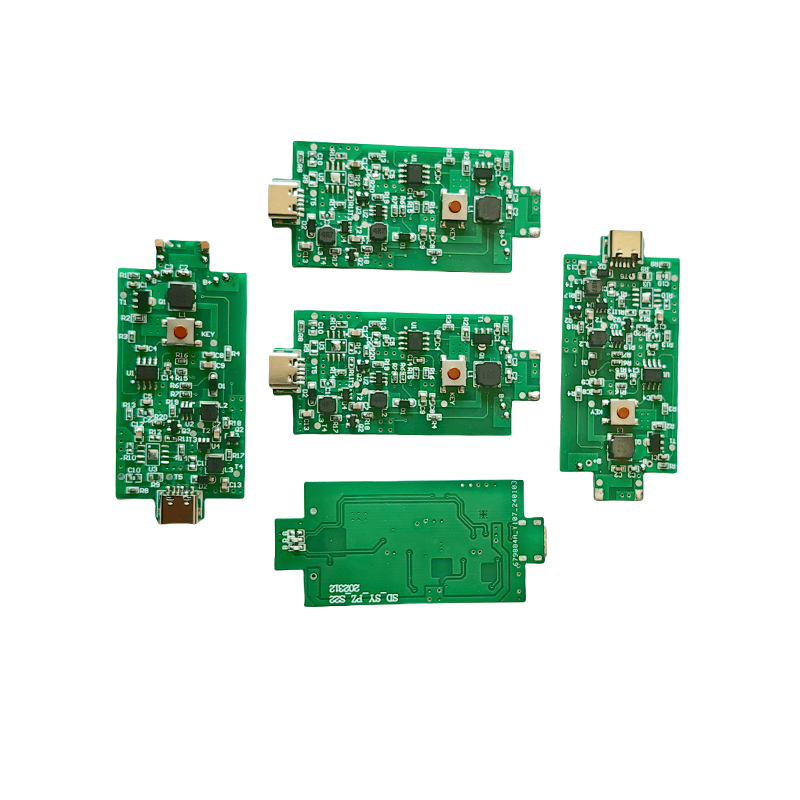
Humidifier Aromatherapy Humidifier Misting Tray PCB Board USB6V12V24V Five Head PCB Driver Board 10 Head Driver Board
-
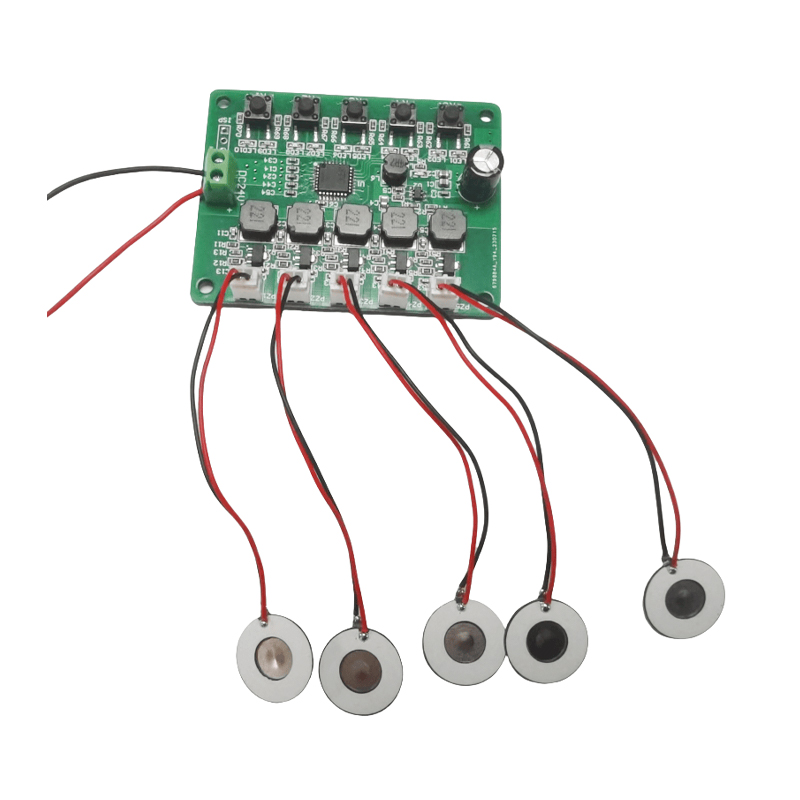
Medical Inhalation Nebulizer Respirator Head-mounted Nebulizer PCB Driver B
-
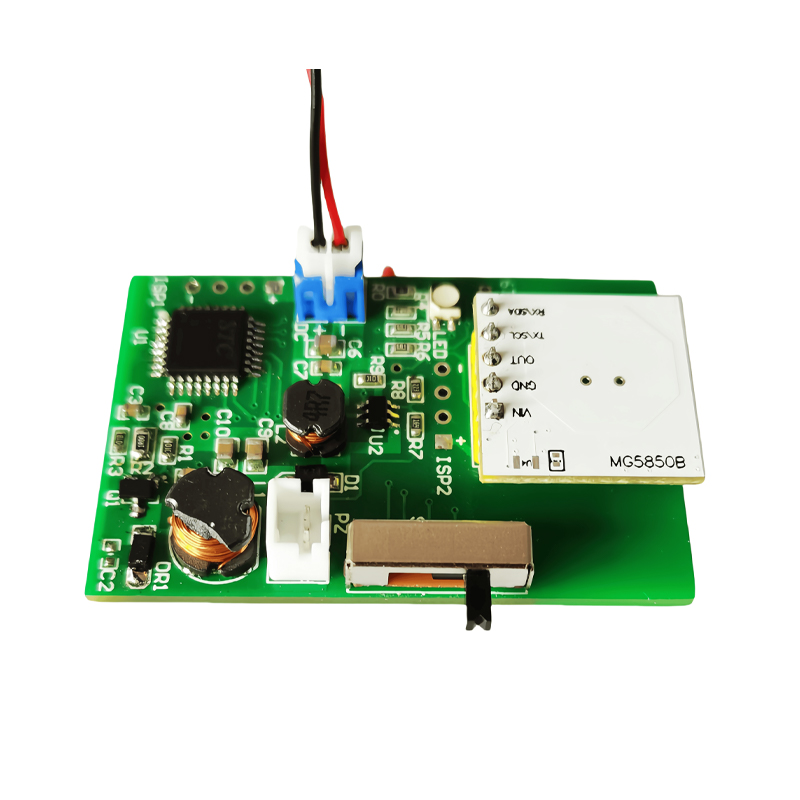
Medical Mesh Atomizer Tray PCB Electronic Smoking Cessation Atomizer PCB Driver Board
-
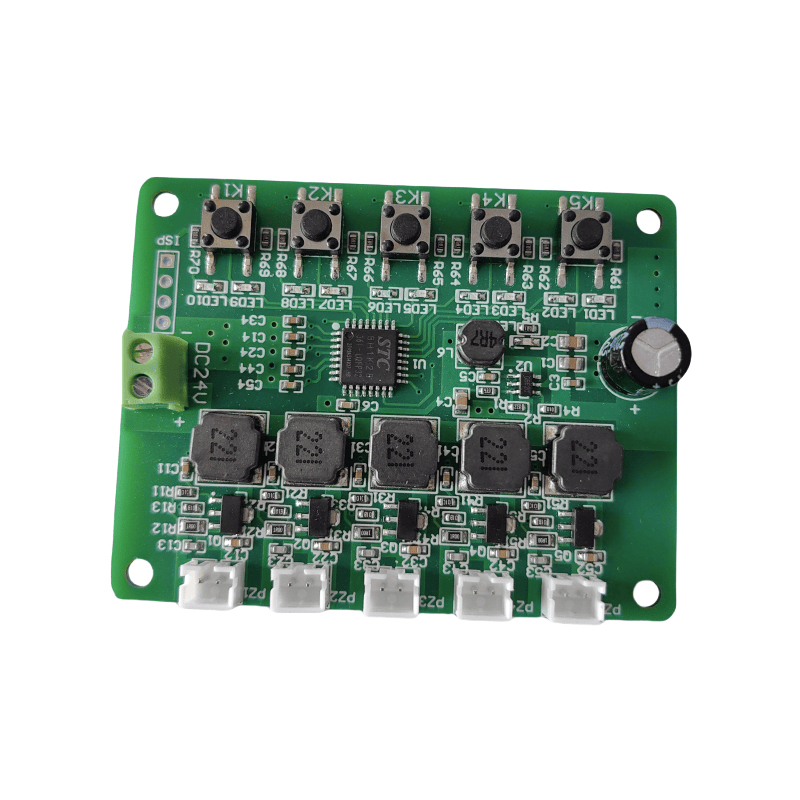
Driver Board For Humidifier Crescent PCB Board Timing 2/4h Function 1.5W
-
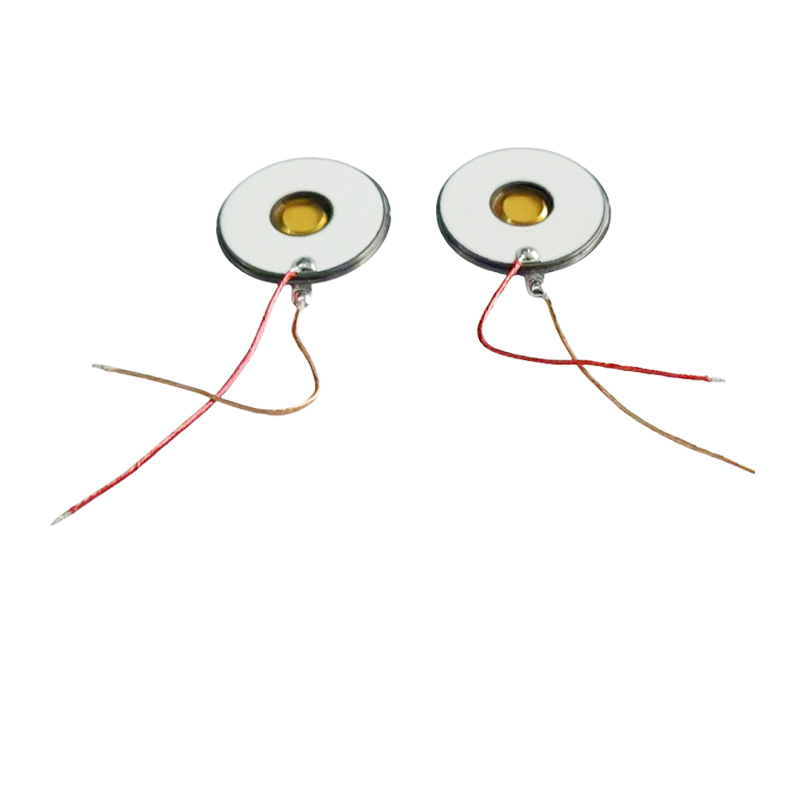
M16-108KHZ Polyimide PI MembraneMesh Micro Mesh NebulizerMedical NebulizerUltrasonic Mesh Nebulizer3μm Microporous Inhalation Nebulizer With Nebulizing DiscPower Consumption1~1.5W
-
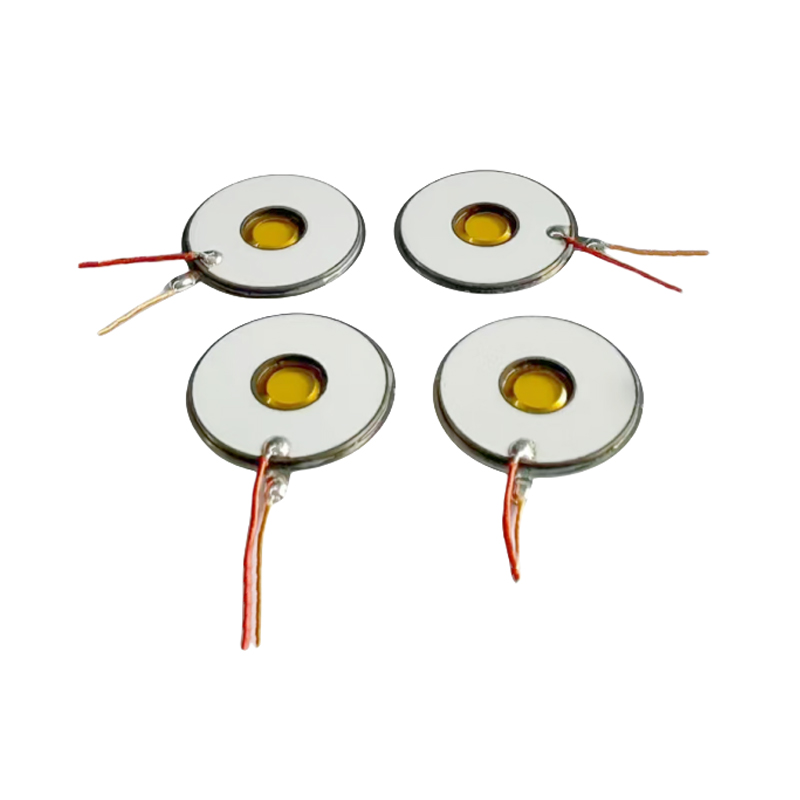
M16-108KHZ Polyimide PI MembraneMesh Micro Mesh NebulizerMedical NebulizerUltrasonic Mesh Nebulizer3μm Microporous Nebulizer Disc For Inhaler Nebulizer
-
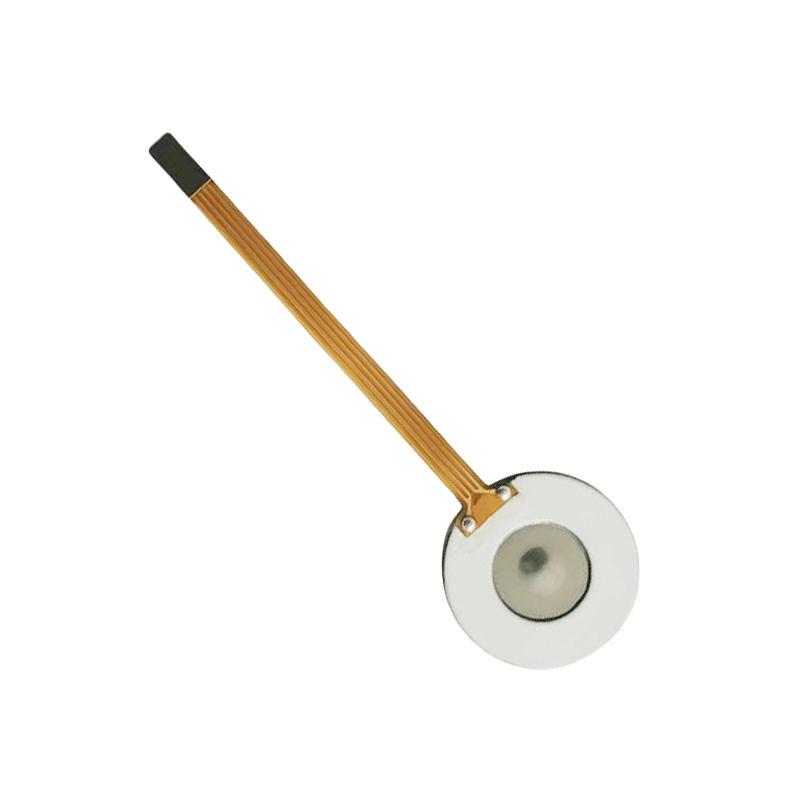
M16-110KHZ Polyimide PI MembraneMesh Micro Mesh NebulizerMedical NebulizerUltrasonic Mesh Nebulizer3μm Microporous Nebulizer Disc For Inhalation Nebulizer
-
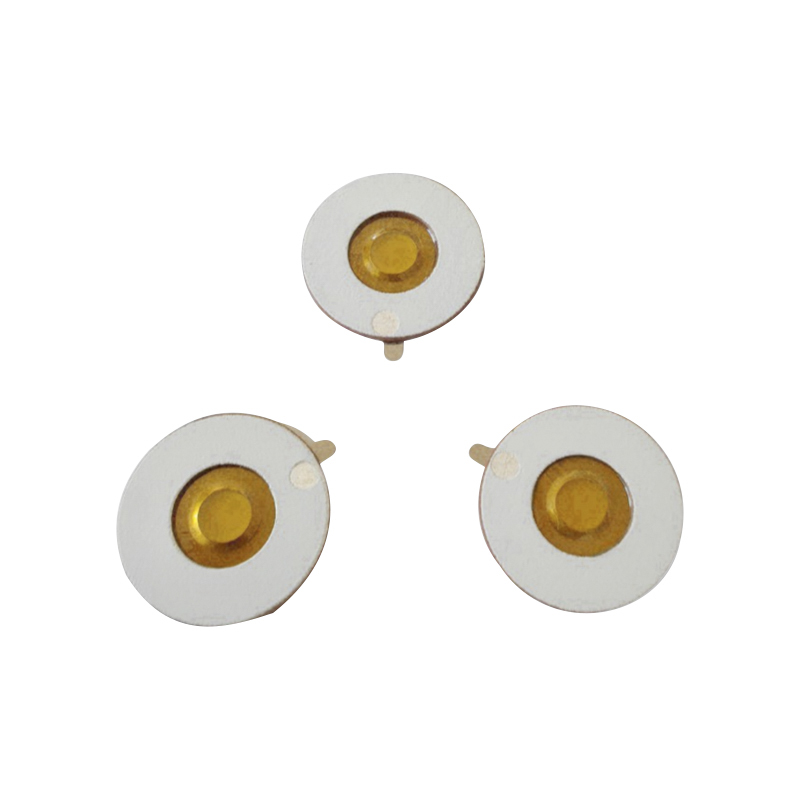
M16-108KHZ Polyimide PI MembraneMesh Micro Mesh NebulizerMedical NebulizerUltrasonic Mesh Nebulizer Tablet3μm Microporous Inhalation Budesonide Nebulizer Tray
- Quick Links
- Product
- About
- Application
- News
- Contact
- Product Links
- Medical Mesh Piezo Atomizer
- Polymer PI Film Piezo Atomizer
- KNN Lead-free Mesh Piezo Atomizer
- PI Lead Free Mesh Zeroing Chip
- Micro-mesh Piezo Atomizer For Heater
- Piezo Atomizer For Fan/Humidification/Beauty
- Ultrasonic Atomizing Transducer
- Ultrasonic High-frequency Piezo Atomizer
- Power Generation/Heating Sensor Piezo Atomizer
- Medical Piezo Atomizer PCB Design
- Precision Laser Micro-hole Processing Technology
- Contact
-
Building 1, Fortune Star 2, No.311 Huanzhen North Road, Chang'an Town, Haining City, Zhejiang Province, China.

-
+86-18006619680

-
+86-13777879680

-
Felix@saidapiezo.com

riney@saidapiezo.com
yugao@saidapiezo.com
emily@saidapiezo.com
dean@saidapiezo.com -
Felix: +86 18157327658

John: +86 18957351358
Emily: +86 18957339358
Dean: +86 15356418868
- Mobile