

 English
 中文简体
中文简体The Challenge with Traditional Atomization Technology
Medical device manufacturers and IoT developers face a persistent problem: conventional atomizers—whether constructed from stainless steel mesh or basic ceramic materials—consistently underperform in real-world applications. These traditional designs suffer from clogging when exposed to viscous formulations, leave excessive residue on the atomization surface, degrade rapidly under temperature fluctuations, and prove incompatible with sensitive pharmaceuticals. For precision medicine applications, these limitations are unacceptable.
A patient requiring long-term aerosol therapy deserves equipment that reliably delivers consistent particle sizes. A smart home humidifier should operate for thousands of hours without performance degradation. An inhaled medication should maintain its molecular integrity throughout the atomization process. These requirements demand a fundamentally different approach to atomizer design.
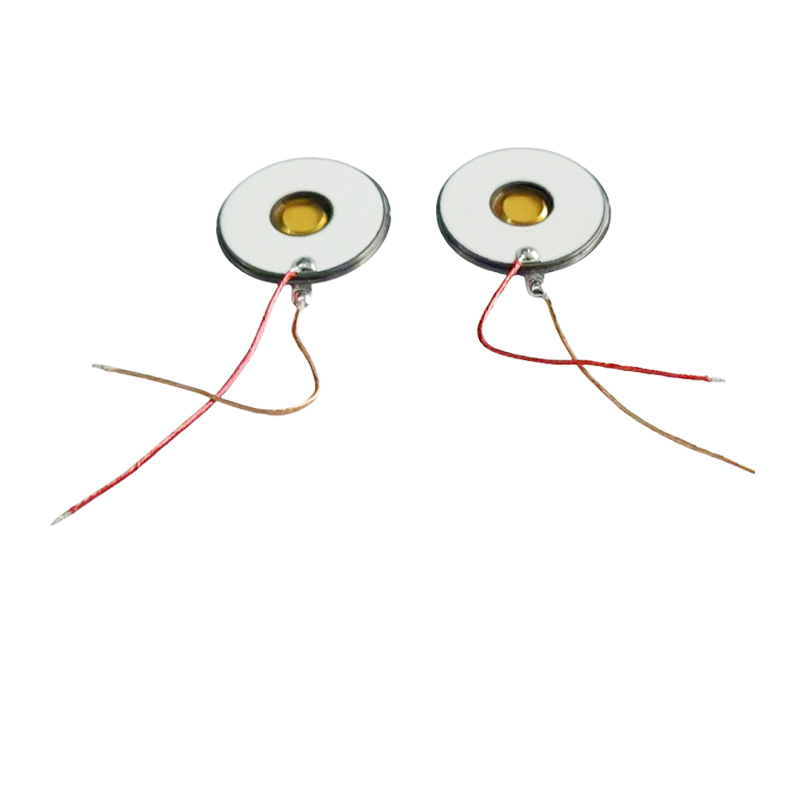
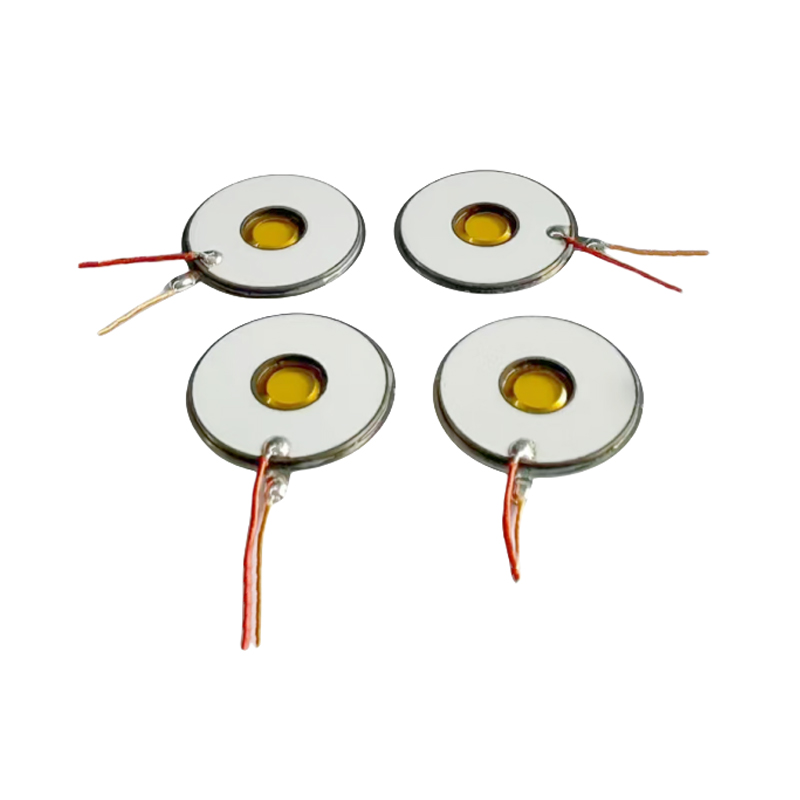
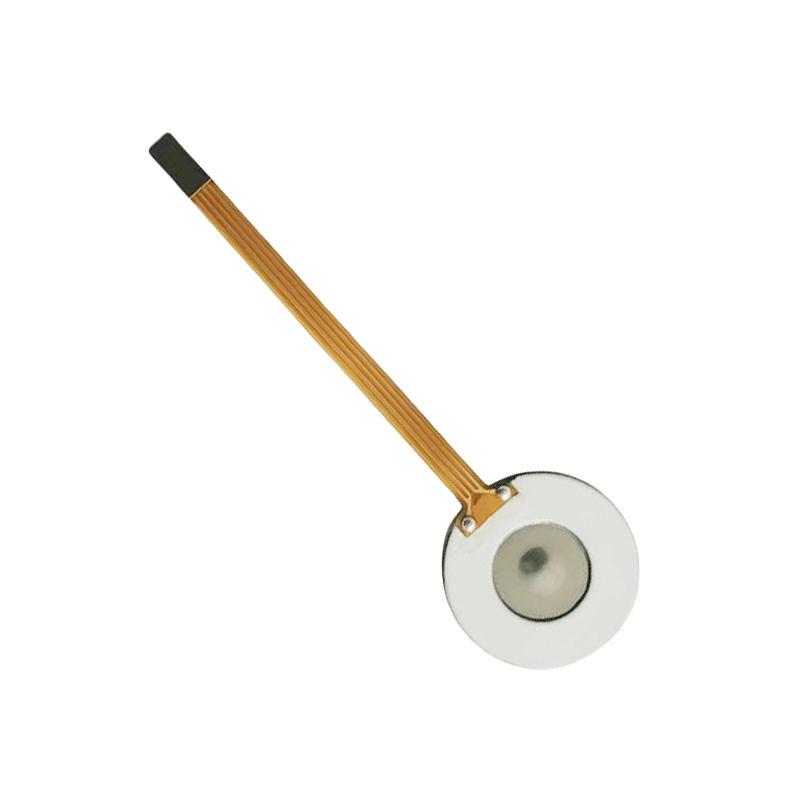
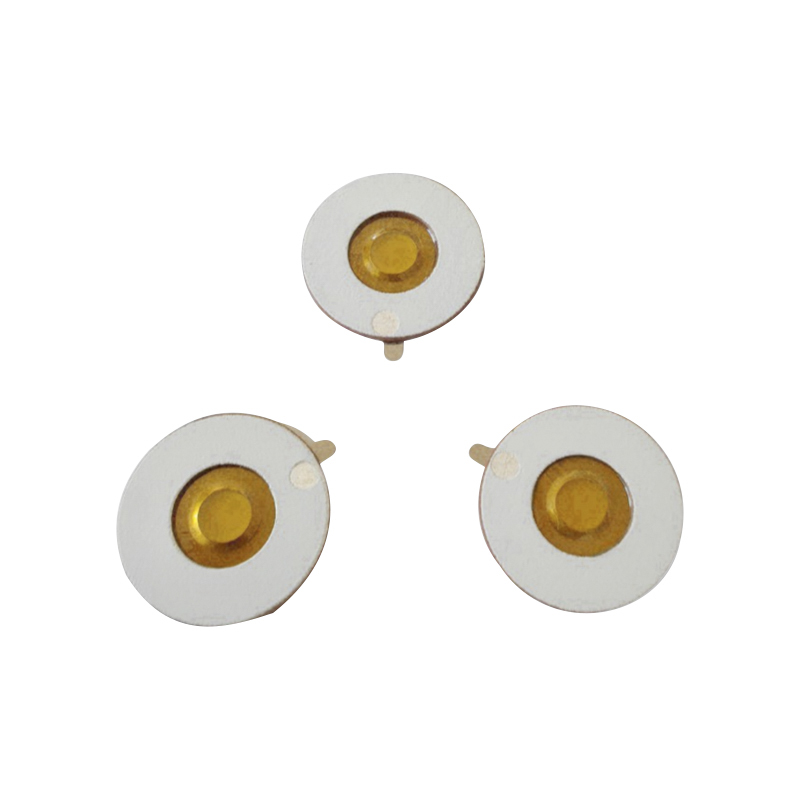
Enter the polymer PI film piezo atomizer—a precision-engineered solution specifically designed to overcome the limitations of conventional atomization technology. Unlike traditional alternatives, this advanced system combines the mechanical properties of polyimide film with ultrasonic piezo technology to deliver unprecedented performance across medical, consumer electronics, and industrial applications.
The Material Science Behind Superior Performance
The foundation of polymer PI film piezo atomizer technology lies in the material selection and engineering precision. Polyimide (PI) film represents a significant advancement over conventional atomizer materials, offering a unique combination of physical and chemical properties that directly address the shortcomings of existing solutions.
Thermal Stability and Chemical Resistance
Polyimide film maintains structural integrity across an exceptional temperature range—from -200°C to +300°C—without degradation or performance loss. This thermal stability becomes critical in medical applications where sterilization through autoclaving (typically 121°C at 2 atm) is standard practice. Traditional ceramic and metal atomizers may develop micro-fractures during repeated sterilization cycles. Polyimide film tolerates unlimited sterilization cycles, extending device lifespan and reducing replacement costs for healthcare facilities.
Chemical compatibility presents another dimension of superiority. Pharmaceutical suspensions and solutions contain diverse active ingredients, surfactants, and preservatives. Polyimide film resists chemical degradation from these formulations that would corrode standard stainless steel or compromise ceramic glazing. Hydrophobic and hydrophilic drug solutions, corticosteroid suspensions, and even specialized biologics remain compatible with PI film surfaces without chemical interaction or residue accumulation.
Surface Characteristics and Anti-Clogging Design
The internal surface of polyimide film exhibits exceptional smoothness when laser-drilled with precision micropores. Unlike porous ceramic with irregular internal walls that trap particulates and drug residue, PI film maintains consistent surface geometry throughout each atomization cycle. This design eliminates the cross-contamination concerns that plague traditional atomizers when used sequentially with different medications.
The atomization holes themselves represent precision engineering. Using laser-drilling technology, manufacturers create micropores with diameters controlled to within micrometers, typically ranging from 2.5 to 4.0 micrometers. This precision directly determines the droplet size distribution produced during atomization, enabling reproducible particle generation essential for therapeutic applications requiring specific MMAD (Mass Median Aerodynamic Diameter) targets.
Mechanical Reliability Under Vibration
Piezoelectric atomizers operate at ultrasonic frequencies—typically 108 kHz to 140 kHz—generating millions of vibration cycles. Material fatigue at these frequencies rapidly degrades conventional atomizer membranes. Polyimide film exhibits superior fatigue resistance, withstanding extended operation at rated frequencies with minimal stress-induced degradation. This translates to device longevity exceeding 3,000 hours of continuous operation, representing months of regular use in medical settings or years in intermittent smart home applications.
Technical Specifications and Performance Metrics
Engineers and procurement professionals require concrete performance data to guide component selection. The following specifications represent typical performance characteristics of modern polyimide piezo atomizers across various applications.
| Parameter | Typical Value | Unit | Application Relevance |
|---|---|---|---|
| Operating Frequency | 108 - 140 | kHz | Determines ultrasonic energy coupling efficiency |
| Resonant Frequency Tolerance | +/- 5 | kHz | Ensures consistent performance across units |
| Particle Size (MMAD) | 3.5 or 1.7-2.8 | micrometer | Lung deposition targets for respiratory therapy |
| Atomization Rate | 0.30 | ml/min | Drug delivery rate in medical applications |
| Output Capacity | 18-30 | ml/hour | Total throughput for smart device applications |
| Operating Voltage | 3.7 - 5.0 | Volts | Compatible with battery and USB power sources |
| Electrical Impedance | 100 - 200 | Ohms | Critical for driver circuit design |
| Operating Lifespan | 3000+ | Hours | Device reliability and maintenance intervals |
| Temperature Operating Range | -20 to +55 | deg C | Ambient environment compatibility |
| Sterilization Cycles Supported | 50+ | Cycles | Healthcare facility reuse capability |
Performance Advantages Over Traditional Atomizers
These specifications translate directly into measurable advantages in real-world applications:
- Uniform particle generation ensures consistent drug delivery, eliminating dose variability from batch-to-batch membrane degradation
- Extended lifespan reduces the total cost of ownership by decreasing replacement frequency and associated labor costs
- Low operating voltage enables integration with portable battery-powered devices without requiring excessive power conditioning circuits
- Chemical compatibility permits use with specialty pharmaceuticals that would damage conventional atomizer materials
- Repeatability across manufacturing batches ensures that devices function identically whether produced in the first or last unit in a production run
Specialized Applications Across Multiple Industries
The polymer PI film piezo atomizer addresses distinct requirements across three primary application domains, each with unique performance demands and regulatory considerations.
Medical Nebulization and Respiratory Therapy
The medical nebulizer market represents the most performance-critical application space. Patients with asthma, chronic obstructive pulmonary disease (COPD), and cystic fibrosis rely on nebulizers for essential medication delivery. These devices must meet stringent biocompatibility requirements, including resistance to the specific active ingredients in medications like albuterol, budesonide, and combination formulations.
Polyimide film atomizers enable manufacturers to achieve several critical compliance requirements: the materials contain no lead or toxic leachables, the smooth surface minimizes drug residue accumulation (reducing microbial growth), and the consistent particle size ensures optimal lung deposition patterns. Medical device manufacturers leveraging PI film atomizers report significantly reduced warranty claims and improved long-term patient satisfaction metrics compared to traditional designs.
The lead-free construction addresses an increasingly important regulatory requirement. Many developing markets now restrict or prohibit lead-containing materials in any device intended for pediatric use, and many healthcare systems prefer lead-free components for universal applicability across patient populations.
Smart Home and IoT Applications
The smart home ecosystem—encompassing connected humidifiers, aroma diffusers, and air quality enhancement systems—demands extended operating life with minimal maintenance. These devices operate continuously for months, often at varying ambient temperatures. A polyimide piezo atomizer delivers the operational stability required for reliable smart home integration.
Low power consumption enables integration with battery-powered portable devices and smart systems requiring minimal energy draw. The extended lifespan means fewer replacement cartridges, reducing both consumer frustration and environmental waste from device cycling. For manufacturers integrating IoT connectivity, reliable atomizer performance becomes a critical component of device reputation and customer retention.
Smart humidifiers utilizing polymer PI film atomizers can achieve precise humidity control through programmable atomization cycles, enabling integration with home automation systems that adjust humidification based on occupancy, weather, and user preferences. This level of sophistication requires an atomizer that maintains consistent output across hundreds of thousands of operating cycles.
Portable and Wearable Atomization Devices
The emerging market for portable and wearable atomization devices—from hand-held personal nebulizers to integrated medical patches—requires atomizer designs that prioritize miniaturization and weight optimization. Polyimide film's inherent strength-to-weight ratio enables compact device architectures impossible with traditional materials requiring thicker structural components for equivalent durability.
Wearable applications demand exceptional reliability during continuous operation and mechanical stress. The polymer PI film piezo atomizer's superior vibration tolerance and fatigue resistance make it ideal for devices subject to body movement and environmental stress that would damage conventional atomizers. Patients using portable nebulizers during travel or athletic activities benefit from equipment that performs consistently regardless of movement or environmental conditions.
Manufacturing Excellence and Quality Assurance
The transition from laboratory polymer PI film piezo atomizer concepts to production devices requires manufacturing infrastructure, quality control systems, and compliance frameworks that distinguish reliable suppliers from marginal competitors.
Regulatory Compliance and Certifications
Medical device manufacturers producing atomizers for healthcare applications must navigate complex international regulatory frameworks. Leading manufacturers of polymer PI film piezo atomizers maintain ISO 9001 certification for quality management systems, demonstrating systematic approaches to process control, documentation, and continuous improvement.
FDA compliance for devices distributed in North American markets requires either 510(k) clearance (for devices substantially equivalent to predicate devices) or De Novo classification pathways. Manufacturers utilizing polyimide film atomizers that have been previously cleared for similar applications can often leverage established regulatory precedents, accelerating their own regulatory approval timelines.
ROHS (Restriction of Hazardous Substances) and REACH compliance certifications address the elimination of lead, cadmium, mercury, and other restricted materials. For manufacturers exporting to European and Asian markets, these certifications are non-negotiable prerequisites. Polyimide film materials inherently satisfy these requirements without requiring substitution strategies or alternative sourcing.
Manufacturing Origin and Supply Chain Stability
The concentration of atomizer manufacturing in specialized facilities creates supply chain dependencies that significantly impact device manufacturers' ability to maintain production schedules. Established manufacturers with dedicated polyimide film piezo atomizer production facilities offer supply chain stability through:
- Direct control over raw material sourcing and quality specifications
- In-house precision laser-drilling capabilities ensuring consistent micropore geometry
- Comprehensive testing protocols including frequency response verification, impedance measurements, and atomization performance validation
- Documented traceability enabling recall management and regulatory investigations if required
- Responsive customer support with technical expertise in atomizer integration and troubleshooting
Manufacturers with 15+ years of atomizer development experience bring accumulated knowledge addressing the subtle integration challenges that distinguish successful commercialization from prototype projects. This experience encompasses material selection, manufacturing process optimization, quality control methodologies, and application-specific design guidance.
Performance Comparison: PI Film vs. Traditional Atomizer Technologies
To contextualize the advantages of polyimide film atomizers, consider how they compare across key performance dimensions with conventional technologies still widely deployed in market applications.
| Performance Dimension | Stainless Steel Mesh | Ceramic Material | Polymer PI Film |
|---|---|---|---|
| Clogging Resistance | Poor - residue traps | Moderate - porous surface | Excellent - smooth finish |
| Chemical Compatibility | Limited - corrosion risk | Moderate - some leaching | Excellent - inert surface |
| Sterilization Cycles | Moderate - 10-20 cycles | Moderate - 15-25 cycles | Excellent - 50+ cycles |
| Operating Lifespan | Limited - 500-800 hrs | Moderate - 1000-1500 hrs | Extended - 3000+ hrs |
| Particle Size Consistency | Moderate - degrades over time | Moderate - variable geometry | Excellent - maintained throughout life |
| Temperature Tolerance | Moderate range | Moderate range | Extended range -200 to +300°C |
| Lead-Free Compliance | Variable - material dependent | Variable - material dependent | Inherent - by material composition |
| Cost Per Unit | Low - commodity pricing | Low-Moderate - tooling required | Moderate - precision manufacturing |
The comparison reveals that while polymer PI film atomizers command a moderate price premium over traditional technologies, the total cost of ownership strongly favors PI film implementations through extended lifespan, reduced replacement frequency, and improved device reliability metrics that enhance market reputation and reduce warranty obligations.
Integration Guidelines for Device Manufacturers
Successfully implementing a polymer PI film piezo atomizer within a medical device or consumer electronics product requires attention to several critical integration factors that influence final device performance and manufacturing economics.
Electrical Driver Circuit Considerations
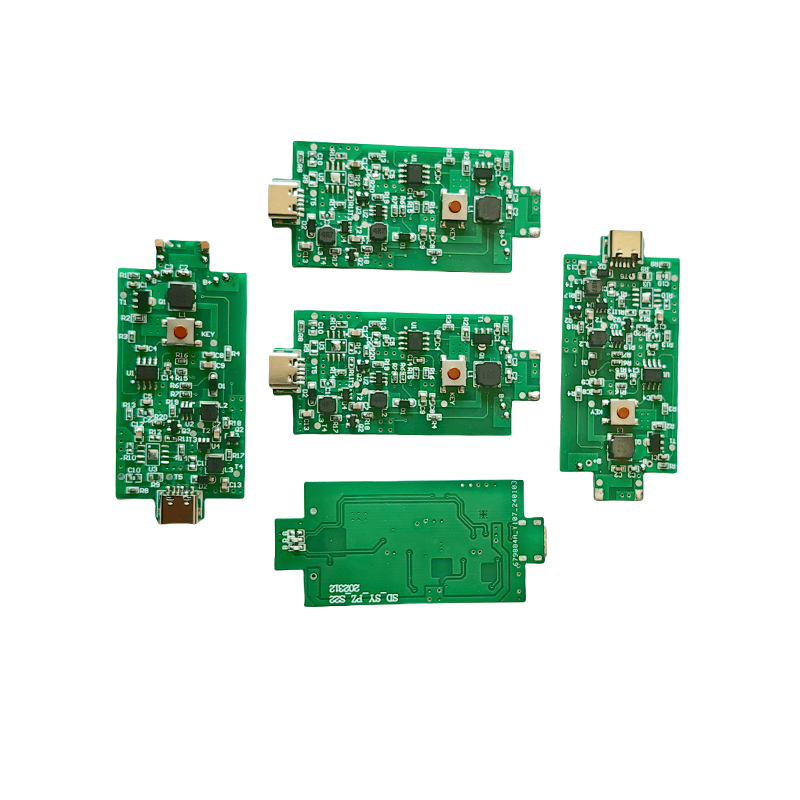
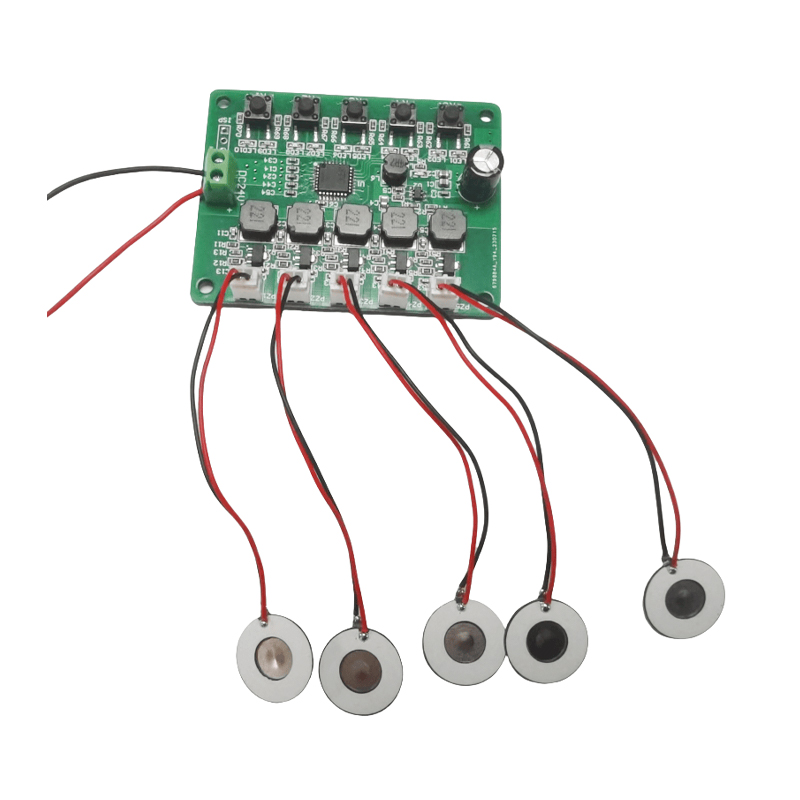
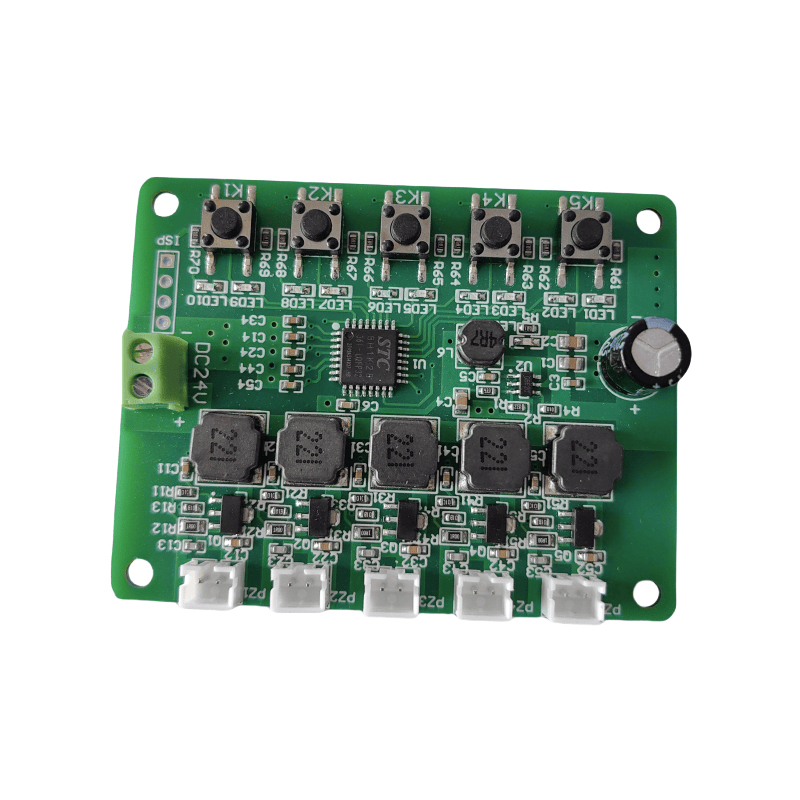
Polyimide piezo atomizers operate as capacitive loads with impedance typically ranging from 100-200 ohms. The driving circuit must provide sufficient current output to establish resonance at the atomizer's specified operating frequency (typically 108-140 kHz). Undersized driver circuits produce insufficient energy transfer, resulting in reduced atomization output or complete device malfunction. Oversized circuits waste power and generate excessive heat, reducing battery life in portable applications.
Modern driver integrated circuits specifically designed for piezo atomization provide automatic frequency tracking, ensuring the driving signal remains in phase with the atomizer's resonant frequency across temperature variations and component tolerances. This automatic tuning maintains consistent atomization performance regardless of environmental conditions or component aging.
Fluid Pathway Design
The design of fluid delivery pathways from the medication reservoir to the atomizer significantly influences particle generation efficiency and the occurrence of nebulization. Optimal designs feature:
- Minimal fluid pathway volume to reduce residence time and drug degradation
- Smooth transitions eliminating turbulence that degrades particle uniformity
- Capillary-based feeding that provides consistent fluid supply without excessive pressure
- Drainage provisions that prevent fluid accumulation around the atomization surface
Housing and Acoustic Optimization
The physical housing surrounding the atomizer influences the acoustic field that directs nebulized particles toward the user. Poorly designed housings allow acoustic energy to dissipate in unintended directions, reducing the effective particle generation that reaches the patient or application environment. Proper acoustic design concentrates the ultrasonic energy field, maximizing the fraction of generated particles delivered to the intended location.
Atomizer Architecture Overview
Frequently Asked Questions About Polymer PI Film Piezo Atomizers
Q1: What specific pharmaceutical formulations are compatible with polyimide film atomizers?
Polyimide film demonstrates broad compatibility with virtually all pharmaceutical suspensions and solutions used in respiratory therapy and other atomization applications. Specific validated formulations include albuterol bronchodilators, budesonide corticosteroids, combination therapies, and specialty biologics. The smooth, chemically inert surface prevents interaction with active ingredients, preservatives, and surfactants commonly found in medical formulations. However, device manufacturers should conduct stability studies with their specific formulations to document compatibility and guide regulatory submissions. Certain industrial applications involving highly aggressive solvents may require compatibility testing to confirm suitability, though polyimide film exceeds the chemical resistance of all widely-deployed alternative materials.
Q2: How does the laser-drilling process ensure consistent micropore geometry across production batches?
Laser drilling technology provides unprecedented precision in creating atomization holes. Computer-controlled laser systems achieve micrometers-level accuracy, ensuring that each hole maintains consistent diameter, depth, and geometry specifications. Quality control testing verifies hole dimensions on representative samples from each production batch through advanced microscopy techniques. This automated, precision-based manufacturing process eliminates the material-dependent variability inherent in mechanical drilling or chemical etching methods. Manufacturers employing laser-drilling capabilities typically achieve hole geometry tolerances of plus or minus 2-5 micrometers, ensuring consistent particle size generation across production units and across the device's operational lifetime. This manufacturing consistency directly translates to reliable clinical performance and regulatory compliance for medical applications.
Q3: Can polyimide film atomizers be sterilized using standard hospital autoclave protocols?
Yes, polyimide film atomizers fully support standard steam sterilization protocols used throughout healthcare settings. Standard hospital autoclaves operate at 121 degrees Celsius (250 degrees Fahrenheit) and 2 atmospheres pressure for 15-30 minutes. Polyimide material remains structurally stable across unlimited sterilization cycles using these parameters. This reusability capability significantly reduces operational costs for healthcare facilities compared to single-use atomizer designs. For devices designed as reusable components, polyimide film atomizers enable multiple patient use following proper cleaning protocols and sterilization validation. This capability becomes particularly valuable in high-volume clinics or long-term care settings where amortizing atomizer costs across multiple uses reduces per-treatment expenses. Facilities should follow equipment-specific sterilization instructions provided by device manufacturers, as sterilization procedures may vary based on overall device design and material combinations.
Q4: What operating voltage do polymer PI film piezo atomizers typically require?
Standard polymer PI film piezo atomizers operate across a 3.7 to 5.0 volt range, with many designs optimized for 5.0 volt operation. This voltage range enables direct integration with common power sources including USB power supplies, AC-DC adapter outputs, and battery systems using two to three lithium-ion or alkaline cells in series. The low voltage requirement simplifies driver circuit design and reduces component costs compared to higher-voltage alternatives. Portable devices targeting battery operation benefit from the extended runtime enabled by low operating voltage and associated driver efficiency. Some specialized designs operate at voltage points outside this standard range to achieve specific performance or power consumption targets; however, the 3.7 to 5.0 volt range covers the vast majority of medical and consumer applications. Device manufacturers should confirm the specific voltage requirements for their selected atomizer component before finalizing power supply designs.
Q5: How do I obtain samples for evaluation before placing a production order?
Established manufacturers of polymer PI film piezo atomizers maintain sample programs enabling device manufacturers to evaluate components before committing to production quantities. Sample requests typically involve providing technical specifications of your intended application, projected production volumes, and intended use case. Manufacturers usually provide samples at significantly reduced costs or complimentary in exchange for evaluation feedback and the opportunity to address your specific performance requirements. Sample provision typically occurs within 2-4 weeks of request submission. Evaluation samples enable your engineering team to conduct compatibility testing, integration validation, and performance verification against your specific application requirements. Following successful evaluation, manufacturers typically offer quotation for production quantities with lead times and minimum order quantities determined by your specific specifications and production timelines.
Q6: What customization options are available for medical device applications with specific requirements?
Leading polymer PI film piezo atomizer manufacturers support extensive OEM/ODM (original equipment manufacturer / original design manufacturer) customization capabilities. Customization options include: tailored operating frequencies optimized for specific housing acoustics, modified hole diameters targeting different particle size distributions, specialized connection interfaces accommodating unique fluid pathways, and custom impedance specifications optimizing driver circuit performance. Customization typically requires minimum order quantities reflecting the engineering and manufacturing investment required to develop unique specifications. However, these customization options enable device manufacturers to optimize performance for their specific applications rather than adapting device designs around standard component offerings. For specialty medical applications or high-volume consumer products where component optimization delivers significant performance or cost advantages, customization discussions with manufacturers typically occur during the design phase before prototyping and pilot manufacturing.
Q7: What regulatory certifications should I verify before selecting an atomizer supplier?
For medical device applications, minimum verification should confirm that your supplier maintains ISO 9001 certification, documenting systematic quality management and continuous improvement processes. For healthcare market distribution, FDA compliance documentation becomes essential, typically including 510(k) clearance summaries or De Novo classification documentation demonstrating regulatory acceptance for similar applications. ROHS and REACH compliance certifications address the restriction of hazardous substances, essential for export to European and Asian markets. Beyond these minimum standards, ask suppliers whether specific atomizer components have been previously cleared through FDA processes or utilized in currently commercialized medical devices, as this established regulatory precedent significantly simplifies your own device approval pathway. Manufacturers should provide documentation supporting claimed certifications and authorization for your regulatory submissions, enabling your regulatory team to reference the supplier's compliance work in your own submissions to regulatory authorities.
Q8: What factors should I consider when comparing quotations from different polymer PI film atomizer suppliers?
Beyond unit pricing, comprehensive quotation evaluation should address: delivered lead times and ability to accommodate expedited schedules, minimum order quantities and flexibility for small initial orders during device development, technical support availability for integration assistance and troubleshooting, quality control testing documentation and warranty provisions covering defects, customization capabilities and associated development timelines and costs, and references enabling contact with existing customers for performance validation. The lowest unit price frequently represents the poorest total value when considering integration challenges, quality inconsistencies, and supplier responsiveness issues that emerge during device commercialization. Established suppliers typically command price premiums justified by superior quality consistency, responsive technical support, and supply chain reliability that protect your device development schedules and market reputation. Requesting sample provisions and technical consultations enables direct evaluation of supplier capabilities before committing to production quantities, ensuring alignment between supplier capabilities and your device requirements.
Moving Forward with Precision Atomization Technology
The transition from traditional atomization designs to polymer PI film piezo technology represents a significant advancement in precision, reliability, and performance across medical, consumer electronics, and industrial applications. The technical advantages—superior chemical compatibility, extended operational lifespan, consistent particle generation, and enhanced sterilization capability—address fundamental limitations in conventional atomizer designs that constrain device performance and increase total cost of ownership.
For device manufacturers evaluating atomizer technologies, the business case for polyimide film components strengthens with application complexity and performance requirements. Budget-conscious applications with minimal performance demands may continue leveraging traditional technologies. However, medical devices requiring regulatory compliance, smart devices targeting extended operational life, and portable applications demanding reliability under varied conditions all benefit substantially from polyimide film capabilities.
The path forward involves engaging experienced suppliers, requesting sample evaluations, and conducting comprehensive integration testing to validate that polymer PI film piezo atomizer technology aligns with your specific device requirements and performance targets. Industry leaders across medical device, consumer electronics, and industrial markets have already completed this transition, leveraging polyimide film technology to achieve performance capabilities and customer satisfaction metrics unattainable through conventional alternatives.