


 English
 中文简体
Why Handheld Mesh Technology Is Replacing Bulky Inhalation Equipment
For many families and travelers, inhalation therapy has long meant carrying a heavy compressor unit, managing tangled tubing, and tolerating constant motor noise. A portable mesh nebulizer addresses these frustrations by using a vibrating micro-mesh plate instead of a compressor, producing a fine aerosol in a device that fits in a palm. Understanding how this technology works, which specifications matter, and where it fits best will help buyers, distributors, and end users make informed decisions.
This guide explains the operating principle of the handheld mesh nebulizer, the performance indicators that define quality, typical use scenarios, a practical buying checklist, and maintenance habits that extend service life.
What Is a Mesh Nebulizer and How Does It Differ from Other Types?
A mesh nebulizer, sometimes called a handheld mesh atomizer or pocket inhalation nebulizer, converts liquid medication into an aerosol that can be breathed in. Unlike traditional jet or compressor units, the mesh design pushes liquid through a plate containing thousands of precisely sized micro-holes, so the device is quieter, lighter, and typically more energy efficient.
| Feature | Compressor Nebulizer | Mesh Nebulizer |
|---|---|---|
| Size | Bulky, desktop | Compact, handheld |
| Noise Level | Noticeable motor sound | Low, near silent |
| Portability | Limited | Pocket size, travel ready |
| Residual Volume | Higher | Lower |
Note that a mesh diffuser used for home fragrance is a completely different product category. Medical mesh atomizers are designed for respiratory inhalation under clinical or home-care guidance, and buyers should confirm that any product they evaluate is specified for this purpose.
How a Portable Mesh Nebulizer Works
The core of the device is a piezoelectric ceramic element. When an alternating electrical signal is applied, the ceramic vibrates at high frequency and pushes the liquid through a mesh plate with microscopic apertures. Each vibration cycle releases a controlled cloud of droplets on the outer side of the mesh.
Key Performance Indicators
Droplets of this size can reach the lower respiratory tract, which is the critical target for most inhalation therapies.
A higher atomization rate shortens each session and keeps treatment time practical for children and older adults.
Efficient mesh designs leave less medication in the cup, reducing waste and ensuring more of the dose is delivered.
Main Advantages of a Handheld Mesh Atomizer
- Pocket-sized design: Most units weigh well under 200 grams, making them easy to carry in a bag or coat pocket.
- Low operating noise: Quiet operation suits nighttime use for children and light sleepers.
- Rechargeable options: Battery models allow treatment away from wall outlets, which is valuable during travel or power outages.
- Simple operation: Most devices use a single button and a fill-and-go cup, so users need little training.
- Consistent mist output: A uniform aerosol improves repeatability across sessions.
- Suitable for adults and children: Interchangeable masks and mouthpieces accommodate different age groups.
Common Use Scenarios for Mesh Inhalation Devices
Because of their size and quiet operation, mesh devices are used in several settings:
- Home inhalation care: Daily respiratory treatment on the bedside table or sofa.
- Travel and outdoor activities: Carry-on friendly devices support routine therapy on trips.
- Clinics and nursing settings: Compact units are convenient for staff who visit patients at home.
- Pediatric care: Low noise helps children stay calm during sessions.
Operating and Maintaining Your Mesh Nebulizer
Operating Steps
- Wash hands and assemble the cup, mesh, and mouthpiece or mask.
- Add the prescribed solution without exceeding the maximum fill line.
- Sit upright, hold the device level, and breathe steadily until the cup is empty.
Cleaning and Storage
Rinse detachable parts with clean water after every session and allow them to air dry on a clean surface. Periodically follow the manufacturer's disinfection guidance. Store the unit in a dry case away from heat and direct sunlight. Replace the mesh when output drops noticeably or when visible damage appears.
Do not: Use tap water to rinse the mesh or leave medication residue in the cup overnight.
From Liquid to Breath: The Aerosol Pathway
The following diagram summarizes how the device converts liquid into an inhalable mist.
Frequently Asked Questions
Q1: What is the difference between a mesh nebulizer and an ultrasonic nebulizer?
Both use vibration to create aerosol, but mesh models push liquid through a fine perforated plate, which generally makes them quieter, smaller, and more efficient with medication than many older ultrasonic designs.
Q2: Is a portable mesh atomizer suitable for children?
Many models include pediatric masks and operate at low noise levels, which helps younger users tolerate treatment. Always follow the dosing instructions given by a qualified healthcare professional.
Q3: What does MMAD mean for a nebulizer?
MMAD stands for mass median aerodynamic diameter, a measure of the typical droplet size. A value below 3 um indicates that a large share of droplets can reach deeper airways.
Q4: How fast should a medical mesh nebulizer atomize?
An atomization rate above 0.3 ml per minute is a practical benchmark that shortens session time while maintaining a fine, consistent mist.
Q5: Can I travel with a handheld mesh nebulizer?
Yes. Its compact size and rechargeable options make it well suited to travel. Check airline rules for liquid medication and battery devices before departure.
Q6: How long does the mesh piece last?
Service life depends on cleaning habits, solution type, and usage frequency. Replace the mesh when output decreases or when the plate shows visible damage.
Choosing the Right Mesh Inhalation Solution
A portable mesh nebulizer combines compact design, quiet operation, and efficient aerosol production. Focusing on particle size below 3 um and an atomization rate above 0.3 ml per minute helps buyers identify devices that deliver practical performance. Review technical documentation carefully, request test data from your supplier, and select a model that fits your target users. For detailed specifications, visit the medical mesh atomizer product page.
Related Products
-
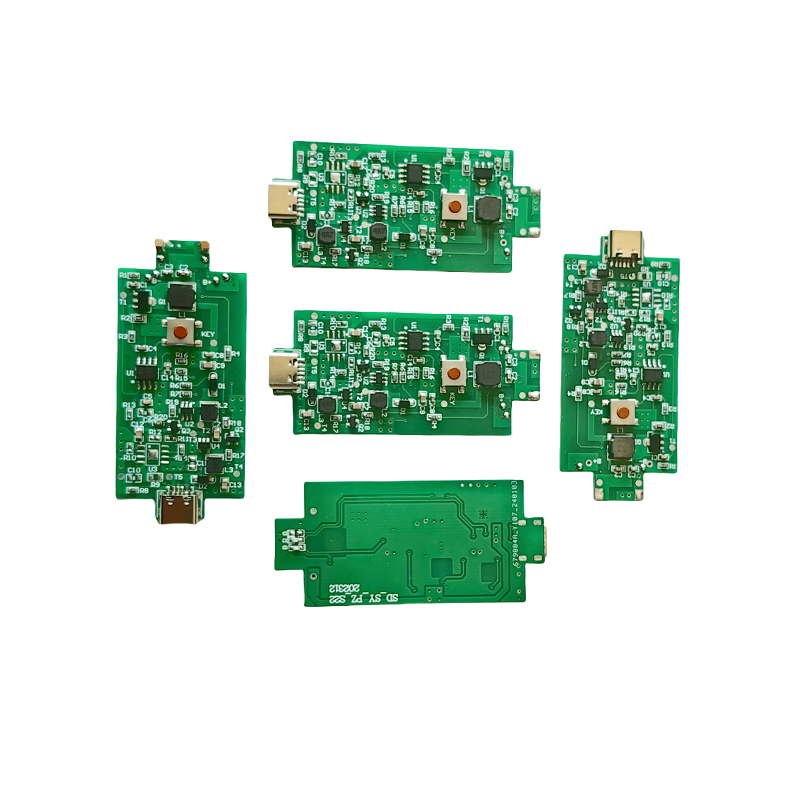
Humidifier Aromatherapy Humidifier Misting Tray PCB Board USB6V12V24V Five Head PCB Driver Board 10 Head Driver Board
-
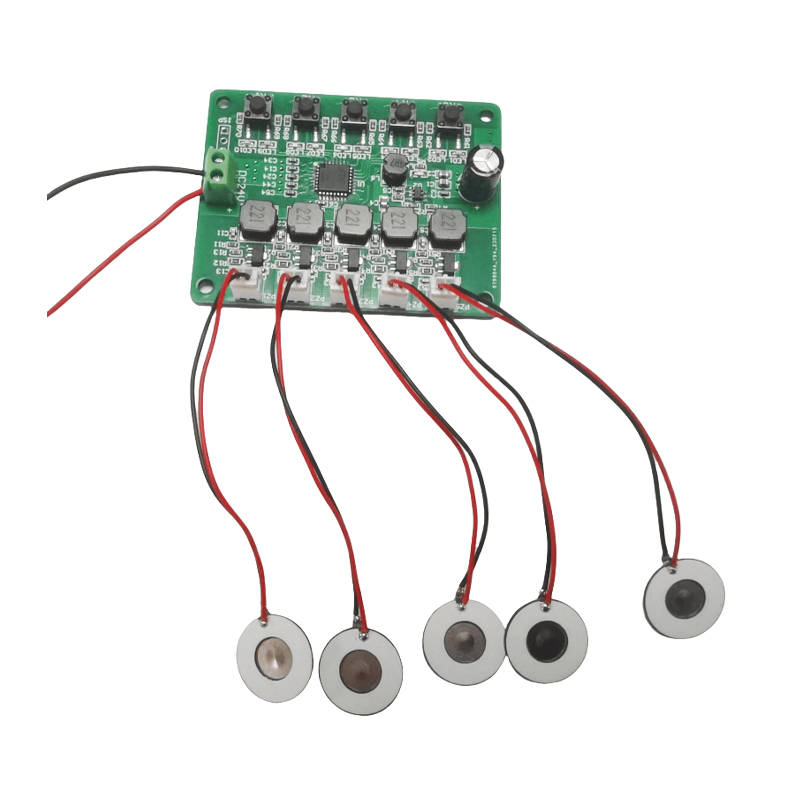
Medical Inhalation Nebulizer Respirator Head-mounted Nebulizer PCB Driver B
-
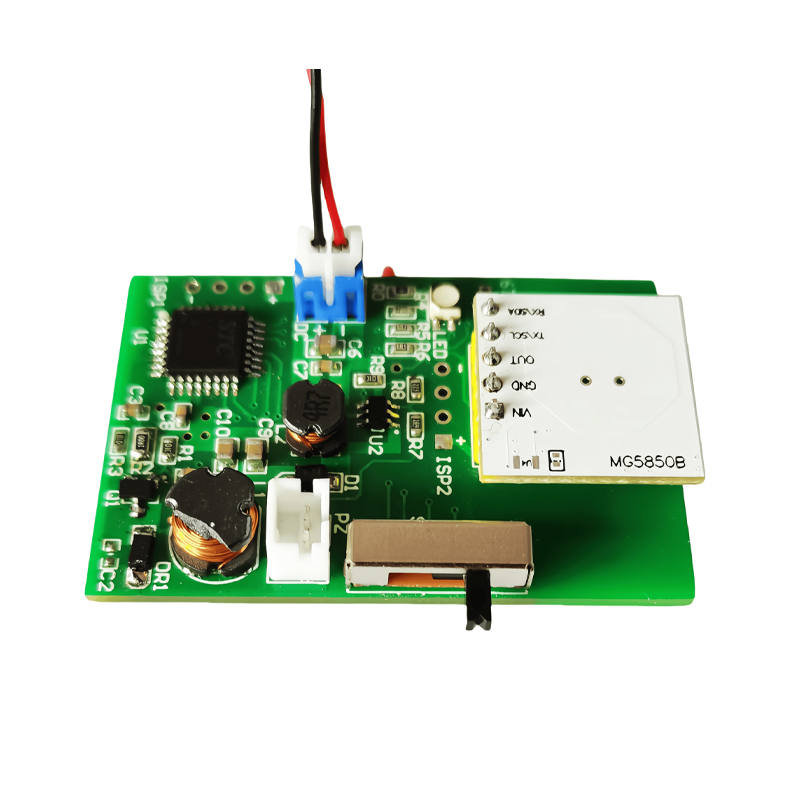
Medical Mesh Atomizer Tray PCB Electronic Smoking Cessation Atomizer PCB Driver Board
-
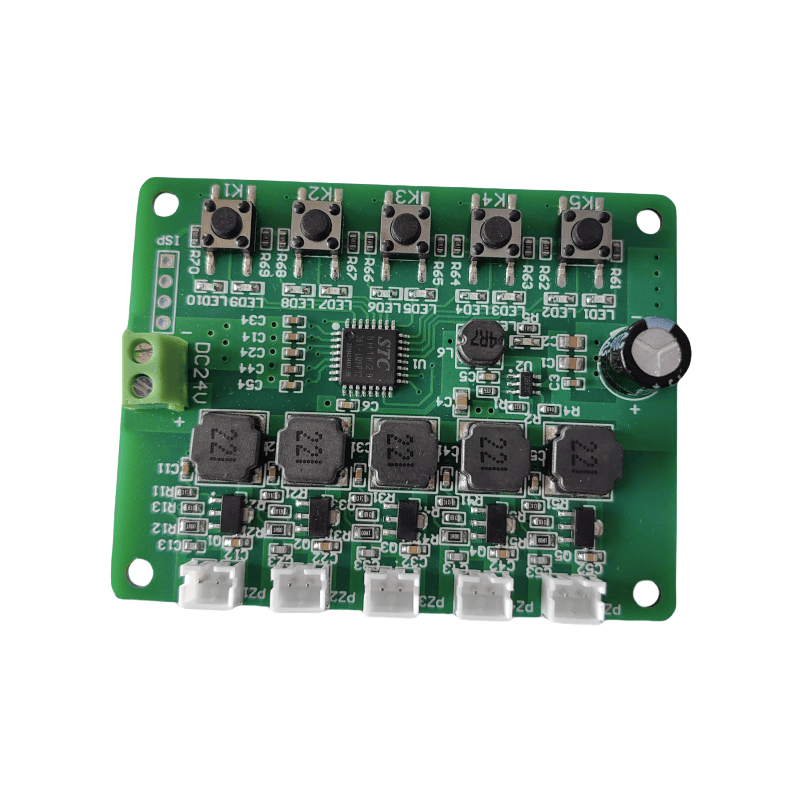
Driver Board For Humidifier Crescent PCB Board Timing 2/4h Function 1.5W
-
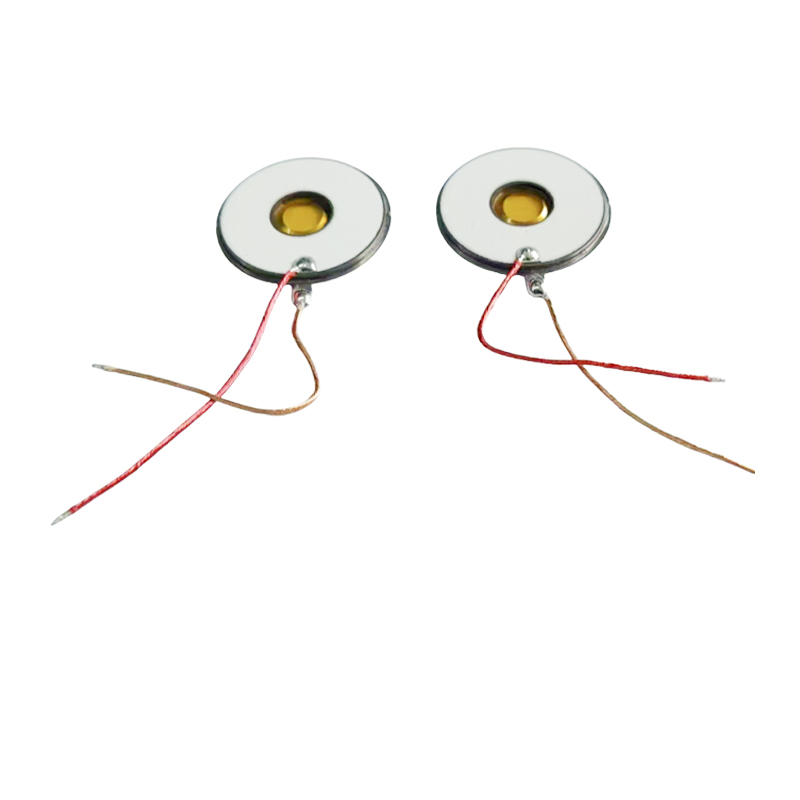
M16-108KHZ Polyimide PI MembraneMesh Micro Mesh NebulizerMedical NebulizerUltrasonic Mesh Nebulizer3μm Microporous Inhalation Nebulizer With Nebulizing DiscPower Consumption1~1.5W
-
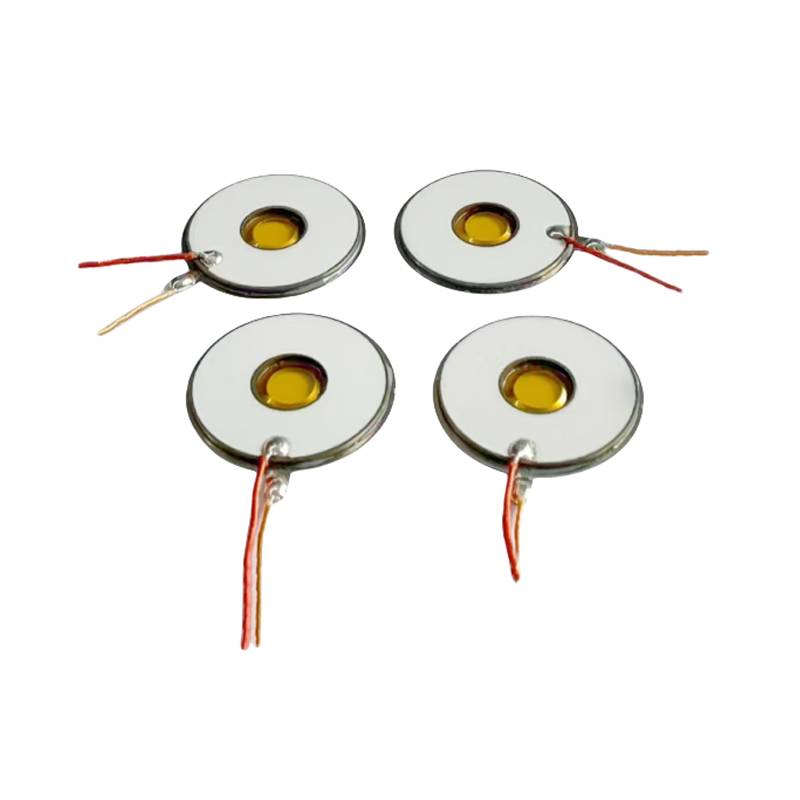
M16-108KHZ Polyimide PI MembraneMesh Micro Mesh NebulizerMedical NebulizerUltrasonic Mesh Nebulizer3μm Microporous Nebulizer Disc For Inhaler Nebulizer
-
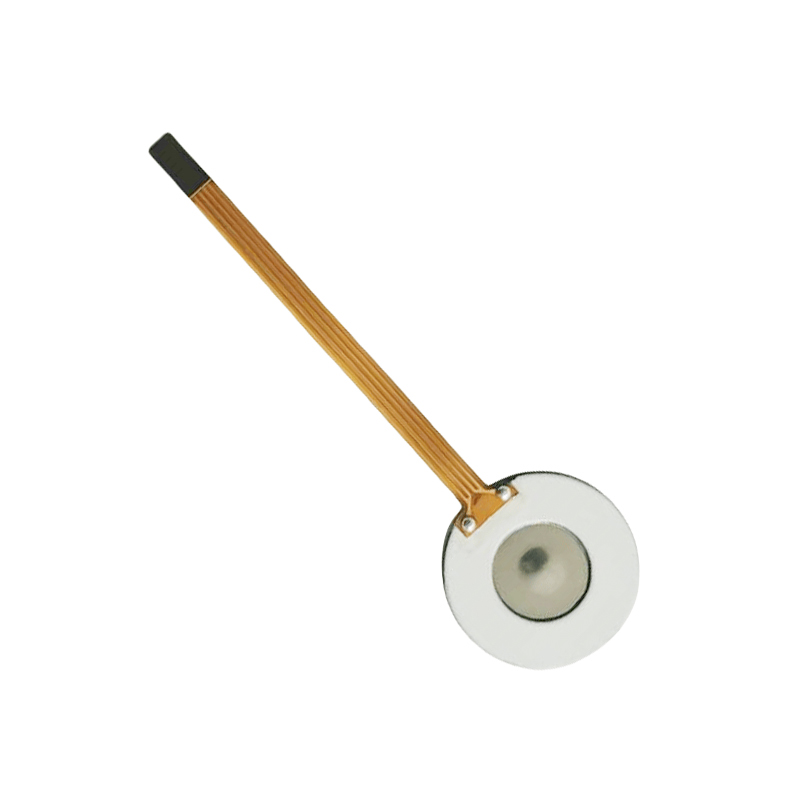
M16-110KHZ Polyimide PI MembraneMesh Micro Mesh NebulizerMedical NebulizerUltrasonic Mesh Nebulizer3μm Microporous Nebulizer Disc For Inhalation Nebulizer
-
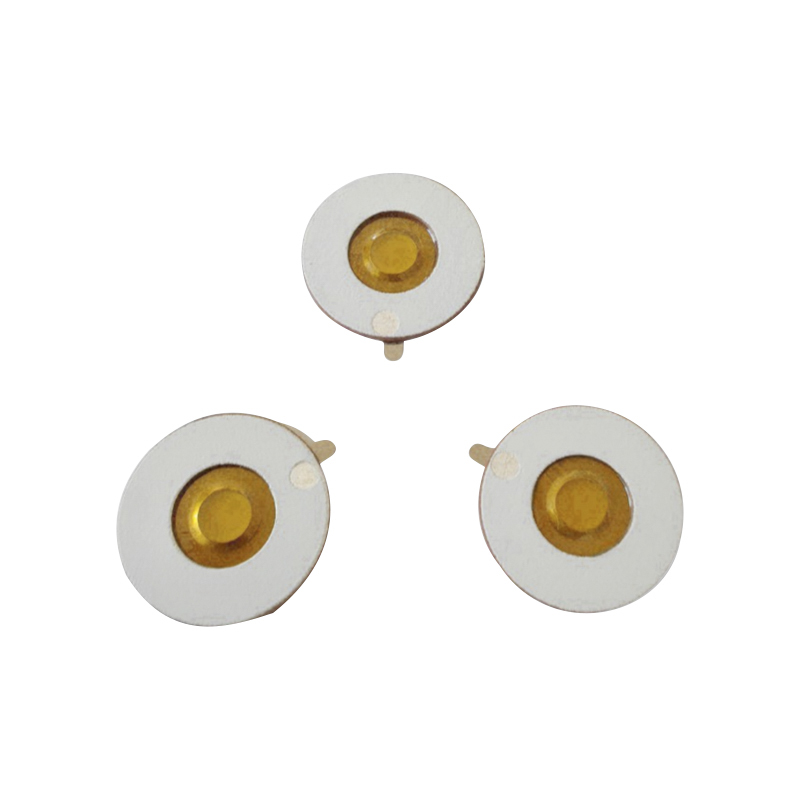
M16-108KHZ Polyimide PI MembraneMesh Micro Mesh NebulizerMedical NebulizerUltrasonic Mesh Nebulizer Tablet3μm Microporous Inhalation Budesonide Nebulizer Tray
- Quick Links
- Product
- About
- Application
- News
- Contact
- Product Links
- Medical Mesh Piezo Atomizer
- Polymer PI Film Piezo Atomizer
- KNN Lead-free Mesh Piezo Atomizer
- PI Lead Free Mesh Zeroing Chip
- Micro-mesh Piezo Atomizer For Heater
- Piezo Atomizer For Fan/Humidification/Beauty
- Ultrasonic Atomizing Transducer
- Ultrasonic High-frequency Piezo Atomizer
- Power Generation/Heating Sensor Piezo Atomizer
- Medical Piezo Atomizer PCB Design
- Precision Laser Micro-hole Processing Technology
- Contact
-
Building 1, Fortune Star 2, No.311 Huanzhen North Road, Chang'an Town, Haining City, Zhejiang Province, China.

-
+86-18006619680

-
+86-13777879680

-
Felix@saidapiezo.com

riney@saidapiezo.com
yugao@saidapiezo.com
emily@saidapiezo.com
dean@saidapiezo.com -
Felix: +86 18157327658

John: +86 18957351358
Emily: +86 18957339358
Dean: +86 15356418868
- Mobile